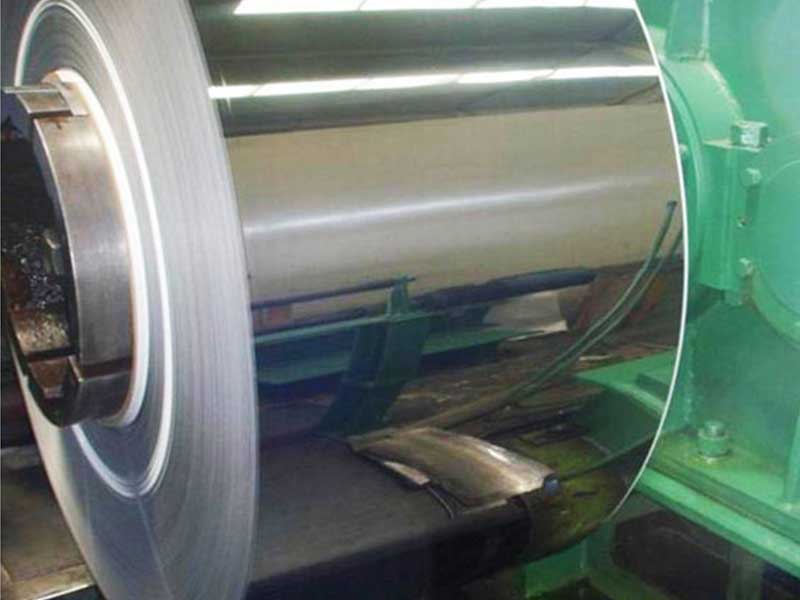

Thickness 0.25mm 0.3mm 0.4mm mirror anodized aluminum
Thickness 0.25mm 0.3mm 0.4mm Mirror Anodized Aluminum: When "Thin" Becomes a Functional Advantage
In many metal projects, thickness is treated like a simple strength indicator: thicker equals tougher. Mirror anodized aluminum sheets in 0.25mm, 0.3mm, and 0.4mm challenge that mindset. At these ultra-thin gauges, the material's value is not about brute force. It's about surface performance, optical behavior, weight efficiency, and forming precision-especially when a highly reflective, anodized finish is part of the design intent.
This is exactly why thin mirror anodized aluminum has become a quiet "workhorse" in industries that care about appearance and functionality at the same time: lighting and reflectors, consumer electronics trim, decorative panels, signage, appliance fascia, automotive interior accents, and packaging-related components.
What "Mirror + Anodized" Actually Means (and Why the Combination Matters)
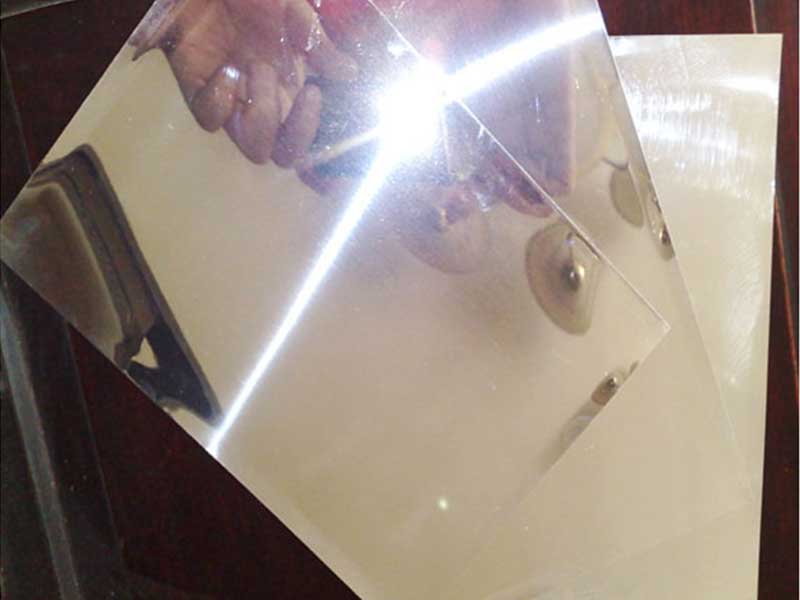
A mirror aluminum sheet starts with a carefully controlled rolling and polishing process to achieve high specular reflectivity. The "mirror" effect is not paint; it's the metal surface itself, refined to reflect light with minimal diffusion.
Anodizing then transforms that surface into a dense aluminum oxide layer. From a functional viewpoint, this oxide layer is the real differentiator:
- It improves scratch and wear resistance compared with bare mirror aluminum
- It enhances corrosion resistance, especially in humid or lightly aggressive environments
- It stabilizes the reflective surface, reducing the chance of quick dulling during handling and service
- It enables color anodizing (where required) while preserving metallic depth
For thin gauges like 0.25mm to 0.4mm, anodizing also serves as a "surface insurance policy," because thin sheets are more likely to be touched, flexed, stamped, or laminated-each of which can punish an unprotected mirror finish.
Why 0.25mm, 0.3mm, and 0.4mm Are Popular in Real Applications
Thin mirror anodized aluminum is often selected not despite being thin, but because thinness unlocks specific functions:
0.25mm mirror anodized aluminum
Best when weight, bendability, and tight wrapping matter. It is widely used for laminated decorative panels, nameplates, labels, flexible trims, and reflector liners where the sheet is supported by a substrate.
0.3mm mirror anodized aluminum
A balanced option for light reflectors, signage, cosmetic covers, and formed profiles. It offers improved stiffness compared with 0.25mm while remaining easy to punch and bend.
0.4mm mirror anodized aluminum
Chosen when you need a little more rigidity for stand-alone pieces or larger spans, such as lighting reflectors, appliance face parts, interior panels, or semi-structural decorative elements where oil-canning must be controlled.
In optics-related uses, these thicknesses also help optimize thermal behavior. Aluminum's high thermal conductivity helps spread heat from LEDs and light modules, while the reflective surface helps redirect light, improving luminous efficiency.
Functional Applications: A Surface That Works, Not Just Shines
Lighting reflectors and luminaires
Mirror anodized aluminum is a practical material for LED reflectors, downlight cups, linear lighting reflectors, and decorative lamp components. The mirror surface increases light utilization, while anodizing helps resist micro-scratches during assembly and maintenance.
Consumer electronics and appliance trims
Thin gauges allow precise stamping and clean folding for bezels, strips, fascia accents, and internal reflective components. The anodized layer reduces fingerprint sensitivity compared with bare polished metal and improves durability in daily-use environments.
Signage, display, and decorative architecture
For logos, letters, and premium display panels, thin mirror anodized aluminum provides a high-end metallic "depth" that films and printed coatings often fail to replicate. When laminated to ACM panels or bonded to backers, thin gauges become exceptionally cost-effective.
Automotive interior and transport
Interior decorative panels and reflective accents benefit from low weight and consistent finish. Anodizing improves resistance to mild abrasion and humidity cycling, especially in cabin environments.
Parameters Customers Typically Specify
- Thickness: 0.25mm / 0.30mm / 0.40mm
- Width: commonly ≤ 1250mm, can be customized by coil capacity and finishing line capability
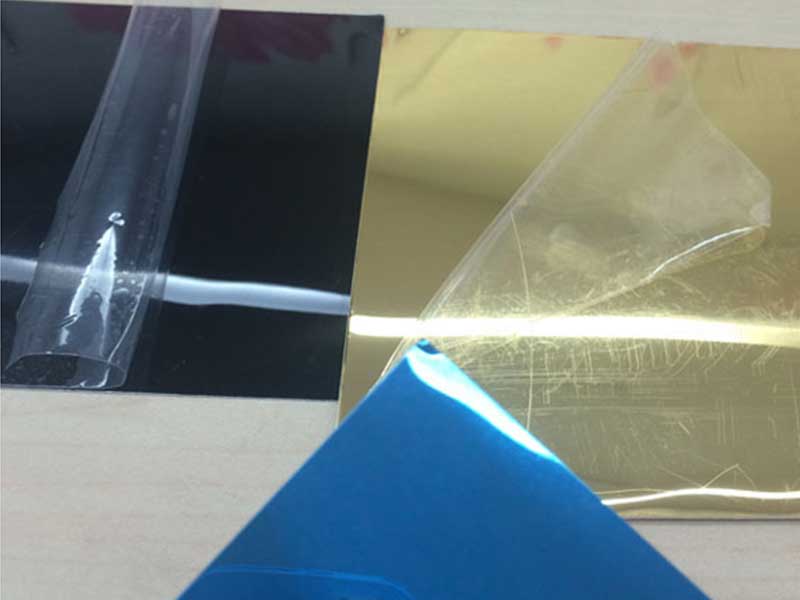
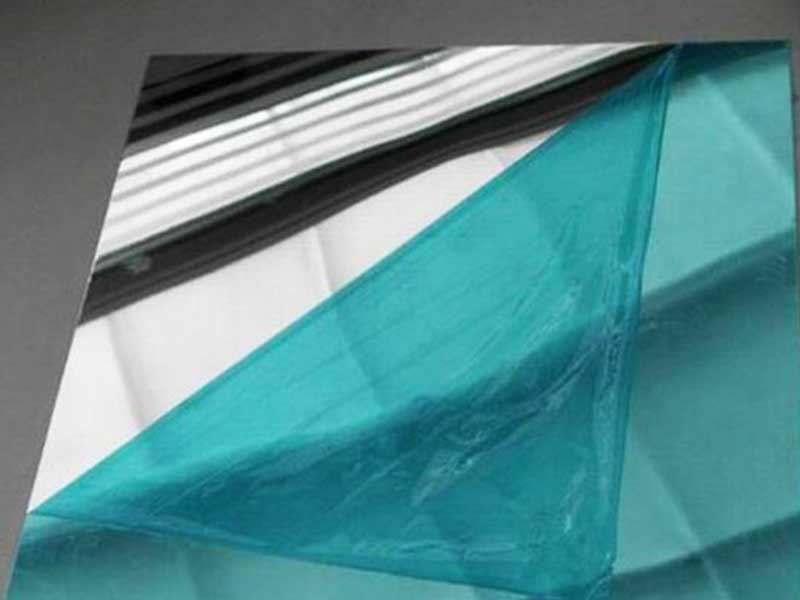
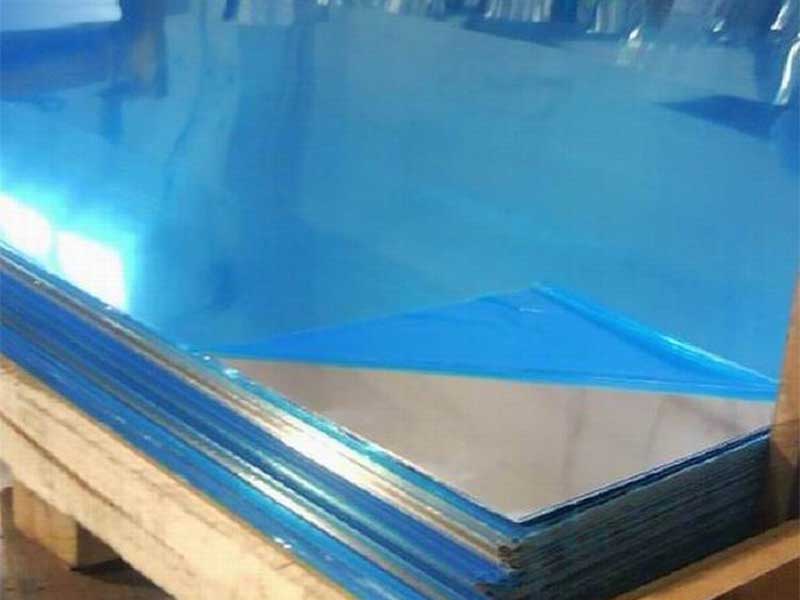
- Surface: mirror finish (specular), typically one side mirror with protective film
- Coating: anodized layer, natural silver or colored anodized upon request
- Reflectivity (typical): ≥ 80% to 90%, depending on alloy, polishing route, and anodizing type
- Film: PE protective film options for stamping and bending processes
- Supply form: sheets or coils, leveled sheets for fabrication stability
Implementation Standards and Quality Reference Points
Mirror anodized aluminum can be produced and inspected with reference to the following common standards (depending on region and contract agreement):
- Aluminum sheet/strip general requirements: ASTM B209 / EN 485
- Anodizing quality and test methods: ISO 7599 (decorative/protective anodizing), ISO 2143 (thickness by eddy current), ISO 2812/9227 (as agreed for corrosion testing), and customer-specific wear tests
- Surface appearance criteria: agreed visual standards under controlled lighting, including limits on pits, roll marks, and streaks for mirror-grade material
Because mirror surfaces amplify minor defects, many buyers also specify inspection conditions such as viewing distance, angle, and lighting type.
Alloy and Temper: Choosing the Right Base for Mirror + Anodize
For thin mirror anodized aluminum, common choices include:
- 1050 / 1060 (O, H12, H14): very high aluminum purity, excellent reflectivity, strong anodizing appearance, very good formability. Often selected for lighting reflectors and decorative panels.
- 1070 / 1085: higher purity, potentially higher reflectivity, used when optical performance is prioritized.
- 3003 (H14): better strength than 1xxx series, good formability, slightly lower reflectivity; used when stiffness and forming robustness matter.
- 5005 (H14/H34): popular for anodizing consistency and appearance, good corrosion resistance, widely used in architectural anodized applications.
Temper impacts both fabrication and flatness. Softer tempers (O) form easily but may be more prone to handling dents. H14/H24 provide better rigidity and process stability for stamping and paneling.
Typical Technical Properties (Reference)
Values vary by alloy and temper; below are typical ranges used for quick engineering estimation.
- Density: about 2.70 g/cm³
- Thermal conductivity: roughly 200–235 W/m·K (alloy dependent)
- Electrical conductivity: high (not typically the primary purchase driver)
- Anodic film thickness (decorative): commonly 5–15 μm, can be customized
Chemical Composition Table (Typical, wt.%)
| Alloy | Al (min) | Si | Fe | Cu | Mn | Mg | Zn | Ti | Others (each/total) |
|---|---|---|---|---|---|---|---|---|---|
| 1050 | 99.50 | ≤0.25 | ≤0.40 | ≤0.05 | ≤0.05 | ≤0.05 | ≤0.05 | ≤0.03 | ≤0.03 / ≤0.10 |
| 1060 | 99.60 | ≤0.25 | ≤0.35 | ≤0.05 | ≤0.03 | ≤0.03 | ≤0.05 | ≤0.03 | ≤0.03 / ≤0.10 |
| 3003 | Rem. | ≤0.60 | ≤0.70 | 0.05–0.20 | 1.0–1.5 | ≤0.05 | ≤0.10 | ≤0.15 | ≤0.05 / ≤0.15 |
| 5005 | Rem. | ≤0.30 | ≤0.70 | ≤0.20 | ≤0.20 | 0.50–1.1 | ≤0.25 | ≤0.20 | ≤0.05 / ≤0.15 |
If anodizing appearance uniformity is critical, alloys like 1050/1060/5005 are frequently preferred because they deliver more consistent color and gloss after anodizing.
A Practical Selection View: Think Like Light, Not Like Steel
A distinctive way to choose between 0.25mm, 0.3mm, and 0.4mm mirror anodized aluminum is to stop thinking in "load-bearing" terms and start thinking in how the surface will be used:
- If the sheet will be bonded to a substrate, wrapped, or used as a reflective liner, 0.25mm often provides the best cost-to-function ratio.
- If the part will be stamped, lightly self-supporting, or used in lighting channels, 0.3mm tends to be the most versatile.
- If flatness, rigidity, and reduced waviness are key-especially on wider pieces-0.4mm offers noticeably better handling stability.
Thin mirror anodized aluminum is not merely a decorative skin. At these thicknesses, it becomes a precision optical and protective surface that shapes light, resists wear, and keeps products lightweight-while still delivering the crisp, premium reflection that designers want and manufacturers can rely on.
https://www.al-alloy.com/a/thickness-025mm-03mm-04mm-mirror-anodized-aluminum.html