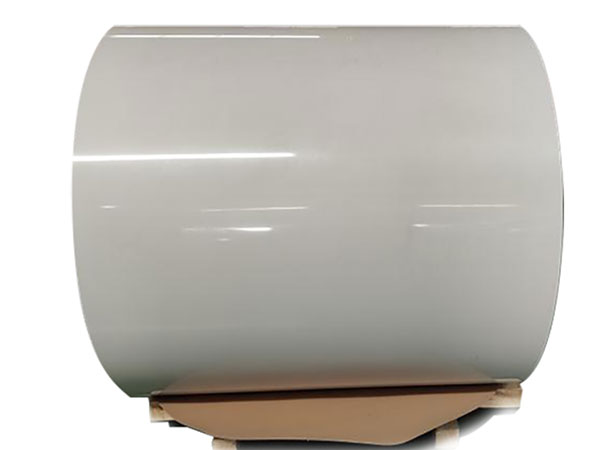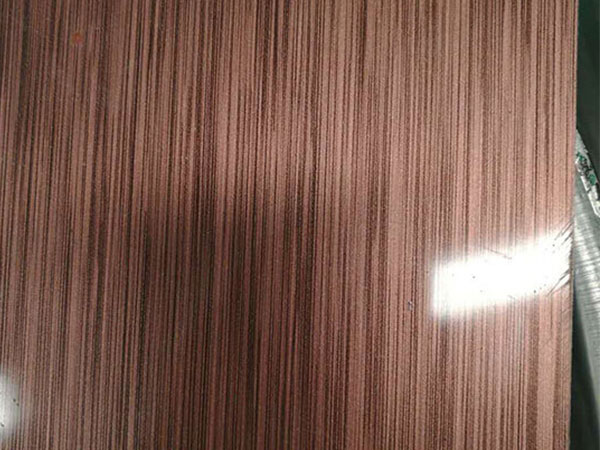

0.11mm Color Aluminium coil Coating Alloy 1100
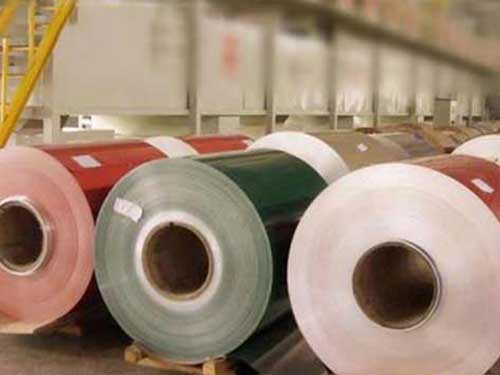
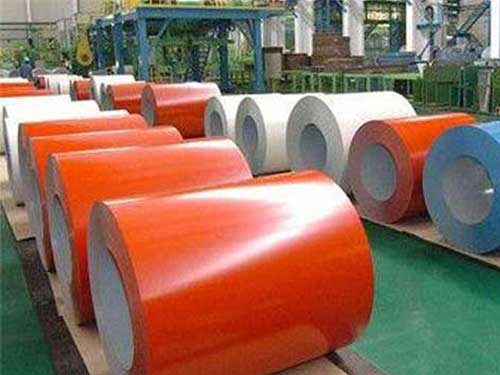
At first glance, 0.11mm Color Aluminium Coil Coating Alloy 1100 looks simple: a very thin, prepainted aluminum coil with a smooth decorative surface. But from a practical engineering perspective, it is better understood as a protective and functional skin. It adds color, corrosion resistance, formability, and processing efficiency to products that need to stay light, clean-looking, and durable in daily use.
This distinctive viewpoint matters because many buyers evaluate coated aluminum coil only by color or price. In reality, the real value of 1100 color coated aluminum coil lies in how its thinness, alloy purity, coating system, and temper work together. The coil is not just a metal strip with paint on top. It is a carefully balanced material for fabrication, appearance retention, and cost control.
What makes 0.11mm Alloy 1100 special
Alloy 1100 belongs to the commercially pure aluminum family. It typically contains at least 99.00% aluminum, which gives it excellent corrosion resistance, very good thermal conductivity, high reflectivity, and outstanding workability. When processed into a 0.11mm color coated aluminum coil, it becomes especially attractive for applications where lightweight construction and easy forming are important.
The thickness of 0.11mm places this material in the ultra-thin category. This gives it several practical advantages:
- very light weight for transport and installation
- easy bending, stamping, profiling, and laminating
- efficient use in large-area decorative applications
- reduced total material consumption
- smooth and uniform painted appearance
Because Alloy 1100 is relatively soft compared with structural aluminum alloys, it is ideal for products that require surface quality and shaping ability more than high mechanical strength.
The function of the coating: more than decoration
The coating on a color aluminium coil should not be seen merely as an aesthetic finish. It performs as a functional barrier system. On 0.11mm Alloy 1100 coil, the coating helps compensate for the limitations of a very thin metal substrate by adding environmental resistance and extending service life.
Its main functions include:
- protecting the aluminum surface from moisture, oxidation, and pollutants
- improving weather resistance in indoor and semi-outdoor conditions
- delivering stable color and gloss
- enhancing resistance to scratches and minor abrasion
- supporting easier cleaning and maintenance
- helping the coil match brand, architectural, or appliance design requirements
Common coating systems include PE coating and PVDF coating. PE, or polyester, is widely chosen for interior decoration, ceiling systems, panel facings, and general fabrication because it offers a good balance of cost, flexibility, and color richness. PVDF, or polyvinylidene fluoride, is preferred when higher weatherability and UV resistance are required.
For many customers, the most practical question is not "What paint is used?" but rather "What environment will this material face?" That is the right question. Choosing the proper coating system is often more important than choosing a fashionable shade.
Technical parameters customers often need
Below are the common technical parameters for 0.11mm Color Coated Aluminium Coil Alloy 1100. Actual values may vary by manufacturer, coating line, and end-use requirements.
| Item | Typical Specification |
|---|---|
| Product name | Color Coated Aluminum Coil |
| Alloy | 1100 |
| Thickness | 0.11mm |
| Width | Usually 30mm–1600mm |
| Temper | O, H14, H16, H18, H24 |
| Coating type | PE / PVDF / Epoxy / SMP as required |
| Top coating thickness | Typically 5μm–25μm |
| Back coating thickness | Typically 3μm–10μm |
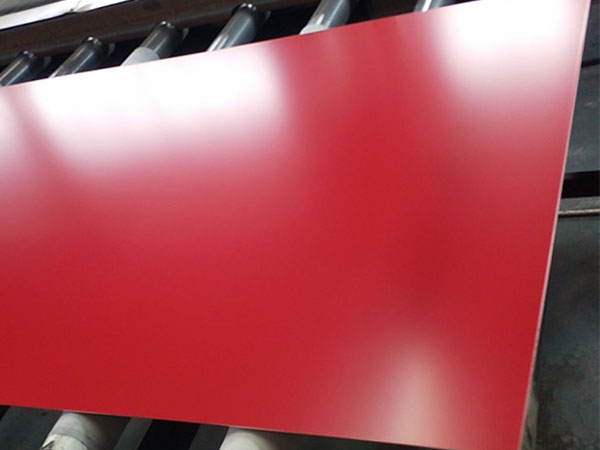
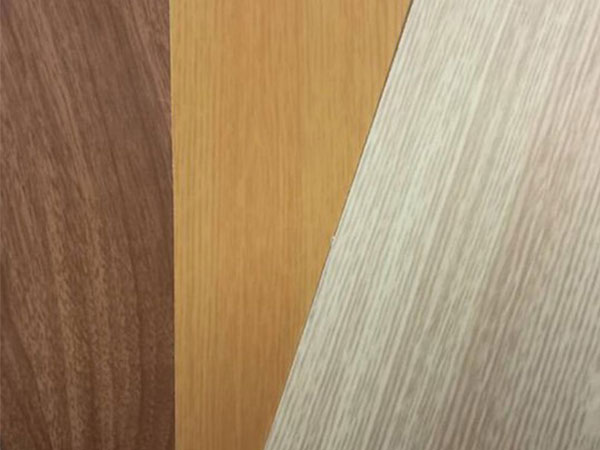
| Color | RAL color, custom color, wood grain, stone pattern, matte, high gloss |
| Coil ID | 405mm / 505mm |
| Surface finish | Smooth, embossed, brushed optional |
| Gloss | As required, commonly 10–90 |
| Standard export packing | Eye to wall / eye to sky |
In ultra-thin applications like 0.11mm, coating adhesion, flexibility, and uniformity become especially important. A visually attractive surface is not enough. The coating must remain stable during slitting, roll forming, bending, and stamping.
Alloy tempering and how it affects use
Temper selection changes how Alloy 1100 behaves in production. This is one of the most overlooked buying factors.
O temper is fully annealed. It offers the best ductility and is suitable for deep drawing, bending, and complex forming. If the end product involves tight radii or decorative shaping, O temper is often a safe option.
H14 temper is strain hardened to a half-hard condition. It provides a balanced combination of formability and stiffness. This temper is common for general industrial and decorative uses.
H16 and H18 tempers are harder conditions. They improve rigidity and handling performance, which can help in some panel or shutter applications, but they reduce formability.
H24 temper is strain hardened and partially annealed, creating a middle ground between hardness and workability.
In practical purchasing terms, temper should match the fabrication route. If a coil will be heavily bent after painting, too hard a temper may increase the risk of coating stress or edge deformation. If the product needs a flatter and firmer panel feel, a harder temper may be beneficial.
Implementation standards and quality references
Depending on market and customer requirements, 1100 coated aluminum coil can be produced according to several common standards. These may include:
- ASTM B209 for aluminum and aluminum-alloy sheet and plate
- EN 485 for aluminum and aluminum alloy sheet, strip and plate
- GB/T 3880 for wrought aluminum and aluminum alloy plates, sheets and strips
- AAMA 2603 / 2604 / 2605 for architectural coating performance, especially where painted durability is specified
- RoHS or REACH compliance if environmental restrictions apply
For coated products, customers should also check practical quality indicators such as:
- coating adhesion
- impact resistance
- T-bend flexibility
- pencil hardness
- gloss tolerance
- color difference
- salt spray resistance
- solvent resistance
These details tell more about real-world performance than thickness alone.
Chemical composition of Alloy 1100
The chemical profile of Alloy 1100 explains why it performs so well in decorative and light industrial applications.
| Element | Content (%) |
|---|---|
| Aluminum (Al) | 99.00 min |
| Silicon + Iron (Si + Fe) | 0.95 max |
| Copper (Cu) | 0.05–0.20 |
| Manganese (Mn) | 0.05 max |
| Zinc (Zn) | 0.10 max |
| Titanium (Ti) | 0.05 max |
| Others, each | 0.05 max |
| Others, total | 0.15 max |
The high aluminum content gives Alloy 1100 its signature properties: corrosion resistance, softness, conductivity, and bright metallic character under coating systems.
Main applications: where this coil works best
From a market perspective, 0.11mm color aluminium coil coating alloy 1100 performs best where the material acts as a thin, attractive, protective outer layer rather than a load-bearing core.
Typical applications include:
- interior decorative panels
- suspended ceilings and ceiling strips
- roller shutter components
- insulation jacketing with colored finish
- channel letter materials and signage
- appliance facings
- furniture trim and cabinet panels
- lamp reflectors and lighting decoration
- rainwater goods and light cladding details
- packaging and laminated composite panels
One useful way to understand its application range is this: if the product needs to be light, clean, easy to shape, and visually consistent, 1100 prepainted aluminum coil is often a strong candidate.
Why buyers choose 1100 over other alloys
Compared with manganese or magnesium-containing aluminum alloys, 1100 color coated aluminum coil is usually selected for its surface friendliness. It is easier to process, easier to coat attractively, and often more economical for non-structural uses. It is not designed to compete with higher-strength alloys in heavy-duty construction. Instead, it excels where appearance, corrosion behavior, and fabrication ease create the most value.
That is why this product remains relevant across signage, decoration, light industrial manufacturing, and finished consumer-facing parts.
Final thought
Seen from a distinctive functional perspective, 0.11mm Color Aluminium Coil Coating Alloy 1100 is not simply a painted metal roll. It is a precision surface material that combines purity, flexibility, coating technology, and manufacturing efficiency. Its strength is not brute force. Its strength is adaptability.
For customers who need a coated aluminum coil that is lightweight, easy to form, corrosion-resistant, and visually refined, Alloy 1100 in 0.11mm thickness offers a smart and reliable solution. The is to match the temper, coating system, standard, and end-use environment correctly. When those factors align, this thin material delivers performance far beyond what its thickness suggests.
https://www.al-alloy.com/a/011mm-color-aluminium-coil-coating-alloy-1100.html