
5052 h22 aluminum sheet
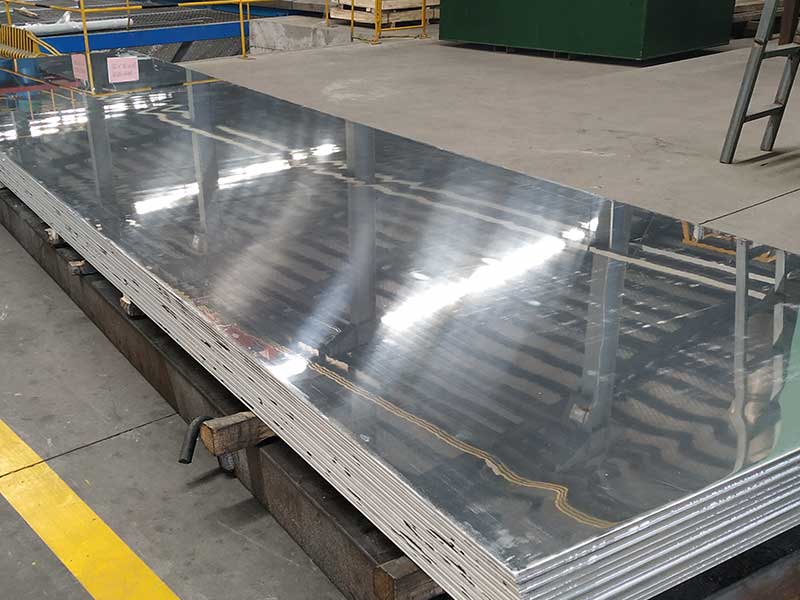
5052 H22 aluminum sheet is one of the most widely used non-heat-treatable aluminum alloys for applications that require a practical balance of strength, formability, corrosion resistance, and attractive surface quality. Belonging to the 5xxx series, this alloy is primarily strengthened by magnesium, which gives it excellent resistance to marine atmosphere, industrial chemicals, and general moisture exposure.
The H22 temper means the sheet has been strain hardened and partially annealed, creating a condition that offers more strength than fully annealed material while still retaining good workability. For customers looking for an aluminum sheet that performs well in fabrication and service, 5052 H22 is often a reliable and economical choice.
Why 5052 H22 Aluminum Sheet Is Popular
5052 aluminum sheet has earned a strong reputation in industries where lightweight structures and long-term durability matter. Compared with many general-purpose alloys, it stands out for its ability to resist corrosion while remaining easy to bend, shape, and weld.
Its appeal comes from the following combination:
| Feature | Benefit to Customer |
|---|---|
| High corrosion resistance | Suitable for marine, outdoor, and humid environments |
| Moderate strength | Stronger than many common commercial aluminum sheet grades |
| Good formability | Works well for bending, rolling, and shaping |
| Excellent weldability | Useful for tanks, panels, enclosures, and structural fabrications |
| Smooth surface finish | Suitable for decorative and functional applications |
| Lightweight | Helps reduce overall product weight and transportation cost |
Because of this balance, 5052 H22 aluminum sheet is often selected when pure aluminum is too soft, but higher-strength alloys may be harder to form or less corrosion-resistant.
the H22 Temper
The temper designation is important because it affects how the material behaves in fabrication and end use.
| Temper | Meaning | Typical Characteristic |
|---|---|---|
| O | Annealed | Maximum softness and formability |
| H32 | Strain hardened and stabilized | Higher strength with good corrosion resistance |
| H22 | Strain hardened and partially annealed | Balanced strength and workability |
In practical terms, 5052 H22 provides a useful middle ground. It is not as soft as O temper, and it is easier to form than harder tempers. This makes it especially suitable for parts that need moderate strength without sacrificing manufacturability.
Chemical Composition
The chemical composition of 5052 aluminum sheet is centered around magnesium, with chromium added to improve corrosion behavior and mechanical stability.
| Element | Content (%) |
|---|---|
| Aluminum (Al) | Balance |
| Magnesium (Mg) | 2.2–2.8 |
| Chromium (Cr) | 0.15–0.35 |
| Silicon (Si) | 0.25 max |
| Iron (Fe) | 0.40 max |
| Copper (Cu) | 0.10 max |
| Manganese (Mn) | 0.10 max |
| Zinc (Zn) | 0.10 max |
| Others, each | 0.05 max |
| Others, total | 0.15 max |
This composition gives the alloy its notable combination of corrosion resistance, moderate strength, and good forming performance.
Mechanical Properties
Actual values can vary slightly depending on sheet thickness, production process, and applicable standards, but the following table reflects commonly referenced performance levels for 5052 H22 aluminum sheet.
| Property | Typical Value |
|---|---|
| Tensile strength | 210–260 MPa |
| Yield strength | 130–180 MPa |
| Elongation | 6–12% |
| Hardness | Approx. 55–65 HB |
| Modulus of elasticity | 70 GPa |
These values show why 5052 H22 is considered a versatile engineering material. It offers enough strength for many structural and semi-structural components while still allowing common fabrication operations.
Physical Properties
5052 H22 aluminum sheet also provides practical physical advantages that support its use in transportation, architecture, electronics, and marine products.
| Property | Value |
|---|---|
| Density | 2.68 g/cm³ |
| Melting range | 607–649°C |
| Thermal conductivity | Approx. 138 W/m·K |
| Electrical conductivity | Approx. 35% IACS |
| Coefficient of thermal expansion | 23.8 × 10⁻⁶ /°C |
Its low density is especially valuable in designs where lowering mass improves fuel efficiency, portability, or installation ease.
Available Specifications
5052 H22 aluminum sheet can be produced in many standard and custom sizes. Supply capability depends on the manufacturer, but typical ranges are shown below.
| Parameter | Common Range |
|---|---|
| Thickness | 0.3 mm – 6.0 mm |
| Width | 1000 mm – 2000 mm |
| Length | 2000 mm – 6000 mm |
| Surface | Mill finish, brushed, anodizing quality, coated |
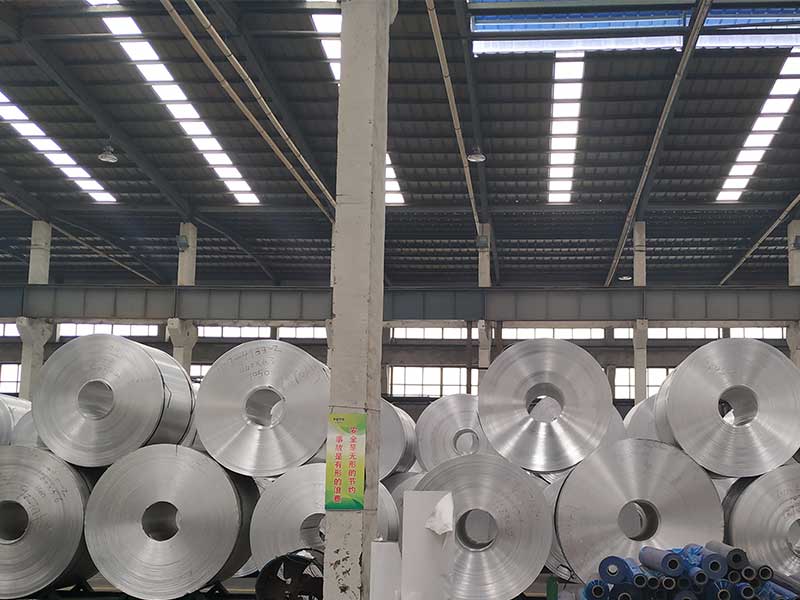
| Standard forms | Sheet, plate, cut-to-size blank, coil sheet |
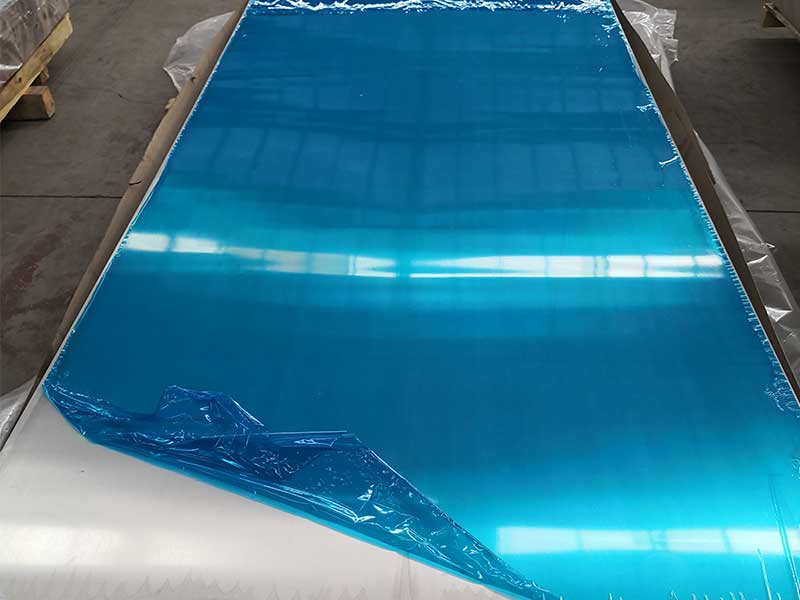
For customers with special fabrication needs, custom dimensions and protective film options are often available.
Main Features of 5052 H22 Aluminum Sheet
Excellent Corrosion Resistance
One of the strongest advantages of 5052 H22 aluminum sheet is its resistance to corrosion in demanding environments. It performs especially well in:
| Environment | Performance |
|---|---|
| Marine atmosphere | Excellent |
| Freshwater exposure | Excellent |
| Industrial atmosphere | Very good |
| Mild chemical contact | Good |
| Outdoor architectural use | Very good |
This makes it a preferred alloy for products exposed to salt air, moisture, cleaning chemicals, or changing weather.
Good Formability
5052 H22 retains enough ductility for many forming operations, including:
| Fabrication Method | Suitability |
|---|---|
| Bending | Good |
| Rolling | Good |
| Stamping | Good |
| Spinning | Good |
| Deep drawing | Moderate, depending on design |
For manufacturers producing covers, casings, panels, and shaped parts, this balance of strength and workability is a major advantage.
Strong Welding Performance
This alloy is known for very good weldability using common methods such as TIG and MIG welding. Welded assemblies made from 5052 sheet are widely used in tanks, cabinets, and marine structures. After welding, the material still maintains strong corrosion resistance, which is especially valuable in outdoor and wet-service applications.
Attractive Surface Quality
5052 H22 aluminum sheet can offer a clean, smooth appearance suitable for visible parts. It can also be finished in multiple ways to match practical or decorative needs.
| Surface Treatment | Result |
|---|---|
| Mill finish | Economical and industrial appearance |
| Brushed finish | Decorative linear texture |
| Anodizing | Improved surface protection and appearance |
| Color coating | Enhanced aesthetics and weather resistance |
Common Applications
Because of its broad performance range, 5052 H22 aluminum sheet is used in many industries.
| Industry | Typical Applications |
|---|---|
| Marine | Boat hull components, decks, panels, storage boxes |
| Transportation | Truck bodies, trailer panels, vehicle flooring, fuel tanks |
| Construction | Roofing, cladding, curtain wall panels, ceiling systems |
| Electronics | Enclosures, cabinets, heat-related housings |
| Industrial equipment | Tanks, pressureless containers, machine covers |
| Consumer products | Appliances, signage, decorative panels |
In marine and transport sectors, the alloy is valued for resisting corrosion while helping reduce total equipment weight. In building applications, it is appreciated for both durability and appearance.
Processing Considerations
Customers selecting 5052 H22 aluminum sheet should also understand a few processing characteristics.
| Processing Item | Notes |
|---|---|
| Cutting | Suitable for shearing, laser cutting, and CNC processing |
| Bending radius | Should be selected based on thickness and tooling |
| Welding | Excellent with proper filler and process control |
| Machining | Fair; not as free-cutting as some other alloys |
| Anodizing response | Generally good |
| Heat treatment | Not strengthened by heat treatment |
Since this is a non-heat-treatable alloy, its strength is mainly controlled through cold working rather than thermal hardening. That is an important consideration when comparing it with 2xxx, 6xxx, or 7xxx series alloys.
5052 H22 vs Other Common Aluminum Sheet Alloys
Customers often compare 5052 H22 with other popular sheet grades.
| Alloy | Main Advantage | Compared with 5052 H22 |
|---|---|---|
| 1100 | Very high formability | Softer and lower strength |
| 3003 | Good general-purpose use | Lower corrosion resistance in marine conditions |
| 5052 H22 | Balanced corrosion resistance and strength | Excellent all-around choice |
| 6061 | Higher structural strength | Less formable and not as ideal for sheet forming |
This comparison shows why 5052 H22 is frequently chosen when the application demands more than basic commercial sheet performance.