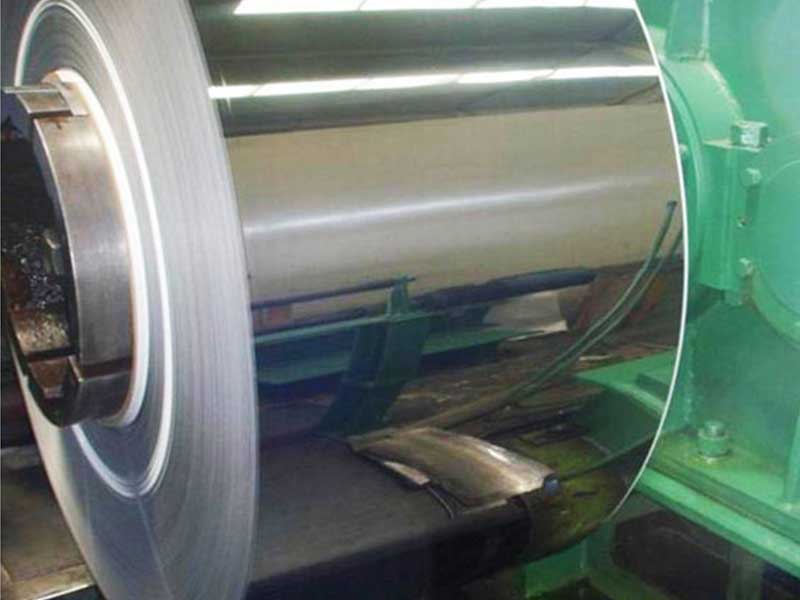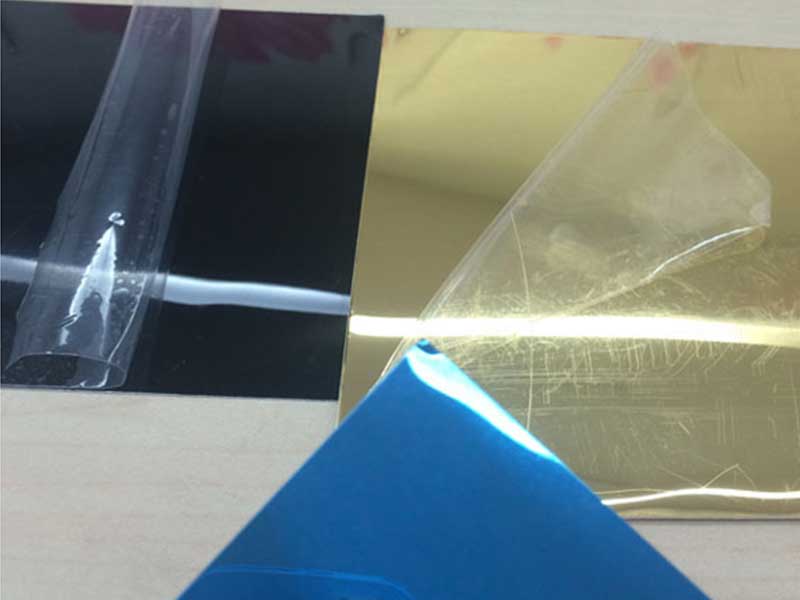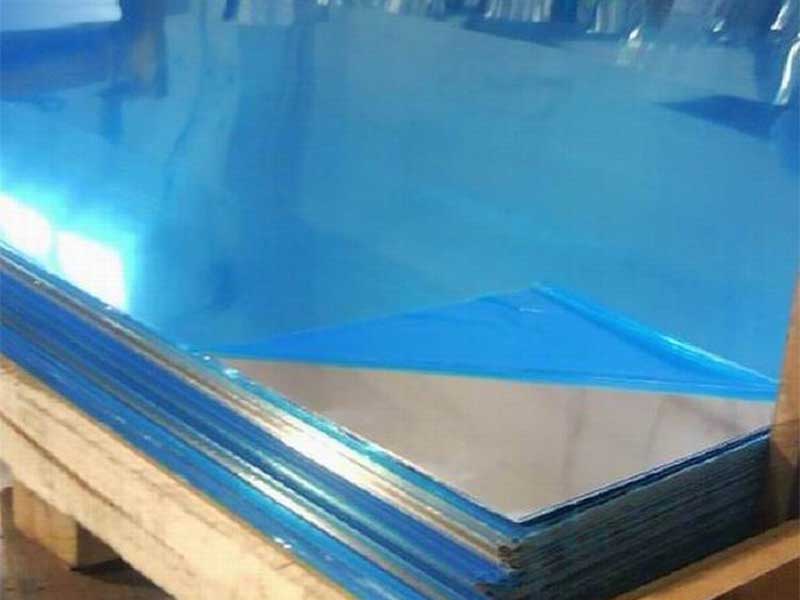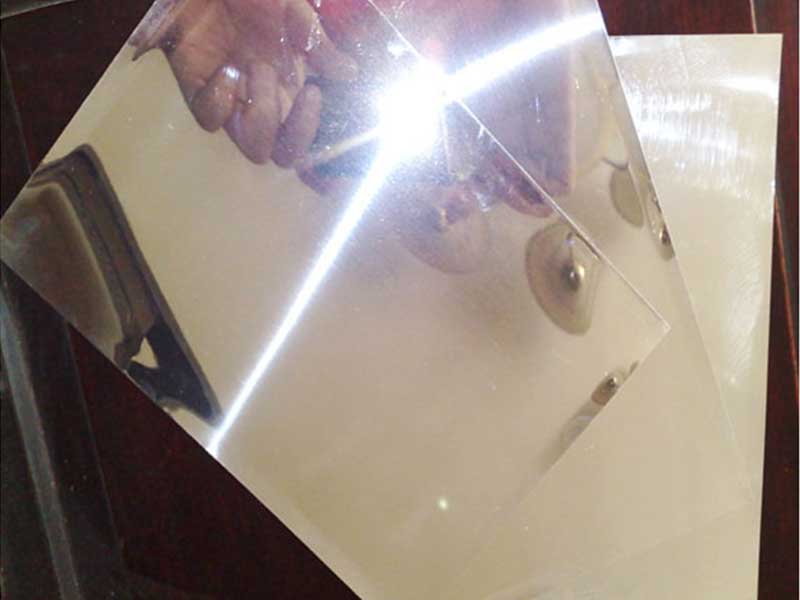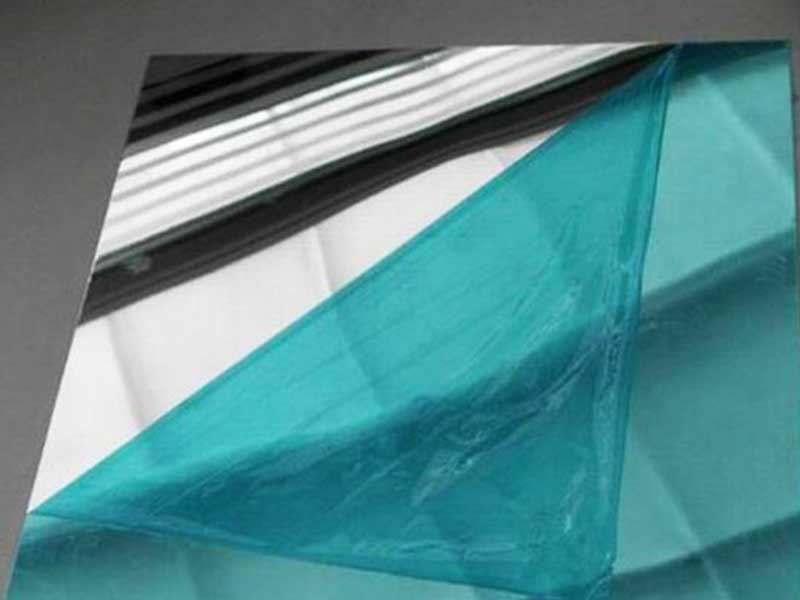

1050 Mirror Finish 0.3mm Aluminum Sheet
A 1050 mirror finish 0.3mm aluminum sheet is often described in simple terms: bright, thin, and highly reflective. But its real value shows up when you look at it as a "functional surface" rather than just a shiny material. In many products, the surface is the part that works the hardest. It reflects light, signals quality, resists staining, supports forming, and protects what's underneath. With 1050 mirror aluminum, the surface is not decoration alone-it's a performance layer built on a very pure alloy.
Because this sheet is only 0.3mm thick, it occupies a special space between rigid metal panels and flexible reflective films. It can be cut, laminated, stamped, wrapped, or bonded to substrates, giving designers the optical effect of a mirror with the processing familiarity of aluminum. That combination explains why 1050 mirror finish aluminum sheet continues to appear in lighting, signage, interiors, electronics, and consumer goods where reflectivity must be consistent, lightweight, and scalable.
What "1050" really means for mirror applications
1050 aluminum is a commercially pure aluminum alloy, typically specified as Al ≥ 99.5%. For mirror finish products, this purity matters because fewer alloying elements generally means better anodizing response, lower risk of surface defects during polishing, and a more uniform optical appearance across batches. In practical terms, customers choose 1050 mirror aluminum when they want high reflectivity, stable surface quality, and predictable forming behavior without the "grainy" or inconsistent look that some higher-alloy materials can exhibit after finishing.
A mirror finish sheet is usually produced through controlled rolling, surface leveling, polishing, and reflective coating processes. Many suppliers add a protective film (often PE) to preserve the mirror face during fabrication. For 0.3mm thickness, that film becomes especially important because thin sheet can show handling marks more easily and can be influenced by tooling pressure during cutting or bending.
Parameters customers care about (and why they matter)
A quick spec sheet can look routine, but each parameter impacts function:
Typical product parameters for 1050 mirror finish 0.3mm aluminum sheet
Material: Aluminum alloy 1050 (AA1050)
Thickness: 0.30 mm (common tolerance depends on standard and supplier capability)
Width: commonly 1000 mm, 1220 mm, 1250 mm (customizable)
Length: coil or sheet, common 2000 mm, 2440 mm, 2500 mm (customizable)
Surface: mirror finish (polished/brightened + reflective coating, typically with protective film)
Reflectivity: often 80%–90% typical for standard mirror aluminum, higher with premium processes (varies by process and measurement method)
Temper: O, H14, H16, H18 commonly used depending on forming needs
Core advantage: lightweight, high reflectance, corrosion resistance, good workability, excellent anodizing potential
The 0.3mm thickness is a design tool. It reduces weight and makes cutting and contouring easier, especially for curved reflectors, decorative wraps, and laminated panels. At the same time, thin gauge requires careful support during processing to prevent waviness or oil-canning, which can visually distort reflections.
Standards and implementation references
1050 aluminum sheet is commonly manufactured and inspected according to widely recognized standards. Depending on region and project requirements, these may include:
EN 485 (Aluminum and aluminum alloys-sheet/strip tolerances and mechanical properties)
ASTM B209 (Aluminum and aluminum-alloy sheet and plate)
GB/T 3880 (General industrial aluminum and aluminum alloy sheets and strips)
JIS H4000 / JIS H4160 (Japan, depending on product form and application)
Mirror finish requirements are often controlled by internal factory specifications or customer-agreed standards because "mirror" can mean different gloss levels, reflectivity targets, coating types, and defect allowances. When sourcing, it's wise to confirm inspection criteria for pinholes, scratches, waviness, coating adhesion, film type, and reflectance measurement method.
Temper selection: choosing behavior, not just hardness
Temper is where mirror aluminum becomes practical. The surface may sell the first impression, but temper determines how easily you can turn that sheet into a product.
O temper (annealed) favors deep forming, tight bending radii, and complex shapes. If you're making contoured lighting reflectors or embossed decorative elements, O temper can reduce cracking risk and keep edges cleaner.
H14/H16 are strain-hardened tempers that balance strength with moderate formability. They're often selected when the sheet must stay flatter after installation or when it needs better dent resistance than O temper.
H18 is harder and stronger with less formability. It can be useful for panels that need stiffness and surface durability, but bending and forming must be more conservative.
For 0.3mm mirror sheet, many buyers prioritize flatness and handling resistance, so H14 or H16 is commonly favored unless deep drawing or aggressive forming is required.
Chemical composition: the purity that supports reflectivity
AA1050 is defined by high aluminum content with limited impurities. Exact limits can vary by standard, but the following table reflects typical maximum composition ranges used in the industry for AA1050.
Typical chemical composition of AA1050 (wt.%)
| Element | Si | Fe | Cu | Mn | Mg | Zn | Ti | Others (each) | Others (total) | Al |
|---|---|---|---|---|---|---|---|---|---|---|
| Limit | 0.25 | 0.40 | 0.05 | 0.05 | 0.05 | 0.05 | 0.03 | 0.03 | 0.10 | ≥ 99.50 |
This chemistry supports corrosion resistance and consistent bright finishing. It also improves reliability in anodizing, which is often used to enhance surface hardness and protect reflectivity in real-world environments.
Functions that go beyond "shiny"
High reflectivity is the headline, but 1050 mirror finish aluminum also performs in quieter ways.
Light management is the most direct function. In luminaires, reflectors, and light guides, a mirror surface increases luminous efficiency by redirecting more light where it's needed. That can enable lower wattage designs or brighter output without changing the light source.
Thermal behavior matters too. Aluminum spreads heat efficiently, so mirror sheet can be used near LEDs and electronics as part of a structure that helps distribute heat, especially when bonded to backing materials.
Corrosion resistance makes it suitable for indoor humidity, general decorative use, and many semi-protected environments. With additional surface treatments such as anodizing or protective coatings, it can extend into more demanding applications.
Aesthetics become a functional tool in retail and architecture. Mirror aluminum offers a "premium reflectance" look without the fragility and weight of glass mirrors, and it can be installed in larger formats with easier handling.
Where 0.3mm AA1050 mirror sheet is used most effectively
Lighting remains one of the strongest application areas. Thin mirror aluminum is widely used for lamp reflectors, LED troffers, downlight reflectors, light box interiors, and architectural lighting where uniform reflection boosts visual comfort and efficiency.
Signage and display applications benefit from clean reflectivity and light weight. It works for trim, frames, exhibit panels, POP displays, and branded interior elements, especially when laminated onto MDF, PVC board, or composite panels.
Consumer electronics and appliances use mirror sheet for decorative panels, accent rings, nameplates, and interior reflective components. The low thickness helps with precise cutting and bonding while keeping assemblies slim.
Packaging and presentation components-especially premium gift structures-use mirror aluminum as a wrap or laminated face to create a high-end look with better stiffness than metallized films.
Automotive and mobility interiors sometimes employ mirror aluminum for decorative and light-directing parts where weight savings and consistent finish are priorities, with the caveat that coating and scratch resistance requirements must be clearly defined.
A practical note on processing
Mirror surfaces demand process discipline. Cutting should minimize burrs and surface vibration; tooling should be clean; protective film should remain until late-stage assembly; and bending should consider the mirror side to reduce micro-marring. For bonding, choose adhesives compatible with coated aluminum surfaces and verify aging performance to prevent edge lift or haze.
Why customers choose it
A 1050 mirror finish 0.3mm aluminum sheet is essentially a precision reflective surface on a highly workable, corrosion-resistant base. Its purity enables consistent brilliance, its thin gauge enables creative shaping and lamination, and its temper options let customers tune the balance between formability and stiffness. When specified clearly-especially for reflectivity targets, coating type, tolerances, and inspection criteria-it becomes a reliable material for products where surface performance is the product.
https://www.al-alloy.com/a/1050-mirror-finish-03mm-aluminum-sheet.html