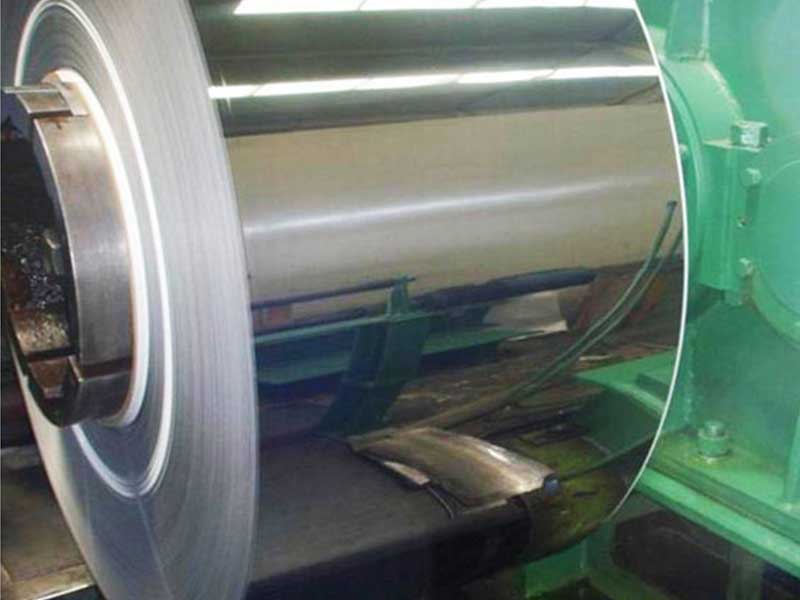

Aluminum coil 1050 1060 1100 3003 Mirror Finish
Mirror-finish aluminum coil is designed for customers who need high reflectivity, clean aesthetics, and dependable formability in a lightweight metal. Grades 1050, 1060, 1100, and 3003 are among the most widely selected alloys for mirror-polished coil because they combine stable surface quality with practical processing performance. From architectural trims and decorative panels to lighting reflectors and appliance skins, these alloys offer a polished look while remaining easy to fabricate at scale.
What "Mirror Finish" Means for Aluminum Coil
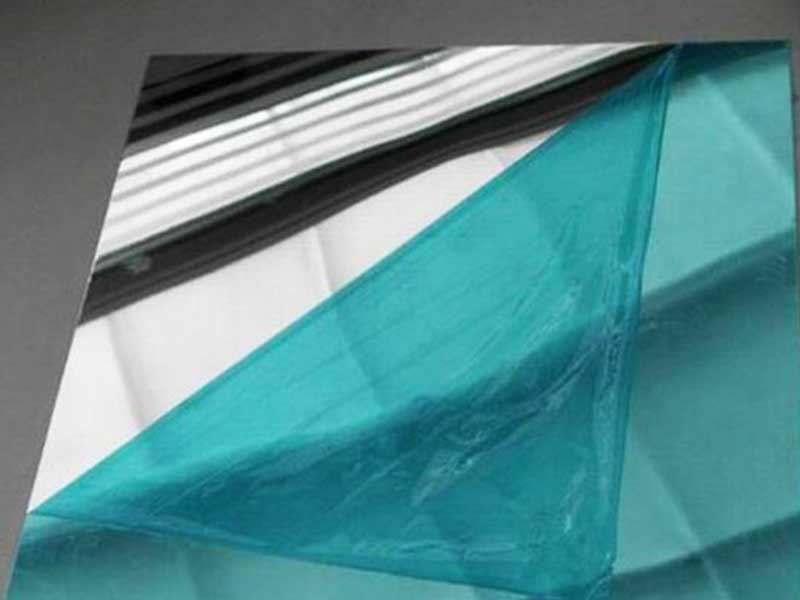
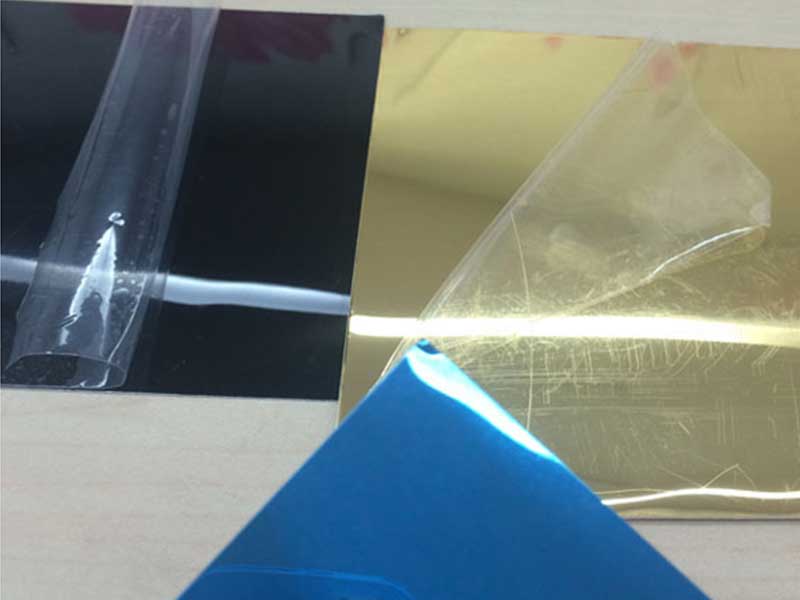
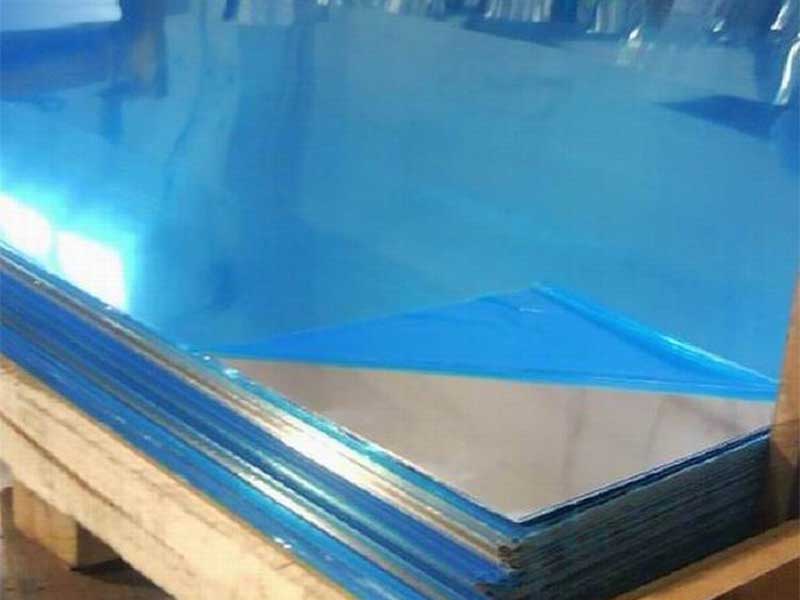
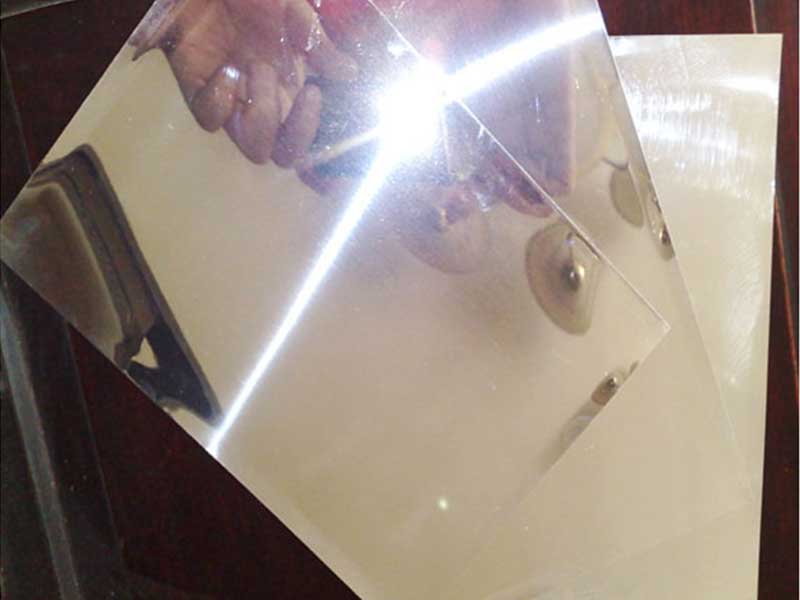
A mirror finish refers to an aluminum surface that has been mechanically polished and/or chemically brightened to achieve high specular reflectance, producing a clear, glossy reflection. In coil form, mirror finish is typically supplied with a protective film to maintain surface integrity during cutting, stamping, roll forming, or lamination.
Common visual targets include bright, distortion-controlled reflection and low haze, with surface consistency across the coil length.
These alloys fall into two families:
- 1xxx series (1050 / 1060 / 1100): very high aluminum content, excellent brightness potential, best electrical/thermal conductivity, very good formability
- 3xxx series (3003): Al-Mn alloy, improved strength and dent resistance compared to 1xxx, still good formability and corrosion resistance
Selection Snapshot
| Alloy | Alloy Family | Advantage in Mirror Coil | Typical Customer Priority |
|---|---|---|---|
| 1050 | 1xxx (≈99.5% Al) | High brightness potential, cost-effective | Decorative trims, general reflective parts |
| 1060 | 1xxx (≈99.6% Al) | Higher purity than 1050; excellent reflectivity | Lighting reflectors, premium visual parts |
| 1100 | 1xxx (commercially pure) | Very stable forming, widely used for anodizing | Deep drawing, appliance skins, nameplates |
| 3003 | 3xxx (Al-Mn) | Better strength and anti-dent performance | Panels, cladding details, housings |
Typical Chemical Composition (Reference)
Actual composition is governed by the relevant standard (ASTM, EN, JIS, GB, etc.). The table below reflects typical ranges used in industry for quick comparison.
| Alloy | Al (min, %) | Si (%) | Fe (%) | Cu (%) | Mn (%) | Mg (%) | Zn (%) | Others (each/total, %) |
|---|---|---|---|---|---|---|---|---|
| 1050 | 99.50 | ≤0.25 | ≤0.40 | ≤0.05 | ≤0.05 | ≤0.05 | ≤0.05 | ≤0.03 / ≤0.05 |
| 1060 | 99.60 | ≤0.25 | ≤0.35 | ≤0.05 | ≤0.03 | ≤0.03 | ≤0.05 | ≤0.03 / ≤0.05 |
| 1100 | 99.00 | ≤0.95 (Si+Fe) | ≤0.95 (Si+Fe) | 0.05–0.20 | ≤0.05 | - | ≤0.10 | ≤0.05 / ≤0.15 |
| 3003 | Remainder | ≤0.60 | ≤0.70 | 0.05–0.20 | 1.0–1.5 | - | ≤0.10 | ≤0.05 / ≤0.15 |
Note: Dashes indicate "not intentionally added" in common specifications.
Features of Mirror-Finish Coil
High reflectivity with a premium look
Mirror-finish coil delivers a crisp, modern appearance for visible components such as trims, ceiling features, signage accents, and display fixtures. When paired with clean fabrication practices and protective film, the surface can remain showroom-ready through production.
Lightweight and easy to form
All four alloys are known for excellent formability, especially in O (annealed) temper. This supports bending, roll forming, beading, and moderate stamping operations, making mirror coil practical for both decorative and functional shells.
Corrosion resistance for indoor and many outdoor uses
Aluminum naturally forms a protective oxide layer. In most indoor environments, mirror coil performs reliably without additional coating. For outdoor or aggressive environments, customers often choose anodizing, clear coating, or laminated protection depending on life requirements.
Options for strength and dent resistance
If the part needs better rigidity or handling durability, 3003 is often selected. It provides noticeably higher strength than 1050/1060/1100 while maintaining good processing performance.
Common Technical Specifications (Supply Capability)
Specifications vary by mill and finishing line; the table below reflects typical ordering ranges for mirror-finish coils.
| Parameter | Typical Range / Option |
|---|---|
| Alloy | 1050 / 1060 / 1100 / 3003 |
| Temper | O, H12, H14, H16, H18 (availability depends on finish route) |
| Thickness | 0.20–3.00 mm (common), other ranges upon request |
| Width | 200–1600 mm (common); slitting available |
| Inner Diameter (ID) | 150 / 300 / 505 mm (common) |
| Surface Finish | Mirror polished (single side or double side options) |
| Protection | PE/PVC protective film; paper interleaf optional |
| Edge | Mill edge or slit edge |
| Flatness control | Standard or improved flatness by agreement |
| Processing | Slitting, cut-to-length, leveling (as applicable) |
Mechanical Property Guidance (Typical)
Mechanical properties depend strongly on temper and thickness. Use the table below as general guidance for comparing alloys and tempers during early-stage selection.
| Alloy | Typical Temper | Tensile Strength (MPa) | Yield Strength (MPa) | Elongation (%) | Notes |
|---|---|---|---|---|---|
| 1050 | O | 60–90 | 20–35 | 25–35 | Best for deep forming and bright appearance |
| 1060 | O | 60–95 | 20–35 | 25–35 | Similar to 1050; often chosen for reflectors |
| 1100 | O | 70–110 | 25–40 | 20–35 | Very stable forming; good for anodizing |
| 3003 | O | 95–130 | 35–55 | 20–30 | Higher strength; better dent resistance |
| 3003 | H14 | 140–180 | 115–160 | 3–10 | Used where stiffness matters more than deep draw |
Note: Confirm the required standard (ASTM B209, EN 485, JIS H4000, etc.) for guaranteed values.
Where Mirror-Finish Aluminum Coil Performs Best
Architectural and interior decoration
Mirror aluminum is used to create high-impact highlights without heavy materials. Typical parts include decorative strips, ceiling panels, column wraps, elevator details, and edge trims. For installations that see frequent handling, 3003 helps reduce visible denting.
Lighting reflectors and luminaires
The 1xxx alloys, especially 1060 and 1100, are widely used for reflector cups, lamp shades, and LED fixture reflectors due to their reflectivity potential and consistent forming. Mirror coil can be stamped or spun into shapes, then optionally coated or anodized for durability.
Appliances and consumer product skins
Refrigerator trims, small appliance panels, and decorative facias often use 1100 or 1050 for a clean finish and easy forming. Protective film is especially valuable here to prevent micro-scratches during assembly.
Signage, displays, and point-of-sale fixtures
Mirror aluminum gives an "attention-grabbing" look in store environments. It is commonly cut, routed, and folded into frames, borders, and display elements. Choosing O temper reduces cracking risks on sharp bends.
Transportation and industrial housings
For non-structural covers, nameplates, interior trim pieces, and cosmetic panels, mirror coil provides a premium appearance with low mass. When parts must resist handling marks, 3003 is often preferred.
Processing Notes for Best Surface Results
| Process Step | Practical Recommendation |
|---|---|
| Cutting / slitting | Use clean tooling and controlled tension to avoid edge marks and chatter lines |
| Forming | Prefer larger bend radii for harder tempers; O temper for tight bends |
| Protective film | Keep film on through fabrication; remove at final inspection/pack |
| Cleaning | Use non-abrasive cloths and approved cleaners; avoid alkaline attack |
| Joining | Consider mechanical fastening or adhesive bonding; welding can disturb mirror surface locally |
| Anodizing / coating | Discuss final reflectivity target; some coatings increase durability but alter optical tone |
Quick Buying Guide (What to Specify on Your RFQ)
| Item to Specify | Examples |
|---|---|
| Alloy & temper | 1060-O for reflectors; 3003-H14 for stiffer panels |
| Thickness & width | 0.5 mm × 1250 mm; slit to 300 mm strips |
| Mirror side | Single-side mirror with back-side mill finish; double-side mirror if needed |
| Film type | Blue PE film, laser film, or PVC; specify adhesive strength level |
| Surface requirement | Reflectivity/haze target if critical; acceptable minor wave or oil pattern limits |
| Application | Reflector, trim, panel, appliance skin-helps match finish route and temper |
Aluminum coil 1050 / 1060 / 1100 / 3003 mirror finish combines eye-catching reflectivity with practical fabrication performance. Choose 1xxx alloys when maximum brightness, conductivity, and smooth forming are priorities, and choose 3003 when you want improved strength and better resistance to dents during handling and service. With the right temper, protective film, and finishing route, mirror-finish coil becomes a fast, scalable way to deliver premium-looking parts across architecture, lighting, appliances, and display industries.
https://www.al-alloy.com/a/aluminum-coil-1050-1060-1100-3003-mirror-finish.html