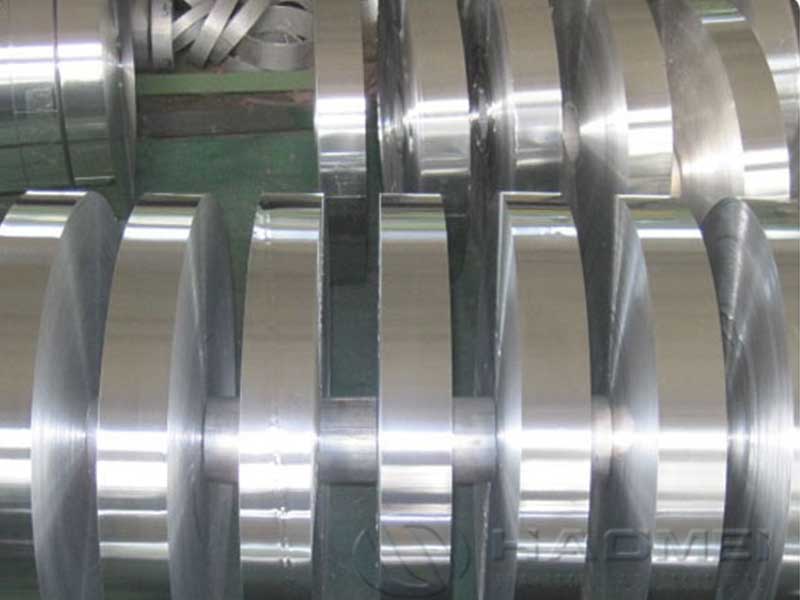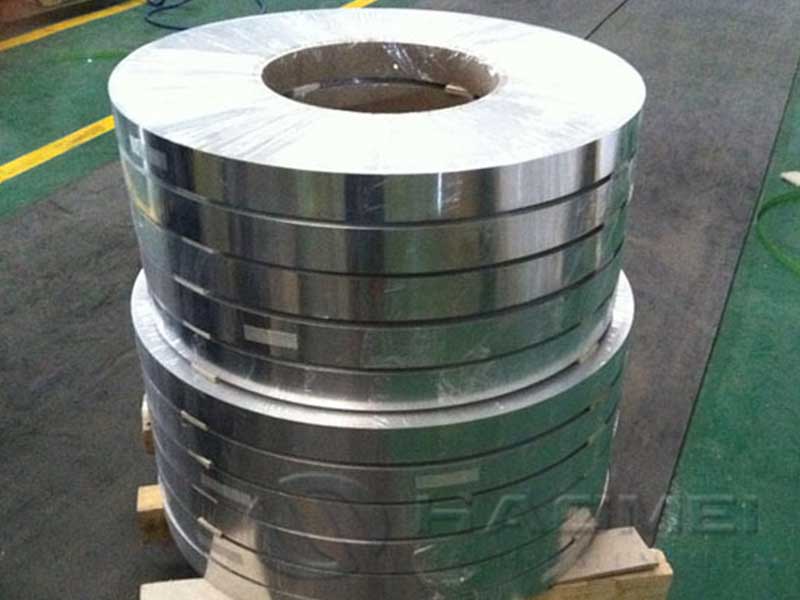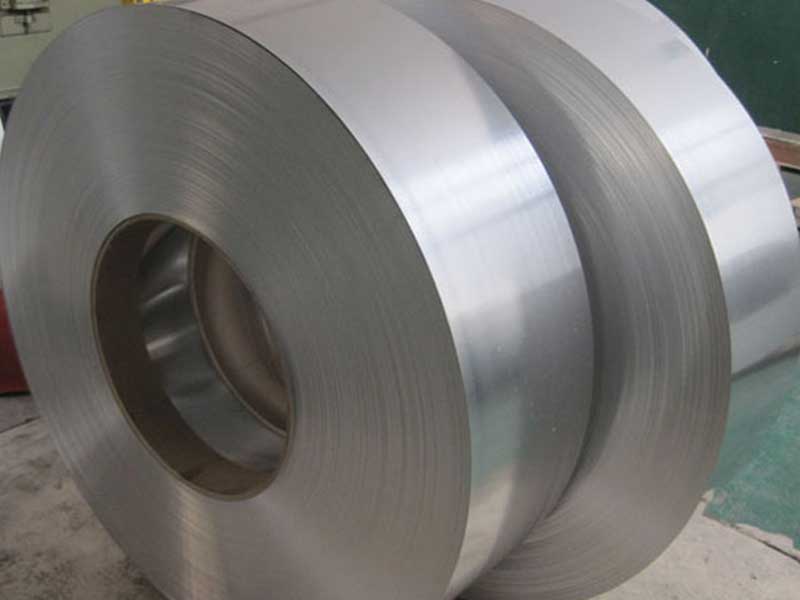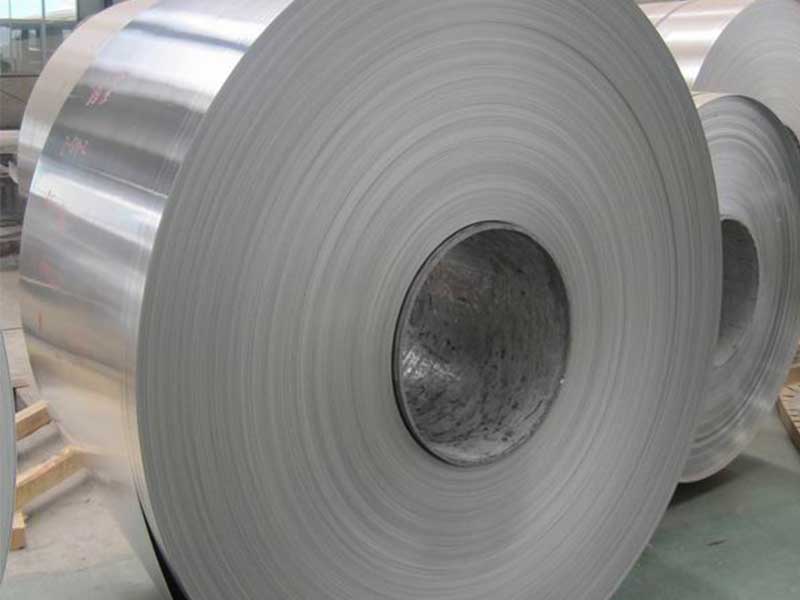

70mm Width Aluminum Strip For Advertising
In advertising, the loudest message is not always the one with the brightest ink. Often, the most persuasive "voice" is structural: the way a sign holds its posture through heat, wind, rain, vibration, and constant public contact. From that perspective, a 70mm width aluminum strip is less a commodity and more a quiet engineering choice that keeps branding crisp in the real world. This particular width has become a practical sweet spot-wide enough to behave like a stable beam in frames and trims, narrow enough to bend, transport, and assemble without wasteful excess. When used thoughtfully, it becomes the backbone of illuminated letters, poster holders, lightbox borders, exhibition systems, and the clean edge lines that make a storefront look intentionally designed rather than improvised.
Why 70mm is an advertising "geometry"
Advertising hardware lives in awkward physics. Panels want to flex, corners want to open, adhesives want to creep, and thermal expansion never stops negotiating with fasteners. A 70mm strip sits in a useful middle ground for many sign builds because it offers a meaningful section width for stiffness while still remaining compatible with common bending radii and roll-forming setups. In practical terms, it is often chosen for perimeter rails, decorative cover trims, snap frames, edge reinforcements, and internal stiffeners where a designer wants a crisp outline and predictable alignment.
This width also maps well to visual proportion. In storefront fascia details, 70mm reads as a deliberate border rather than a thin afterthought. On lightboxes and poster frames, it provides enough face area for brushed or anodized finishes to "perform" aesthetically-reflecting light evenly without looking bulky.
Performance features that matter in the field
A sign component's true specification is written by weather and installers, not marketing brochures. The features of a 70mm aluminum strip for advertising usually revolve around strength-to-weight, finish stability, forming behavior, and corrosion resistance.
Aluminum's low density keeps large sign assemblies manageable. Installers appreciate being able to carry long lengths, handle overhead mounting, and reduce load on façade anchors. Yet stiffness still matters, especially on large-format panels that act like sails in wind. Selecting the correct alloy and temper is what turns a 70mm strip from "just metal" into a reliable structural line.
Formability is another core feature. Advertising fabrication often demands bending for corners, forming returns for channel letters, or roll-forming into snap profiles. A strip that cracks at the bend line, or that "orange peels" during forming, wastes time and material. The alloy-temper combination determines whether the strip behaves like a cooperative craft material or a stubborn spring.
Finally, surface finish is not cosmetic alone. Anodizing improves corrosion resistance and hardness; paint systems like PVDF or polyester powder add UV durability and color consistency; mill finish may be acceptable for concealed stiffeners but can show fingerprints and oxidation when exposed.
Alloy and temper choices: the hidden design decision
The most distinctive way to understand a 70mm advertising strip is to treat it like a "mechanical font." You are choosing not only what it looks like, but how it holds its shape under stress and time. Below are common alloy families and why fabricators choose them.
1050/1060 (1xxx series, high purity aluminum) are selected when deep bending and excellent workability are needed, such as for trims with tight radii or decorative folds. They are softer and less strong, so they fit best where loads are light or where the strip is supported by other members.
3003 (3xxx series Al-Mn) is widely used for sign trims and general sheet-metal advertising hardware because it balances formability and moderate strength. It is forgiving in bending and resists corrosion well in typical urban environments.
5052 (5xxx series Al-Mg) moves the strip into a more structural role. It offers higher strength and better fatigue resistance, making it suitable for frames, brackets, and components that see repeated vibration or handling. It forms well, though tight bends require attention to temper and inside radius.
6063/6061 (6xxx series Al-Mg-Si) appear frequently in extrusions, but strip forms exist as well. These alloys are chosen when a stiffer, more load-bearing behavior is needed. They are not as bend-friendly in harder tempers but can provide strong, stable parts where precision matters.
Temper selection is the second half of the story. For advertising fabrication, common tempers include O (annealed, maximum formability), H14/H24 (strain-hardened, good balance), and H32 in 5xxx alloys for higher strength. If your strip must hold a straight line across long spans or serve as a snap frame face, a harder temper helps it resist denting and distortion. If your strip must wrap around corners or be hemmed tightly, softer temper prevents cracking.
Technical specifications that influence installation quality
A 70mm width is only one dimension. The real-world behavior depends heavily on thickness, tolerances, and surface requirements.
Thickness for advertising strips commonly falls in the range of 0.6–2.0 mm, depending on whether the strip is cosmetic trim or structural reinforcement. Thin gauges are used for cover trims and edge caps; thicker gauges suit perimeter frames, stiffeners, and load-bearing sign elements.
Dimensional tolerances should be controlled to reduce assembly frustration. In many supply chains, strips follow common aluminum flat-rolled standards such as ASTM B209 (Aluminum and Aluminum-Alloy Sheet and Plate) or equivalent EN/JIS standards depending on region and buyer requirements. For surface finish and anodizing quality, AA-M10/M20 style finish expectations or customer-defined visual standards are often used in practice, along with anodizing standards such as ISO 7599 for sulfuric anodizing or AAMA 611 for architectural anodized aluminum where applicable. For painted finishes in outdoor advertising, powder coating quality may be aligned with AAMA 2603/2604/2605 depending on durability targets.
Flatness and edge condition matter more than they seem. A strip with inconsistent flatness will telegraph waves into a lightbox border. Rough edges can cut protective films, scratch printed graphics, and create safety issues during installation. Deburred edges or rounded corners are small upgrades that pay back every day on the production floor.
Surface treatments as "brand insurance"
Advertising is judged by how it looks after months outside, not on day one. A 70mm aluminum strip becomes long-term brand insurance when paired with the right finish.
Anodized finishes deliver a metallic, premium look with good wear resistance. Clear anodizing preserves a natural aluminum aesthetic; black anodizing is common for modern poster frames and exhibition systems. Painted finishes, especially polyester powder for general outdoor use and PVDF coatings for higher UV and color retention needs, allow matching to corporate brand palettes.
If the strip will be bonded with tapes or structural adhesives, surface preparation becomes critical. Many adhesive systems prefer lightly abraded, cleaned surfaces; anodized or coated surfaces can change adhesion behavior and may require primer systems. Advertising builds often combine mechanical fastening and bonding, so discussing the joining method early prevents costly field failures like edge lift or rattling.
Where 70mm strips show up: applications that benefit from the width
In lightbox frames and LED sign cabinets, 70mm strips often act as perimeter borders, cover trims, or internal stiffeners. The width provides a stable face area that hides fasteners and wiring channels while maintaining a clean, modern edge.
In poster snap frames and display systems, the strip becomes a functional interface. It needs enough width to house spring clips or snap geometries, yet remain slim and elegant on a wall. A consistent temper helps the snapping action remain repeatable without permanent deformation.
In channel letters and logo outlines, 70mm can be used as a return material or reinforcement strip, especially where large letters require additional rigidity to keep the face flat and prevent "oil-canning" under sun heat.
For exhibition booths and retail fixtures, the strip is frequently chosen as a modular component: a repeatable, cut-to-length line that works across multiple builds. It supports fast assembly, cleaner joints, and easy replacement when a campaign changes.
Chemical composition table (typical ranges)
Below is a reference table of common alloys used for advertising aluminum strips. Actual composition depends on the mill and standard; purchasers should confirm against the governing specification and mill test certificate.
| Alloy | Si (%) | Fe (%) | Cu (%) | Mn (%) | Mg (%) | Cr (%) | Zn (%) | Ti (%) | Al (%) |
|---|---|---|---|---|---|---|---|---|---|
| 1050 | 0.25 max | 0.40 max | 0.05 max | 0.05 max | 0.05 max | - | 0.05 max | 0.03 max | ≥ 99.5 |
| 1060 | 0.25 max | 0.35 max | 0.05 max | 0.03 max | 0.03 max | - | 0.05 max | 0.03 max | ≥ 99.6 |
| 3003 | 0.60 max | 0.70 max | 0.05–0.20 | 1.00–1.50 | - | - | 0.10 max | - | Balance |
| 5052 | 0.25 max | 0.40 max | 0.10 max | 0.10 max | 2.20–2.80 | 0.15–0.35 | 0.10 max | - | Balance |
| 6061 | 0.40–0.80 | 0.70 max | 0.15–0.40 | 0.15 max | 0.80–1.20 | 0.04–0.35 | 0.25 max | 0.15 max | Balance |
| 6063 | 0.20–0.60 | 0.35 max | 0.10 max | 0.10 max | 0.45–0.90 | 0.10 max | 0.10 max | 0.10 max | Balance |
A practical closing thought
https://www.al-alloy.com/a/70mm-width-aluminum-strip-for-advertising.html