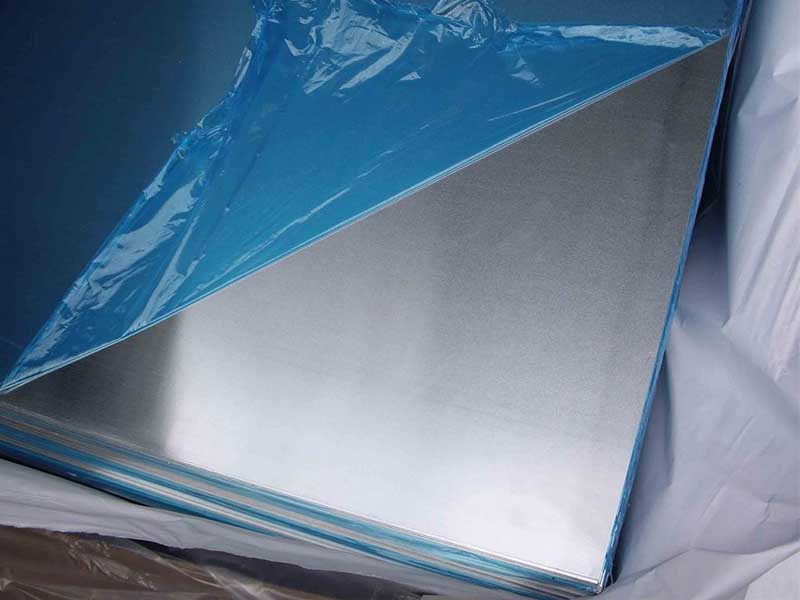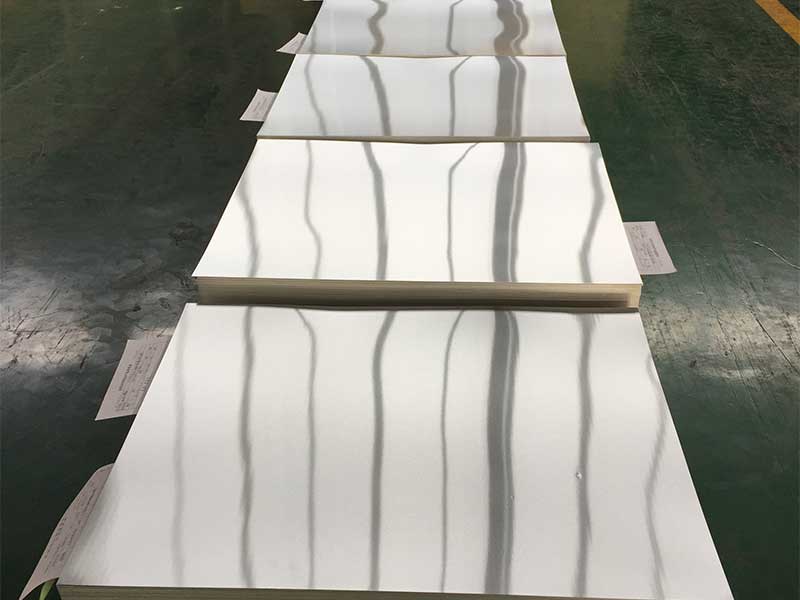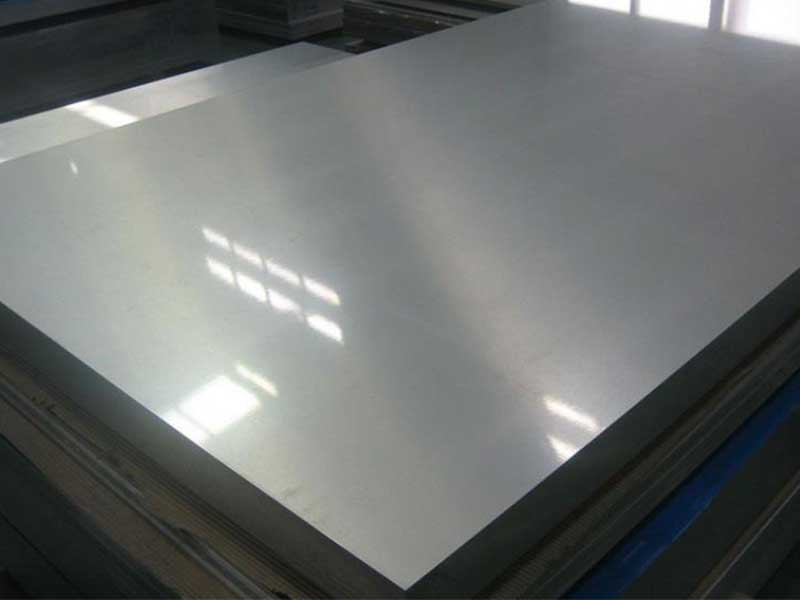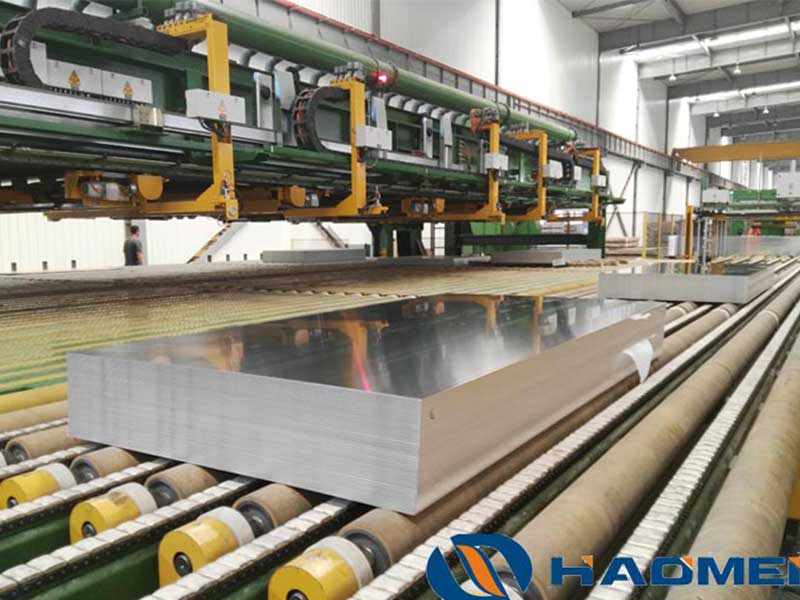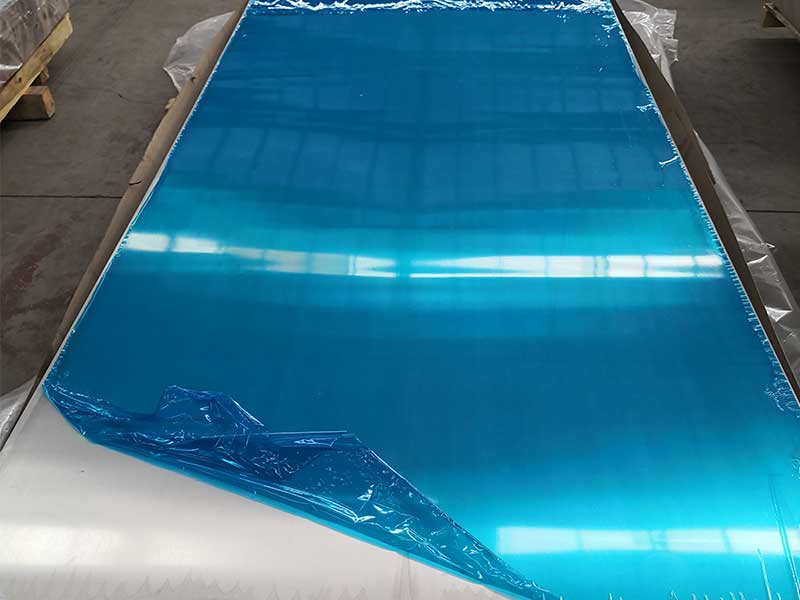

Aluminum for aluminum busbar
Aluminum busbar material is engineered to deliver high electrical conductivity, low weight, strong corrosion resistance, and stable mechanical performance in power distribution systems. Compared with copper, aluminum offers a compelling value proposition: significant weight and cost reduction while still meeting demanding current-carrying and thermal cycling requirements-especially in switchgear, transformers, renewable energy systems, and industrial power networks.
Why Aluminum Is a Strong Busbar Material
Busbars are not just "conductors." They are structural electrical components that must withstand:
- Continuous current and peak overloads
- Thermal cycling (expansion/contraction, joint relaxation risk)
- Short-circuit mechanical forces
- Corrosive atmospheres (humidity, industrial pollutants)
- Contact-interface stability (oxidation and joint resistance)
Aluminum performs well across these constraints due to its high conductivity-to-weight ratio, excellent extrudability/rollability, and broad availability in electrical-grade alloys.
Features and Customer Benefits
| Feature | What It Means in Practice | Customer Benefit |
|---|---|---|
| Low density (~2.7 g/cm³) | ~1/3 the weight of copper | Easier handling, lower structural load, reduced shipping cost |
| Good electrical conductivity | Typical electrical-grade alloys offer ~52–62% IACS | Competitive current capacity with proper sizing |
| Strong corrosion resistance | Stable oxide film protects base metal | Long service life in indoor/outdoor enclosures |
| High thermal conductivity | Efficient heat spreading | Lower hot-spot risk, improved temperature uniformity |
| Excellent manufacturability | Rolling, extrusion, punching, bending | Cost-effective fabrication and fast lead times |
| Recyclability | Aluminum is highly recyclable | Sustainability and lifecycle cost advantages |
Recommended Aluminum Alloys for Busbars
Electrical busbars typically use high-purity aluminum or Al-Mg-Si alloys when higher strength is needed.
Common Alloy Choices (Typical)
| Alloy / Grade | Typical Temper | Why It's Used | Notes |
|---|---|---|---|
| 1050 / 1350 | O / H12 / H14 | High conductivity | Widely used in electrical busbars |
| 1060 | O / H14 | Balanced conductivity and forming | Often used for general busbar strip |
| 6101 | T61 / T63 | Higher strength with good conductivity | Popular for extruded busbars |
| 6063 | T5 / T6 | Excellent extrusion quality, decent conductivity | Common in busbar profiles, trunking |
Selection tip: If the design is conductivity-limited, use 1050/1350/1060. If it is mechanically-limited (span, vibration, short-circuit stress), consider 6101/6063 with appropriate section design.
Typical Chemical Composition (Reference Ranges)
Below are typical composition ranges used in industry for busbar-grade materials. Actual limits depend on standards (ASTM/EN/GB) and supplier controls.
High-Purity Electrical Aluminum (Representative)
| Alloy | Al (min, %) | Si (max, %) | Fe (max, %) | Cu (max, %) | Mn (max, %) | Mg (max, %) | Zn (max, %) | Ti (max, %) |
|---|---|---|---|---|---|---|---|---|
| 1050 | 99.50 | 0.25 | 0.40 | 0.05 | 0.05 | 0.05 | 0.05 | 0.03 |
| 1060 | 99.60 | 0.25 | 0.35 | 0.05 | 0.03 | 0.03 | 0.05 | 0.03 |
| 1350 | 99.50 | 0.10 | 0.40 | 0.05 | 0.01 | 0.01 | 0.05 | 0.03 |
Al-Mg-Si Busbar Alloy (Representative)
| Alloy | Si (%) | Fe (%) | Cu (%) | Mn (%) | Mg (%) | Cr (%) | Zn (%) | Ti (%) | Al |
|---|---|---|---|---|---|---|---|---|---|
| 6101 | 0.30–0.70 | ≤0.50 | ≤0.10 | ≤0.03 | 0.35–0.80 | ≤0.03 | ≤0.10 | ≤0.03 | Balance |
| 6063 | 0.20–0.60 | ≤0.35 | ≤0.10 | ≤0.10 | 0.45–0.90 | ≤0.10 | ≤0.10 | ≤0.10 | Balance |
Technical Specifications (Typical Supply Capability)
Aluminum busbar material is commonly supplied as flat bar, strip/coil, or extruded profiles.
| Item | Typical Range | Notes |
|---|---|---|
| Form | Flat bar / strip / extrusion | Profile design can integrate ribs, slots, heat dissipation features |
| Thickness | 2–30 mm | Strip often 0.5–8 mm; flat bar typically 3–20 mm |
| Width | 10–200+ mm | Wider on request depending on mill capability |
| Length | Cut-to-length / coil | Cut-to-length for switchgear assembly convenience |
| Temper | O, H12, H14, T5, T6, T63 | Select based on bending, springback, strength |
| Surface finish | Mill finish / brushed / coated | Tin plating optional at joint areas to reduce contact resistance |
| Standards (typical) | ASTM / EN / IEC references | Final selection depends on project and region |
Performance Metrics for Busbar Design
Electrical and Thermal (Typical Values)
| Property | Aluminum (typical) | Design Relevance |
|---|---|---|
| Electrical conductivity | 52–62% IACS (by alloy/temper) | Determines cross-section sizing and loss |
| Resistivity (20°C) | ~0.0282 Ω·mm²/m (pure Al reference) | Used in voltage drop and heat calculations |
| Thermal conductivity | ~200–235 W/m·K (varies) | Heat spreading, hot-spot mitigation |
| Coefficient of thermal expansion | ~23 × 10⁻⁶ /K | Impacts joint design, bolt preload retention |
| Density | ~2.70 g/cm³ | Weight and structural load reduction |
Mechanical (Typical Ranges)
| Alloy | Temper | Tensile Strength (MPa) | Yield Strength (MPa) | Elongation (%) | Practical Meaning |
|---|---|---|---|---|---|
| 1050 | O | 60–90 | 20–35 | 25–35 | Excellent bending/forming |
| 1060 | H14 | 95–125 | 70–105 | 4–10 | Better rigidity for panels and supports |
| 6101 | T63 | 180–230 | 150–200 | 8–14 | Stronger for spans and short-circuit forces |
| 6063 | T6 | 190–240 | 160–210 | 6–12 | Excellent extruded profiles |
Note: Values are typical industry ranges. For procurement, specify minimum guaranteed properties and required test standards.
Applications and Use Cases
1) Switchgear and Panel Busbars (LV/MV)
Aluminum busbars are frequently used in distribution cabinets, MCCs, and switchboards. Benefits include lightweight assembly, easy punching/bending, and competitive thermal performance when properly sized.
Typical needs: stable joint resistance, insulation coordination, controlled temperature rise.
2) Transformer Connections and Tap Leads
Flat aluminum bars and flexible laminated conductors are used for transformer secondary connections and tap circuits.
Typical needs: good formability, low eddy-current losses (when designed properly), reliable bolted joints.
3) Renewable Energy and Energy Storage (PV, Wind, BESS)
Inverters, combiner boxes, DC distribution, and battery racks increasingly use aluminum to reduce system weight and cost.
Typical needs: corrosion control, predictable thermal rise, consistent conductivity.
4) Busway / Bus Duct Systems
Extruded aluminum profiles enable compact trunking with integrated features (channels, mounting surfaces).
Typical needs: dimensional precision, surface quality, high throughput manufacturing.
5) Industrial Power Distribution (Electrolysis, UPS, Drives)
High-current distribution often benefits from aluminum's thermal spreading and scalability.
Typical needs: short-circuit withstand, robust support spacing, joint engineering.
Engineering Considerations (What Customers Should Ask For)
| Topic | Recommendation | Why It Matters |
|---|---|---|
| Joint/contact design | Use proper contact pressure, clean surfaces, and suitable washers; consider tin-plated interfaces | Aluminum oxide increases contact resistance if unmanaged |
| Plating | Tin plating at contact pads is common | Reduces oxidation impact and stabilizes joint resistance |
| Temperature rise | Specify allowable ΔT per IEC/UL system requirements | Prevents insulation aging and joint degradation |
| Mechanical support | Verify short-circuit forces and support spacing | Prevents bar distortion and joint loosening |
| Surface protection | Consider anodizing/insulation coatings where needed | Improves corrosion resistance and dielectric safety |
| Alloy/temper selection | Match conductivity vs strength needs | Avoid overspending on strength or oversizing for conductivity |
Aluminum for busbars delivers a powerful combination of electrical performance, cost efficiency, and lightweight construction. With the right alloy selection (high-purity for conductivity, 6101/6063 for strength), and well-designed joints and supports, aluminum busbars provide reliable long-term service across switchgear, renewables, transformers, and industrial power systems.
https://www.al-alloy.com/a/aluminum-for-aluminum-busbar.html