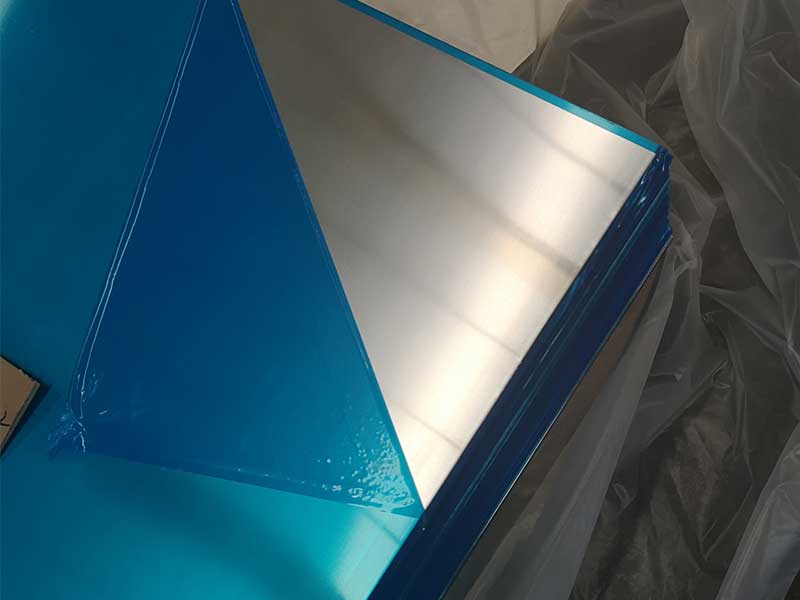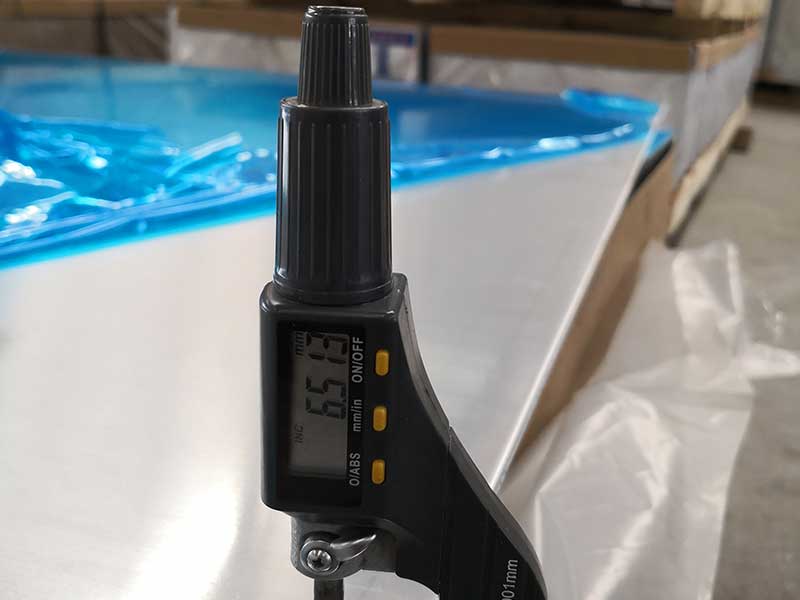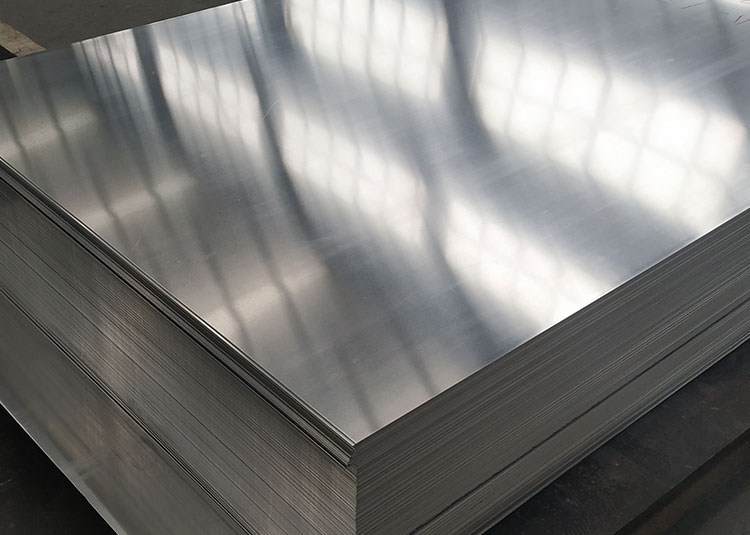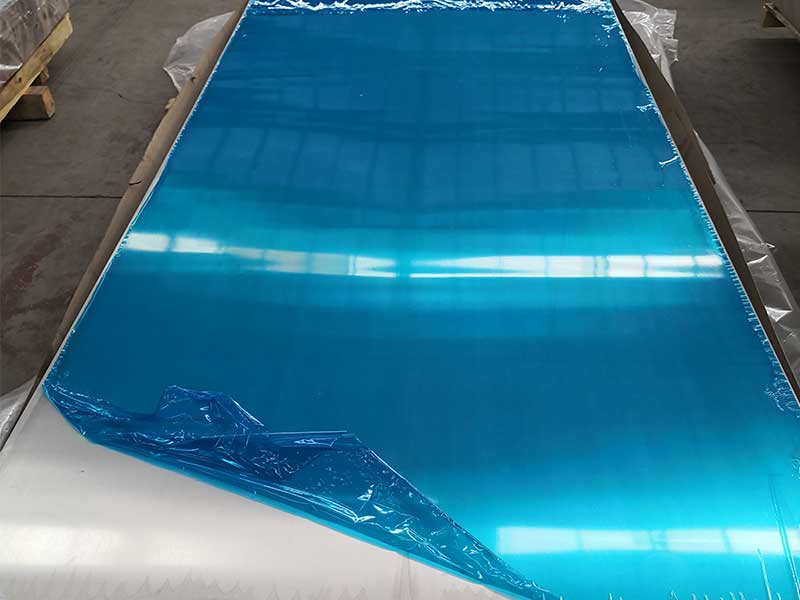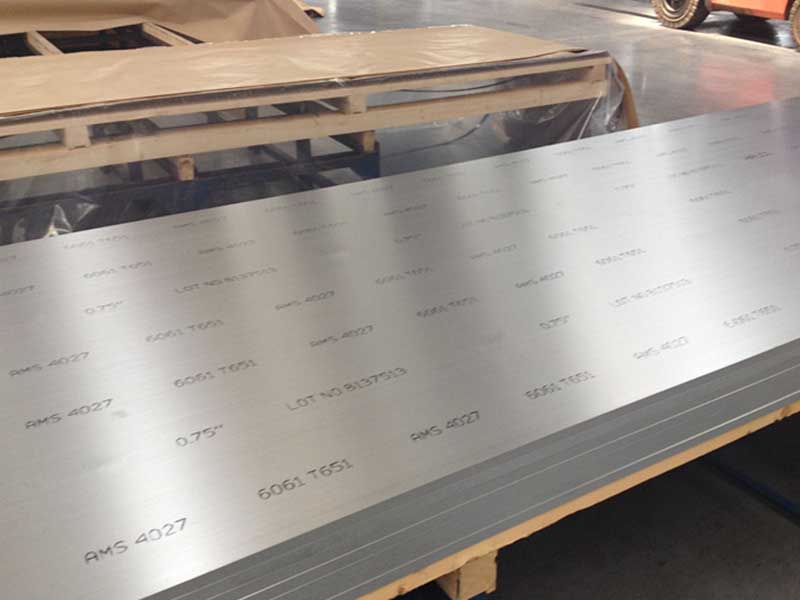

Aluminium plate with holes
Aluminium plate with holes is a lightweight, corrosion-resistant metal plate manufactured with a consistent pattern of perforations or custom-drilled openings. It combines the strength and machinability of aluminum plate with the functional benefits of through-holes-such as ventilation, drainage, weight reduction, filtration, acoustic control, and mounting compatibility.
From architectural screens to industrial machine guarding, aluminium perforated plates offer a clean appearance, long service life, and easy fabrication. With a wide range of alloys, tempers, thicknesses, and hole geometries available, the product can be tuned for both structural performance and visual design.
What It Is and How It's Made
Aluminium plate with holes is typically produced in two ways:
- Perforation (punching/pressing) for repeatable hole patterns and higher throughput
- CNC drilling/laser/waterjet cutting for custom layouts, slots, countersinks, and precision features
The base material is an aluminum plate (rolled), then holes are formed according to a specified hole diameter, pitch, open area, and pattern. Finishing options such as anodizing, powder coating, or brushing improve aesthetics and durability.
Features and Customer Benefits
| Feature | What It Means for You | Typical Value |
|---|---|---|
| Low density | Easier handling, reduced structural load | ~2.70 g/cm³ |
| Corrosion resistance | Long life in outdoor and humid environments | Excellent (varies by alloy/finish) |
| High strength-to-weight ratio | Strong panels without heavy steel weight | Best in 5xxx/6xxx/7xxx alloys |
| Functional airflow/drainage | Ventilation, dewatering, reduced pressure drop | Open area typically 10%–60% |
| Excellent workability | Easy cutting, forming, bending, welding (alloy dependent) | Very good for 5052/6061 |
| Attractive surface finish | Architectural-grade appearance | Mill, brushed, anodized, coated |
| Recyclable material | Lower lifecycle environmental footprint | High recyclability |
Common Applications
| Sector | Typical Use | Why Aluminium Plate with Holes Works |
|---|---|---|
| Architecture & interiors | Facade screens, ceiling panels, sunshades, balustrade infill | Lightweight, design flexibility, corrosion resistance |
| Industrial | Machine guards, ventilation covers, safety barriers | Durable, easy to fabricate, good airflow |
| HVAC & acoustics | Return air grilles, sound-attenuating panels | Tunable hole patterns and open area |
| Marine & transport | Deck drainage panels, step plates, vehicle cabinetry ventilation | Corrosion resistance, weight reduction |
| Food & chemical | Equipment covers, filtration plates (non-critical) | Cleanability, chemical compatibility (alloy-specific) |
| Electronics | Heat dissipation shields, cabinet panels | Airflow + EMI/thermal design flexibility |
Hole Patterns and Design Options
| Parameter | Options | Notes |
|---|---|---|
| Hole shape | Round, square, oblong/slot, hex, decorative | Round is most economical and common |
| Pattern | Straight line, staggered (60°), custom | Staggered often yields higher open area |
| Hole diameter | Small to large | Defined by tooling and thickness limits |
| Pitch | Center-to-center spacing | Controls open area and stiffness |
| Edge margins | Unperforated borders | Improves strength and mounting |
| Flatness control | Leveling after perforation | Important for panels and enclosures |
Design guidance: higher open area increases airflow and reduces weight, but it can reduce stiffness. For panels subject to vibration or spanning loads, choose thicker plate, reduce open area, add stiffeners, or keep solid margins.
Technical Specifications (Typical Supply Range)
| Item | Standard Range | Custom Availability |
|---|---|---|
| Plate thickness | 0.8–12.0 mm | Up to 25 mm (design-dependent) |
| Sheet/plate width | 500–1500 mm | Wider on request |
| Length | 1000–6000 mm | Cut-to-length available |
| Hole diameter | 1.0–30.0 mm | Smaller/larger by process |
| Pitch | 2.0–60.0 mm | Custom layouts supported |
| Open area | 10%–60% | Higher possible with special patterns |
| Tolerance (thickness) | per ASTM/EN plate tolerance | Tight tolerance by agreement |
| Tolerance (hole) | process-dependent | CNC offers highest precision |
| Surface finish | Mill, brushed, anodized, powder coated | PVDF/architectural coatings optional |
Recommended Alloys and Tempers
Different alloys are selected based on corrosion resistance, formability, weldability, and required strength. The table below reflects common choices for perforated plates.
| Alloy | Temper | Strength Level | Corrosion Resistance | Forming | Welding | Typical Use |
|---|---|---|---|---|---|---|
| 1050 / 1100 | O, H14 | Low | Excellent | Excellent | Excellent | Decorative panels, light-duty covers |
| 3003 | H14, H24 | Low–medium | Very good | Very good | Good | General-purpose perforated sheets |
| 5052 | H32 | Medium | Excellent | Good | Excellent | Marine, outdoor screens, guards |
| 5083 | H111 | Medium–high | Excellent | Fair | Excellent | Heavy-duty marine/industrial |
| 6061 | T6 / T651 | High | Good | Fair | Good | Structural panels, machined parts |
| 6063 | T5 | Medium | Good | Good | Good | Architectural components, anodized finishes |
Typical Chemical Composition (Reference)
Actual chemistry depends on supplier certification and standard (ASTM B209, EN 485, etc.). Values below are typical limits/targets for common alloys.
| Alloy | Al (balance) | Mg (%) | Si (%) | Mn (%) | Fe (%) | Cu (%) | Cr (%) | Zn (%) |
|---|---|---|---|---|---|---|---|---|
| 1050 | ≥99.5 | - | - | ≤0.05 | ≤0.40 | ≤0.05 | - | ≤0.05 |
| 3003 | Rem. | - | ≤0.60 | 1.0–1.5 | ≤0.70 | ≤0.20 | - | ≤0.10 |
| 5052 | Rem. | 2.2–2.8 | ≤0.25 | ≤0.10 | ≤0.40 | ≤0.10 | 0.15–0.35 | ≤0.10 |
| 5083 | Rem. | 4.0–4.9 | ≤0.40 | 0.4–1.0 | ≤0.40 | ≤0.10 | 0.05–0.25 | ≤0.25 |
| 6061 | Rem. | 0.8–1.2 | 0.4–0.8 | ≤0.15 | ≤0.70 | 0.15–0.40 | 0.04–0.35 | ≤0.25 |
Mechanical Properties (Typical Values)
Mechanical performance varies with temper, thickness, and degree of perforation. The values below are typical for solid plate material; perforation reduces net-section strength and stiffness.
| Alloy / Temper | Tensile Strength (MPa) | Yield Strength (MPa) | Elongation (%) | Notes |
|---|---|---|---|---|
| 1050-O | 60–95 | 20–35 | 25–35 | Excellent ductility |
| 3003-H14 | 130–170 | 110–140 | 4–10 | Good general-purpose option |
| 5052-H32 | 190–230 | 120–160 | 7–12 | Strong + corrosion resistant |
| 5083-H111 | 275–350 | 125–200 | 10–16 | Marine-grade durability |
| 6061-T6 | 290–340 | 240–290 | 8–12 | Structural, machinable |
Surface Finishes and Coatings
| Finish | Advantages | Typical Use |
|---|---|---|
| Mill finish | Cost-effective, fast delivery | Industrial covers, internal parts |
| Brushed | Premium appearance, hides minor marks | Interior panels, furniture |
| Anodized | Hard surface, improved corrosion resistance, color options | Architectural screens, signage |
| Powder coated | Wide color range, strong UV protection | Facades, outdoor enclosures |
| PVDF coating | High weatherability for exterior architecture | High-end building skins |
Quality and Ordering Notes (What to Specify)
| Specification Item | Why It Matters | Example |
|---|---|---|
| Alloy and temper | Determines strength, corrosion resistance, forming | 5052-H32 |
| Thickness and panel size | Controls stiffness and fit | 3.0 mm, 1000 × 2000 mm |
| Hole diameter + pitch | Drives open area and visual style | 6 mm holes @ 9 mm pitch |
| Pattern type | Affects appearance and strength | Staggered 60° |
| Edge margins | Needed for mounting and rigidity | 20 mm solid border |
| Flatness requirement | Important for screens and doors | Levelled, max bow agreed |
| Finish/coating | Exterior life and aesthetics | Black powder coat, matte |
Aluminium plate with holes is a versatile perforated aluminum sheet/plate product designed for airflow, drainage, weight reduction, and modern aesthetics. Available in popular alloys like 3003, 5052, and 6061 with round, slot, or decorative hole patterns, it is widely used for architectural screens, machine guards, ventilation panels, and enclosures. With customizable thickness, open area, and surface finishes such as anodized or powder coated, aluminium perforated plate delivers corrosion resistance, easy fabrication, and long-lasting performance for industrial and architectural projects.