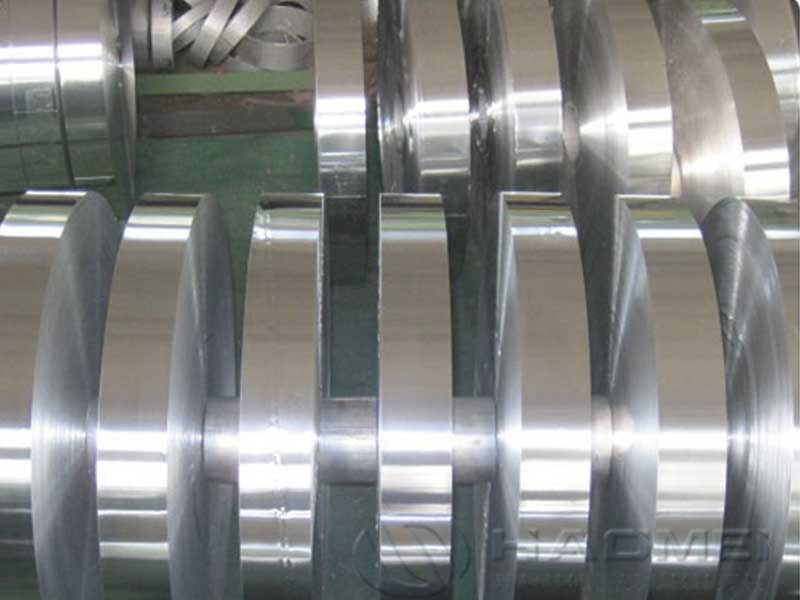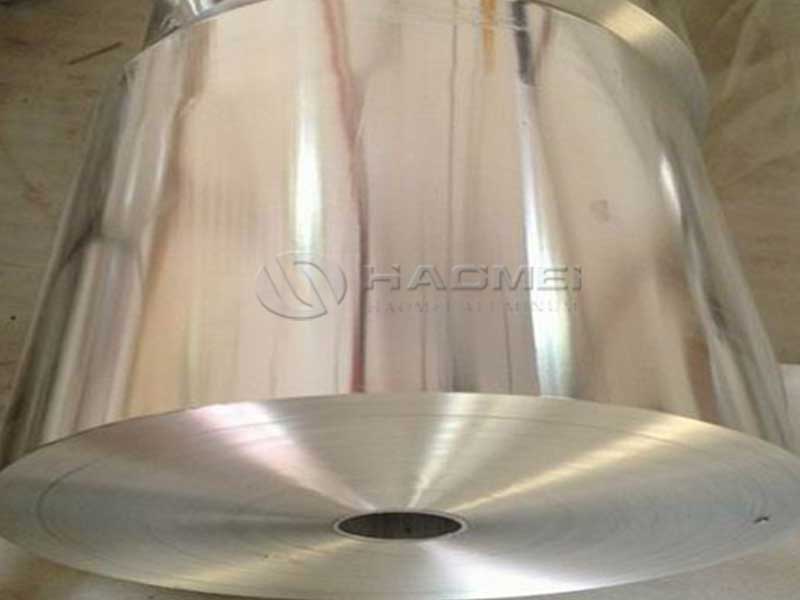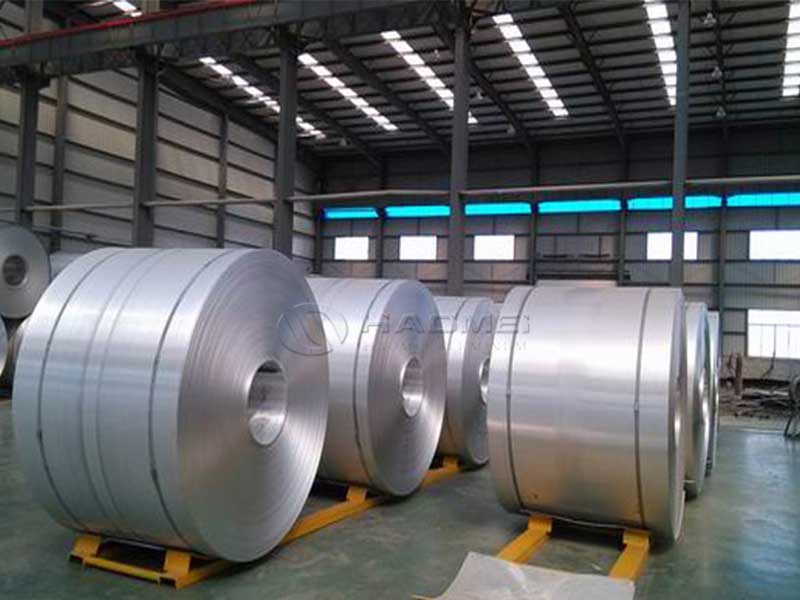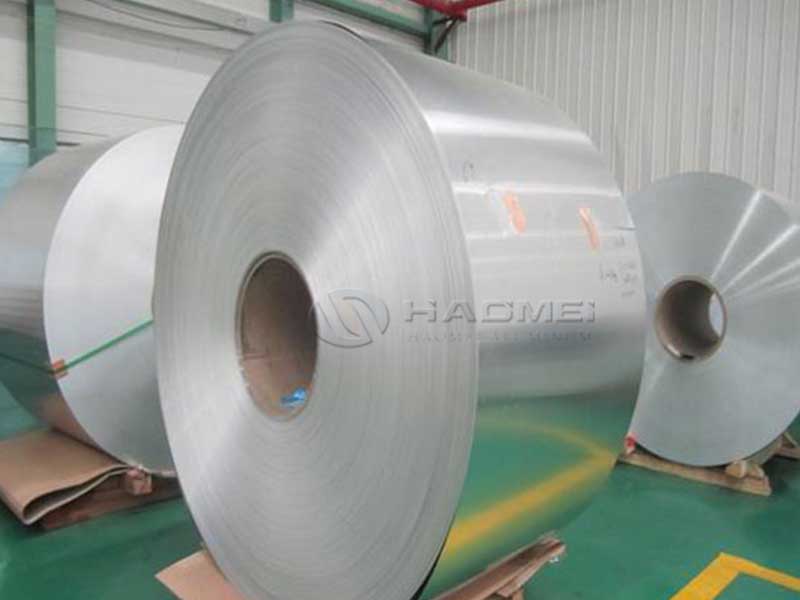

Aluminum foil A3003 H26 2mm Thickness Color Coated
Calling a 2mm product "foil" feels like a contradiction-until you look at how many industries use the word foil to mean "a continuous, coil-fed aluminum strip that behaves like foil in processing," even when the gauge has climbed into the sheet-like range. Aluminum A3003 H26 at 2mm, finished with a color-coated surface, sits exactly in that productive middle ground: thin enough to be formed, bent, and fed through high-throughput lines, yet thick enough to hold its shape, resist denting, and provide real structural confidence. Seen from a distinctive viewpoint, it is not simply a material choice; it is a design strategy-one that merges corrosion resistance, stable formability, and durable aesthetics into a single substrate that "already looks finished" when it arrives.
What makes A3003 different: a corrosion story told by manganese
A3003 is one of the most widely used Al-Mn alloys. Its character comes from a relatively small addition of manganese that shifts the alloy away from pure aluminum's softness without pushing it into the higher-strength, lower-formability territory of some heat-treatable grades. In practical terms, A3003 is often chosen when engineers want predictable forming performance and reliable corrosion resistance in everyday environments: rainwater, condensation, mild atmospheric pollutants, and typical indoor humidity cycles.
A representative chemical composition (typical limits) is shown below. Actual supplier certificates may vary slightly by standard and mill practice, so final procurement should specify the governing standard and verification requirements.
Typical Chemical Composition of Aluminum Alloy A3003 (wt.%)
| Element | Content (wt.%) |
|---|---|
| Si | ≤ 0.60 |
| Fe | ≤ 0.70 |
| Cu | 0.05–0.20 |
| Mn | 1.00–1.50 |
| Zn | ≤ 0.10 |
| Others (each) | ≤ 0.05 |
| Others (total) | ≤ 0.15 |
| Al | Balance |
Manganese helps by forming finely distributed phases and strengthening the matrix while maintaining a forgiving forming window. That matters because color coating is usually the "last mile" of value: you want a substrate that stays stable through roll forming, bending, hemming, beading, and light drawing without telegraphing defects through the coating.
H26 temper: the quiet engineering behind "stays straight, still forms"
Temper is where A3003 becomes a tailored tool. H26 is a strain-hardened and partially annealed condition. In everyday manufacturing language, it's a compromise temper: stronger and more dent-resistant than softer tempers, yet still workable for forming operations typical of architectural trim, enclosure panels, and protective cladding.
While exact mechanical properties depend on mill, thickness, and specification, H26 generally sits in a band that delivers noticeably higher yield strength than fully annealed stock. That strength becomes very practical at 2mm: panels remain flatter, edges remain crisper after bending, and large surfaces resist "oil canning" better than softer material.
At the same time, H26 is not a brittle temper. It tends to keep enough elongation to support controlled forming without catastrophic cracking, especially when the bend radius is chosen with the coating system in mind. This is the key: with color-coated metal, the coating is part of the mechanical system. If you over-tighten a bend radius, you don't just risk the substrate cracking-you may microcrack the paint film, creating an invitation for corrosion at the bend line.
A practical fabrication mindset for 2mm A3003 H26 color-coated stock is to treat bend geometry as a durability feature, not merely a shape requirement. Generous inside radii, well-prepared tooling, and protective films during forming often deliver a "factory-new" appearance even after complex fabrication.
2mm thickness: where appearance meets real-world robustness
At 2mm, A3003 H26 stops being purely decorative and starts acting like a light structural skin. This thickness holds screws and rivets more confidently, tolerates handling damage better, and provides a steadier platform for coatings. It also adds thermal mass and stiffness, useful for applications that face temperature swings or vibration.
From a heat-transfer viewpoint, A3003 remains a good conductor compared with steels and many coated composites. Even with a painted surface, the aluminum substrate can help spread localized heat, which is valuable in equipment housings and panels where hotspots or condensation points need to be controlled.
The color-coated layer: not just paint, but a functional interface
Color coating is often treated as an aesthetic decision, but in a performance sense it is a controlled barrier system. Depending on the service environment and cost target, coatings may include polyester (PE), silicon-modified polyester (SMP), polyvinylidene fluoride (PVDF), or polyurethane-based systems. Each has a different personality: PE is cost-efficient for interior and moderate environments; PVDF is famous for long-term color retention and UV durability; SMP balances hardness and weathering; PU systems can bring scratch resistance and chemical durability.
Whatever the topcoat, the system usually includes pretreatment and primer layers that bond to aluminum and resist underfilm corrosion. For aluminum, pretreatment quality is pivotal. It is the unseen foundation that decides whether a cut edge stays clean for years or becomes the first place corrosion creeps in.
In specification terms, buyers commonly control:
Coating thickness and type, including primer and topcoat targets
Gloss, color tolerance, and texture requirements
Adhesion performance (often tested via cross-hatch and bend tests)
Flexibility appropriate to forming operations
Corrosion and weathering performance criteria tied to the end-use
The distinctive advantage of color-coated A3003 at 2mm is that the coating is not merely decorative-it turns aluminum's naturally corrosion-resistant behavior into a more controlled, uniform, and brand-consistent surface. It reduces fingerprinting, improves cleanability, and allows manufacturers to ship products that look finished without secondary painting.
Implementation standards and procurement realities
For the substrate, A3003 sheet/strip is commonly supplied under standards such as ASTM B209 or EN 485 (regional equivalents may apply). For painted aluminum coil or sheet, coil coating standards and test methods are often referenced, including requirements for film thickness, adhesion, impact resistance, and humidity or salt spray performance.
In procurement language, it is wise to specify more than "A3003 H26 2mm color coated." The most successful specifications also define:
Coil direction relative to forming (when critical)
Coating system type and minimum dry film thickness
Protective film requirement for transport and fabrication
Acceptable surface class, color tolerance, and repair policy for minor defects
Edge condition, flatness tolerance, and permissible waviness
Cut-edge protection strategy if the environment is aggressive
Applications: where this material quietly wins
A3003 H26 2mm color-coated aluminum shines in products that must look intentional and stay that way through handling, installation, and years of service.
Architectural trims, fascias, soffit components, and exterior cladding elements benefit from A3003's corrosion resistance and the coating's UV stability, especially when PVDF or high-performance SMP systems are used. The 2mm thickness brings flatness and impact robustness that thinner coil stock can struggle to maintain on large spans.
Equipment enclosures, HVAC casings, appliance panels, and cleanable interior skins gain from the combination of stiffness, moderate formability, and a surface that resists staining and simplifies maintenance. For manufacturers, color-coated stock can eliminate post-fabrication painting, reducing VOC handling and improving throughput.
Transportation and marine-adjacent components that face condensation, mild salt exposure, and frequent cleaning can benefit as well-provided cut edges and fastener interfaces are thoughtfully sealed or isolated. A3003 is not a marine-optimized alloy in the way some Mg-rich grades are, but with a robust coating system and good detailing, it performs reliably in many coastal-influenced applications.
Signage backers, decorative panels, and branded architectural features also make excellent use of this material because it provides a controlled, repeatable color surface with the mechanical integrity to stay planar and premium-looking.
Closing viewpoint: a finished surface that still behaves like metal
The most useful way to understand "aluminum foil A3003 H26 2mm thickness color coated" is to see it as a pre-finished engineering surface. It arrives with color, corrosion defense, and a stable temper already built in-ready for fabrication, ready for visibility. When chosen well, it reduces steps, reduces variability, and turns manufacturing into assembly rather than repainting and rework.
https://www.al-alloy.com/a/aluminum-foil-a3003-h26-2mm-thickness-color-coated.html