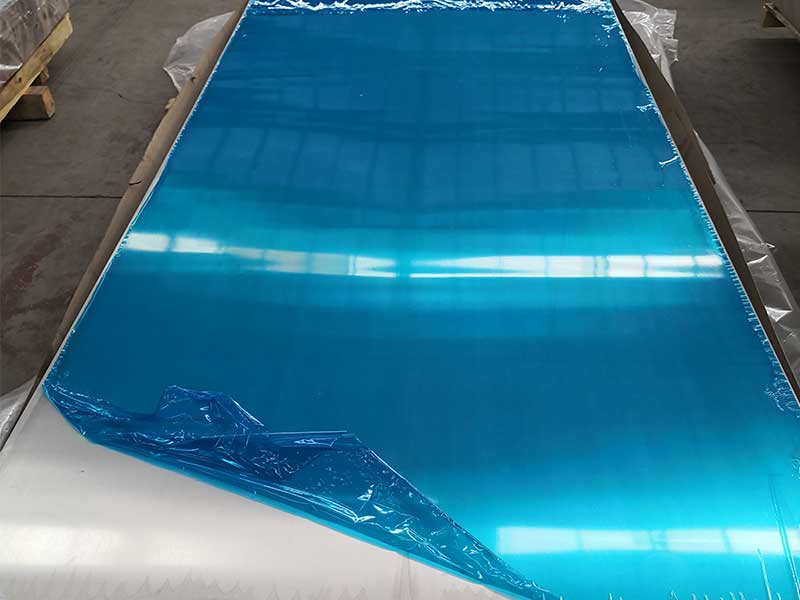

Cheap aluminium sheet
"Cheap aluminium sheet" doesn't have to mean low performance-it usually means the product is optimized for cost-effective alloy selection, high-yield rolling schedules, and practical tolerances that suit mainstream fabrication. In industrial terms, it is an aluminium sheet engineered to deliver reliable formability, corrosion resistance, and lightweight strength at a price point suitable for high-volume work: cladding, signage, ducting, general fabrication, and protective covers.
What "Cheap Aluminium Sheet" Typically Means
In most supply chains, "cheap" is driven by one or more of the following:
- Common alloys with stable availability (e.g., 1050/1060, 1100, 3003, 5052)
- Standard tempers (O, H14, H24, H32) that roll efficiently
- Standard thickness and width ranges that maximize mill utilization
- Commercial tolerances suitable for general fabrication (not aerospace plate tolerances)
- Surface finish: mill finish is cheaper than anodized, brushed, or mirror
If you match the sheet to your actual use case, a lower-cost option can provide excellent value with minimal compromise.
Features (Why It Works So Well for Budget Projects)
| Feature | What It Means in Practice | Customer Value |
|---|---|---|
| Lightweight | ~1/3 the density of steel | Lower shipping cost, easier handling |
| Corrosion resistance | Natural oxide layer; stronger in 5xxx | Longer service life outdoors/indoors |
| Good formability | Especially 1xxx/3xxx in O/H14 | Easy bending, rolling, stamping |
| Fabrication-friendly | Cutting, drilling, riveting, bonding | Quick shop throughput |
| Recyclability | Aluminium retains high scrap value | Sustainability + lifecycle cost benefit |
| Wide availability | Standard coils/sheets in common sizes | Short lead time, fewer substitutions |
Common Alloys for Cost-Effective Aluminium Sheet
Cheap aluminium sheet usually falls into these alloy families:
- 1xxx series (1050/1060/1100): highest ductility and conductivity, very good corrosion resistance, lower strength.
- 3xxx series (3003): manganese-strengthened; excellent general-purpose sheet for forming and light structural uses.
- 5xxx series (5052): magnesium alloy; better strength and marine-grade corrosion resistance; often slightly higher cost but strong value.
Typical Chemical Composition (Reference Ranges)
Actual composition varies by standard (ASTM/EN/JIS) and supplier. Use these as practical reference bands for purchasing and comparison.
| Alloy | Al (Balance) | Mg (%) | Mn (%) | Si (%) | Fe (%) | Cu (%) | Cr (%) | Notes |
|---|---|---|---|---|---|---|---|---|
| 1050 | ≥99.5 | - | ≤0.05 | ≤0.25 | ≤0.40 | ≤0.05 | - | Soft, highly formable, very economical |
| 1060 | ≥99.6 | - | ≤0.05 | ≤0.25 | ≤0.35 | ≤0.05 | - | Similar to 1050; slightly purer |
| 1100 | ≥99.0 | - | ≤0.05 | ≤0.95 (Si+Fe) | (part of Si+Fe) | 0.05–0.20 | - | Great for forming; excellent corrosion resistance |
| 3003 | Balance | - | 1.0–1.5 | ≤0.60 | ≤0.70 | ≤0.05–0.20 | - | Stronger than 1xxx; common for panels/ducting |
| 5052 | Balance | 2.2–2.8 | ≤0.10 | ≤0.25 | ≤0.40 | ≤0.10 | 0.15–0.35 | Strong, marine-capable; good fatigue behavior |
Mechanical Performance (What You Can Expect)
Mechanical properties depend strongly on temper. For cheap sheets, the most common are O (annealed) and H14/H24/H32 (strain-hardened).
| Alloy / Temper | Typical Tensile Strength (MPa) | Typical Yield Strength (MPa) | Typical Elongation (%) | Formability | Comment |
|---|---|---|---|---|---|
| 1050-O | 60–90 | 20–35 | 25–35 | Excellent | Best for deep forming, low load parts |
| 1100-O | 70–110 | 25–40 | 25–35 | Excellent | Very forgiving in bending |
| 3003-O | 90–130 | 35–55 | 25–35 | Excellent | Good general-purpose forming sheet |
| 3003-H14 | 130–180 | 110–150 | 4–10 | Good | Stiffer panels, less springback control needed |
| 5052-H32 | 190–240 | 130–170 | 10–18 | Very good | Strong + corrosion resistant; great value |
| 5052-O | 150–200 | 60–90 | 20–30 | Excellent | Forming first, then stiffening by design |
Tip: If you need tight bends without cracking, choose O temper or a more formable alloy. If you need a stiffer panel that "oil cans" less, choose H14/H32.
Technical Specifications (Typical Supply Range)
Below is a realistic specification envelope for cost-focused sheet programs.
| Parameter | Typical Range | Notes |
|---|---|---|
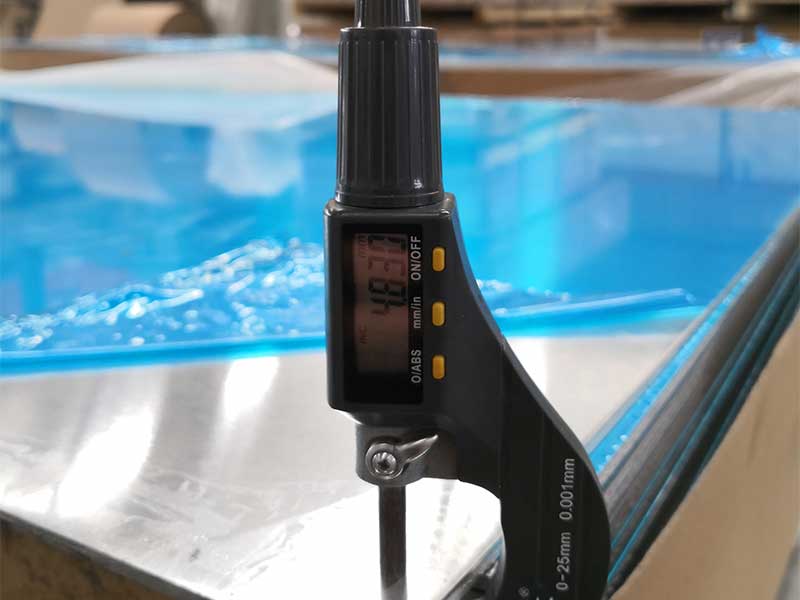
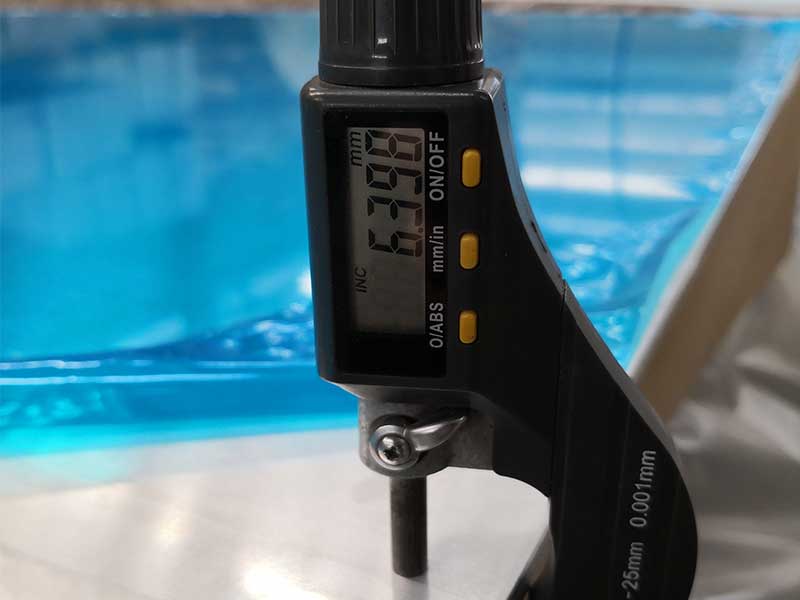
| Thickness | 0.3–6.0 mm | 0.5–3.0 mm is most common for budget sheet |
| Width | 500–2000 mm | 1000/1220/1250/1500 mm are common |
| Length | 1000–6000 mm | Or supplied in coil for high volume |
| Temper | O, H14, H24, H32 | H temper = stronger, less ductile |
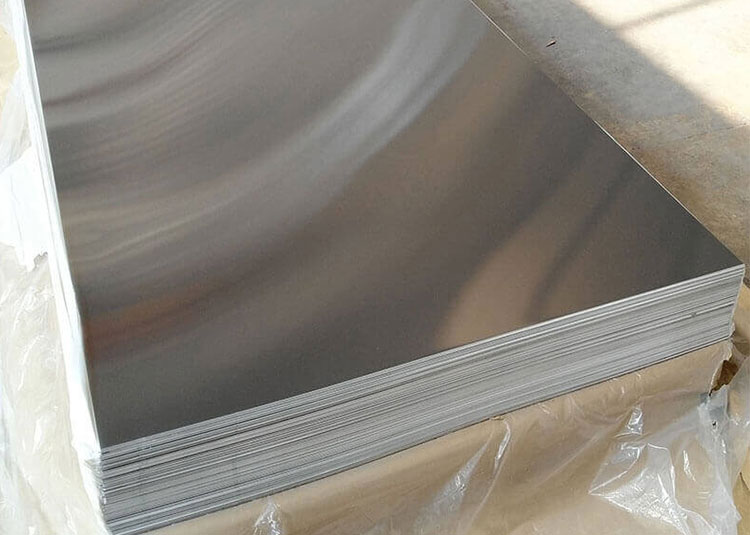
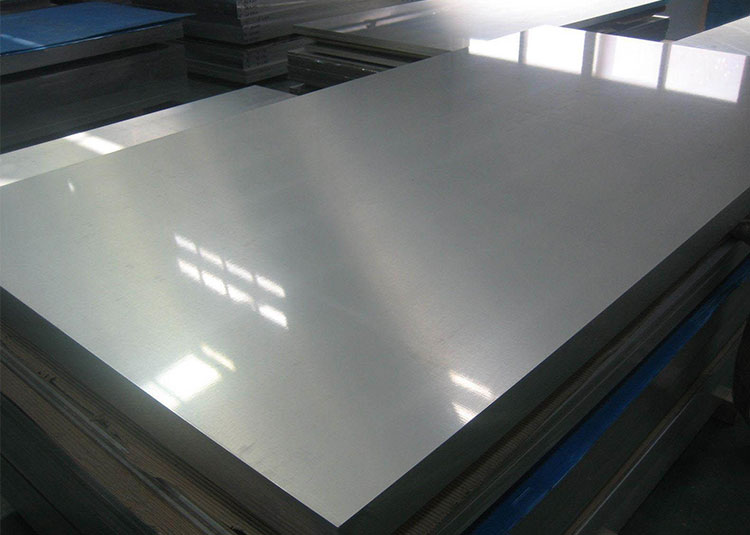
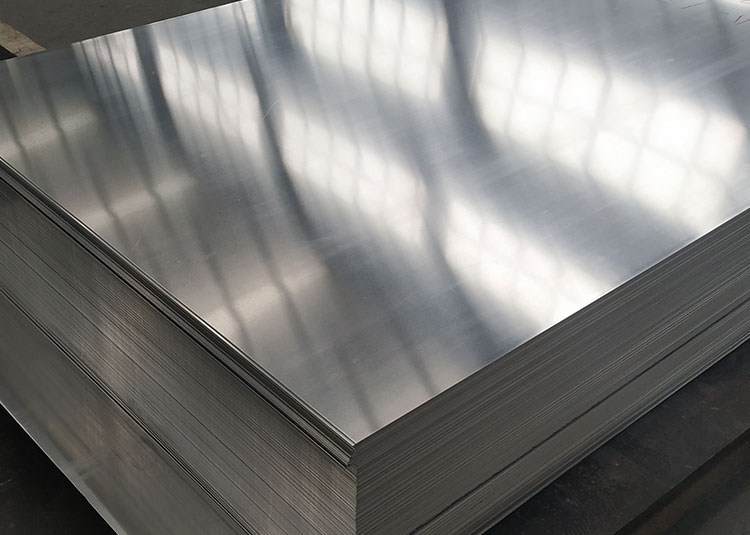
| Surface finish | Mill finish | Cheapest; may show roll marks |
| Flatness | Commercial | Critical projects may require tighter flatness specs |
| Protective film | Optional | Adds cost but reduces scratches during fabrication |
| Standards | ASTM B209 / EN 485 / JIS H4000 (by region) | Confirm standard and inspection requirements |
Applications (Where Cheap Aluminium Sheet Delivers the Best Value)
| Industry / Use Case | Recommended Alloy | Why It Fits |
|---|---|---|
| Signage, nameplates, printed panels | 1050 / 1100 / 3003 | Good surface, easy cutting, low cost |
| HVAC ducting, housings | 3003 | Balanced strength + formability |
| Truck bodies, toolboxes, covers | 5052-H32 | Better dent resistance and corrosion behavior |
| Interior cladding, decorative trim (painted) | 3003 / 1100 | Paint adhesion + easy forming |
| Kitchen equipment, general fabrication | 3003 / 5052 | Hygiene, corrosion resistance, weldability |
| Marine-adjacent hardware (non-structural) | 5052 | Strong corrosion resistance vs 1xxx/3xxx |
| Insulation jacketing | 1100 / 3003 | Lightweight, easy to wrap and seam |
Benefits vs. Alternative Materials (Cost + Performance Reality)
| Material | Pros | Cons | When Aluminium Sheet Wins |
|---|---|---|---|
| Galvanized steel sheet | Cheap, strong, stiff | Heavy, can rust at cut edges, harder to form | When weight/corrosion matters and handling cost is high |
| Stainless steel sheet | Great corrosion, durable | Expensive, heavier, harder to fabricate | When the environment is mild-to-moderate and budget matters |
| Plastics (PVC/ABS) | Low cost, easy to cut | UV aging, lower temp resistance, less rigidity | When you need heat resistance, recyclability, or metal feel |
| Aluminium composite panel | Flat, aesthetic | Higher cost, bonding layers | When you need a simple metal sheet for fabrication |
Buying Guidance (How to Stay "Cheap" Without Getting Burned)
1) Choose the alloy based on the job, not the habit.
- Pure aluminium (1050/1100) = best forming, lowest strength.
- 3003 = "default" economical sheet for most fabrication.
- 5052 = better dent/corrosion resistance; great total cost value outdoors.
2) Match temper to forming steps.
- If you're doing tight bends or deep drawing: O temper reduces cracking risk.
- If you're making flat panels and want stiffness: H14/H32 reduces waviness.
3) Confirm tolerances that matter to you.
If your project needs laser-flat panels, specify flatness and thickness tolerance clearly-otherwise commercial tolerances keep cost down.
4) Surface expectations: mill finish is economical but not "cosmetic-grade."
For customer-facing parts, consider protective film, light brushing, or paint/powder coating.
5) Plan fabrication:
- For welding, 5xxx and 3xxx are generally friendly; confirm filler selection and post-weld appearance requirements.
- For adhesive bonding and painting, specify cleaning and pretreatment (degrease + conversion coating as needed).
Cheap aluminium sheet is a high-availability, high-fabricability material designed to hit the sweet spot of price and performance. By selecting a common alloy (1050/1100/3003/5052), appropriate temper (O or Hxx), and practical tolerances, you get:
- Low material and logistics cost
- Fast fabrication with common shop tools
- Strong corrosion resistance for indoor/outdoor service
- Good forming options for bends, rolls, and stamped parts
- Excellent recyclability and lifecycle value