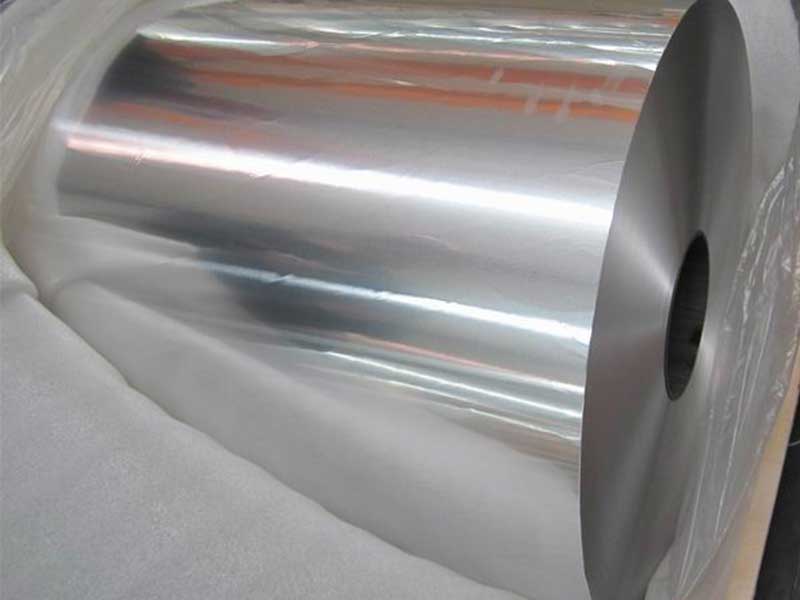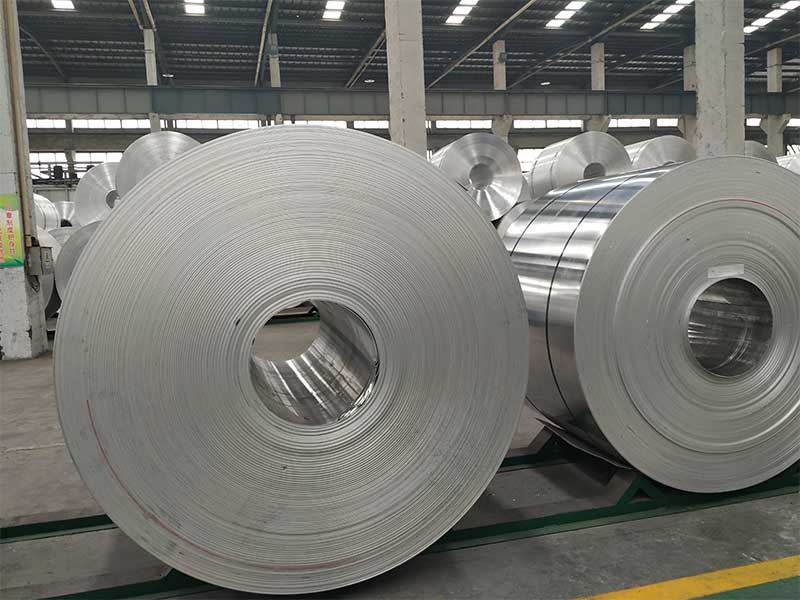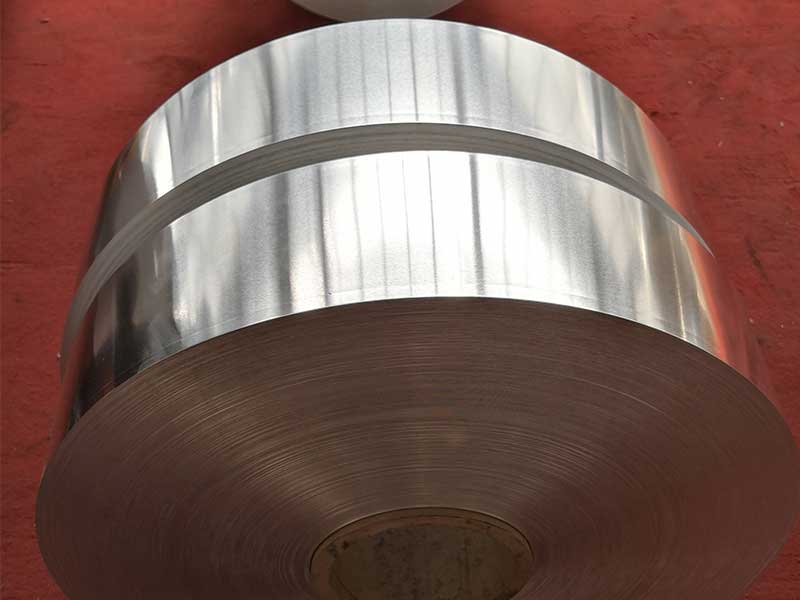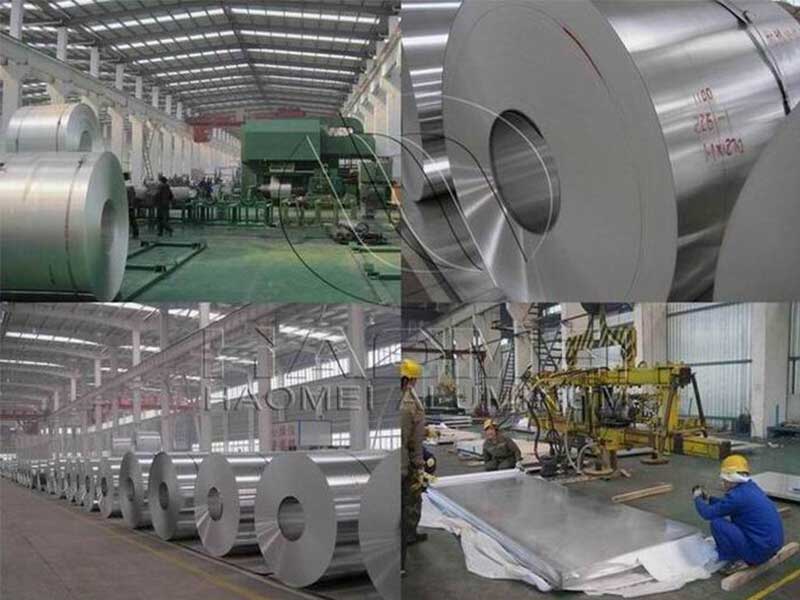

Aluminum coil 1050 1060 1100 3003 3005 3105
Aluminum coil is often treated like a "commodity roll," but the reality is closer to a toolbox: each alloy in the 1050 1060 1100 3003 3005 3105 family is a different tool designed to balance conductivity, formability, corrosion resistance, and strength. Looking at these coils from a functional perspective-what they do in real processing lines and finished products-makes the selection logic much clearer. Instead of asking "Which alloy is best?", buyers get better outcomes by asking "Which coil behaves best during forming, joining, painting, heat transfer, or outdoor exposure?"
Why these alloys dominate coil-based manufacturing
These grades fall into two main series with distinct "job descriptions."
The 1xxx series (1050, 1060, 1100) is essentially high-purity aluminum. Its standout functions are excellent electrical and thermal conductivity, high reflectivity, and very consistent corrosion resistance. It forms smoothly and predictably, especially in deep drawing and spinning, making it a favorite for components where conductivity or surface quality matters more than strength.
The 3xxx series (3003, 3005, 3105) is aluminum-manganese based, sometimes with magnesium. These coils are built for practical strength and robust fabrication. They keep aluminum's corrosion resistance while improving tensile properties, dent resistance, and performance in painted or outdoor environments. This is why they appear everywhere from roofing to heat exchanger fins and general sheet-metal housings.
A distinctive viewpoint: "Processing behavior" is the real specification
When coils run through stamping, roll forming, corrugation, profiling, or coil-coating lines, small differences in alloy and temper show up as big differences in scrap rate, tool wear, springback, and paint appearance.
High-purity 1050/1060/1100 tends to give softer, more forgiving forming with low forming loads, excellent surface brightness, and stable conductivity. In contrast, 3003/3005/3105 is chosen when you need the coil to "hold shape," resist handling damage, and survive outdoor service without sacrificing manufacturability.
Typical functions and applications by alloy
1050 aluminum coil is commonly selected for applications that value conductivity and clean forming. It is widely used in lamp reflectors, capacitor shells, transformer and busbar-related components (where thickness and design allow), nameplates, and general forming where high strength is not required.
1060 aluminum coil is a step up in purity and is often used when slightly higher conductivity or more consistent anodizing/reflectivity is desired. It is popular in electrical conductors (subject to design and standards), heat dissipation parts, and reflective or decorative surfaces.
1100 aluminum coil is the classic "workhorse" of the pure-aluminum group. It combines excellent corrosion resistance with easy workability and is often used for chemical equipment cladding, food-related containers (with appropriate compliance), heat exchanger-related parts, and general fabrication where weldability and forming stability matter.
3003 aluminum coil is the most recognized general-purpose Al-Mn alloy. It is used heavily for heat exchanger fins, radiator-related components, cookware, and building panels. Its strength is noticeably higher than 1xxx while remaining easy to form and braze in many HVAC workflows.
3005 aluminum coil introduces magnesium for better strength and is frequently specified for roofing, siding, mobile home panels, and coil-coated building products where dent resistance and long-term appearance matter.
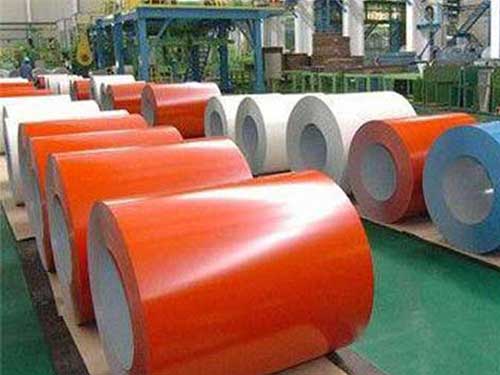
3105 aluminum coil is often chosen for painted and coated products, including color-coated aluminum for building envelopes, shutters, ceiling systems, and beverage-can related trim or closures in some supply chains. It balances formability and strength with very good coating adhesion and outdoor durability.
parameters customers evaluate in purchasing
In real procurement, the "best" aluminum coil is the one that matches downstream processing and end-use exposure. Common order parameters include thickness, width, inner diameter, outer diameter, coil weight, surface finish, flatness requirements, and coating requirements if prepainted.
Typical thickness ranges are approximately 0.2–6.0 mm for many coil applications, with building and cladding often in the 0.3–1.5 mm range, and general fabrication extending thicker depending on the line capability. Common tempers include O (annealed), H12/H14/H16/H18 (strain hardened), and H24/H26 (strain hardened and partially annealed). For painted coils, H24 and H26 are frequently used because they offer a stable balance of strength and formability.
Temper selection explained through "what happens on the line"
O temper is selected when deep drawing, spinning, severe flanging, or complex forming is required. It minimizes cracking risk but sacrifices rigidity.
H14 is a common midpoint for panels and general forming; it provides better stiffness and dent resistance without becoming too difficult to bend.
H18 pushes hardness higher and is used where rigidity and surface durability are more important than tight-radius forming.
H24 is often the "coil coating sweet spot" because it reduces the risk of forming cracks after painting, while maintaining good handling strength.
Implementation standards and common delivery conditions
Aluminum coil is typically produced and delivered under widely used international standards. Depending on region and customer requirement, common references include ASTM B209 (Aluminum and Aluminum-Alloy Sheet and Plate) and EN 485 (Aluminum and aluminum alloys - Sheet, strip and plate). Chemical composition is often verified against ASTM/EN alloy definitions, while temper and mechanical properties follow the applicable temper designation rules.
Buyers often specify additional requirements such as edge condition (mill edge or slit edge), surface protection film, allowable wave/buckle tolerances, and inspection level (surface, pinholes, oil, coil set). For coil-coating lines, consistency in surface cleanliness and pretreatment compatibility is as important as base alloy choice.
Chemical composition (typical limits, wt.%)
Values below reflect commonly used limits in standard specifications; exact limits can vary slightly by standard and supplier practice. Always confirm with the applicable ASTM/EN document and mill test certificate.
| Alloy | Si | Fe | Cu | Mn | Mg | Zn | Ti | Al (min) |
|---|---|---|---|---|---|---|---|---|
| 1050 | ≤0.25 | ≤0.40 | ≤0.05 | ≤0.05 | ≤0.05 | ≤0.05 | ≤0.03 | 99.50 |
| 1060 | ≤0.25 | ≤0.35 | ≤0.05 | ≤0.03 | ≤0.03 | ≤0.05 | ≤0.03 | 99.60 |
| 1100 | ≤0.95 (Si+Fe) | - | 0.05–0.20 | ≤0.05 | - | ≤0.10 | - | 99.00 |
| 3003 | ≤0.60 | ≤0.70 | 0.05–0.20 | 1.0–1.5 | - | ≤0.10 | - | Remainder |
| 3005 | ≤0.60 | ≤0.70 | ≤0.30 | 1.0–1.5 | 0.20–0.60 | ≤0.25 | ≤0.10 | Remainder |
| 3105 | ≤0.60 | ≤0.70 | ≤0.30 | 0.30–0.80 | 0.20–0.80 | ≤0.40 | ≤0.10 | Remainder |
Choosing the right coil: a fast, practical approach
If the core function is conductivity, reflectivity, or extremely easy forming, 1050/1060/1100 usually leads. If the coil must resist dents, carry more load, stay flatter in panel form, or perform well outdoors under paint, 3003/3005/3105 is typically the smarter choice. Within the 3xxx family, 3003 emphasizes balanced forming, 3005 adds strength for building skins, and 3105 is widely favored for coated architectural products.
In the end, aluminum coil 1050 1060 1100 3003 3005 3105 is less about "grades on paper" and more about engineered behavior in fabrication and service. When you align alloy chemistry, temper, and standard compliance with what your production line and application actually demand, you get cleaner forming, more reliable coating performance, fewer rejects, and a finished product that holds up exactly as intended.
https://www.al-alloy.com/a/aluminum-coil-1050-1060-1100-3003-3005-3105.html