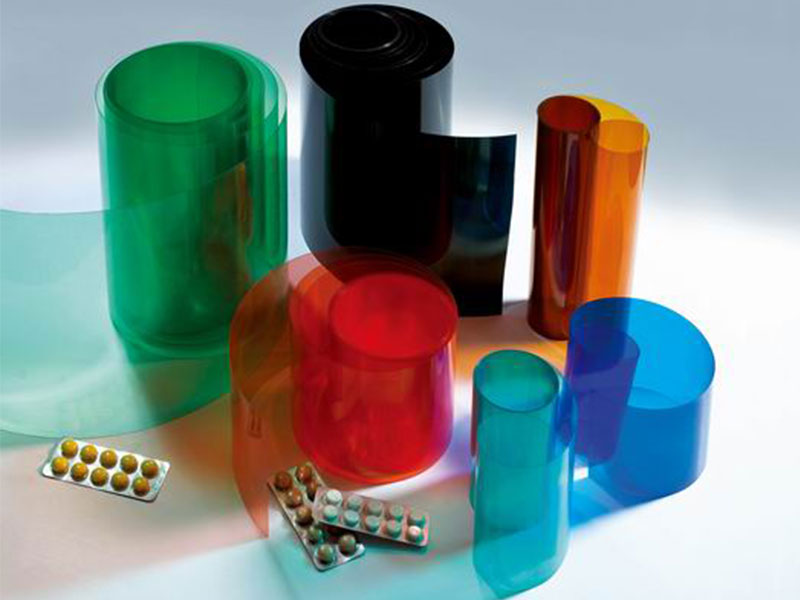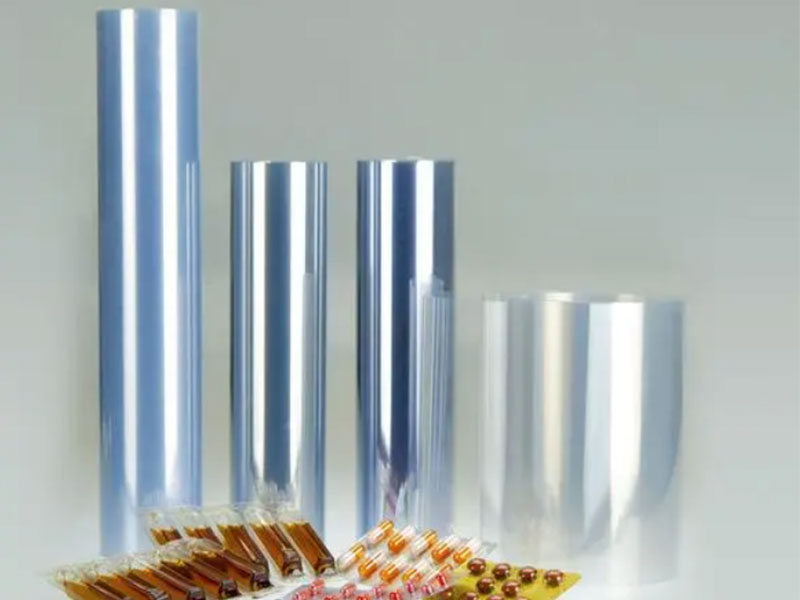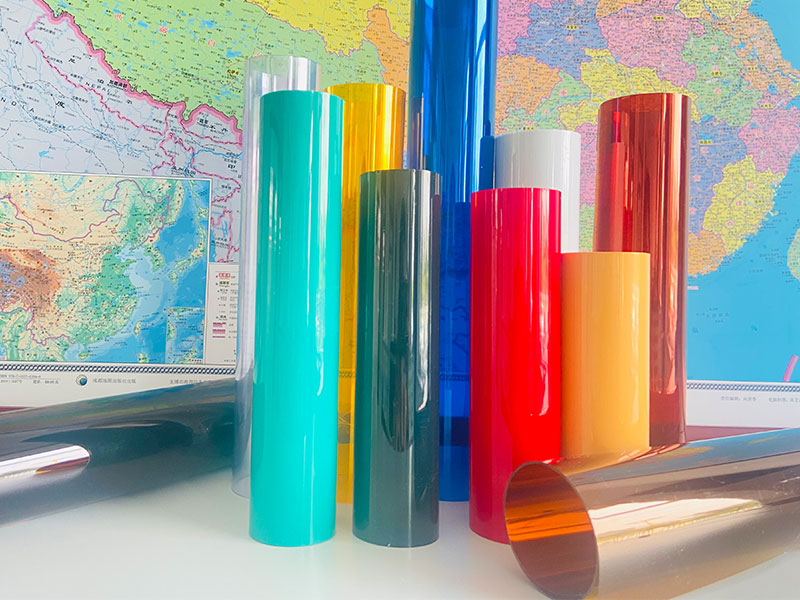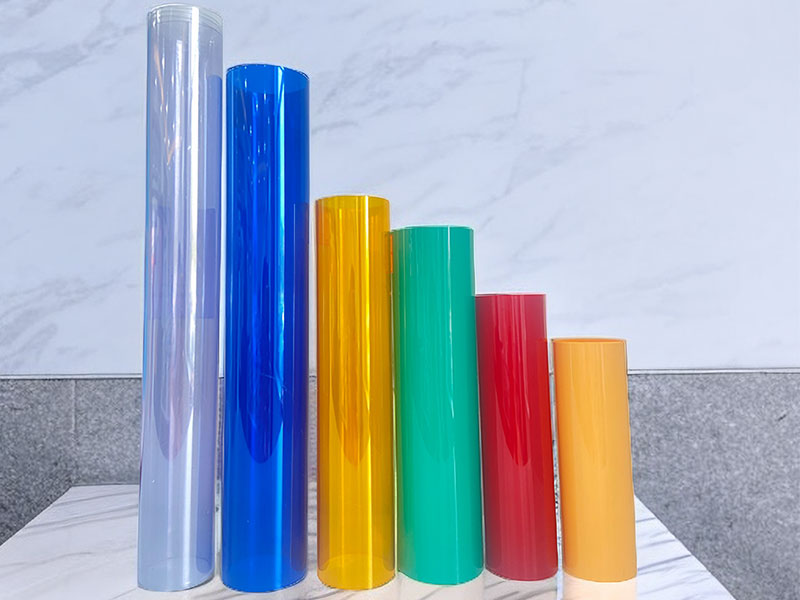

Colored Printed Aluminum Foil for Pharmaceutical Packaging
In the pharmaceutical industry, packaging is as critical as the medicines it contains. It ensures safety, influences user perception, and protects products throughout their lifecycle. Among various packaging materials, colored printed aluminum foil stands out for its combination of protection, presentation, and performance.
Colored Printed Aluminum Foil
Colored printed aluminum foil is a specialized aluminum foil that features high-definition printed graphics and colors on its surface. This combination of aluminum's inherent protective properties and eye-catching printed designs makes it ideal for pharmaceutical blister packs, sachets, and strip wraps.
At its core, aluminum foil offers a robust moisture, oxygen, and light barrier, crucial for maintaining pharmaceutical formulation integrity. The added colored print allows manufacturers to highlight brand names, dosage information, safety instructions, and other essential product details-helping not only in compliance but also in differentiating products in a competitive market.
Core Functions of Colored Printed Aluminum Foil in Pharmaceutical Packaging
- Barrier Protection: Aluminum forms a perfect barrier that prevents ingress of air, moisture, and contaminants, thus ensuring drug stability and shelf life.
- Tamper Evidence and Safety: Printed foil films often include security features like serial numbers, QR codes, or batch details for traceability and counterfeit prevention.
- Information Delivery: High-resolution printing facilitates clear labeling, instructions, and dosage information directly on the package, reducing medication errors.
- Aesthetic Appeal and Brand Differentiation: Custom colors and sophisticated prints attract consumer attention and build brand recognition.
- Light Protection: Aluminum prevents light-sensitive pharmaceutical drugs from degradation caused by UV and visible light.
Typical Applications in Pharmaceutical Packaging
Colored printed aluminum foil is widely used for packing various dosage forms and pharmaceutical products, including:
| Application | Description |
|---|---|
| Blister Packs for Tablets & Capsules | Ensures each blister cavity is hermetically sealed and identifiable with clear branding and dosage info. |
| Sachets for Powder & Granules | Maintains product efficacy, moisture control, and allows fast, branded printing. |
| Ampoule and Vial Seals | Protects seal integrity and conveys necessary drug info on safer packaging. |
| Vaccines and Injectable Packaging | Adds an extra protective moisture and oxygen barrier making packaging compliant with cold chain requirements. |
Technical Specifications and Implementation Standards
Meeting pharmaceutical industry standards requires precise control of foil thickness, coating, and coating surface. Typical technical specifications are summarized below:
| Parameter | Typical Value / Range | Description | Reference Standards |
|---|---|---|---|
| Foil Thickness | 6–20 µm | Thickness controls flexibility and barrier ratio. | ASTM B479, EN 60249-1 |
| Aluminum Alloy | 8011, 8021 | Common alloys offering good formability and barrier. | ASTM B209, ISO 136030 |
| Tempering | H14, H18 | Tempers impart strength and ductility balance. | ASTM B479 |
| Printing Ink Types | UV-cured, solvent-based | Durable to withstand packaging processes. | ISO 2846-1, FDA 21 CFR 175 subpart D |
| Coating | Lacquer/ polymer coating optional | Protects printing and improves adhesion. | GMP standards, USP |
| Adhesion to Substrate | ≥5 N/cm | Adhesion to laminate films ensures structural integrity. | TAPPI T237 |
| Color Quality / Resolution | ≥300 dpi | High-print fidelity for legibility and brand value. | ISO 12647 |
Chemical Composition of Typical Aluminum Alloy 8011
The base aluminum foil used for printing exhibits precise chemical properties in pharmaceutical packaging to fulfill stability and erosion resistance:
| Element | Allowed Weight % | Implication |
|---|---|---|
| Aluminum (Al) | Balance (≥97.5%) | Base metal for lightweight strength and barrier properties. |
| Silicon (Si) | 0.50 – 1.20 | Contributes to corrosion resistance. |
| Iron (Fe) | 0.20 – 0.70 | Adds strength marginally; excessive content avoided. |
| Copper (Cu) | ≤0.10 | Increases strength, minimal content to avoid corrosion. |
| Manganese (Mn) | 0.30 – 0.75 | Improves strength and workability. |
| Chromium (Cr) | ≤0.10 | Enhances corrosion resistance. |
| Others combined | ≤0.15 | Minimized impurities for consistency. |
Alloy Temper and Mechanical Properties for Pharmaceutical Foil Alloys
Proper tempering enhances the foil's mechanical performance to endure packaging machine stress without cracking:
| Temper | Tensile Strength (MPa) | Yield Strength (MPa) | Elongation (%) | Impact on Packaging |
|---|---|---|---|---|
| H14 | 150–210 | 120–160 | 2–4 | Stiffer sheets, better blister formation control. |
| H18 | 210–260 | 170–210 | 1–2 | Stronger and less elastic for secure seals. |
Printing Technology and Durability
High-quality printing on aluminum foil uses specialized inks resistant to solvents, abrasion, and sterilization processes, critical especially when blister packs undergo disinfecting or sterilizing at high temperatures.
- UV Printing is favored due to fast curing and sharp image formation.
- Solvent-based Inks offer high transfer durability, suitable for multi-layer laminated packing.
- Annotation with batch numbers or expiry dates is typically done by embossing or additional overprinting for security.
- Laminates over printed foil retain color vibrancy and protect against smudging during packaging and transit.
Regulatory Compliance and Industry Standards
Pharmaceutical aluminum foil packaging complies with several regulatory standards ensuring product safety:
- FDA (Food and Drug Administration, USA) standards for packaging materials in direct contact with consumables.
- ICH Q1A (Stability Testing Guidelines) ensuring packaging materials support intact drug molecule stability.
- USP (United States Pharmacopeia) and Ph. Eur. (European Pharmacopoeia) outlining requirements for packaging suitability and inertness.
- ISO 9001 and GMP (Good Manufacturing Practices) protocols guarantee consistent manufacturing and material traceability.
Colored printed aluminum foil designed for pharmaceutical packaging combines unmatched barrier protection with vivid brand communication and adaptability. This packaging material's strong moisture, oxygen, and light blockers are vital for complex pharmaceutical raw materials susceptible to environmental challenges. Printing customization adds safety, anti-counterfeiting functions, user adaptability, and compliance with global standards, supporting manufacturers in delivering high-quality medicines painlessly and securely.
By carefully selecting the right aluminum alloy, tempering conditions, and printing technology, pharmaceutical companies can render product packaging that meets stringent regulatory inspections while enhancing brand prestige.
Investing in colored printed aluminum foil for pharmaceutical packaging is a forward-looking choice to guarantee drug efficacy preservation, improve packaging safety, and boost product visibility in the acute pharmaceutical marketplace.
https://www.al-alloy.com/a/colored-printed-aluminum-foil-for-pharmaceutical-packaging.html