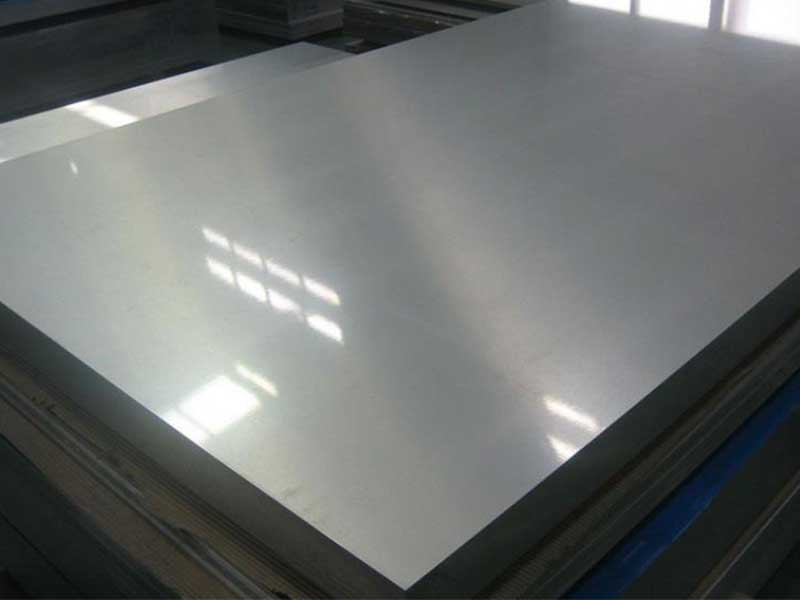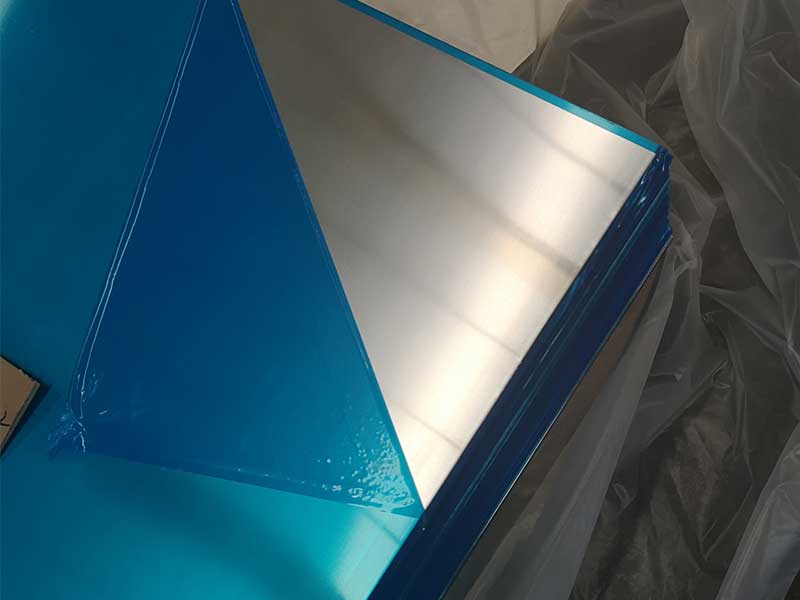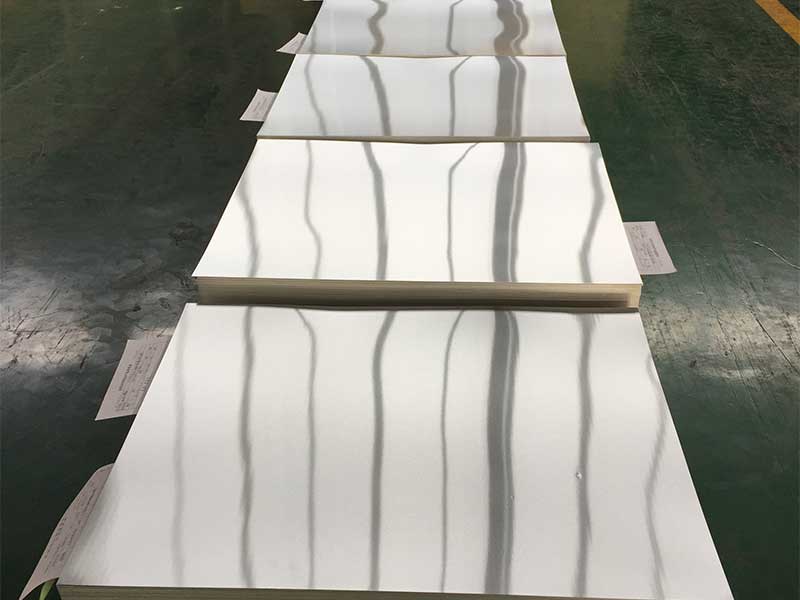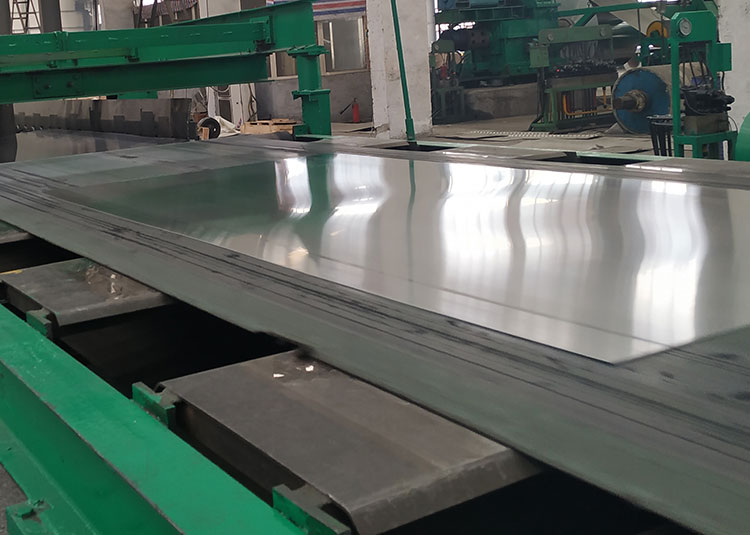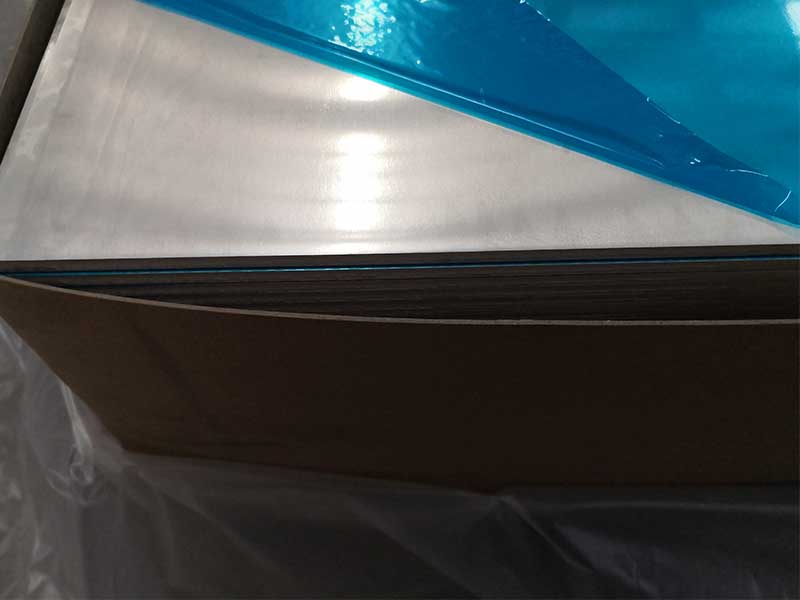

Insulation aluminum sheet
If you've ever peeled back the outer skin of a chilled water pipe, stepped into a food plant where everything sweats except the stainless tables, or inspected a rooftop HVAC line after a brutal summer, you've seen the quiet job of insulation at work. What most people don't notice is the material that often protects that insulation from the real world. Not the foam, not the mineral wool, but the "coat" that makes insulation survive: the insulation aluminum sheet.
I like to think of insulation aluminum sheet as the raincoat for thermal systems. Insulation reduces heat transfer; aluminum sheeting defends insulation against impact, UV exposure, washdowns, weather, and time. It's not glamorous, but it is the difference between "installed" and "still performing five years later."
A different way to look at it: aluminum as a durability amplifier
Engineers often talk about insulation thickness, thermal conductivity, and payback calculations. Those are important, but they assume insulation stays dry, intact, and dimensionally stable. In reality, insulation fails more often from mechanical and environmental abuse than from inadequate R-value. Jacketing is the amplifier of durability. Done well, it keeps water out, keeps fibers in place, prevents tearing from foot traffic or maintenance work, and holds the whole insulation system together like a structural skin.
Aluminum sheet is especially good at this because it brings a rare combination of low weight, corrosion resistance, formability, and reflectivity. It doesn't rot, it doesn't become brittle in sunlight the way some plastics do, and it handles temperature swings without turning into a cracked mess.
Where insulation aluminum sheet earns its keep
In commercial and industrial settings, aluminum jacketing shows up on chilled water lines, refrigerant piping, cryogenic and low-temperature vessels, hot service lines, outdoor tanks, and ductwork. The goals shift depending on the service.
For cold systems, the biggest enemy is moisture intrusion. When water gets into insulation, thermal performance collapses, corrosion under insulation becomes more likely, and the system starts "sweating." Aluminum jacketing, properly sealed, becomes the outer moisture barrier and physical protection.
For hot systems, aluminum jacketing serves as a shield against wind, rain, and mechanical damage, while also reflecting radiant heat. It helps keep insulation from eroding and prevents insulation fibers from being exposed.
In coastal plants or chemical environments, aluminum's natural oxide film provides decent corrosion resistance, and with the right alloy and coating choices, it remains reliable where ordinary carbon steel jacketing would be a maintenance headache.
Alloy selection: why 3003 and 3105 dominate
Insulation aluminum sheet is not typically about extreme strength; it is about formability and corrosion resistance. That's why 3xxx series alloys are the workhorse.
3003 is widely used because it forms easily around elbows and fittings, takes corrugation well, and resists atmospheric corrosion. 3105 is also common and offers good corrosion resistance with slightly different composition balance, often used when painted or coated jacketing is desired.
For harsher environments, 5052 can be chosen for improved corrosion resistance, particularly in marine or chloride-rich exposure. The trade-off is higher strength and slightly reduced ease of forming in some tempers, which can matter for small-radius bending or complex shapes.
Temper and mechanical behavior: the "too soft vs too hard" balance
Temper is where many insulation-jacketing problems quietly begin. If the sheet is too soft, it dents easily and can "oil-can" on long straight runs, making workmanship look poor and potentially creating pockets where water sits. If the sheet is too hard, it can crack at folds, hems, or around tight radii, especially in cold weather installation.
Common tempers include H14 and H16 for a balance of stiffness and formability. For very tight forming needs, softer tempers can be used, but installers must be careful about handling damage. For large outdoor runs where stiffness and dent resistance matter, slightly harder options may be preferred.
Typical thicknesses often range from 0.016 in to 0.032 in (about 0.4 mm to 0.8 mm). Thinner gauges form easily and are cost-effective; thicker gauges resist abuse and hold shape better. The "best" choice depends on exposure, traffic, and how much the system will be touched by maintenance crews.
Surface choice: plain, stucco-embossed, or coated
Plain smooth sheet looks clean but shows every dent and ripple. Stucco embossing is a practical favorite because it disguises handling marks and improves perceived flatness. It also reduces glare and can slightly improve scratch concealment.
Coatings matter more than many buyers expect. A factory-applied moisture barrier (often a polysurlyn or similar film) on the inside surface helps prevent galvanic interaction with dissimilar metals and improves water resistance at overlaps. Painted finishes can be used for aesthetics, identification, or extra corrosion protection in aggressive atmospheres.
Implementation standards and typical specifications
Most insulation aluminum jacketing work in North America is associated with ASTM material and jacketing practices. Common reference points include ASTM B209 for aluminum sheet and ASTM C1729 for aluminum jacketing used on insulation. Project specs often align with ASHRAE guidance and industry installation practices for insulation and vapor barriers.
In practice, good jacketing is less about the sheet itself and more about how seams, overlaps, and penetrations are treated. Outdoor jacketing that isn't sealed will eventually leak. Once water gets into insulation, aluminum is no longer "the solution"; it becomes a witness to the problem.
A functional installation typically uses appropriately oriented laps, sealed longitudinal and circumferential joints where required, and careful detailing at valves, supports, and terminations. In cold service, vapor sealing details are especially critical because even a small gap becomes a moisture pump over time.
Chemical composition (typical) for common insulation jacketing alloys
Below is a practical reference for typical chemical limits. Always confirm with mill test certificates and applicable standards, since exact limits depend on specification revision.
| Alloy | Si (%) | Fe (%) | Cu (%) | Mn (%) | Mg (%) | Zn (%) | Cr (%) | Ti (%) | Al |
|---|---|---|---|---|---|---|---|---|---|
| 3003 | ≤0.6 | ≤0.7 | 0.05–0.20 | 1.0–1.5 | ≤0.05 | ≤0.10 | - | - | Bal. |
| 3105 | ≤0.6 | ≤0.7 | ≤0.30 | 0.3–0.8 | 0.2–0.8 | ≤0.40 | ≤0.20 | ≤0.10 | Bal. |
| 5052 | ≤0.25 | ≤0.40 | ≤0.10 | ≤0.10 | 2.2–2.8 | ≤0.10 | 0.15–0.35 | ≤0.10 | Bal. |
Performance isn't only corrosion: think fastening, vibration, and maintenance
A surprising amount of jacketing damage comes from vibration and repeated access. Lines near rotating equipment can "work" at seams; tanks can flex; maintenance staff may remove and reinstall sections. Choosing a slightly thicker sheet, using embossing, or selecting a temper with better stiffness can reduce recurring repairs.
Fastening choices also matter. Aluminum rivets and bands are common; dissimilar metal contact should be managed, especially if carbon steel bands or fasteners are introduced. In wet or salty environments, small galvanic couples become big problems over time.
There's another role aluminum jacketing plays that's easy to miss: it communicates how a plant is cared for. Neat jacketing with tight seams and thoughtful terminations signals that insulation was installed intentionally, not as an afterthought. It tells operators where lines run and where they can safely step or lean. It even supports safety culture, because intact jacketing helps keep insulation from shedding fibers and keeps surfaces predictable.
When you choose insulation aluminum sheet, you're not only picking a metal. You're choosing how your thermal system will age in public view.
Practical takeaways for buyers and designers
Selecting insulation aluminum sheet is best done by imagining the system five winters from now. Will this line be pressure-washed? Will people climb near it? Will sunlight hit it all day? Will salty air find every seam? Then choose alloy, temper, thickness, and surface accordingly, and pair them with installation practices that respect moisture and movement.
Aluminum jacketing doesn't improve the R-value on paper. It improves the R-value in reality, by keeping insulation dry, intact, and serviceable. In that sense, insulation aluminum sheet is less like a cover and more like a promise: the performance you paid for today is still there when nobody is looking.