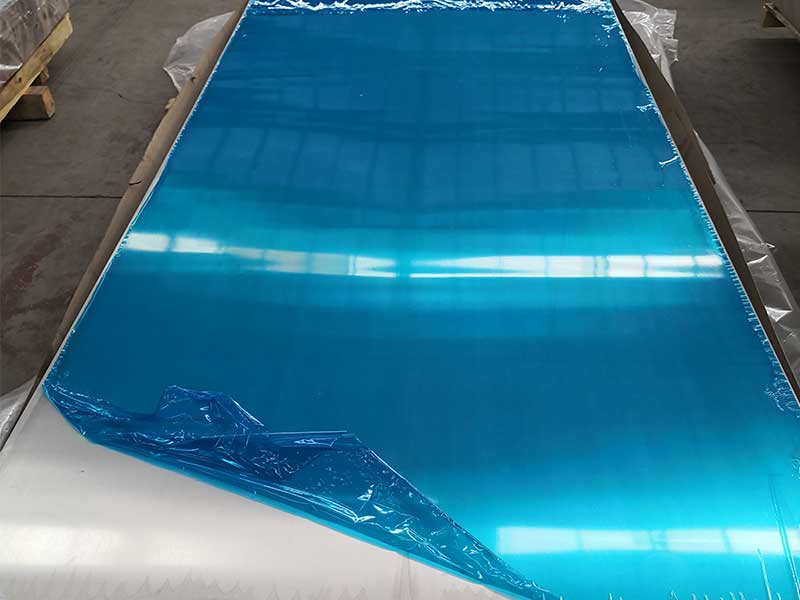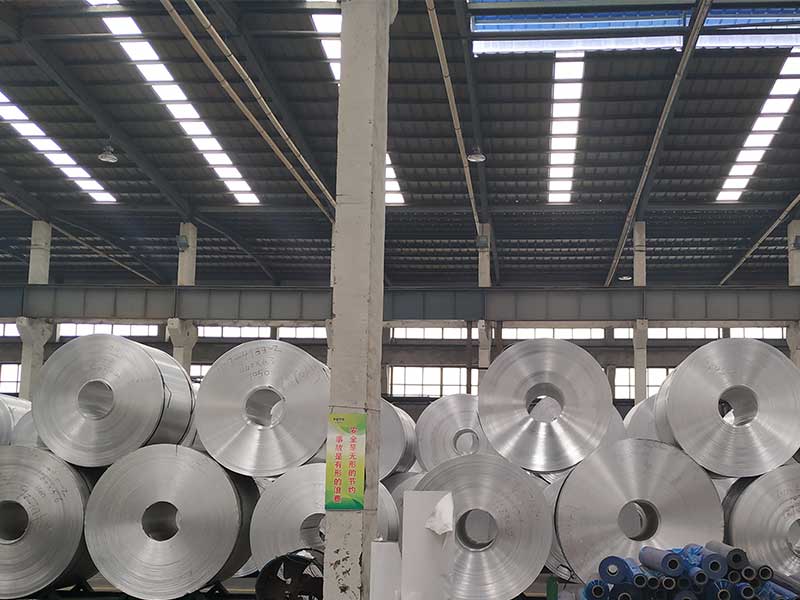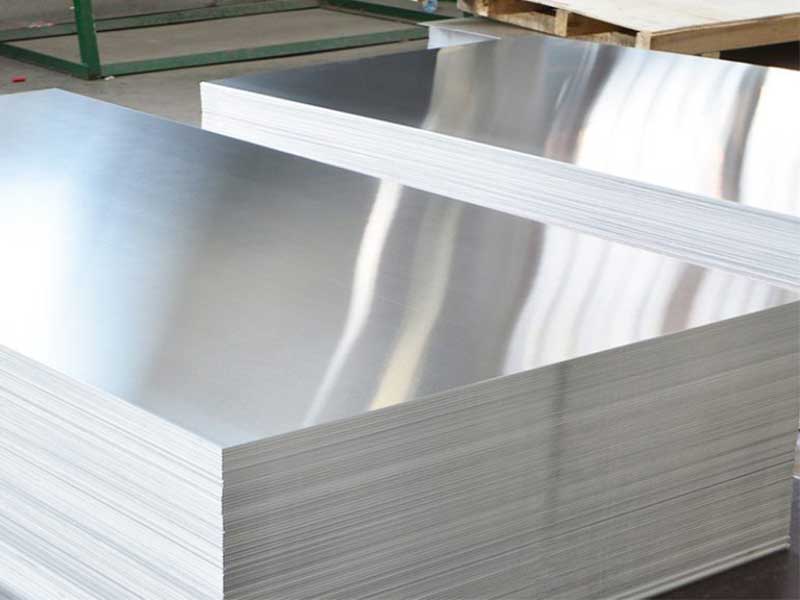

Anodized aluminum sheet 5005 h34
Anodized aluminum sheet 5005 H34 is a go-to material when you need a clean, uniform anodized finish paired with reliable strength and formability. It sits in a sweet spot between purely decorative aluminum and higher-strength structural alloys: it anodizes more consistently than many common sheet grades, yet it still handles everyday fabrication with ease. For architects, signage makers, OEM fabricators, and designers, 5005 H34 is often selected when the surface appearance is not an afterthought-it is the product.
What "5005" and "H34" Mean in Practice
AA 5005 is an aluminum-magnesium alloy known for excellent anodizing response and good corrosion resistance. It is widely used for cosmetic sheet metal that must look consistent across large panels.
H34 temper indicates a strain-hardened and stabilized condition, delivering higher strength than H32 while still offering workable formability for bending and light forming. Stabilization helps reduce changes in properties over time.
Features at a Glance
- Excellent anodized appearance with good color uniformity for clear and dyed anodizing
- Strong corrosion resistance, especially in atmospheric exposure
- Balanced strength and formability for panels, trims, and formed cosmetic parts
- Good weldability for common aluminum joining methods
- Low density and high recyclability, supporting lightweight, sustainable designs
Chemical Composition (Typical, AA 5005)
Chemical composition matters in anodizing because alloying elements influence brightness, color tone, and uniformity. 5005 is intentionally controlled to support attractive anodized finishes.
| Element | Typical / Limit (wt. %) | Notes for Performance |
|---|---|---|
| Aluminum (Al) | Balance | Base metal |
| Magnesium (Mg) | 0.5–1.1 | Improves corrosion resistance; supports anodizing consistency |
| Silicon (Si) | ≤ 0.30 | Higher Si can affect anodized appearance |
| Iron (Fe) | ≤ 0.70 | Excess Fe can darken or reduce uniformity |
| Copper (Cu) | ≤ 0.20 | Kept low to preserve corrosion resistance |
| Manganese (Mn) | ≤ 0.20 | Minor effect in this grade |
| Zinc (Zn) | ≤ 0.25 | Controlled for stability |
| Chromium (Cr) | ≤ 0.10 | Trace levels |
| Titanium (Ti) | ≤ 0.20 | Grain refinement, minor |
| Other (each) | ≤ 0.05 | Residuals |
| Other (total) | ≤ 0.15 | Residuals |
Note: Limits may vary slightly by standard and mill practice. Confirm with mill test certificates for critical projects.
Technical Specifications (Product Form)
5005 H34 is commonly supplied as sheet or coil, with surface options tailored to anodizing and architectural use.
| Parameter | Typical Offering | Customer Benefit |
|---|---|---|
| Product form | Sheet / coil | Efficient processing for fabrication and large projects |
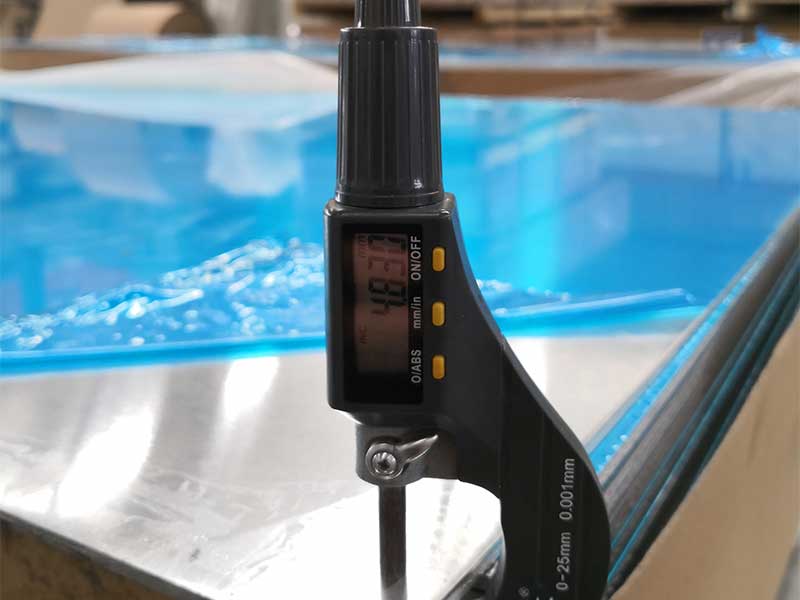
| Thickness range | 0.5–6.0 mm (common) | Covers thin wraps to rigid panels |
| Width range | Up to ~2000 mm (mill-dependent) | Wide panels reduce seams |
| Length | Cut-to-length or coil | Flexible logistics and fabrication |
| Surface finish | Mill finish, brushed, brightened (options) | Sets the baseline for anodized appearance |
| Protective film | PE/PVC film (optional) | Helps prevent handling scratches before anodizing/fabrication |
| Standards | ASTM B209 / EN 485 (typical) | Widely accepted specifications |
Mechanical Properties (Typical, H34)
H34 provides a practical strength boost while keeping the alloy workable for bending and light forming.
| Property | Typical Value | Notes |
|---|---|---|
| Tensile strength (Rm) | ~200–260 MPa | Varies by thickness and processing |
| Yield strength (Rp0.2) | ~150–215 MPa | Suitable for rigid panels and trims |
| Elongation (A50) | ~4–10% | Higher at thinner gauges, lower at thicker/harder material |
| Hardness | ~60–80 HB (approx.) | Indicative only |
For engineering-critical designs, use certified test data for the specific thickness and lot.
Why 5005 H34 Excels in Anodizing
The anodized layer is not paint-it is a controlled oxide grown from the aluminum itself. 5005's chemistry supports a more uniform oxide structure and often yields cleaner, more even visual results than alloys with higher silicon or copper content.
| Anodizing Aspect | 5005 H34 Behavior | Practical Impact |
|---|---|---|
| Clear anodizing appearance | Typically uniform, low mottling | Clean architectural look across panels |
| Dyed anodizing | Good color acceptance | Consistent blacks, bronzes, and custom tones |
| Thickness capability | Commonly 10–25 µm (typical architectural) | Better wear resistance and longevity |
| Surface preparation sensitivity | Moderate | Good finishing results with correct pre-treatment |
| Batch matching | Good with controlled sourcing | Easier panel-to-panel color consistency |
Recommendation for appearance-critical jobs: source material from the same mill/lot, keep grain direction consistent, and align finishing parameters across batches.
Corrosion Resistance and Outdoor Durability
5005 belongs to the 5xxx family, which is well known for atmospheric corrosion resistance. When anodized, it gains an additional barrier layer that improves durability and stain resistance in many environments.
| Environment | Performance Expectation | Notes |
|---|---|---|
| Indoor architectural | Excellent | Ideal for decorative panels and trims |
| Outdoor urban | Very good | Anodizing improves retention of appearance |
| Coastal / marine | Good to very good | Proper anodizing thickness and sealing are important |
| Industrial pollution | Condition-dependent | Consider thicker anodize and routine cleaning |
Fabrication and Processing Notes
5005 H34 is chosen not only for how it looks after anodizing, but also for how smoothly it moves through fabrication.
| Process | Suitability | Tips for Best Results |
|---|---|---|
| Bending / folding | Good | Use appropriate bend radius; avoid surface damage on cosmetic faces |
| Cutting / shearing | Excellent | Protect surface with film; maintain sharp tools |
| Punching | Good | Use clean dies to reduce edge burrs and cosmetic marks |
| Welding | Good | Match filler and finishing plan; weld zones may anodize differently |
| Brushing / polishing | Very good | Establish consistent direction and grit for uniform anodized reflection |
Welded or heavily worked regions can show slight anodizing shade variation. When uniform color is critical, many projects avoid visible welds on the cosmetic face or use design features to hide joints.
Common Applications
5005 H34 anodized sheet is frequently specified where aesthetic consistency, corrosion resistance, and lightweight rigidity matter more than maximum structural strength.
| Application Area | Typical Parts | Why 5005 H34 Fits |
|---|---|---|
| Architectural cladding | Facade panels, soffits, column covers | Uniform anodized finish; stable outdoor performance |
| Interior design | Wall panels, ceilings, trims | Clean look, easy maintenance, lightweight |
| Signage and displays | Sign blanks, illuminated frames, brand panels | Consistent anodized color; crisp fabrication |
| Transportation interiors | Trim panels, covers | Durable finish, corrosion resistance |
| Consumer and commercial products | Enclosures, panels, decorative plates | Premium surface appearance with practical strength |
| Equipment covers | Guards, access panels | Dent resistance better than softer tempers |
How to Specify the Right Material
A clear purchase specification prevents mismatched finish or fabrication surprises.
| Item to Specify | Typical Choice | Why It Matters |
|---|---|---|
| Alloy / temper | AA 5005 H34 | Ensures the intended strength and anodizing response |
| Surface | Mill / brushed (e.g., #4-like), one-side cosmetic | Controls final look after anodizing |
| Film | One-side or two-side protective | Reduces handling damage and rework |
| Anodize type | Clear or dyed; thickness target | Controls durability and color depth |
| Tolerances | Standard or tighter | Important for panel systems and assemblies |
| Color matching | Same lot / same processing line | Improves visual consistency across large projects |
Anodized aluminum sheet 5005 H34 is a premium choice for projects where surface quality is as important as performance. It offers a dependable balance: anodizing-friendly chemistry, good corrosion resistance, and enhanced strength compared with softer sheet tempers-making it ideal for architectural panels, signage, interior trims, and high-visibility product surfaces. When sourced with consistent lot control and paired with a well-managed anodizing process, 5005 H34 delivers the crisp, uniform appearance that customers notice immediately and appreciate for years.
https://www.al-alloy.com/a/anodized-aluminum-sheet-5005-h34.html