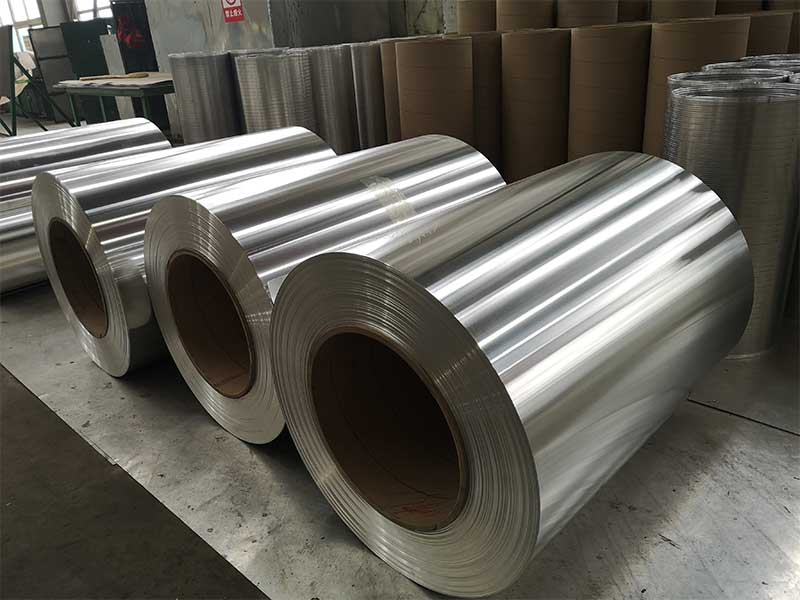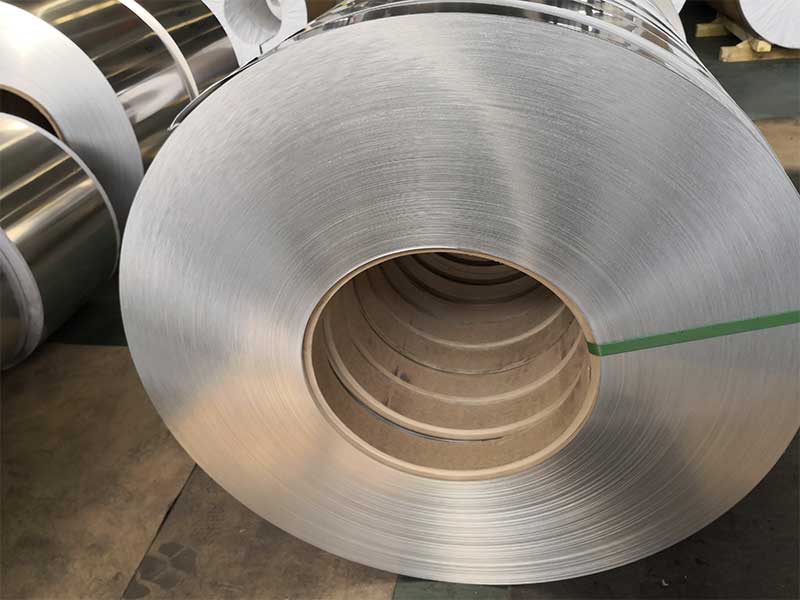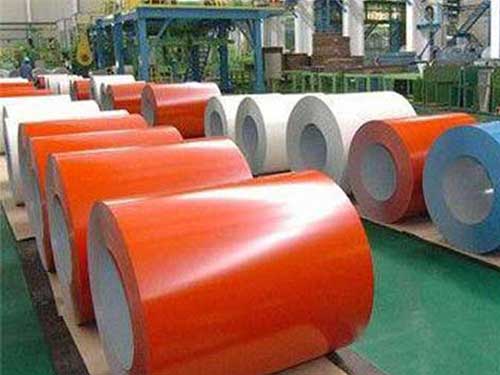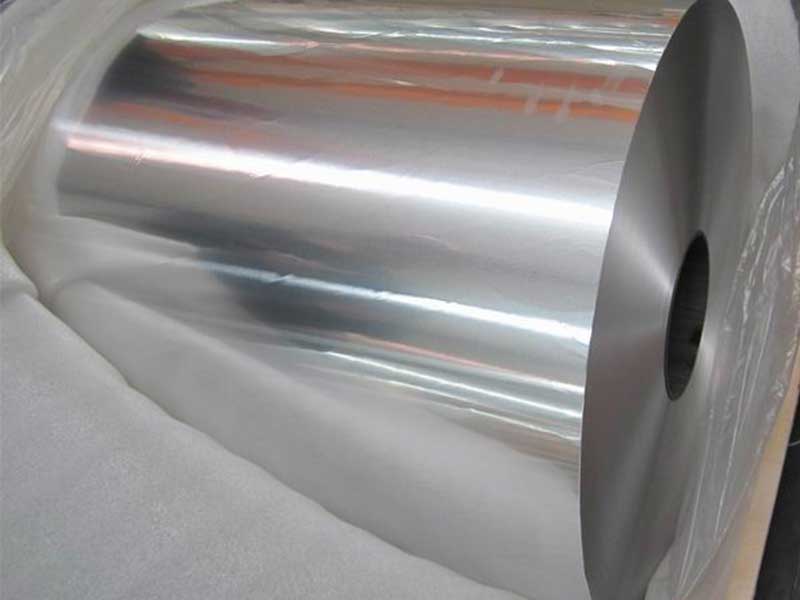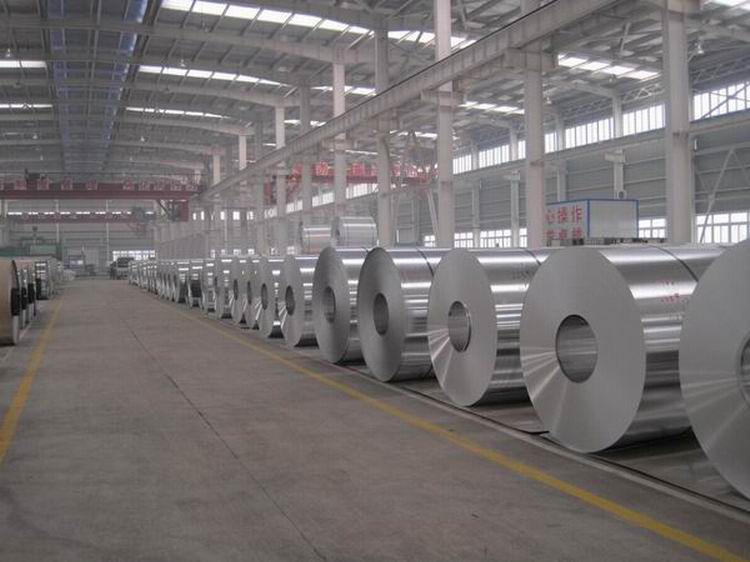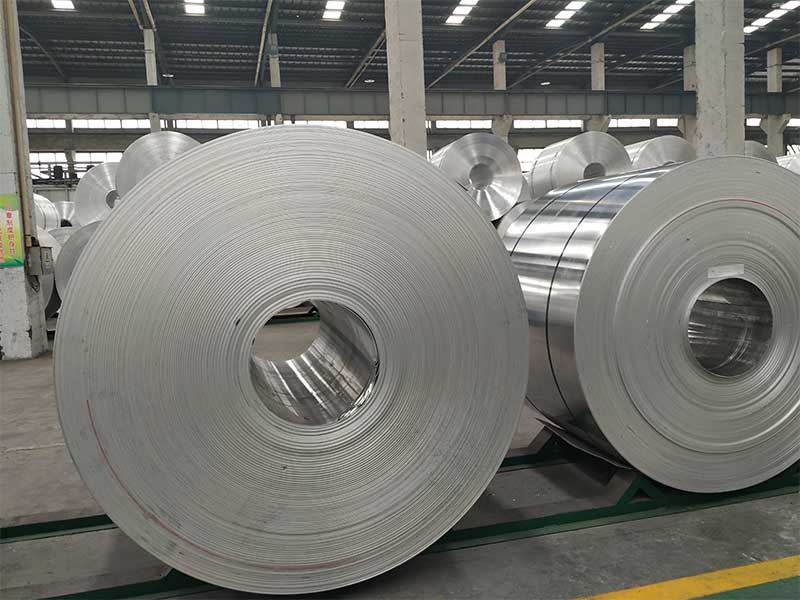

Anodized flat aluminum coil
If you ask people what anodizing is, many will answer with color. Black trim, champagne frames, bright silver panels. But when I look at an anodized flat aluminum coil, I see something more quietly powerful: a material delivered in continuous length, already "pre-decided" for performance. Coil is not just a product form; it's a promise of repeatability. Anodizing, meanwhile, is not just a finish; it's a controlled transformation of the surface into a functional oxide that becomes part of the metal. Put them together and you get a supply format that speaks to modern manufacturing-fast, consistent, and surprisingly nuanced.
Why "flat coil" changes the conversation
Most surface discussions start at the part level: a panel, a bracket, a trim piece. Coil flips the order. You anodize first, then form and cut. That shift changes what you must care about.
In coil processing, the surface has to survive being unrolled, tensioned, slit, stamped, roll-formed, bent, or laminated. Any weakness in oxide integrity, sealing quality, lubrication choice, or alloy selection becomes visible at scale. Coil also magnifies small variations: a slight mismatch in bath chemistry or line speed can turn into thousands of meters of cosmetic inconsistency. When customers choose anodized flat aluminum coil, they are often buying "process stability" as much as they are buying metal.
What anodizing really gives you
Anodizing converts the outer layer of aluminum into aluminum oxide through an electrolytic process. Unlike paint, it is not a layer that merely sits on top; it grows from the substrate. That oxide is hard, adherent, and-when properly sealed-highly resistant to weathering.
For flat coil, the most common anodizing type is sulfuric acid anodizing, producing a clear or dyed film. Thickness is typically chosen based on end use.
Common film thickness ranges you'll see specified include:
- Decorative indoor and light-duty trim where appearance is key: about 5–10 μm
- General architectural and exterior components: about 10–20 μm
- Higher wear needs (more typical of hard anodizing on parts than on coil): can exceed 25 μm, though coil hard anodizing is less common due to forming demands
From a practical perspective, coil anodizing must balance thickness with formability. A thicker oxide can improve corrosion and abrasion resistance, but it can also increase the risk of micro-cracking at tight bend radii. That is why coil buyers often ask about minimum bend radius and the forming direction relative to rolling.
Alloy choice: the hidden design decision
A distinctive thing about anodized coil is that alloy selection is as much about surface aesthetics as it is about mechanical strength. Different alloys respond differently to anodizing due to their chemistry and microstructure.
For coil used in trims, claddings, and decorative profiles, common choices include the 3xxx and 5xxx series, and in some cases 1xxx/8xxx for specific applications. The 6xxx series is popular in extrusions, but for coil it depends on the forming and strength requirements.
Here is a practical, customer-facing view:
- 1050/1060/1100 (1xxx series): very high purity, excellent brightness and uniform anodized appearance; relatively low strength.
- 3003/3105 (3xxx series, Al-Mn): good formability, widely used for architectural coil and general forming; anodized appearance is typically consistent and forgiving.
- 5052/5005 (5xxx series, Al-Mg): stronger, good corrosion resistance, common in marine-adjacent environments; some Mg levels can influence shade and uniformity, so appearance control matters.
- 8011 (8xxx series): frequently used in packaging/fin stock; anodizing is possible but less typical for decorative architectural coil.
Temper and forming: coil is a manufacturing material, not a museum piece
Coil is purchased to be formed. That means temper is not just a line on a certificate; it determines whether the anodized surface stays beautiful after bending.
Typical tempers seen in flat coil for forming and architectural use include:
- O (annealed): maximum ductility, best for deep forming; lower strength
- H14/H24: half-hard variations balancing strength and formability
- H16/H26: higher strength, reduced formability; use when the design has gentle bends
For anodized coil, a practical rule is to match temper and bend radius to the oxide thickness and the end part geometry. If you are roll-forming long profiles with mild radii, a harder temper may be fine. If you need tight hems or aggressive bends, you typically move toward softer temper or reduce film thickness, and you validate with bend tests on the actual line.
Implementation standards customers actually encounter
Different markets call out different anodizing standards. The is not memorizing numbers; it's knowing what they imply about thickness, sealing, test methods, and acceptance.
Commonly referenced standards include:
- ISO 7599: anodizing of aluminum and its alloys, general specifications for anodic oxidation coatings
- ISO 10074: specification for hard anodizing (less common for coil, but relevant when higher wear resistance is required)
- ASTM B580: anodic oxide coatings on aluminum, often used in North America
- AAMA 611: architectural anodized aluminum performance requirements (frequently referenced for exterior building products)
If your application is architectural, you should pay special attention to sealing quality and color consistency requirements, because sunlight and pollution will punish shortcuts. For interior decorative parts, fingerprint resistance and cleanability may matter more than maximum thickness.
Chemistry and properties: what matters on the certificate
Anodized coil performance begins with base metal chemistry. Below is a concise reference table of typical chemical limits for frequently used coil alloys. Values can vary slightly by standard and producer; always confirm with the applicable specification and mill certificate.
Typical chemical composition (wt.%)
| Alloy | Si | Fe | Cu | Mn | Mg | Zn | Ti | Al |
|---|---|---|---|---|---|---|---|---|
| 1100 | ≤0.95 (Si+Fe) | - | 0.05–0.20 | ≤0.05 | ≤0.05 | ≤0.10 | - | Remainder |
| 3003 | ≤0.60 | ≤0.70 | 0.05–0.20 | 1.0–1.5 | ≤0.10 | ≤0.10 | - | Remainder |
| 3105 | ≤0.60 | ≤0.70 | ≤0.30 | 0.30–0.80 | 0.20–0.80 | ≤0.40 | ≤0.10 | Remainder |
| 5005 | ≤0.30 | ≤0.70 | ≤0.20 | ≤0.20 | 0.50–1.1 | ≤0.25 | ≤0.20 | Remainder |
| 5052 | ≤0.25 | ≤0.40 | ≤0.10 | ≤0.10 | 2.2–2.8 | ≤0.10 | - | Remainder |
From a surface perspective, iron and silicon can influence brightness and the tendency for visible streaks. Magnesium influences shade and can affect the "feel" of color matching across lots. Manganese stabilizes formability and can help with uniformity in many coil applications.
The anodized surface as an engineered interface
A coil customer often asks, "Will it scratch?" The better question is, "What is the interface required to do?" Because in modern products, the anodized surface might be asked to bond, slide, resist fingerprints, hold color, or dissipate heat.
Anodic films can be clear or dyed. They can be sealed in hot water, nickel acetate, or other systems. Sealing improves corrosion resistance but can slightly alter color tone and can influence adhesion for certain adhesives. If you plan to laminate or bond to the anodized surface, it is worth aligning early on the sealing type and surface preparation, and running peel tests under realistic aging conditions.
A practical buyer's checklist, in plain language
When you buy anodized flat aluminum coil, you are buying three things at once: base metal, oxide, and consistency over length. The most common sources of downstream problems are not mysterious. They are predictable mismatches between the forming method and the anodic film, between alloy chemistry and the desired appearance, or between the standard on paper and the environment in real life.
Ask your supplier about film thickness target and tolerance, sealing method, color control approach, and coil-to-coil variation limits. Confirm temper, directionality requirements for forming, and whether a protective film is recommended for transport and stamping. And if the part is exterior, treat the anodized coil like an architectural element, not like a generic sheet-UV, salt, and urban grime will test every shortcut.
Flat coil is time saved: continuous production, predictable yield, fast throughput. Anodizing is memory: it records the alloy's chemistry, the line's discipline, the sealing's completeness, and the care taken in handling. That is why anodized flat aluminum coil feels different from a simple metal commodity. It is a surface with a biography, delivered by the meter, ready to be formed into something that must keep its promise long after the factory has moved on.