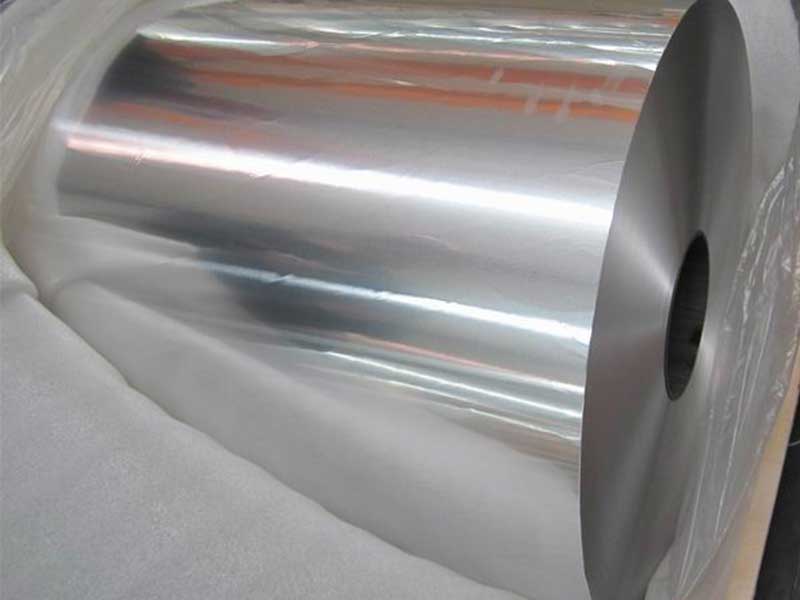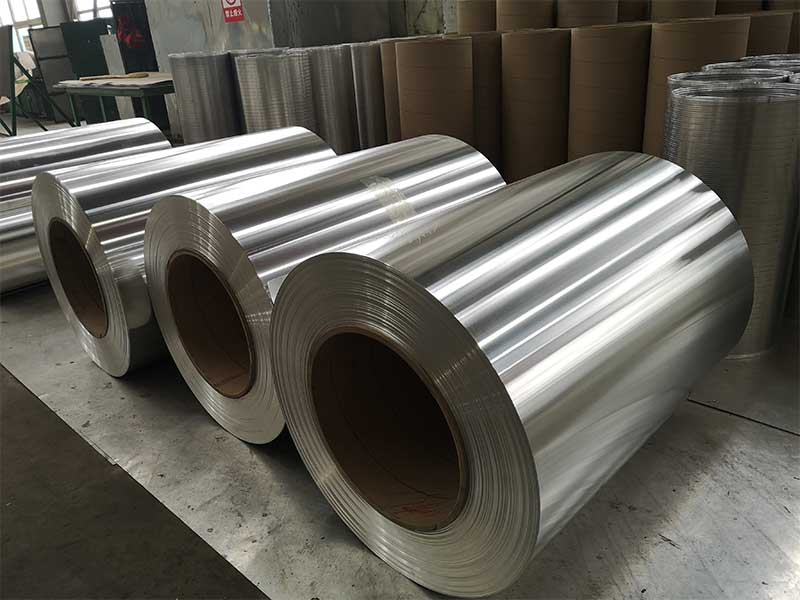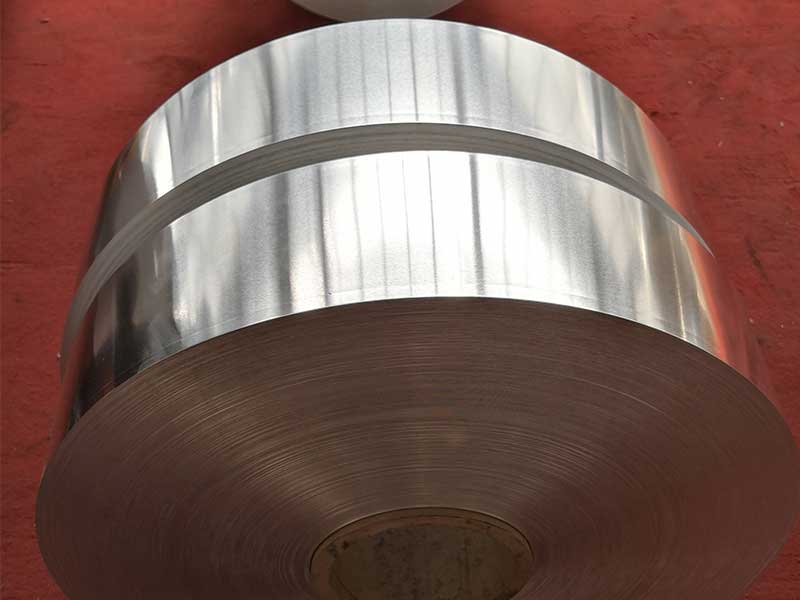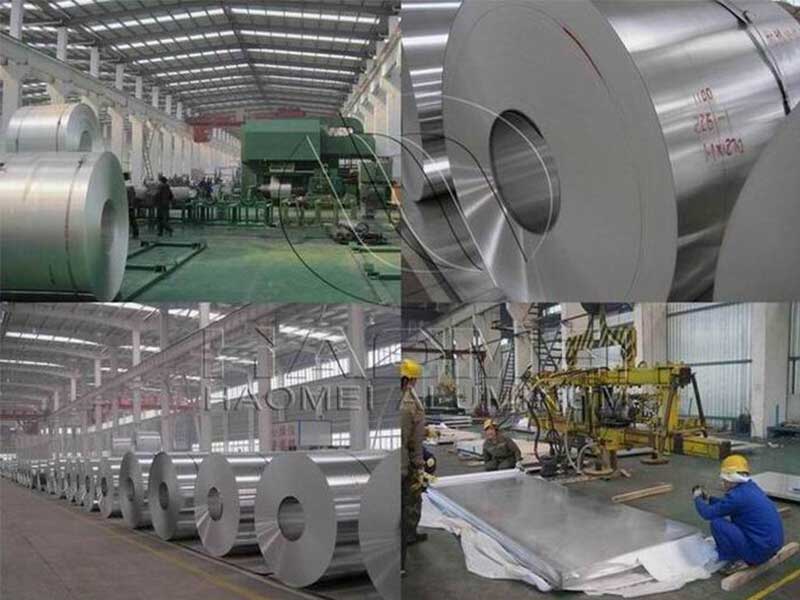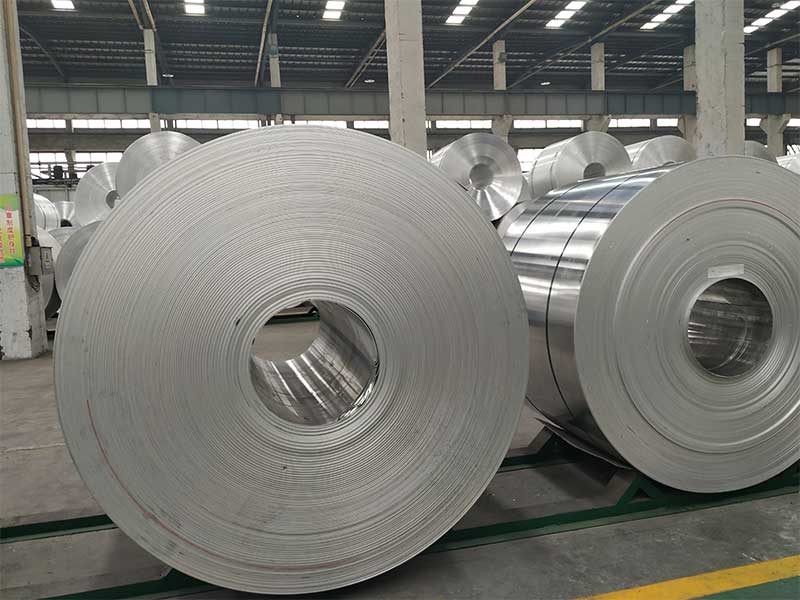

Aluminum coil 1050 1060 1100 3003 3104 5052 5086 5086 6061 6063
Choosing an aluminum coil is often treated like picking from a catalog of alloy numbers, but a more useful way to see it is as selecting a "performance bias" that will follow the product through forming, joining, finishing, and decades of service. In coil form, that bias becomes even more visible: coil means continuous processing, long forming windows, strict flatness expectations, and consistent response to painting, anodizing, or brazing. The families represented by 1050, 1060, 1100, 3003, 3104, 5052, 5086, 6061, and 6063 span almost the entire practical spectrum-from ultra-clean electrical conductivity to saltwater durability to structural strength with heat treatability. The distinctive viewpoint here is to treat each alloy not as a "grade," but as a "behavior profile" under the three realities of coil products: cold work, surface condition, and corrosion environment.
Pure aluminum coils: 1050, 1060, 1100 as "surface and conductivity specialists"
The 1xxx series is the closest you get to "aluminum itself." In coils, 1050, 1060, and 1100 are usually selected when the surface is the product, or when conductivity dominates the design. Their strength is modest, but their formability is exceptional, and their corrosion resistance is inherently strong because there are few alloying elements to set up galvanic micro-cells.
1050 and 1060 are workhorses for deep drawing, spinning, reflective panels, nameplates, lamp reflectors, and transformer or winding-related parts where conductivity is critical. 1060 generally edges 1050 in conductivity and purity-driven corrosion behavior. 1100 includes a little more controlled chemistry (often slightly higher copper allowance than the highest-purity grades), which can raise strength marginally while staying highly formable; it is common for fin stock, heat exchanger-related sheet/coil where forming and surface uniformity matter.
From a coil-processing standpoint, these alloys "tell the truth" about your rolling and annealing. Any chatter marks, roll wear patterns, or cleaning residue will show up in bright finishing. They respond well to full anneal tempers like O for maximum formability, and to H12/H14 for light strengthening by cold work when you need better dent resistance but still want simple bending and hemming.
3xxx series coils: 3003 and 3104 as "forming strength with food-safe corrosion stability"
If 1xxx is about purity, 3xxx is about the quiet power of manganese. 3003 is among the most commonly used aluminum alloys in coil because it balances formability, moderate strength, and excellent general corrosion resistance. It is a natural choice for cookware, appliance panels, roofing and siding, HVAC parts, and general sheet metal forming where weldability and paint response matter.
3104 is often misunderstood as "just another 3003," but in coil markets it is strongly associated with drawn-and-ironed can stock and packaging sheet, where strength after forming and consistency in earing behavior are critical. 3104's chemistry and processing route are tuned to provide higher strength than 3003 at similar gauge, while maintaining the ductility needed for aggressive forming. In practical applications beyond beverage cans, that same profile suits closures, thin-gauge housings, and parts where you want 3xxx corrosion behavior but need a stronger "springback backbone" than 3003.
A useful technical lens is temper selection: 3003-H14 is a classic for general fabrication; 3003-O is favored for deep drawing. For 3104, H19 and related high-cold-work tempers appear frequently where strength and dimensional stability in thin gauges matter.
5xxx series coils: 5052 and 5086 as "real-world corrosion armor with structural forming"
When the service environment includes marine air, road salt, industrial moisture, or chemical splash, the 5xxx series becomes the practical answer. Here magnesium is the main lever: it raises strength by solid-solution strengthening without heat treatment and preserves good corrosion resistance in many environments.
5052 is the coil alloy that many fabricators trust blindly because it rarely surprises them. It bends well, resists corrosion, welds reliably, and takes paint effectively. Typical coil applications include fuel tanks, electronics enclosures, architectural trim, pressure vessel components at moderate stresses, and general marine-adjacent sheet metal.
5086 pushes further into marine structural territory. With higher magnesium than 5052, it offers higher strength and excellent resistance to seawater corrosion, which is why you see it in boat hull plating, gangways, ship structures, and transportation panels exposed to deicing salts. In coil form, 5086 demands more respect during forming: it can still be formed, but bend radii must be chosen with grain direction and temper in mind. Tempers such as H116 and H321 are commonly specified for marine service because they control exfoliation corrosion susceptibility and ensure stable mechanical properties after processing.
A technical caution with 5xxx coils is exposure to elevated temperatures. Sustained service above roughly 65–120 °C (depending on alloy/temper and stress state) can risk sensitization in higher-magnesium alloys, which may reduce resistance to certain corrosion modes. Good specifications address this by choosing appropriate tempers, controlling thermal exposure, and applying suitable joining and coating practices.
6xxx series coils: 6061 and 6063 as "heat-treatable architecture and machinable structure"
The 6xxx series changes the game because it is precipitation hardenable. Magnesium and silicon form Mg₂Si, allowing a wide strength range through solution heat treatment and aging. In coil markets, these alloys are less common than in extrusion, but they are increasingly used when a sheet/coil product must behave structurally, hold threads, or maintain stiffness at thinner gauges.
6061 is the "structural generalist." It offers a strong combination of strength, machinability, and weldability. In coil, it is used for transportation components, brackets, frames, and formed sections that later receive heat treatment or are used in a temper like T6/T651 when supplied as sheet. When formed in softer tempers such as O or T4, it can be bent and then aged to regain strength. That workflow is valuable when you need both formability and final mechanical performance.
6063 is the "finish specialist" within heat-treatable alloys. It is famous in extrusion for superior anodizing appearance, and in sheet/coil it is chosen when surface quality and uniform anodized color are paramount, while still offering decent strength after aging. Architectural panels, decorative trim, and components where anodizing is not merely protective but aesthetic benefit from 6063's cleaner response.
Chemistry and what it implies in coil applications
Below is a typical composition window reference (mass %, common industry ranges; always confirm with the governing standard and supplier mill cert):
| Alloy | Si | Fe | Cu | Mn | Mg | Cr | Zn | Ti | Al (bal.) |
|---|---|---|---|---|---|---|---|---|---|
| 1050 | ≤0.25 | ≤0.40 | ≤0.05 | ≤0.05 | ≤0.05 | - | ≤0.07 | ≤0.05 | ≥99.5 |
| 1060 | ≤0.25 | ≤0.35 | ≤0.05 | ≤0.03 | ≤0.03 | - | ≤0.05 | ≤0.03 | ≥99.6 |
| 1100 | Si+Fe ≤0.95 | - | 0.05–0.20 | ≤0.05 | - | - | ≤0.10 | ≤0.05 | ≥99.0 |
| 3003 | ≤0.60 | ≤0.70 | ≤0.05–0.20 | 1.0–1.5 | - | - | ≤0.10 | ≤0.10 | bal. |
| 3104 | ≤0.60 | ≤0.80 | ≤0.25 | 0.8–1.4 | 0.8–1.3 | ≤0.10 | ≤0.25 | ≤0.10 | bal. |
| 5052 | ≤0.25 | ≤0.40 | ≤0.10 | ≤0.10 | 2.2–2.8 | 0.15–0.35 | ≤0.10 | ≤0.10 | bal. |
| 5086 | ≤0.40 | ≤0.50 | ≤0.10 | 0.2–0.7 | 3.5–4.5 | 0.05–0.25 | ≤0.25 | ≤0.15 | bal. |
| 6061 | 0.4–0.8 | ≤0.7 | 0.15–0.40 | ≤0.15 | 0.8–1.2 | 0.04–0.35 | ≤0.25 | ≤0.15 | bal. |
| 6063 | 0.2–0.6 | ≤0.35 | ≤0.10 | ≤0.10 | 0.45–0.9 | ≤0.10 | ≤0.10 | ≤0.10 | bal. |
What this table "means" in practice is that small chemistry shifts create big downstream behavior changes. Manganese in 3003/3104 helps control grain structure and strength after rolling. Magnesium in 5052/5086 lifts strength and improves marine performance but influences forming limits and high-temperature corrosion risk. Silicon and magnesium together in 6061/6063 enable the heat-treatment pathway that can turn a formable sheet into a stiff structural part.
Standards, tempers, and coil-specific realities
Most aluminum coils for these alloys are supplied under ASTM B209 (or EN AW equivalents under EN 485 for chemical and mechanical requirements). Marine-focused 5xxx tempers like H116/H321 are often controlled by additional requirements related to exfoliation and intergranular corrosion performance, commonly aligned with marine classification expectations and project specifications.
Tempers are not paperwork; they are the alloy's "current state." O maximizes ductility for forming. H12/H14/H16/H18 indicate increasing cold work for non-heat-treatable alloys, trading formability for strength and flatness stability. T4 and T6 on 6xxx alloys define whether you are buying formability now (T4) or strength now (T6), and whether post-form aging is part of your manufacturing plan.
In the end, the smartest way to specify "aluminum coil 1050 1060 1100 3003 3104 5052 5086 6061 6063" is to begin with what the coil must survive: a forming path, a joining method, a finishing requirement, and an environment. Once those are known, the alloy number stops being a guess and becomes a deliberate choice of behavior.
1050 1060 1100 3003 3104 5052 5086 6061 6063
https://www.al-alloy.com/a/aluminum-coil-1050-1060-1100-3003-3104-5052-5086-5086-6061-6063.html