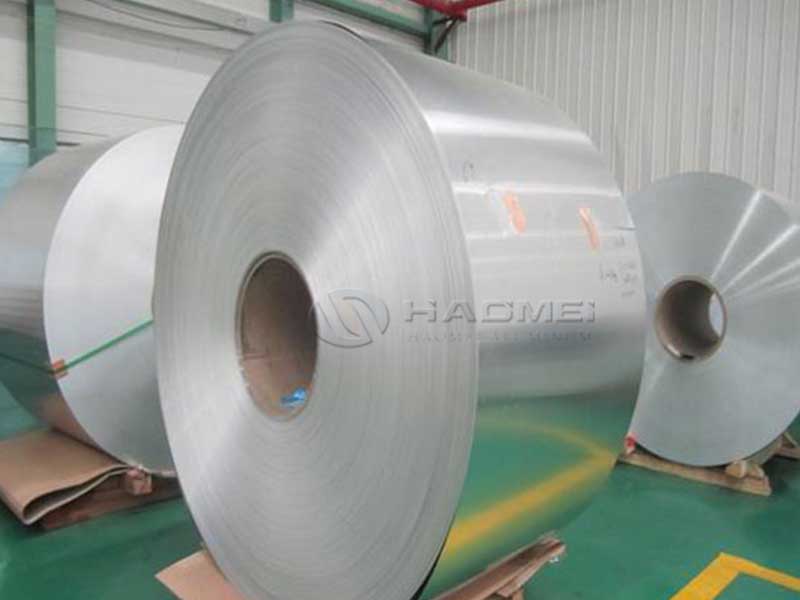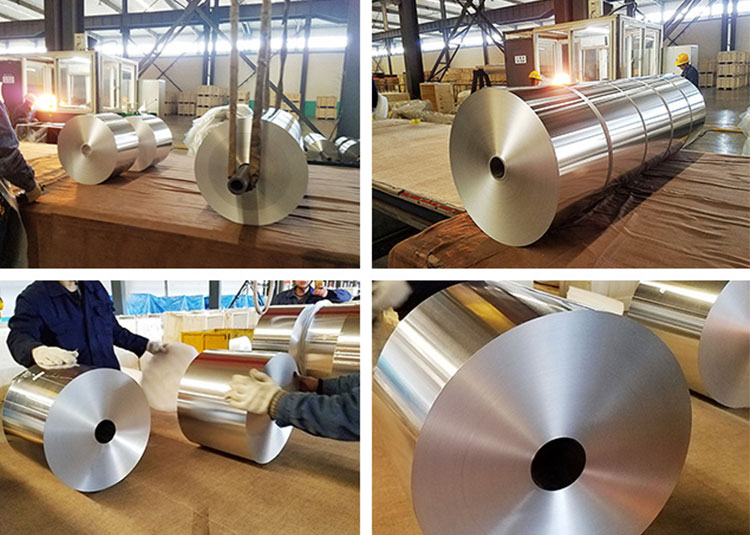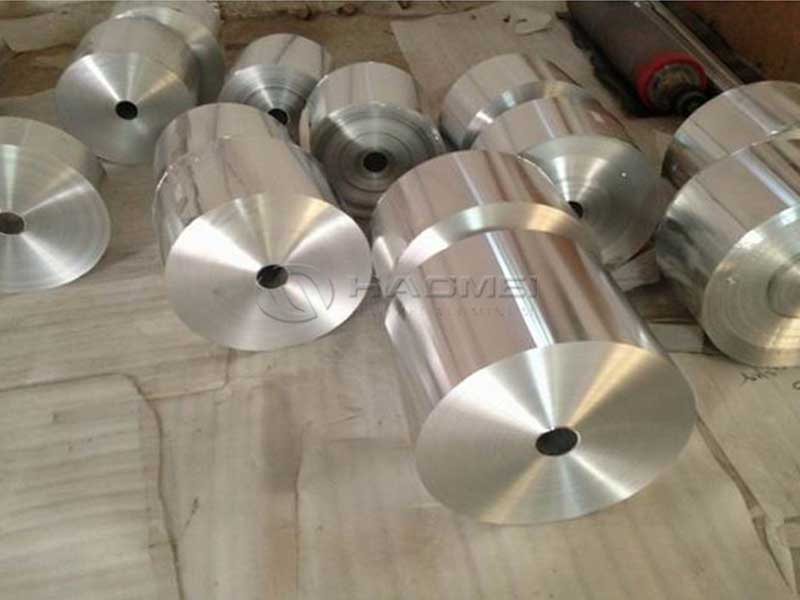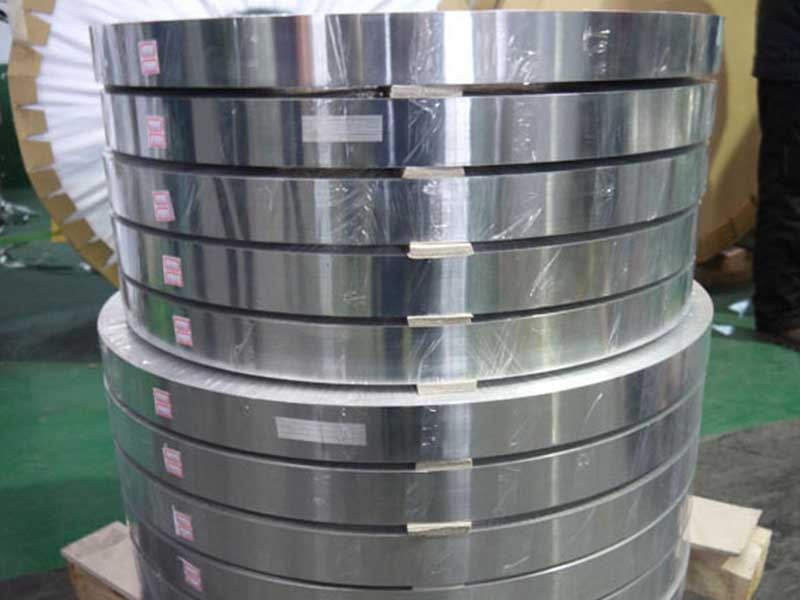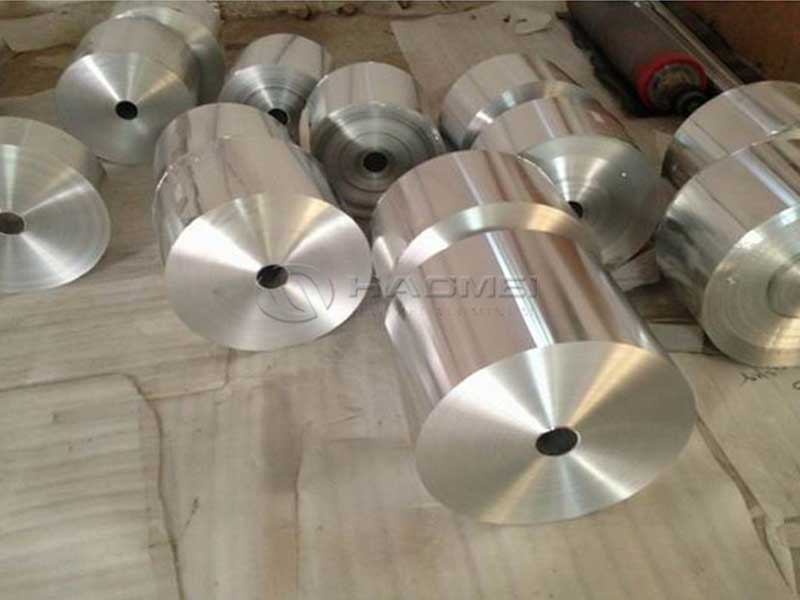

Thickness aluminum foil
When you think of aluminum foil, you probably imagine the shiny wrap you use in your kitchen to cover leftovers or grill veggies. But have you ever stopped to wonder why thickness matters in aluminum foil? Spoiler alert: it's not just about making it tear-resistant or crinkly.
Why Thickness Matters
Aluminum foil isn't a one-size-fits-all product. Its thickness-usually measured in microns or mils (a mil is one-thousandth of an inch)-can range from ultra-thin kitchen foil at about 6 microns, up to heavy-duty industrial grades that are 60 microns or more. This thickness essentially defines what your foil can do.
Thin foil is great for everyday kitchen uses like wrapping sandwiches or lining baking trays. Easy to fold and cut, it's perfect when you don't need heavy protection. But it won't stop sharp edges or very high heat as effectively.
Thicker foil, on the other hand, acts like a barrier superhero. It resists tears, shrinks less under heat, and shields better against moisture, light, and even gases. That's why it's preferred for packaging sensitive products like pharmaceutical pills or high-end chocolates.
Functions You Might Not Expect
Beyond kitchens, aluminum foil's thickness dictates performance in some pretty cool applications:
Thermal regulation: In building insulation, thicker foil layers reflect heat efficiently, keeping homes cooler or warmer as needed.
Electronics: Ultra-thin aluminum foil is used in capacitors and transformers, where even a tiny gauge can handle electrical demands without adding bulk.
Food packaging: Depending on what's inside-whether it's a frozen meal or coffee beans-the thickness of the foil ensures freshness and prolongs shelf life by controlling moisture and oxygen penetration.
A Technical Nudge
If you're selecting foil for a project, consider this: doubling the foil's thickness roughly doubles its durability and barrier qualities. But beware, it also increases cost and decreases flexibility, making it harder to fold or shape. So there's always a bit of balancing act going on.
In a Nutshell
Next time you grab a roll of aluminum foil, remember it's not just a shiny kitchen helper. Its thickness is a player that tailors it to tasks ranging from cooking to high-tech manufacturing. Whether you need flimsy and convenient or tough and protective, aluminum foil's thickness has you covered-literally.