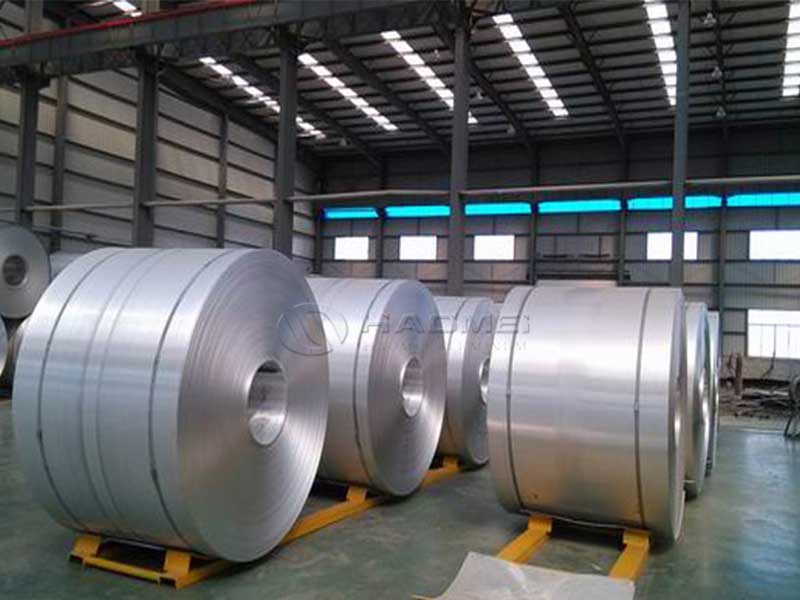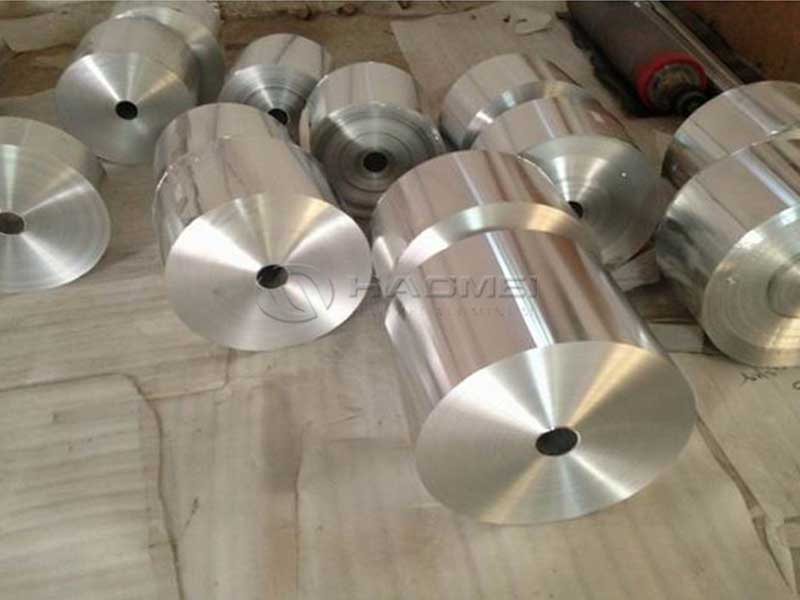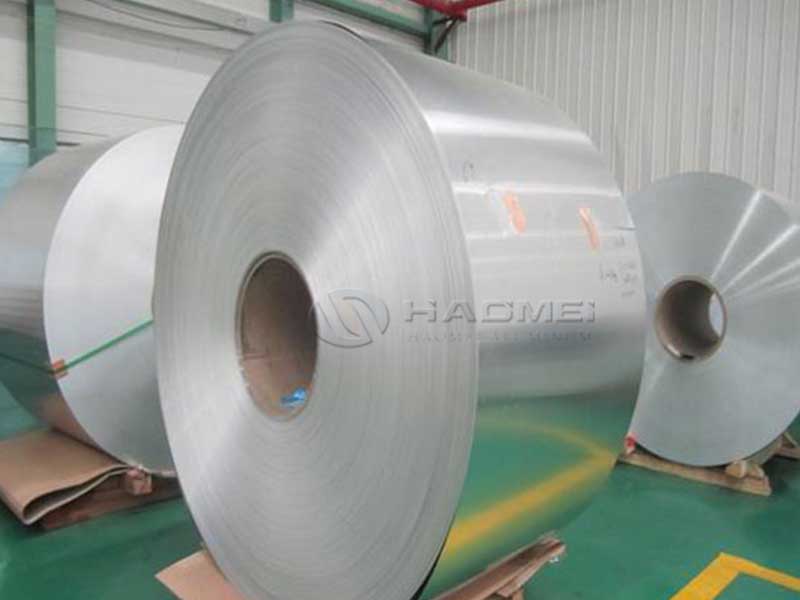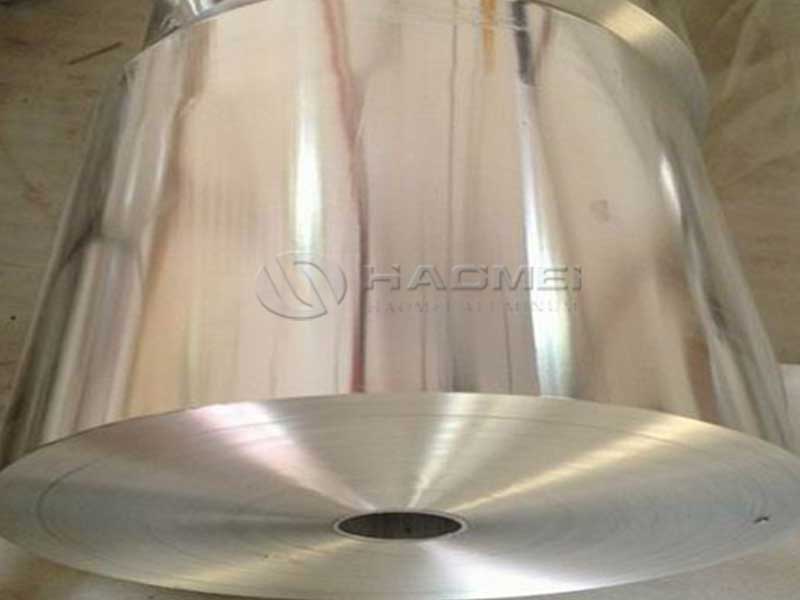

Plain Aluminum Foil for Packaging A8079
Packaging is often described as protection, presentation, and preservation. But plain aluminum foil-especially alloy A8079-adds a fourth role that is easy to overlook: it acts like a disciplined border between a product and the messy, unpredictable world. When you choose A8079 foil for packaging, you are not merely picking "a thin metal sheet." You are selecting a material system that balances barrier performance, forming behavior, cleanliness, and process stability in a way that quietly supports modern manufacturing.
From my perspective, A8079 is the packaging engineer's "calm alloy." It rarely demands attention, yet it keeps production lines consistent, helps brands avoid leakage and odor transfer, and protects sensitive contents from light and oxygen. It is plain foil, but it is not a simple choice.
Why A8079 feels "plain" but performs like a specialist
A8079 belongs to the 8xxx series aluminum alloys, where the chemistry is tuned for foil and heat transfer applications. The practical value in packaging comes from its ability to roll down to very thin gauges while maintaining pinhole resistance, adequate strength, and good converting behavior. In day-to-day operations-lamination, printing, slitting, embossing, and sometimes forming-A8079 often provides a forgiving processing window.
The "plain" in plain foil matters. It typically indicates an uncoated, unprinted surface delivered for further converting. That means the foil must arrive with stable surface condition, low oil residue, consistent roughness, and reliable mechanical properties so it can accept adhesives, inks, or extrusion coatings without surprises. In that setting, A8079's value is not flashy; it is repeatability.
Typical applications in packaging
A8079 plain foil is commonly used where a strong barrier layer is required, including flexible packaging laminates for food, confectionery, dairy lidding structures, pharmaceutical sachets, household product pouches, and various overwraps. It also appears in insulation-facing packaging and specialty wraps where the barrier function and metallic appearance matter.
In many of these structures, the foil is not alone. It is laminated with paper, PET, BOPP, PE, or other layers. If the laminate is a "team," A8079 is the player that blocks oxygen, moisture, aroma loss, and light. When it is used correctly, it can extend shelf life and maintain sensory quality-crispness, flavor, fragrance-without adding taste or odor.
Chemical composition: what defines A8079
The 8079 alloy is generally characterized by a higher iron and silicon content than some other foil alloys, which helps rolling behavior and can contribute to strength at thin gauges. Exact limits can vary by standard and supplier practice, so procurement should reference the applicable specification and mill test certificate.
Typical chemical composition limits for Aluminum Alloy 8079 (wt.%)
| Element | Typical limit (wt.%) |
|---|---|
| Si | 0.05–0.30 |
| Fe | 0.70–1.30 |
| Cu | ≤ 0.10 |
| Mn | ≤ 0.10 |
| Mg | ≤ 0.10 |
| Zn | ≤ 0.10 |
| Ti | ≤ 0.08 |
| Others (each) | ≤ 0.05 |
| Others (total) | ≤ 0.15 |
| Al | Remainder |
These values are representative of widely used industry ranges for 8079 foil stock. In practice, small chemistry differences influence rolling load, final strength after anneal, and pinhole tendency-details that matter far more in foil than in plate or extrusion.
Temper and annealing: the "feel" that converters notice
Foil is judged by touch as much as by data. Converters will tell you whether a coil feels "dead soft," "springy," or "nervous" on the unwinder. Those sensations usually trace back to temper and annealing.
Common tempers for plain packaging foil include O (fully annealed), H18 (full hard), and intermediate Hxx tempers used for specific converting needs. For packaging laminations, soft foil is widely used because it drapes and bonds well, and it can improve dead-fold characteristics where required.
Typical temper intent for packaging use
- O (annealed/soft): preferred for lamination, embossing, and applications needing excellent conformability
- H18 (full hard): used when higher strength and stiffness are needed, often at slightly heavier gauges or where handling damage must be minimized
- Intermediate H tempers: selected to balance stiffness and formability for a specific machine setup
Annealing practice is not just a heat treatment step; it is also a cleanliness and stability step. Properly controlled annealing helps reduce residual rolling oils and stabilizes mechanical properties, which supports consistent lamination bond strength and reduces odor risk.
parameters that determine packaging success
Plain A8079 foil lives or dies by a few practical parameters that operators care about on the line.
Gauge and gauge uniformity are foundational. Common packaging foil thicknesses often fall in the approximate range of 6–30 μm depending on the structure and barrier target. Thinner foil can deliver excellent barrier, but it is more sensitive to pinholing and handling damage. Thicker foil offers robustness but costs more and can reduce flex-crack resistance in aggressive forming or repeated bending.
Pinhole performance is the quiet quality indicator. Even when the alloy is correct, pinholes can increase due to inclusions, rolling defects, aggressive slitting, or poor handling. For high-barrier structures, buyers typically specify pinhole counts by area and size class, measured under standardized inspection conditions.
Surface condition influences everything downstream: wettability, lamination bond, print appearance, and seal integrity in some structures. Converters usually evaluate surface cleanliness by dyne testing, oil residual checks, and visual criteria for scratches, streaks, and roll marks.
Mechanical properties for foil are often expressed as tensile strength and elongation, but in packaging operations, what matters is how those properties translate into web handling stability, tear behavior, and resistance to wrinkling.
Indicative mechanical property ranges (typical, varies by gauge and mill practice)
| Temper | Tensile strength (MPa) | Elongation (%) |
|---|---|---|
| O | ~45–90 | ~1.5–8 |
| H18 | ~140–200 | ~1–3 |
These are practical reference ranges rather than guaranteed values. Always confirm with supplier test reports tied to the purchased thickness and standard.
Standards and implementation practices that buyers lean on
For plain aluminum foil in packaging, procurement and quality teams commonly align with established aluminum product standards and with packaging hygiene requirements. Depending on region and customer industry, this may involve ASTM or EN aluminum standards for composition and mechanical testing, plus food-contact or pharma-contact compliance frameworks.
Implementation in real plants often translates into a checklist culture rather than a textbook standard: controlled incoming inspection, traceable coil IDs, humidity control in storage, edge protection, and disciplined handling to prevent denting and telescoping. A8079 will not rescue careless logistics; thin foil remembers every impact.
How A8079 behaves in lamination and converting
Plain A8079 is frequently used as the barrier ply in solvent-based or solvent-free adhesive lamination, as well as extrusion lamination. From a converter's viewpoint, the most valuable trait is process stability: consistent surface energy, manageable curl, and predictable tension behavior.
If you want a distinctive way to think about it, treat A8079 like a mirror that records your process. If your nip pressure is uneven, the foil will show creases. If your adhesive coat weight is unstable, the foil will reveal bond variation. If your slitting knives are dull, the foil edges will burr and propagate tears. In other words, A8079 is honest-excellent when the process is good, unforgiving when it is not.
Choosing A8079: a practical decision, not a fashionable one
There are other foil alloys used in packaging, and each has its place. A8079 earns its reputation because it performs well in thin gauges, supports barrier-focused designs, and fits into the realities of high-speed converting. It is not chosen to impress. It is chosen to reduce risk: risk of pinholes, risk of unstable webs, risk of inconsistent lamination, risk of shelf-life loss.
Plain aluminum foil for packaging A8079 is, in a sense, packaging's quiet contract. It promises the product that the outside world will stay outside-light, oxygen, moisture, and odors held at a clean metallic boundary-so that what the consumer experiences is closer to what the producer intended.
https://www.al-alloy.com/a/plain-aluminum-foil-for-packaging-a8079.html