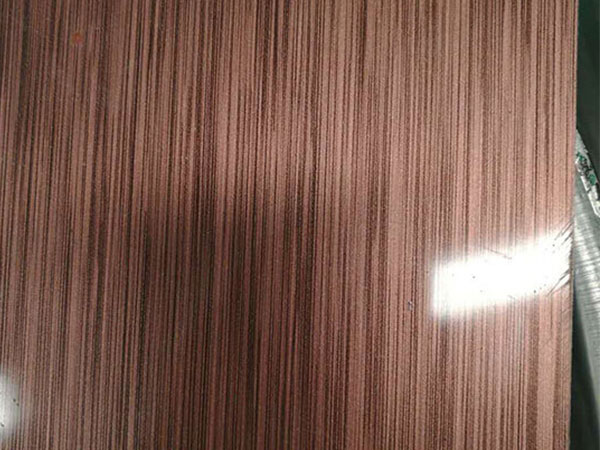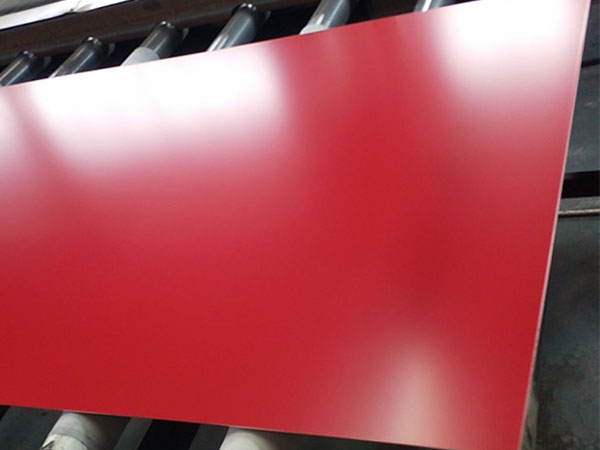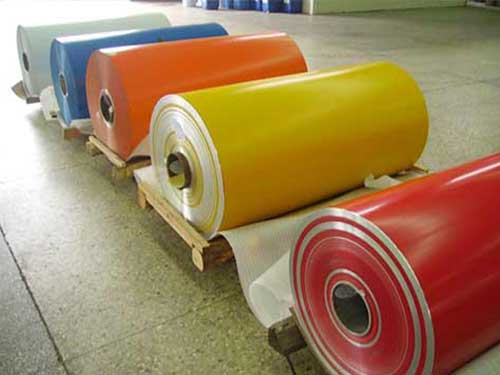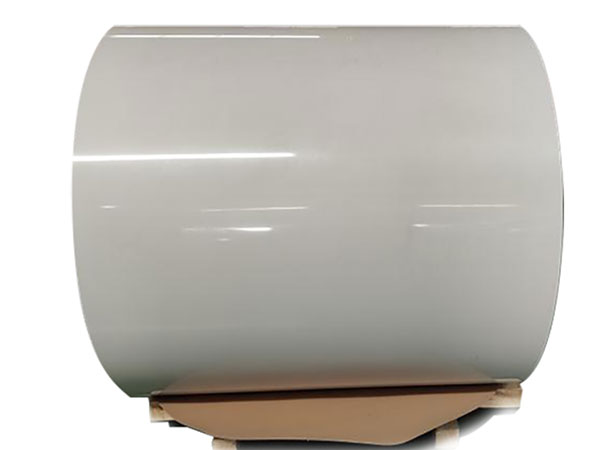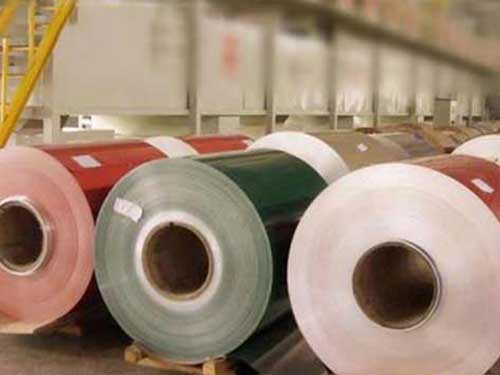

5052 5005 5754 5083 color coated aluminum coils
Color coated aluminum coils made from 5052, 5005, 5754, and 5083 alloys combine the corrosion resistance and formability of Al–Mg alloys with the aesthetics and durability of advanced coating systems. This product family is widely used where appearance, weathering stability, and long service life must coexist with lightweight structural performance-from architectural envelopes to transportation, marine-related components, and industrial enclosures.
Unlike "painted sheet" as a generic concept, a well-made color coated coil is an engineered system: substrate alloy + surface pretreatment + primer + topcoat + cure control. Selecting the correct alloy (5005 vs 5052 vs 5754 vs 5083) allows customers to tune strength, bendability, and corrosion resistance, while selecting the coating (e.g., PE, PVDF, SMP) determines UV stability, chalking resistance, chemical durability, and gloss retention.
5052/5005/5754/5083 color coated aluminum coil is supplied in coil form with a factory-applied organic coating on one or both sides. The coating is applied by coil coating lines, ensuring uniform film thickness, consistent curing, and stable color/gloss.
Features (Customer Value)
- High corrosion resistance (excellent for coastal/industrial atmospheres; 5083/5754 particularly strong performers)
- Attractive, consistent appearance (tight color control and gloss uniformity)
- Excellent formability for roll forming, profiling, stamping, and brake bending (5005/5052 often favored for decorative bends)
- Low weight + high strength-to-weight ratio (enables lighter panels and improved fuel/energy efficiency)
- Fast fabrication (pre-finished: reduces on-site painting, VOC emissions, and rework)
- Recyclable aluminum substrate with long lifecycle benefits
Alloy Selection Guide (5052 vs 5005 vs 5754 vs 5083)
All four alloys belong to the 5xxx series (Al–Mg) and are known for corrosion resistance and good weldability. The differences mainly come from magnesium level, strength, and typical applications.
| Alloy | Typical Strength Level | Corrosion Resistance | Forming/Bending | Typical Preference |
|---|---|---|---|---|
| 5005 | Medium-low | Very good (general) | Excellent surface/finishing | Architectural trim, decorative panels |
| 5052 | Medium | Excellent | Very good | General fabrication, appliance panels, enclosures |
| 5754 | Medium-high | Excellent (marine atmosphere capable) | Good | Automotive panels, flooring, industrial panels |
| 5083 | High | Outstanding (marine-grade) | Moderate (higher strength) | Marine-related panels, heavy-duty cladding, tanks |
Practical selection tip:
- Choose 5005 when surface quality and aesthetic finishing are the priority.
- Choose 5052 for balanced cost, formability, and corrosion resistance.
- Choose 5754 when you need a step up in strength and fatigue performance (common in automotive/industrial).
- Choose 5083 when strength and marine durability matter most.
Chemical Composition (Typical, wt.%)
Note: Standards vary by region (ASTM/EN/GB). The table below shows typical composition ranges used in industry for reference.
| Alloy | Mg | Mn | Fe (max) | Si (max) | Cu (max) | Cr | Zn (max) | Al |
|---|---|---|---|---|---|---|---|---|
| 5005 | 0.5–1.1 | 0.2 (max) | 0.7 | 0.3 | 0.2 | 0.1 (max) | 0.25 | Bal. |
| 5052 | 2.2–2.8 | 0.10 (max) | 0.4 | 0.25 | 0.10 | 0.15–0.35 | 0.10 | Bal. |
| 5754 | 2.6–3.6 | 0.5 (max) | 0.4 | 0.4 | 0.10 | 0.3 (max) | 0.20 | Bal. |
| 5083 | 4.0–4.9 | 0.4–1.0 | 0.4 | 0.4 | 0.10 | 0.05–0.25 | 0.25 | Bal. |
Mechanical Properties (Typical Values)
Properties depend on temper (O/H111/H112/H32/H34, etc.), thickness, and processing route. Typical ranges below are commonly used for customer-side comparison.
| Alloy (Common Temper) | Tensile Strength (MPa) | Yield Strength (MPa) | Elongation (%) | Notes |
|---|---|---|---|---|
| 5005-H14/H24 | 145–185 | 120–160 | 3–8 | Excellent for decorative forming |
| 5052-H32 | 215–260 | 160–200 | 6–12 | Strong all-rounder for sheet/coil |
| 5754-H22/H32 | 220–290 | 130–210 | 8–18 | Widely used for automotive/industrial |
| 5083-H111/H32 | 275–345 | 125–250 | 10–16 | Marine-grade durability, higher strength |
Forming note: tighter bend radii typically require softer tempers and/or optimized coating systems (primer flexibility matters as much as alloy).
Coil Coating System: What Determines Outdoor Life
A color coated coil's durability is primarily determined by pretreatment + coating chemistry + film thickness + cure.
Common Coating Options (Performance-Oriented)
| Coating Type | Typical Topcoat Thickness (µm) | UV/Weathering | Typical Use |
|---|---|---|---|
| PE (Polyester) | 15–25 | Good | Indoor/outdoor general building products |
| SMP (Silicone Modified Polyester) | 15–25 | Better than PE | Roofing, high-sun regions |
| PVDF (70% fluorocarbon) | 20–30 | Excellent | Facades, curtain walls, premium architecture |
Typical Coating Structure
| Layer | Function | Typical Range |
|---|---|---|
| Pretreatment (chromate-free or chromate) | Adhesion + corrosion barrier | Process-controlled |
| Primer | Flexibility + adhesion + barrier | 5–10 µm |
| Topcoat | Color, UV resistance, durability | 15–30 µm |
| Back coat (optional) | Protection/adhesion | 5–10 µm |
Technical Specifications (Typical Supply Range)
| Item | Typical Range / Options |
|---|---|
| Alloy | 5005 / 5052 / 5754 / 5083 |
| Temper | O, H111, H112, H22, H24, H32, H34 (by agreement) |
| Thickness | 0.2–3.0 mm (common: 0.4–1.5 mm) |
| Width | 600–1600 mm (common: 1000/1220/1250 mm) |
| Coil ID | 150 / 300 / 505 mm |
| Coating | PE / SMP / PVDF (single or double coated) |
| Surface Finish | Gloss/matte, solid, metallic, wood/stone pattern (as ordered) |
| Protective Film | Optional (laser film / standard PE film) |
| Standards (typical) | ASTM B209 / EN 485 (substrate), coil coating per customer spec |
Performance Advantages in Real Use
1) Corrosion Resistance You Can Rely On
The Al–Mg substrate naturally forms a stable oxide film; combined with robust pretreatment and coating, it performs well in:
- humid climates
- industrial areas with pollutants
- coastal zones (recommend 5754 or 5083 + PVDF/SMP, depending on design life)
2) Excellent Cost-to-Performance for Pre-Finished Products
Pre-coated coils reduce:
- jobsite painting steps
- labor and curing time
- coating variability and defects
- VOC exposure and compliance burden
3) High Aesthetic Consistency for Large Areas
Coil coating provides uniform film build, controlled curing, and consistent color-critical for facades, soffits, cladding, and signage where panels must match across batches.
4) Lightweight Strength for Modern Design
Compared with steel, aluminum offers major weight reduction while maintaining stiffness via profile design (ribbing, corrugation, composite panels).
Typical Applications (Best-Fit Use Cases)
| Industry | Application Examples | Recommended Alloy |
|---|---|---|
| Architecture & Building | Curtain wall panels, cladding, soffits, roofing, louvers, ceiling systems | 5005 / 5052 / 5754 |
| Transportation | Trailer panels, truck bodies, interior panels, EV enclosures | 5052 / 5754 |
| Marine & Coastal | Marine-side cladding, equipment housings, coastal infrastructure panels | 5754 / 5083 |
| Appliances & HVAC | Appliance panels, HVAC casings, ducting covers | 5052 / 5005 |
| Industrial | Cabinets, machine guards, cable trays, cleanroom panels | 5052 / 5754 |
Purchasing Notes (To Ensure You Get the Right Coil)
To match performance to your end use, confirm these items in your inquiry:
- Alloy + temper (strength and forming requirements)
- Coating system (PE/SMP/PVDF) and expected outdoor lifespan
- Film thickness (primer/topcoat/back coat)
- Color standard (RAL/Pantone/custom) and gloss level
- Bend requirements (minimum bend radius; ask for bend-safe coating)
- Environment (coastal/industrial exposure may require upgraded pretreatment + PVDF)
- Protection film and packaging for transit/storage
5052, 5005, 5754, and 5083 color coated aluminum coils deliver a practical blend of appearance, corrosion resistance, and lightweight strength. By choosing the right alloy (surface quality vs strength vs marine durability) and pairing it with the correct coating system (PE/SMP/PVDF), customers gain a pre-finished material that fabricates efficiently and performs reliably across building, transportation, marine-adjacent, and industrial applications.
https://www.al-alloy.com/a/5052-5005-5754-5083-color-coated-aluminum-coils.html