
Anti Static Pre-painted Aluminium Coil
Anti Static Pre-painted Aluminium Coil: When the Surface Becomes a Safety System
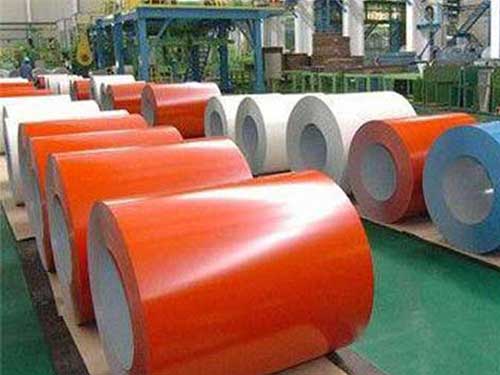
Anti static pre-painted aluminium coil is often introduced as a "functional coating" product, but that description is too small for what it really does. In many modern production and clean environments, the surface of a panel is no longer just decoration or weather protection. It becomes part of the site's risk control strategy. Anti static pre-painted aluminium coil is designed to manage electrostatic charge on exposed metal cladding, equipment housings, ceiling systems, partitions, and enclosure panels-helping prevent dust attraction, reduce electrostatic discharge events, and improve long-term cleanliness and stability.
What "Anti Static" Means on a Pre-painted Aluminium Coil
Static electricity is not always dramatic. In sensitive environments it is quiet and costly: micro-discharges that disturb electronics, invisible attraction that pulls airborne dust onto walls and ceilings, or spark risk around solvent vapors and powders. Anti static pre-painted aluminium coil addresses this by using a coating system formulated to dissipate charge rather than store it.
In practice, anti static performance is commonly expressed through surface resistivity or surface resistance. Depending on project requirements, anti static coatings may target a controlled conductive or dissipative range, balancing safety and practicality. Too insulating and static accumulates; too conductive and you may introduce other grounding considerations. A well-designed anti static coating typically aims for stable dissipative behavior across humidity changes and aging.
Because the coil is factory-coated, performance is more consistent than field-applied paints. Coil coating also supports uniform film thickness, controlled curing, and repeatable quality-critical for functional coatings where "almost the same" can be the difference between compliant and risky.
Functions That Matter in Real Facilities
Anti static pre-painted aluminium coil is chosen for more than a single metric. Customers usually care about a set of linked functions:
ESD risk reduction around electronics: Data centers, battery production lines, semiconductor support areas, precision assembly rooms, and instrumentation enclosures benefit from surfaces that do not encourage charge accumulation.
Safer environments for powder and solvent operations: While full hazardous-area compliance requires system-level design, reducing static charge on surfaces is a meaningful part of controlling ignition sources in paint shops, printing rooms, powder handling zones, and chemical packaging facilities.
Stable aesthetics with industrial durability: Pre-painted aluminium coil also brings corrosion resistance, UV resistance, and color consistency. The anti static function is added without sacrificing form, which is why it is widely used for visible architectural components.
Where It's Used: Applications That "Think Like a Surface"
Anti static pre-painted aluminium coil is commonly fabricated into ceiling panels, wall cladding, cleanroom sandwich panel skins, ducting covers, equipment casings, electrical cabinet shells, interior partitions, and modular room systems. It is also used in transportation interiors and industrial facility renovations where weight, corrosion resistance, and appearance must align.
A distinctive application pattern is emerging: the product is selected when the owner wants the room itself to behave like an engineered tool. In clean manufacturing, the boundary surfaces are part of process control, not background.
Typical Product Parameters and Options
Anti static pre-painted aluminium coil specifications vary by coating type and end use, but common parameter ranges include:
Substrate thickness range: 0.20–3.00 mm
Common fabrication thickness: 0.40–1.20 mm
Coil width: 600–1600 mm
Inner diameter: 150 mm / 300 mm / 505 mm (common coil IDs)
Coil weight: typically 1–5 tons, customizable
Coating structure: primer + topcoat, with optional back coat
Topcoat thickness: 15–25 μm typical, higher for demanding environments
Primer thickness: 5–8 μm typical
Back coat: 5–10 μm typical (service-side dependent)
Gloss: matte to high gloss, often low-gloss for clean environments
Color: RAL/Pantone/custom matching
Protective film: PE film optional for fabrication protection
Anti static performance targets: commonly specified by surface resistivity/surface resistance and stability after abrasion and cleaning. Buyers should define the testing method and acceptance window in procurement documents, because different standards and instruments may produce different-looking values.
Implementation Standards and Quality References
Anti static pre-painted aluminium coil sits at the intersection of coil coating standards and electrostatic performance expectations. Common references include:
Coil coating and paint performance: EN 13523 series (coil coated metals test methods), ASTM D3359 (adhesion), ASTM D2794 (impact), ASTM D3363 (pencil hardness), ASTM B117 (salt spray), ASTM D2244 (color difference), ISO 9227 (corrosion testing).
Aluminium alloy and temper standards: ASTM B209 / EN 485 for wrought aluminium sheet/coil.
Electrostatic properties and ESD control: IEC 61340 series (electrostatics), ANSI/ESD S20.20 (ESD control program), and related surface resistance test methods where applicable. For building interiors, project specifications may also reference cleanroom practices and local EHS requirements.
Because requirements differ by industry, it is best to specify both coating mechanical durability and electrostatic targets, then confirm the test method, sample conditioning humidity, electrode type, and pass/fail criteria.
Alloy Selection and Temper: Matching Formability to Function
Anti static pre-painted aluminium coil is typically produced on common architectural and industrial alloys that balance formability, strength, and corrosion resistance:
AA1050/1060: high purity, excellent formability and corrosion resistance; used when deep forming is needed and strength requirements are modest.
AA1100: similar to 1xxx series, good forming; widely used.
AA3003: Mn-alloyed, improved strength and good corrosion resistance; a strong general-purpose choice for cladding and panels.
AA3005: higher strength than 3003; often used for roofing and wall systems.
AA5052: Mg-alloyed, higher strength and good corrosion resistance; good for harsher environments and equipment housings.
Common tempers include H14, H24, H16, H26, and H32 depending on the alloy. H24 and H14 are popular where bending and roll forming are required. Temper choice affects minimum bend radius, springback, and surface stability during fabrication. For anti static coatings, good substrate flatness and controlled surface pre-treatment are equally important, because coating continuity influences both appearance and electrostatic consistency.
Coating System View: How the Paint Delivers Anti Static Performance
Most anti static pre-painted aluminium coil uses PVDF, polyester (PE), SMP, or epoxy-modified systems depending on exposure needs. For exterior architectural durability, PVDF is frequently chosen for UV stability; for interior clean and controlled environments, high-performance polyester or epoxy systems may be selected for chemical resistance and controlled conductivity.
The anti static function is typically achieved through conductive or dissipative additives dispersed in the coating. The coating must maintain a stable network after curing, resist migration, and survive cleaning cycles without losing its charge-dissipating ability. This is why factory coil coating-precise mixing, filtration, coating weight control, and oven curing profiles-is a practical advantage.
Chemical Composition Table of Common Alloys (Typical Limits, wt.%)
| Alloy | Si | Fe | Cu | Mn | Mg | Cr | Zn | Ti | Al |
|---|---|---|---|---|---|---|---|---|---|
| 1050 | ≤0.25 | ≤0.40 | ≤0.05 | ≤0.05 | ≤0.05 | - | ≤0.07 | ≤0.05 | ≥99.50 |
| 1060 | ≤0.25 | ≤0.35 | ≤0.05 | ≤0.03 | ≤0.03 | - | ≤0.05 | ≤0.03 | ≥99.60 |
| 1100 | ≤0.95 (Si+Fe) | - | 0.05–0.20 | ≤0.05 | - | - | ≤0.10 | ≤0.05 | ≥99.00 |
| 3003 | ≤0.60 | ≤0.70 | 0.05–0.20 | 1.0–1.5 | - | - | ≤0.10 | - | balance |
| 3005 | ≤0.60 | ≤0.70 | ≤0.30 | 1.0–1.5 | 0.20–0.60 | - | ≤0.25 | - | balance |
| 5052 | ≤0.25 | ≤0.40 | ≤0.10 | ≤0.10 | 2.2–2.8 | 0.15–0.35 | ≤0.10 | - | balance |
Actual compositions depend on the applicable standard and mill control. Project documents should reference ASTM B209 or EN 485 and request mill test certificates if needed.
When customers evaluate anti static pre-painted aluminium coil, the fastest way to avoid mismatches is to treat it as a system specification rather than a color selection. Define the environment, cleaning chemicals, expected forming method, outdoor or indoor exposure, the target surface resistivity range, and the durability tests required after fabrication. Then match alloy temper, coating family, and film thickness to those conditions.
Anti static pre-painted aluminium coil is valuable because it turns a passive surface into an active contributor to cleanliness, safety, and operational reliability-without giving up the lightweight, corrosion-resistant, fabrication-friendly advantages that aluminium coil is known for.
https://www.al-alloy.com/a/anti-static-pre-painted-aluminium-coil.html