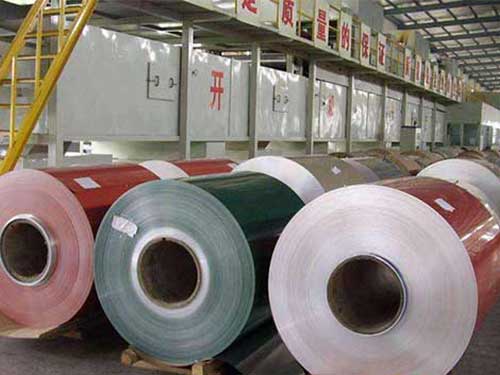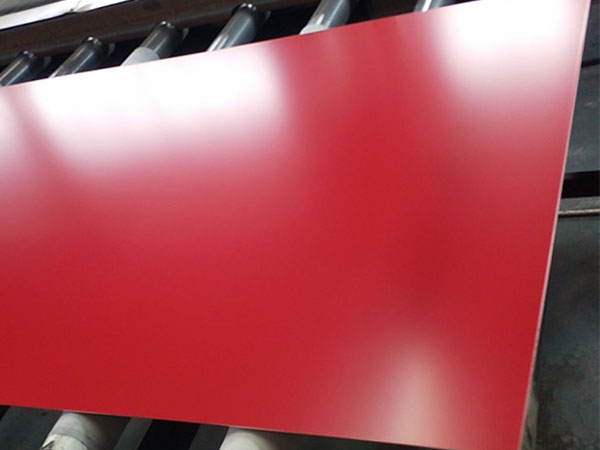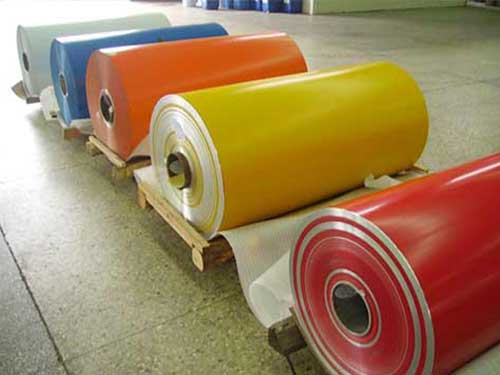

PVDF Color Coated painted Aluminium Coil
In modern buildings and products, color is no longer decoration applied at the end-it is engineered into the material itself. PVDF color coated painted aluminium coil is a good example of this shift. It is not simply "aluminium with paint." It is a layered, performance-driven composite where metallurgy, pretreatment chemistry, and fluoropolymer science work together to control how a surface behaves for decades under sunlight, salt, pollution, and temperature swings. From this perspective, PVDF coil coating is less about pigment and more about managing weather, light, and time.
What makes PVDF coil coating different
PVDF refers to polyvinylidene fluoride, a fluoropolymer known for strong carbon–fluorine bonds. Those bonds resist UV-driven degradation far better than conventional organic resins. In coil coating, PVDF is typically used as a high-performance topcoat resin, most commonly in a 70% PVDF resin system blended with high-quality acrylic for film formation and adhesion balance. This is the architectural "sweet spot" because it delivers long-term color stability without becoming brittle.
The coil coating process itself is a feature. The paint is applied to flat aluminium strip in a continuous line, then cured at controlled peak metal temperatures. This creates a uniform film thickness, consistent gloss, and repeatable crosslinking-qualities that are harder to guarantee in job-site spraying. The result is a surface that behaves predictably during forming, installation, and long-term exposure.
From a distinctive viewpoint, PVDF coated coil is essentially a pre-engineered skin. It is designed to be bent, roll-formed, stamped, or profiled without losing its protective identity.
Layer-by-layer: a surface engineered like a system
PVDF color coated aluminium coil typically consists of an aluminium substrate, a conversion layer or pretreatment, a primer, and a PVDF topcoat. Some products include a back coat for corrosion balance and handling protection.
The pretreatment is often underappreciated, but it is the "bridge" that makes the whole system durable. Modern coil coating lines widely use chrome-free conversion coatings (based on zirconium, titanium, or silane chemistry) to enhance adhesion and improve underfilm corrosion resistance, aligning with environmental compliance requirements.
Typical coating build for architectural PVDF coil may look like this in practice:
- PVDF topcoat film thickness commonly in the range of 20–25 μm on the exposed side
- Primer typically around 5–7 μm
- Back coat often 5–10 μm depending on specification and end use
What matters is not only thickness, but curing quality. Peak Metal Temperature during curing is often controlled around 230–250°C (varies by formulation and line speed), ensuring the resin system forms a dense, weather-resistant film without solvent retention or undercure.
Alloy and temper: the hidden backbone of performance
The coating gets attention, but the aluminium alloy and temper decide whether the coil can be formed cleanly, hold flatness, resist denting, and survive in corrosive environments.
Common substrate choices include 3000 and 5000 series alloys for architectural and industrial applications. 3105 and 3003 are widely used for general building cladding and ceiling systems due to good formability and cost efficiency. 5052 is chosen when higher strength and improved marine corrosion resistance are needed, especially near coastal zones.
Temper selection follows the forming route:
- H14 or H24 for moderate strength with workable forming behavior
- H26 or H28 when higher rigidity and dent resistance are prioritized
- H46/H48 can appear in specialized profiled panels where stiffness dominates, but forming radii become more restrictive
When users see oil-canning, waviness, or edge cracking during profiling, the root cause is often temper mismatch or inconsistent incoming coil properties rather than the PVDF paint itself. The best PVDF coating in the world cannot compensate for a substrate that is too hard for the bend geometry.
Chemical composition reference: typical aluminium alloys used
Below is a practical reference for commonly used alloys in PVDF coated aluminium coil. Values are typical limits; exact requirements should follow the applicable standard and supplier mill certificate.
| Alloy | Si (%) | Fe (%) | Cu (%) | Mn (%) | Mg (%) | Cr (%) | Zn (%) | Ti (%) | Al |
|---|---|---|---|---|---|---|---|---|---|
| 3003 | ≤0.6 | ≤0.7 | 0.05–0.20 | 1.0–1.5 | - | - | ≤0.1 | - | Bal. |
| 3105 | ≤0.6 | ≤0.7 | ≤0.3 | 0.3–0.8 | 0.2–0.8 | ≤0.2 | ≤0.4 | ≤0.1 | Bal. |
| 5052 | ≤0.25 | ≤0.4 | ≤0.1 | ≤0.1 | 2.2–2.8 | 0.15–0.35 | ≤0.1 | ≤0.1 | Bal. |
Features seen through a "lifecycle surface" lens
PVDF coated coil excels because it is designed for long exposure cycles rather than short-term aesthetics.
Color and gloss retention under UV exposure are a defining feature. PVDF systems resist chalking, which is the powdery degradation seen when binders break down under sunlight. This makes PVDF particularly valuable on facades, roofing, and curtain wall elements where consistent appearance supports the building's visual identity.
Corrosion resistance is another central feature, but it is important to clarify what PVDF does and does not do. PVDF itself is an excellent barrier and remains stable outdoors, yet corrosion protection is a system outcome involving substrate selection, pretreatment, primer design, edge protection, and installation practices. In coastal and industrial atmospheres, pairing PVDF coating with a 5000 series alloy and disciplined sealing of cut edges can significantly improve service life.
Formability is often a quiet advantage. PVDF topcoats are formulated to tolerate bending and roll forming without microcracking, especially when combined with suitable primers. When designers want sharp profiles, tight radii, or embossed patterns, verifying bend radius capability relative to alloy temper is critical.
Cleanability and stain resistance have become more valuable in urban environments. PVDF surfaces tend to resist grime adhesion better than many polyester coatings, supporting lower maintenance cycles. For signage, transportation panels, or architectural soffits, this translates into retained brightness and reduced cleaning frequency.
Applications: where engineered color becomes functional
Architectural cladding and curtain wall components remain the flagship application. PVDF coated aluminium coil is slit and fabricated into façade panels, cassette systems, column covers, louvers, and trims. Its appeal is the ability to deliver stable color across large surface areas while withstanding decades of sun exposure.
Metal roofing and composite sandwich panels also benefit. Roofing adds thermal cycling and standing water challenges; PVDF's UV durability helps maintain appearance, while the coil-coated uniformity supports consistent forming into profiles.
Aluminium composite panels frequently specify PVDF topcoats on the exterior face. Here the coating is not only about weathering, but also about matching batches for large projects where small color shifts become obvious across an entire skyline-facing wall.
Transportation and equipment housings use PVDF coil when long-term gloss and chemical resistance matter, such as exterior casings, protective covers, or specialty enclosures. In these contexts, PVDF acts as a durable skin that tolerates both sunlight and occasional chemical cleaning.
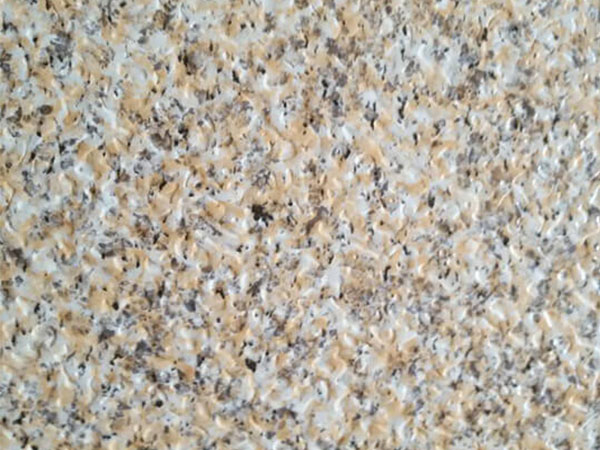
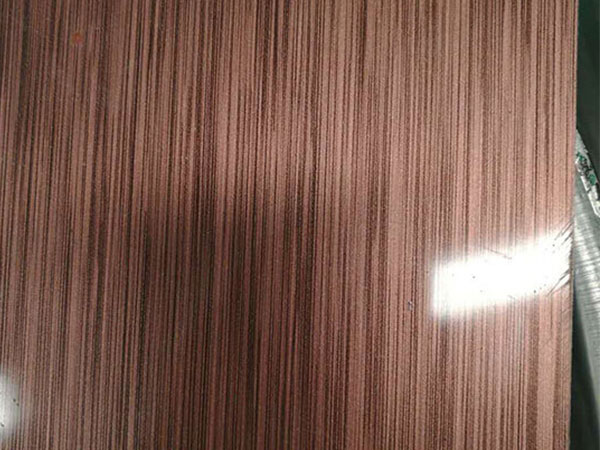
Signage, canopies, and architectural accents are a practical niche. Bright colors, metallic effects, and controlled gloss levels are easier to standardize with coil coating than with post-painted fabrication, especially when multiple suppliers must deliver parts that visually match.
Standards and practical technical checks
PVDF color coated aluminium coil is typically produced and verified under established coil coating and aluminium standards. Common references include EN 1396 for prepainted aluminium, ASTM standards for coating performance tests, and AA/EN alloy standards for substrate chemistry and mechanical properties. Project-specific requirements often include accelerated weathering, color difference control (ΔE), gloss range tolerances, and adhesion testing such as T-bend or impact resistance depending on end use.
In procurement, the most meaningful technical clarifications are usually these: PVDF resin content and brand system, dry film thickness on both sides, pretreatment type (chrome-free or chromate where allowed), alloy/temper selection, and forming requirements such as minimum bend radius and expected fabrication method.
Closing thought: PVDF coil as "predictable aging"
Materials inevitably age; the question is whether they age gracefully. PVDF color coated painted aluminium coil is valuable because it turns aging into a managed, predictable process. Instead of a surface that rapidly drifts in color and gloss, it provides a stable visual and protective envelope, supported by the right alloy temper and pretreatment chemistry. When selected as a system-substrate, conversion layer, primer, topcoat, and fabrication method-it becomes less like painted metal and more like a designed exterior interface between a product and the world.
https://www.al-alloy.com/a/pvdf-color-coated-painted-aluminium-coil.html