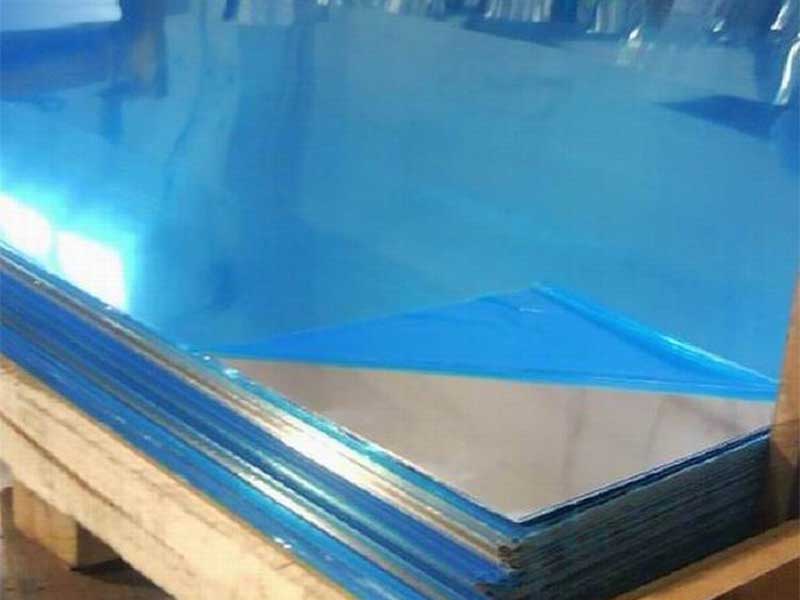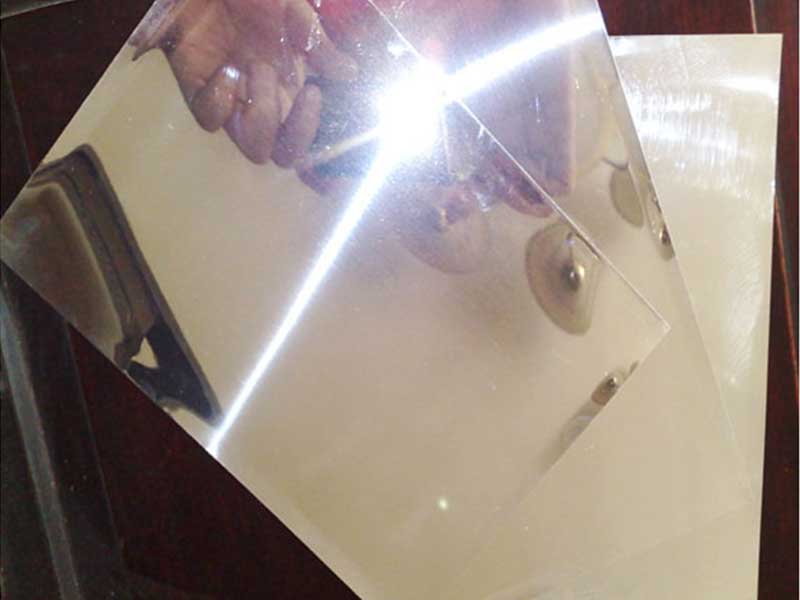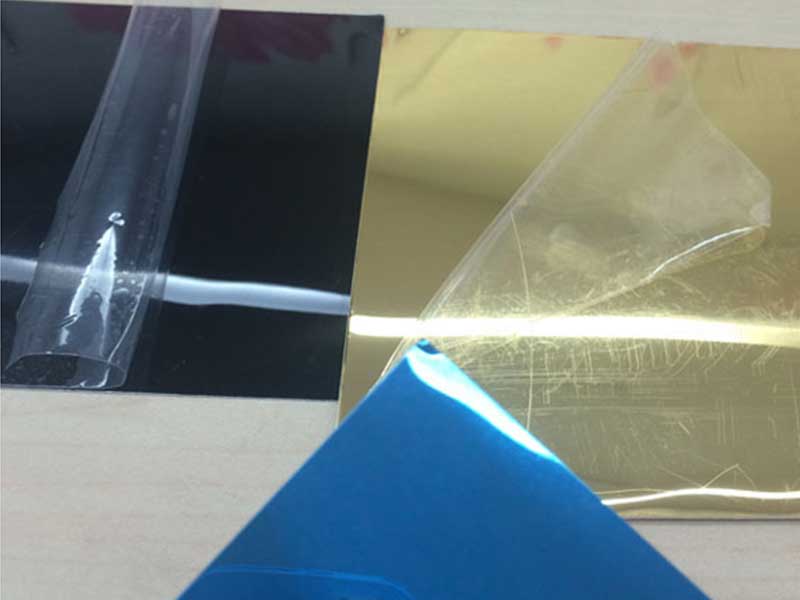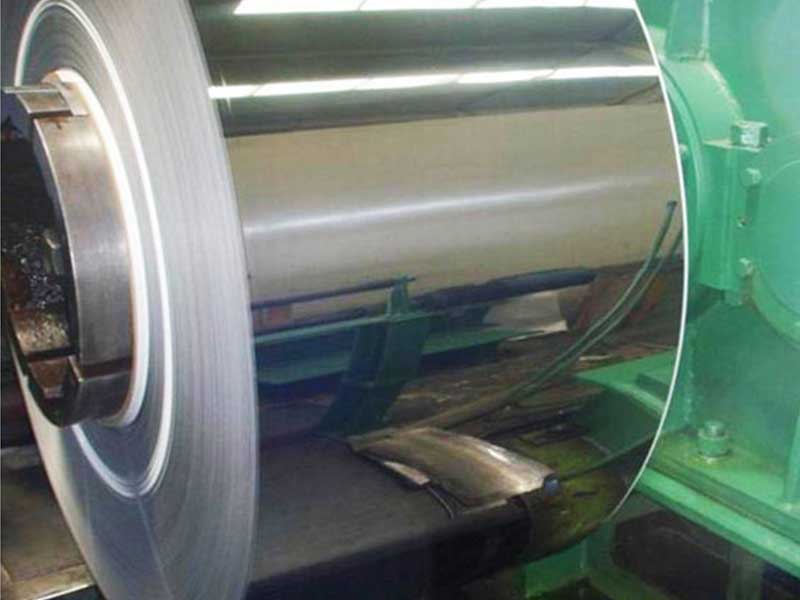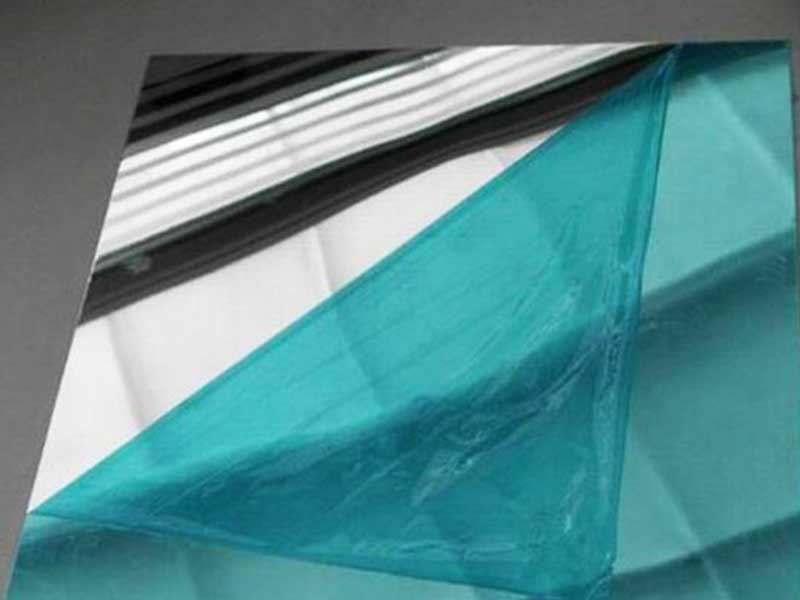

Thickness of mirror aluminum coil
Thickness of Mirror Aluminum Coil: Where Optics, Strength, and Processability Meet
When buyers ask about the thickness of mirror aluminum coil, they often expect a simple answer in millimeters. In practice, thickness is less a static dimension and more a "control knob" that balances reflectivity, flatness, dent resistance, forming behavior, heat dissipation, and even how flawless the mirror finish looks after fabrication. From a functional perspective, thickness is what turns mirror aluminum from a decorative surface into an engineered material that performs reliably in lighting, automotive trim, signage, electronics, and architectural interiors.
Mirror aluminum coil is typically produced by precision rolling, surface leveling, and bright finishing processes such as chemical polishing, electrochemical brightening, or high-gloss coating systems. The mirror effect depends on micro-smoothness and stable flatness; thickness is one of the most decisive factors influencing both.
Common Thickness Ranges and What They Actually Do
Mirror aluminum coil is commonly supplied in thicknesses from about 0.20 mm up to 3.00 mm, with many high-volume applications clustering between 0.30–1.50 mm. The "best" thickness depends on what the surface must do after it leaves the coil.
In thin gauges such as 0.20–0.50 mm, mirror aluminum behaves like a high-performance optical skin. It is lightweight and easy to laminate, wrap, or bond to substrates. This range is popular for reflective insulation facings, lightweight signage, and decorative panels where the coil is supported by a backing. The trade-off is that thinner mirror coil is more sensitive to handling marks, waviness, and print-through from uneven substrates. In other words, if the structure behind the mirror is imperfect, thin material will faithfully reveal it.
In mid gauges such as 0.60–1.20 mm, mirror aluminum coil becomes a balanced solution. It holds flatter, resists denting better, and tolerates more aggressive forming methods such as bending, roll forming, and shallow stamping. This thickness range is frequently chosen for lighting reflectors, appliance trim, elevator interiors, and interior architectural features because it keeps the mirror look stable while still being efficient to process.
In thicker gauges such as 1.50–3.00 mm, mirror aluminum shifts from "surface" to "panel." Designers pick these thicknesses when rigidity, impact resistance, and long-term dimensional stability are paramount, such as premium architectural elements, equipment housings, marine interiors, and protective decorative cladding. Thicker mirror coil can also improve perceived quality because it reduces oil-canning and vibration-related distortion that can visually ripple reflections.
Thickness and Reflectivity: A Counterintuitive Relationship
Reflectivity is not determined by thickness in a direct optical sense; it is determined by surface roughness, coating clarity, and cleanliness. Yet thickness influences reflectivity indirectly through flatness control and mechanical stability. A perfectly polished thin sheet can still look "less mirror-like" if it has coil set, waviness, or slight buckling that distorts reflected images. The mirror finish is unforgiving: the more mirror-like the surface, the more it exposes any geometric imperfections. Choosing a thickness that matches the panel size, mounting method, and forming approach is one of the simplest ways to preserve a premium visual effect.
Alloy Selection and Temper: Thickness Needs a Mechanical Partner
Thickness alone cannot guarantee performance. Alloy and temper define how the coil behaves during forming and service. Mirror aluminum coil is often made in 1xxx, 3xxx, and 5xxx series alloys because they combine good surface quality with stable rolling characteristics.
Typical alloy-temper pairings for mirror aluminum coil include:
- 1050, 1060, 1070, 1100 in O or H14/H24 for high reflectivity and excellent workability
- 3003 in O or H14/H24 for stronger panels and better dent resistance
- 5052 in H32/H34 for superior corrosion resistance and strength, useful in humid or marine-adjacent applications
Temper selection interacts strongly with thickness. For the same thickness, harder tempers improve scratch and dent resistance but reduce bendability. Softer tempers form more easily but are easier to mark. Many customers choose a middle temper such as H24 or H32 to balance forming safety and surface durability.
Practical Parameters Buyers Usually Need
Mirror aluminum coil procurement is easier when parameters are defined in functional terms rather than only in "mirror grade." Common order parameters include:
- Thickness: 0.20–3.00 mm (typical), tolerance per standard agreement
- Width: often 100–1600 mm (depending on mill capability), edge condition trimmed or mill edge
- Inner diameter: commonly 505 mm or 152 mm, depending on coil system
- Surface: single-side mirror or double-side mirror; protective film options such as PE film
- Reflectivity: commonly requested as 85%, 90%, or higher depending on finishing method
- Surface roughness targets (Ra): specified when optical performance is critical, such as lighting systems
- Flatness requirements: especially for large panels and reflector applications
Implementation Standards and Quality References
Mirror aluminum coil is typically manufactured and inspected with reference to widely recognized aluminum product standards. Depending on the market, commonly used standards include ASTM B209 for aluminum and aluminum-alloy sheet and coil, and EN 485 series for European requirements covering mechanical properties and tolerances. For chemical composition, EN 573 and ASTM alloy definitions are frequently referenced. Surface inspection often follows agreed visual standards between supplier and customer because mirror finishes are sensitive and application-specific.
If your application involves forming, lighting optics, or architectural appearance, it is worth defining acceptance criteria for surface defects, coating continuity, film type, and handling marks, because mirror aluminum is judged as much by what it reflects as by what it is.
Applications Viewed Through the Lens of Thickness
Lighting reflectors are a classic example where thickness becomes a performance tool. In high-bay or linear luminaires, mid-gauge mirror aluminum coil helps maintain tight reflector geometry, which stabilizes beam patterns. Too thin and the reflector can deform during assembly; too thick and forming becomes costly.
Architectural interior panels rely on thickness to control waviness and "oil-canning." Wider panels generally benefit from thicker coil or a bonded composite structure. Here thickness is chosen to preserve the calm, continuous reflection that signals quality.
Automotive and transportation trim often uses a thickness that supports consistent forming while resisting dents and vibration distortion. In humid or salt-prone environments, 5xxx alloys add corrosion confidence, and thickness can be tuned to reduce long-term panel flutter.
Electronic housings and decorative equipment covers use thickness to support both aesthetics and function. Aluminum's thermal conductivity makes it attractive for heat spreading; thicker coils can provide more thermal mass and stiffness, while still offering a premium reflective surface.
Chemical Properties and Typical Composition Table
Below is a reference table for typical chemical composition limits for common mirror aluminum alloys. Actual limits may vary slightly by standard (ASTM/EN) and supplier certification.
| Alloy | Al (min) | Si (%) | Fe (%) | Cu (%) | Mn (%) | Mg (%) | Zn (%) | Ti (%) | Cr (%) |
|---|---|---|---|---|---|---|---|---|---|
| 1050 | 99.50 | ≤0.25 | ≤0.40 | ≤0.05 | ≤0.05 | ≤0.05 | ≤0.05 | ≤0.03 | - |
| 1060 | 99.60 | ≤0.25 | ≤0.35 | ≤0.05 | ≤0.03 | ≤0.03 | ≤0.05 | ≤0.03 | - |
| 1100 | 99.00 | ≤0.95 (Si+Fe) | included | 0.05–0.20 | ≤0.05 | - | ≤0.10 | ≤0.05 | - |
| 3003 | rem | ≤0.60 | ≤0.70 | ≤0.05–0.20 | 1.00–1.50 | - | ≤0.10 | ≤0.10 | - |
| 5052 | rem | ≤0.25 | ≤0.40 | ≤0.10 | ≤0.10 | 2.20–2.80 | ≤0.10 | ≤0.15 | 0.15–0.35 |
This chemistry matters because it governs corrosion resistance, strength, and formability. For instance, 1xxx alloys often deliver excellent brightness and reflectivity; 3003 improves strength and anti-dent performance; 5052 excels in corrosion resistance and durability.
Choosing Thickness with Confidence
Thickness of mirror aluminum coil is best selected by asking what the reflection must survive: handling, bending radius, panel size, fastening method, thermal cycling, and environmental exposure. When thickness is paired correctly with alloy and temper, mirror aluminum coil becomes more than a shiny surface-it becomes a stable optical and structural element that keeps its premium appearance from the factory floor to the final installation.
https://www.al-alloy.com/a/thickness-of-mirror-aluminum-coil.html