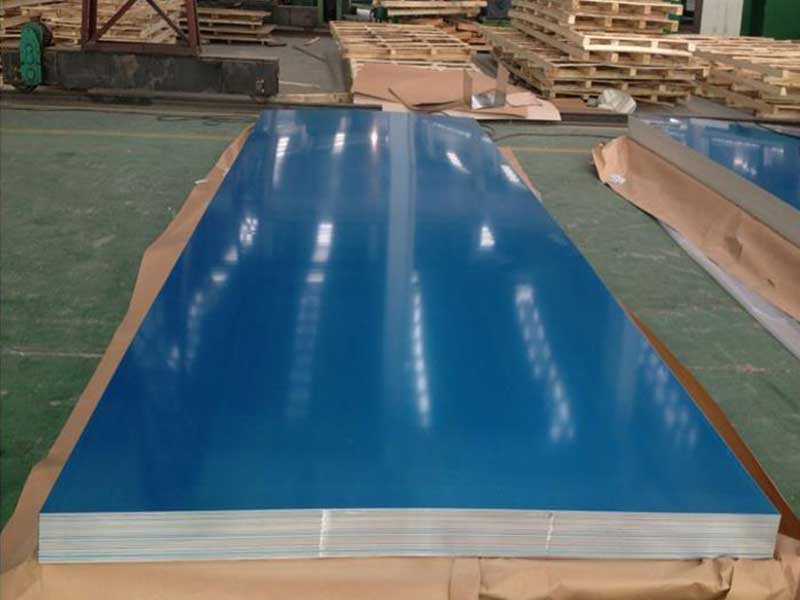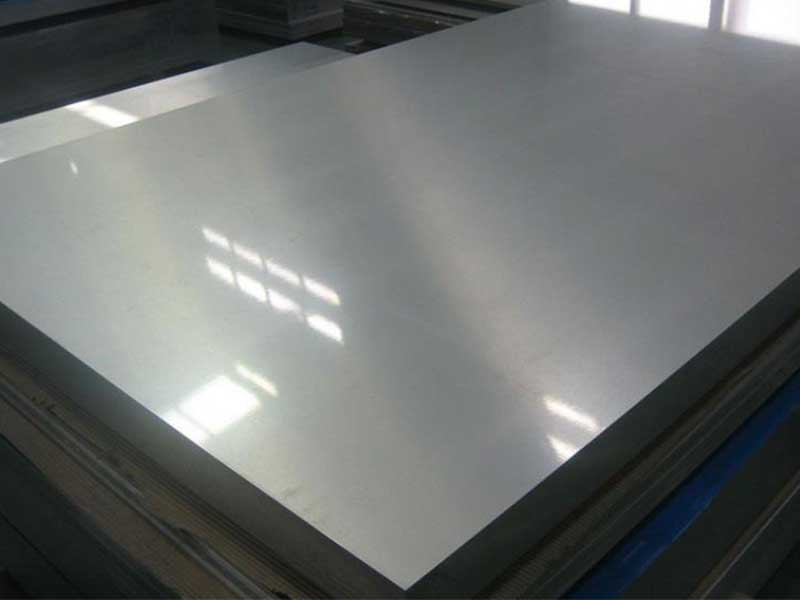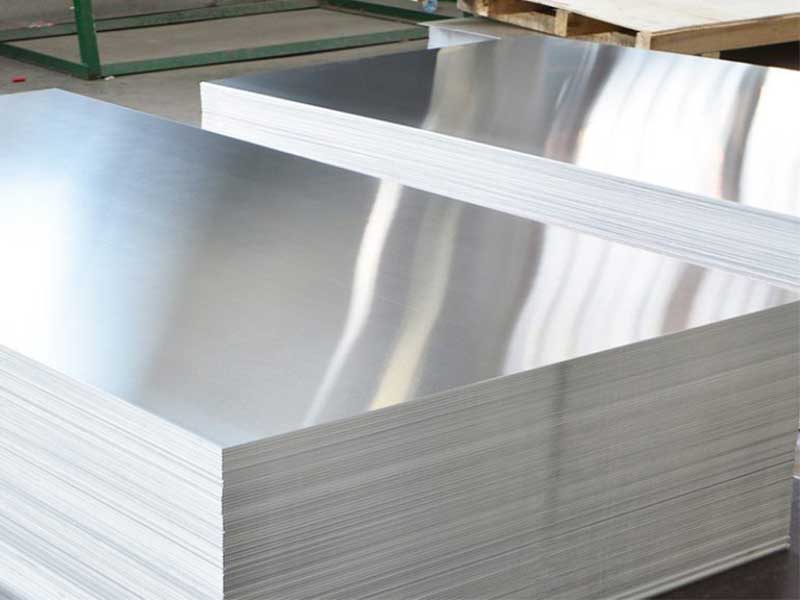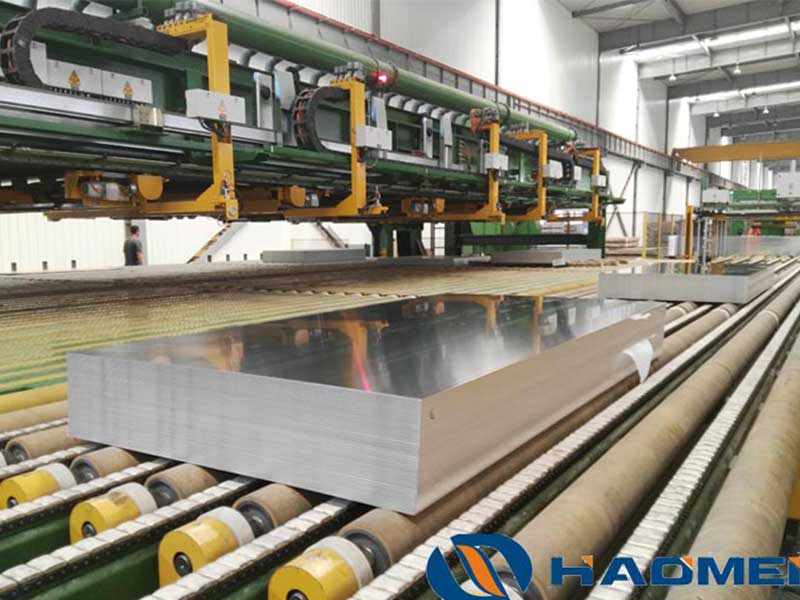

Thin anodized aluminum plate
Thin anodized aluminum plate is a lightweight, corrosion-resistant, and visually consistent sheet product engineered for applications where precision thickness, surface durability, and clean aesthetics matter. By combining a thin-gauge aluminum substrate with a controlled anodic oxide layer, this product delivers a surface that is harder than bare aluminum, more stable in outdoor/industrial environments, and better suited for printing, bonding, and repeated handling.
What It Is (and Why "Thin" Matters)
A thin anodized aluminum plate typically refers to aluminum sheet/plate in the approximate range of 0.2–3.0 mm (often supplied as sheet, strip, or cut-to-size blanks), with an anodized film applied to one or both sides. Thin gauges bring practical advantages:
- Lower weight for portable products and transportation savings
- Improved formability for shallow forming, bending, and light stamping
- Tighter cosmetic control for panels, trims, nameplates, and decorative covers
- Better thermal response for heat spreaders and housings (depending on design)
The anodized surface is not paint-it is an electrochemically grown aluminum oxide layer that becomes part of the substrate. That means it won't peel like coatings, and it offers stable performance across a wide temperature range.
Features at a Glance
| Feature | What it Means in Practice | Customer Value |
|---|---|---|
| Anodized oxide layer | Dense Al₂O₃-based surface film | Better wear, corrosion resistance, and appearance retention |
| Thin-gauge substrate | Low thickness with tight tolerances | Lightweight, easy fabrication, cost-efficient material usage |
| Excellent surface uniformity | Controlled finishing + anodizing | Premium cosmetics for visible components |
| Electrical insulation (surface) | Oxide layer is dielectric | Useful for panels, housings, and isolation needs |
| Strong adhesion base | Porous anodic layer (before sealing) | Improved bonding/printing when specified correctly |
Common Alloy Choices (Chemical Composition)
Different alloys target different priorities: formability, strength, flatness, or machinability. Below are typical composition ranges for widely used anodizing-friendly alloys (values in wt.% and may vary by standard/producer).
Typical Chemical Composition (wt.%)
| Alloy (Typical) | Si | Fe | Cu | Mn | Mg | Cr | Zn | Ti | Al |
|---|---|---|---|---|---|---|---|---|---|
| 1050 (≥99.5% Al) | ≤0.25 | ≤0.40 | ≤0.05 | ≤0.05 | ≤0.05 | - | ≤0.05 | ≤0.03 | Balance |
| 1060 (≥99.6% Al) | ≤0.25 | ≤0.35 | ≤0.05 | ≤0.03 | ≤0.03 | - | ≤0.05 | ≤0.03 | Balance |
| 3003 (Al-Mn) | ≤0.60 | ≤0.70 | 0.05–0.20 | 1.0–1.5 | - | - | ≤0.10 | - | Balance |
| 5005 (Al-Mg) | ≤0.30 | ≤0.70 | ≤0.20 | ≤0.20 | 0.5–1.1 | ≤0.10 | ≤0.25 | ≤0.20 | Balance |
| 5052 (Al-Mg) | ≤0.25 | ≤0.40 | ≤0.10 | ≤0.10 | 2.2–2.8 | 0.15–0.35 | ≤0.10 | - | Balance |
| 6061 (Al-Mg-Si) | 0.4–0.8 | ≤0.7 | 0.15–0.40 | ≤0.15 | 0.8–1.2 | 0.04–0.35 | ≤0.25 | ≤0.15 | Balance |
Selection tip: If appearance consistency after anodizing is critical, 5005 is a frequent choice for architectural and cosmetic parts. For higher strength structural components, 6061 is common-but color uniformity can be more sensitive to processing and batch variation.
Mechanical Performance (Typical Values)
Mechanical properties depend strongly on temper (O, H14, H32, T6, etc.), thickness, and processing route. The values below are representative ranges used for early-stage design.
Typical Mechanical Properties (Room Temperature)
| Alloy / Temper (Typical) | Tensile Strength (MPa) | Yield Strength (MPa) | Elongation (%) | Notes |
|---|---|---|---|---|
| 1050-O | 60–90 | 20–35 | 25–35 | Best for deep drawing and high reflectivity |
| 3003-H14 | 130–170 | 110–140 | 4–10 | Good forming + stable anodizing behavior |
| 5005-H34 (common) | 160–200 | 130–170 | 4–10 | Strong cosmetic anodizing candidate |
| 5052-H32 | 210–260 | 150–200 | 6–12 | Excellent marine corrosion resistance |
| 6061-T6 | 260–320 | 240–280 | 8–12 | High strength, good machining |
Anodizing Performance and Surface Options
Anodizing is typically specified by type, thickness, and sealing method. Thin plates are often used in high-touch or visible environments, so the anodic film must balance durability with forming requirements.
Typical Anodizing Specifications (Industry Ranges)
| Parameter | Typical Range | Why It Matters |
|---|---|---|
| Anodize type | Type II (decorative) / Type III (hard) | Type II for aesthetics; Type III for wear |
| Film thickness | 5–25 µm (Type II), 25–70 µm (Type III) | Thicker = better wear/corrosion, but more cost and dimensional effect |
| Sealing | Hot water, nickel acetate, or mid-temp seal | Improves corrosion resistance and reduces staining |
| Color | Natural, black, bronze, custom dye | Brand identity, glare reduction, UI contrast |
| Surface finish before anodize | Mill, brushed, satin, polished | Finish is "locked in" by anodizing-prep defines final look |
Important: Anodized layers are hard but brittle compared to aluminum. If the plate will be bent after anodizing, specify a forming-compatible thickness (often thinner Type II films) and confirm minimum bend radius through trials.
Technical Specifications (Typical Supply Range)
Below is a practical specification set used for quoting and engineering alignment.
Technical Specification Table
| Item | Typical Offering | Notes |
|---|---|---|
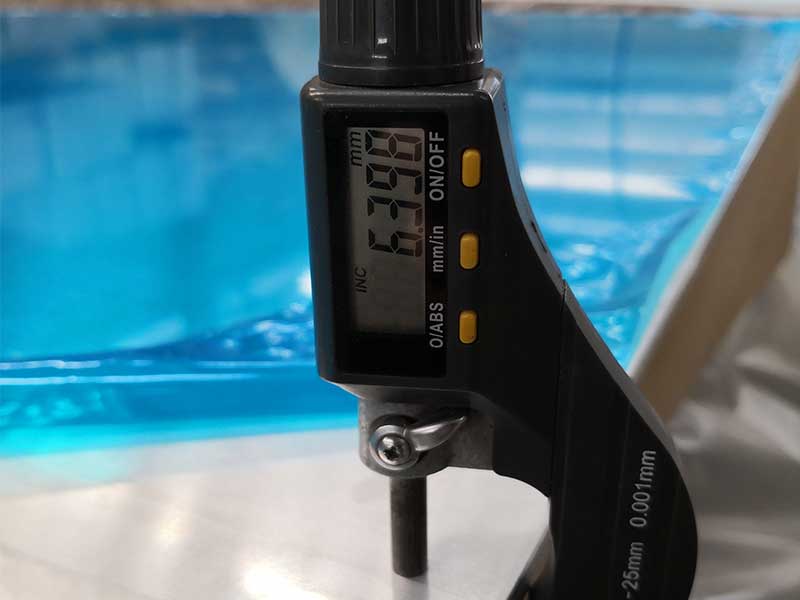
| Thickness | 0.2–3.0 mm (common: 0.5 / 1.0 / 1.5 / 2.0 mm) | Thin gauges for panels, covers, and nameplates |
| Width | 100–1600 mm | Depends on alloy and rolling capability |
| Length | 200–6000 mm (or coil) | Cut-to-size or coil for stamping/laser |
| Flatness | Per EN/ASTM or agreed limit | Critical for printing, lamination, and panel mounting |
| Surface sides | One-side or two-side anodized | One-side often used for cost optimization |
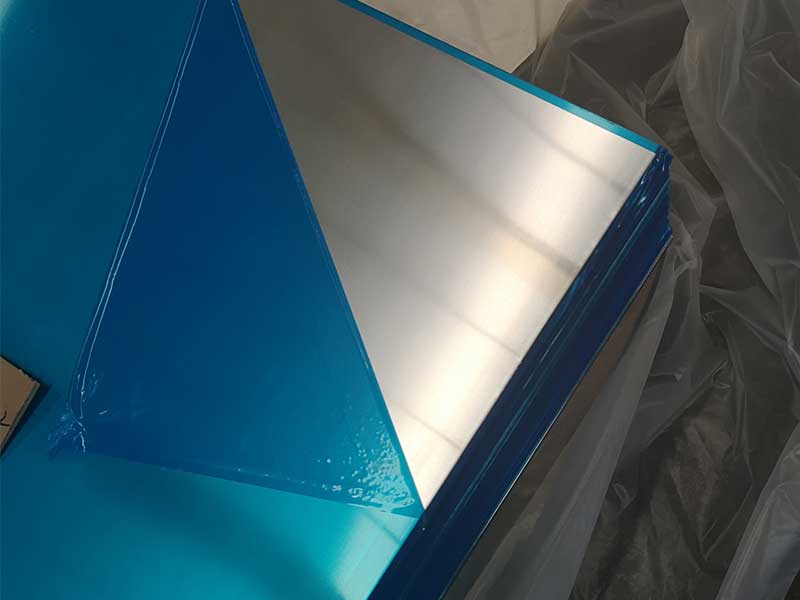
| Protective film | PE/PVC masking (optional) | Reduces handling scratches during fabrication |
| Standards (examples) | ASTM B209 / EN 485 (substrate), MIL-A-8625 (anodize) | Confirm region-specific requirements |
| Dimensional tolerance | Per standard or tighter by agreement | Tight tolerance improves assembly yield |
Benefits Customers Notice Immediately
1) Long-Term Corrosion Resistance
The sealed anodic film improves resistance to oxidation, moisture, and mild industrial atmospheres. For outdoor panels, signage, and enclosures, anodizing helps maintain both function and appearance with minimal maintenance.
2) Wear and Scratch Improvement
Compared with bare aluminum, anodized surfaces better withstand sliding contact, repeated handling, and cleaning-especially with higher film thickness or hard anodizing where appropriate.
3) Color and Finish Stability
Anodizing produces a "metallic" look that feels premium and resists peeling. Natural anodize is popular for clean industrial design; black anodize is widely used to reduce glare and fingerprints (with proper sealing and alloy selection).
4) Lightweight, High Strength-to-Weight
Thin aluminum plate provides rigidity when designed with ribs, bends, or mounting geometry-keeping assemblies light without sacrificing structural performance.
5) Better Process Yield in Fabrication
With the right temper and masking, thin anodized plate supports laser cutting, CNC routing, and controlled bending. The consistent surface also improves downstream processes like UV printing or adhesive lamination.
Typical Applications and Use Cases
| Industry | Example Parts | Why Thin Anodized Plate Fits |
|---|---|---|
| Electronics | Front panels, bezels, laptop/tablet housings, heat spreader covers | Premium look, lightweight, surface hardness, insulation |
| Architecture & interior | Trim panels, decorative cladding, elevator panels | Color stability, easy cleaning, aesthetic uniformity |
| Signage & branding | Nameplates, plaques, wayfinding signs | Print-ready surface, corrosion resistance, crisp finishes |
| Transportation | Interior panels, lightweight covers, dash components | Weight reduction, wear resistance, consistent appearance |
| Industrial equipment | Guard covers, instrument plates, labels | Durability, chemical resistance (mild), easy identification |
Practical Buying Guidance (Avoid Costly Mis-Specification)
- Define cosmetic expectations early: brushed vs satin vs polished changes the final anodized look more than many customers expect.
- Match alloy to appearance needs: for high-end visible parts, shortlist 5005 (and confirm lot consistency).
- Specify anodize thickness realistically: thicker films increase wear resistance but may reduce post-anodize formability and add cost.
- Decide one-side vs two-side anodize: one-side saves cost when the back is hidden or bonded.
- Include protection requirements: masking film and packaging method are essential for thin sheets to prevent transport scratches.
Thin anodized aluminum plate is a high-value material solution for products that must be lightweight, durable, and visually refined. By choosing the right alloy, temper, surface finish, and anodizing specification, customers can achieve consistent aesthetics, improved wear and corrosion resistance, and efficient fabrication-ideal for panels, enclosures, signage, and design-forward components.
https://www.al-alloy.com/a/thin-anodized-aluminum-plate.html