
Aluminium ctp plate
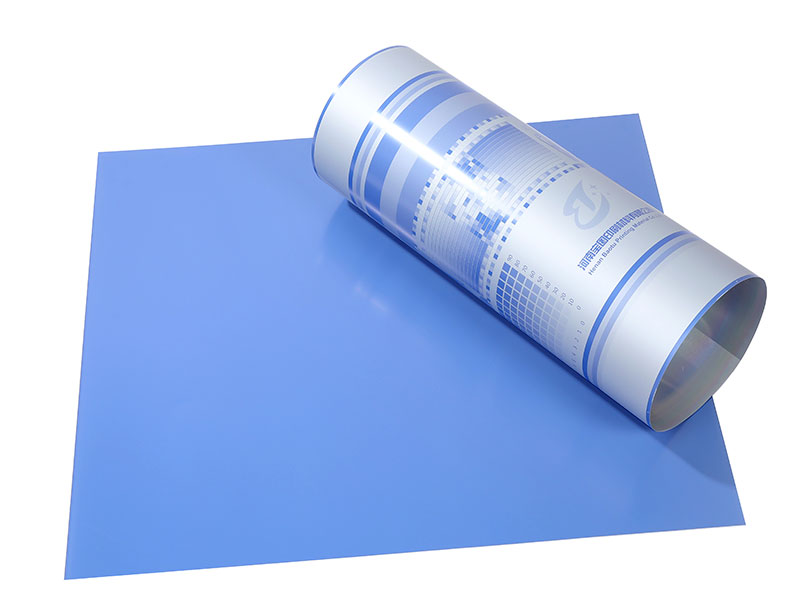
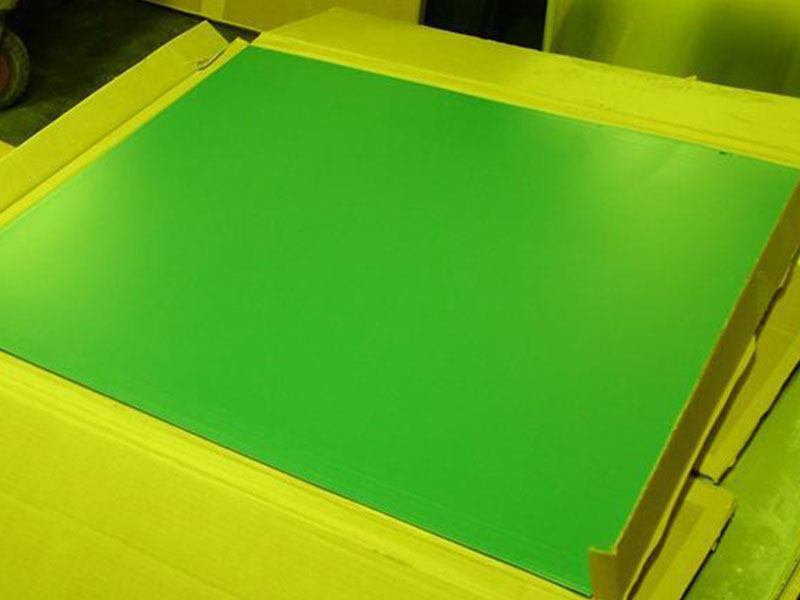
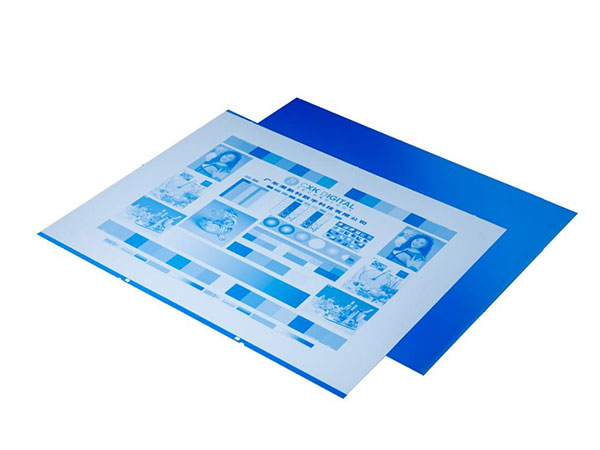
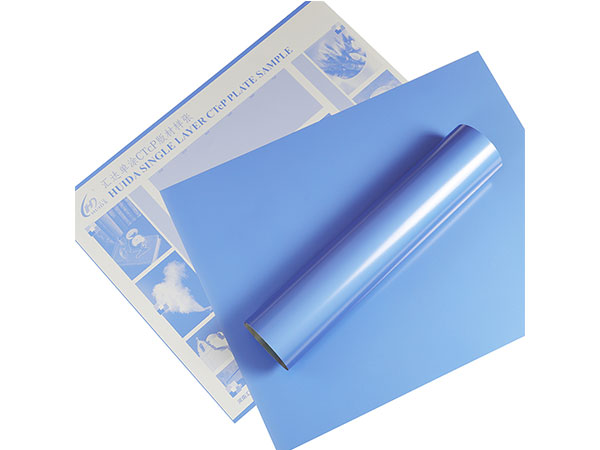
Aluminium CTP (Computer-to-Plate) plates are precision-engineered lithographic printing plates designed for direct imaging from digital prepress workflows. As the backbone of modern offset printing, an aluminium CTP plate combines dimensional stability, fast imaging response, high run length, and consistent ink–water balance-all while supporting high-resolution reproduction for commercial, packaging, and publication print.
1) What Is an Aluminium CTP Plate?
An aluminium CTP plate is a photosensitive or thermosensitive coated aluminium substrate used in offset printing. Instead of using film and manual plate exposure, CTP plates are imaged directly by a CTP platesetter (typically thermal 830 nm or violet 405 nm). After imaging (and depending on plate type), the plate is processed, gummed, and mounted on press.
Why aluminium? Aluminium offers the ideal combination of:
- High strength-to-weight ratio
- Excellent flatness and stiffness
- Grainable/anodizable surface for water retention
- Reliable adhesion to coating systems
- Recyclability and stable global supply
2) Product Structure and Working Principle
A typical aluminium CTP plate consists of:
- Aluminium base (substrate) – usually 1xxx/3xxx-series aluminium, optimized for grain structure, flatness, and mechanical strength.
- Electrochemical graining – forms micro-roughness to hold fountain solution and improve dot stability.
- Anodizing layer (Al₂O₃) – enhances wear resistance, hydrophilicity, and coating anchorage.
- Photosensitive/thermosensitive coating – reacts to laser imaging; defines image areas vs. non-image areas.
- Protective overcoat (optional) – improves handling robustness and storage.
On press, non-image areas stay hydrophilic (water-loving), while image areas accept ink-delivering clean separation and stable tone reproduction.
3) Features (What Customers Feel on the Press)
Stable Ink–Water Balance
A well-controlled grain + anodized surface provides consistent hydrophilicity, helping reduce scumming, toning, and frequent adjustments during long runs.
High Resolution and Dot Fidelity
CTP imaging supports fine screens and small text. Plate surface uniformity improves dot gain control and reduces variability across plate batches.
Strong Adhesion and Run Length
Optimized anodizing and coating chemistry improve durability, resisting abrasion and chemical attack from fountain solutions and press cleaners.
Good Handling and Register
Flatness and stiffness reduce plate bending and register drift, especially on high-speed presses.
4) Typical Technical Specifications (Reference Range)
Values vary by plate technology (thermal/violet, process/chem-free) and supplier design. Use these as practical selection checkpoints.
| Parameter | Typical Range | Why It Matters |
|---|---|---|
| Plate thickness | 0.15 / 0.20 / 0.24 / 0.30 / 0.40 mm | Fit to press cylinder, stiffness, handling |
| Aluminium alloy family | 1050 / 1060 / 1070 / 3003 (common) | Strength, grain response, flatness |
| Temper | H18 / H19 (common) | Hardness and dimensional stability |
| Surface treatment | Electrograined + anodized | Water retention + wear resistance |
| Coating type | Thermal (830 nm) / Violet (405 nm) | Platesetter compatibility |
| Sensitivity | Thermal: ~100–200 mJ/cm² (typical) | Imaging speed and stability |
| Resolution capability | 1–99% dots, up to 200 lpi (typical) | Reproduction of gradients and fine detail |
| Run length* | ~50,000 to 200,000+ impressions | Depends on chemistry, paper, ink, press care |
| Shelf life | ~12–18 months (typical) | Inventory planning |
*Run length depends strongly on press conditions, fountain solution conductivity/pH, blanket/roller setup, and cleaning frequency.
5) Chemical Composition (Representative Aluminium Substrate)
Aluminium CTP substrates are commonly based on high-purity aluminium (1xxx) or Al–Mn alloy (3xxx). Below is a representative reference for commonly used base materials.
5.1 Typical Composition – 1050 / 1060 Grade (wt.%)
| Element | Typical (wt.%) | Function / Note |
|---|---|---|
| Al | Balance (≥99.5 / ≥99.6) | Corrosion resistance, grainability |
| Fe | ≤0.40 | Impacts intermetallics; affects surface uniformity |
| Si | ≤0.25 | Influences oxide behavior and surface quality |
| Cu | ≤0.05 | Kept low to preserve corrosion resistance |
| Mn | ≤0.05 | Minimal in 1xxx; higher in 3xxx |
| Mg | ≤0.05 | Typically low; affects strength/oxide |
| Zn | ≤0.07 | Controlled impurity |
| Ti | ≤0.03 | Grain refiner in casting stage |
5.2 Typical Composition – 3003 Grade (wt.%)
| Element | Typical (wt.%) | Function / Note |
|---|---|---|
| Al | Balance | Base metal |
| Mn | 1.0–1.5 | Strengthens substrate, improves rigidity |
| Fe | ≤0.7 | Controlled for surface consistency |
| Si | ≤0.6 | Controlled impurity |
| Cu | 0.05–0.20 | Strength contribution; must be controlled for corrosion |
| Zn | ≤0.10 | Controlled impurity |
6) Mechanical & Surface Performance (What Drives Consistency)
| Property | Typical Level | Benefit to Printing |
|---|---|---|
| Tensile strength (substrate) | ~130–180 MPa (temper-dependent) | Plate handling, reduced edge damage |
| Yield strength | ~120–160 MPa | Better register stability under tension |
| Elongation | ~1–3% | Prevents cracking during bending/mounting |
| Surface roughness (Ra) | ~0.3–0.8 μm (process-dependent) | Water retention + dot stability |
| Anodic layer thickness | ~1.0–3.0 g/m² (typical) | Wear resistance, run length |
| Surface cleanliness | High (low residue) | Coating adhesion and imaging uniformity |
7) Applications and Use Cases
Commercial Printing (Brochures, Catalogs, Posters)
- High-definition images and text
- Stable reproduction across multiple plate changes
- Efficient plate turnaround for short-to-medium runs
Publication Printing (Newspapers, Magazines)
- Rapid imaging and dependable on-press behavior
- Good balance between speed and run length
- Consistent dot behavior for halftones
Packaging (Folding Cartons, Labels, Inserts)
- Fine lines and small fonts for compliance information
- Strong resistance to press chemistry and longer runs
- Reliable registration for multi-color jobs
Quick-Turn Print Shops and In-House Pressrooms
- Reduced prepress steps vs. film workflows
- Better repeatability for reprints and versioning
- Lower waste during makeready when plate quality is consistent
8) Benefits That Translate Into ROI
| Benefit | Customer Value |
|---|---|
| Faster prepress workflow | Shorter lead times, more jobs per shift |
| Reduced makeready waste | Less paper/ink waste, faster color stabilization |
| Higher run stability | Fewer stop-start events and fewer plate remakes |
| Better print quality consistency | Improved customer satisfaction and fewer claims |
| Aluminium recyclability | Supports sustainability targets and scrap value recovery |
9) Selection Checklist (Practical Buying Guidance)
When specifying an aluminium CTP plate, confirm:
- Platesetter compatibility (thermal 830 nm vs violet 405 nm; required energy range).
- Processing workflow (conventional processing, low-chem, or chemistry-free).
- Press run length requirement (commercial short runs vs packaging long runs).
- Thickness and press fit (cylinder requirements, punching/bending systems).
- Surface/anodizing consistency (batch-to-batch uniformity is critical for stable dot gain).
- Storage and handling conditions (temperature/humidity, light exposure limits).
An aluminium CTP plate is a high-performance, production-ready printing plate built on an electrograined and anodized aluminium substrate, optimized for digital imaging, stable press behavior, and consistent print quality. Its value is most visible in daily production: faster prepress, cleaner starts, predictable dot reproduction, and dependable run length-making it a practical choice across commercial, publication, and packaging printing.