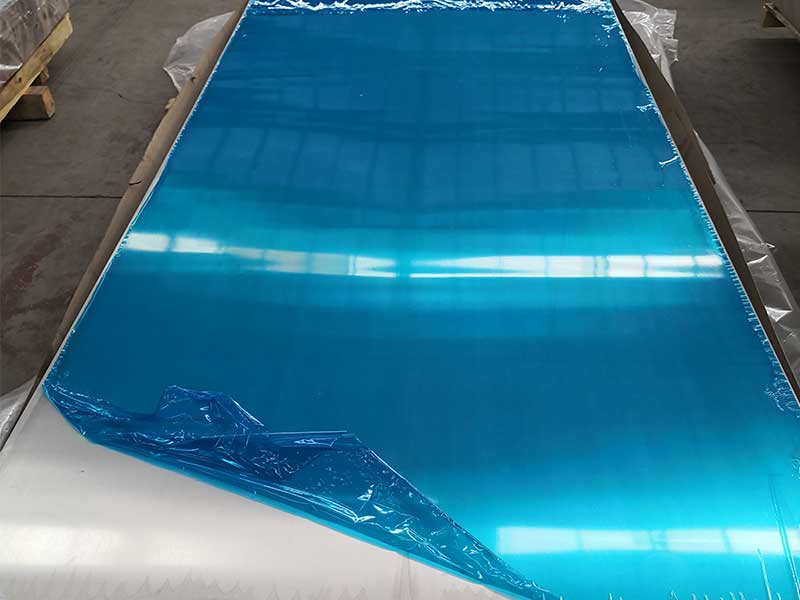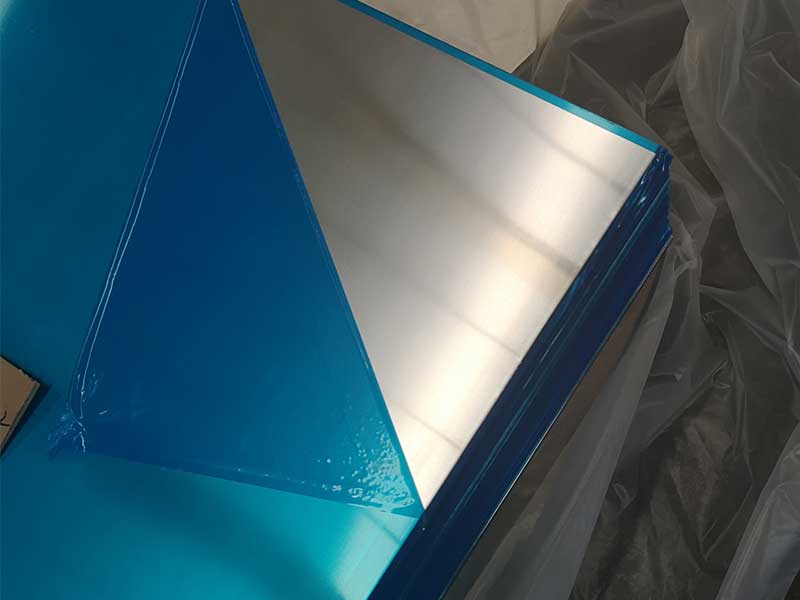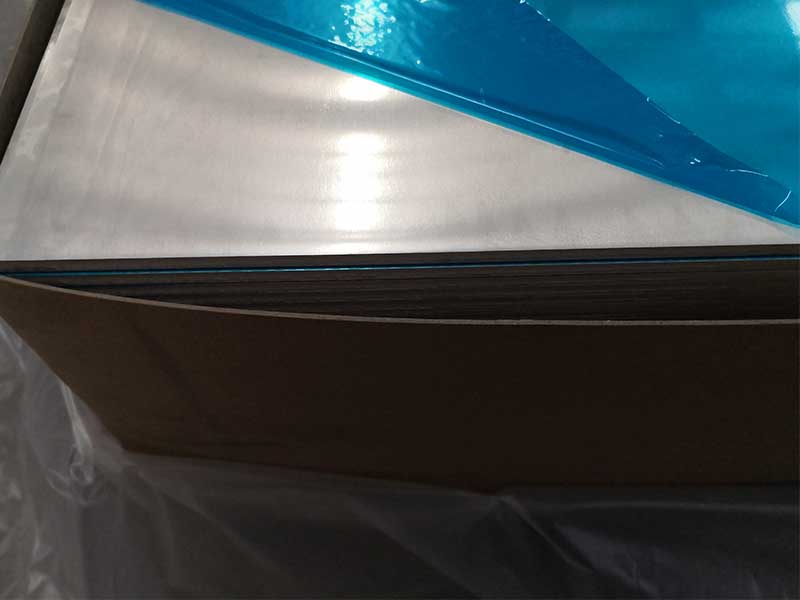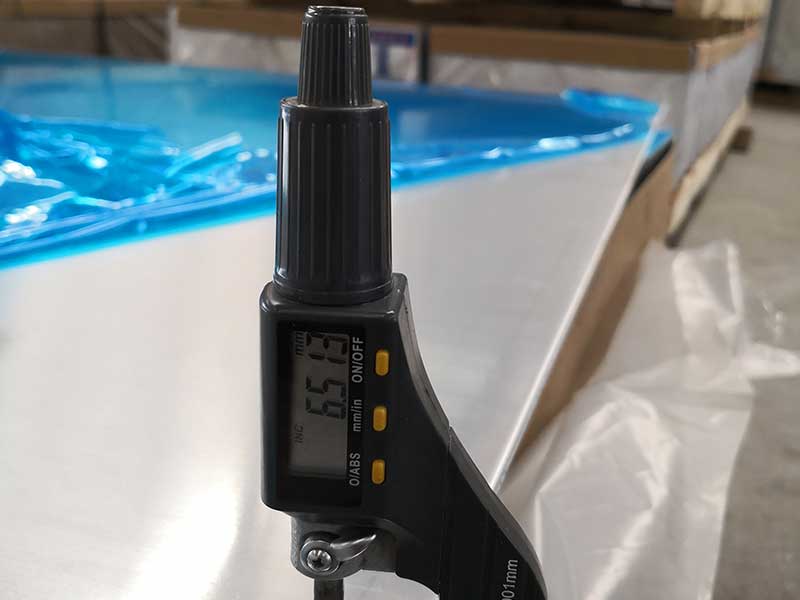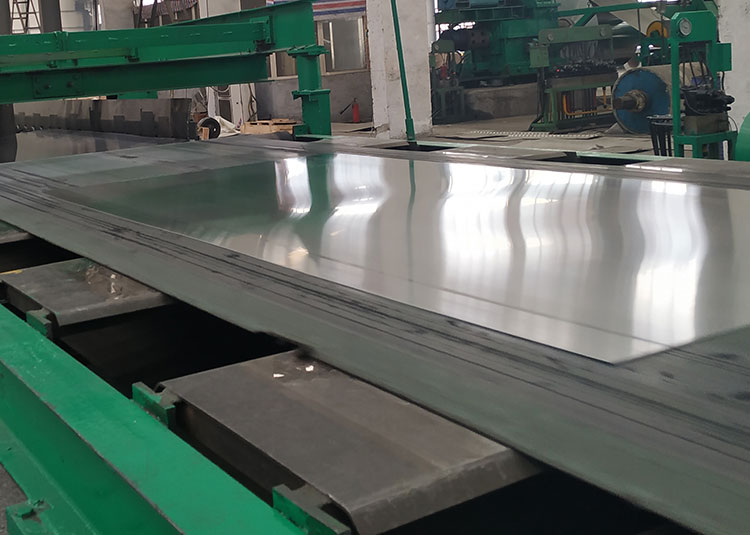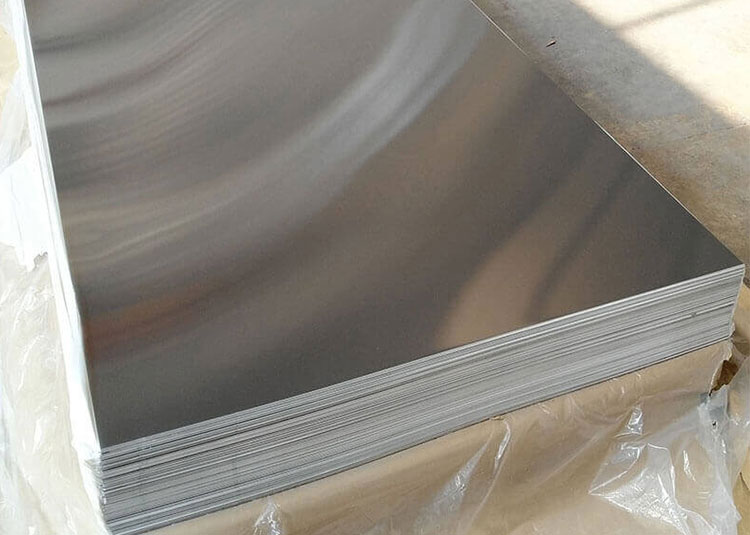

Perforated Thickness Aluminum Sheet Coil
Perforated thickness aluminum sheet coil is a practical material for projects that need strength, airflow, weight reduction, and a clean industrial appearance in one product. By combining the corrosion resistance of aluminum with precisely punched hole patterns, this product serves a wide range of industries, from architectural facades to filters, machine guards, acoustic panels, and decorative interiors.
For buyers, the main value of perforated aluminum coil lies in its balance of light weight, formability, and function. It can be supplied in different alloys, tempers, thicknesses, widths, and perforation designs, making it suitable for both visual and structural uses. Whether a customer needs smooth fabrication, long outdoor life, or consistent open-area performance, perforated aluminum sheet coil provides a flexible solution.
What Is Perforated Thickness Aluminum Sheet Coil?
Perforated thickness aluminum sheet coil is aluminum coil or sheet that has been processed with a regular or custom hole pattern. The term "thickness" highlights that the material can be produced in a variety of gauges, from thin decorative stock to thicker industrial grades designed for higher rigidity and impact resistance.
The perforation process creates holes in patterns such as round, slotted, square, hexagonal, or ornamental shapes. These openings can improve ventilation, sound absorption, drainage, light transmission, and visual texture. At the same time, aluminum preserves important advantages such as good corrosion resistance, low density, easy fabrication, and recyclable value.
Features
Perforated aluminum sheet coil is popular because it combines appearance and performance in a single material.
| Feature | Customer Benefit |
|---|---|
| Light weight | Easier transport, handling, and installation than many steel alternatives |
| Corrosion resistance | Suitable for outdoor, humid, and industrial environments |
| Good formability | Can be bent, rolled, stamped, or fabricated into panels and components |
| Ventilation capability | Helps airflow in screens, enclosures, facades, and protective covers |
| Sound control potential | Useful in acoustic panels when combined with insulation materials |
| Decorative effect | Modern appearance with customizable hole patterns and finishes |
| High recyclability | Supports sustainable material selection |
| Surface finish options | Mill finish, anodized, painted, brushed, and coated surfaces available |
Common Aluminum Alloys Used
Different alloys are selected based on forming needs, corrosion resistance, and strength requirements. The following grades are commonly used for perforated aluminum sheet coil.
| Alloy | Main Characteristics | Typical Use |
|---|---|---|
| 1050 | High aluminum purity, excellent corrosion resistance, good workability | Decorative panels, general industrial use |
| 1060 | Very good formability and conductivity | Filters, screens, lightweight panels |
| 1100 | Soft, workable, corrosion resistant | Architectural decoration, signage |
| 3003 | Good strength with manganese addition, excellent processing performance | Building panels, ceilings, cladding |
| 3004 | Higher strength than 3003 | Roofing, wall systems, formed components |
| 3105 | Good corrosion resistance and coating performance | Painted architectural products |
| 5052 | Excellent corrosion resistance, especially in marine and humid environments | Marine panels, equipment covers, transportation |
| 5005 | Good anodizing quality and decorative surface performance | Facades, interior design, trim panels |
Typical Chemical Composition
Chemical composition varies by alloy. The table below shows representative ranges for commonly used grades. Exact values should follow applicable standards and mill certificates.
| Alloy | Al | Mn | Mg | Si | Fe | Cu | Zn | Others |
|---|---|---|---|---|---|---|---|---|
| 1050 | ≥99.50 | 0.05 max | 0.05 max | 0.25 max | 0.40 max | 0.05 max | 0.07 max | 0.03 max each |
| 1060 | ≥99.60 | 0.03 max | 0.03 max | 0.25 max | 0.35 max | 0.05 max | 0.05 max | 0.03 max each |
| 1100 | ≥99.00 | 0.05 max | - | Si+Fe 0.95 max | - | 0.05–0.20 | 0.10 max | 0.05 max each |
| 3003 | Remainder | 1.0–1.5 | - | 0.60 max | 0.70 max | 0.05–0.20 | 0.10 max | 0.15 max |
| 5052 | Remainder | 0.10 max | 2.2–2.8 | 0.25 max | 0.40 max | 0.10 max | 0.10 max | 0.15 max |
Technical Specifications
Perforated thickness aluminum sheet coil can be produced to a broad range of dimensions and patterns. The exact supply range depends on alloy, equipment capability, and perforation design.
| Parameter | Typical Range |
|---|---|
| Thickness | 0.3 mm – 6.0 mm |
| Coil width | 100 mm – 2000 mm |
| Sheet length | Custom cut to size |
| Hole diameter | 0.8 mm – 50 mm |
| Open area | Approximately 5% – 70% |
| Temper | O, H12, H14, H16, H18, H24, H32 |
| Surface finish | Mill finish, PVDF coated, PE coated, anodized, brushed, embossed |
| Pattern options | Round hole, square hole, slot hole, hexagonal hole, decorative pattern |
| Edge condition | Straight edge, margin edge, customized border |
| Standard tolerance | According to agreed ASTM, EN, GB, or customer drawing |
Mechanical and Physical Properties
Mechanical properties depend on alloy and temper. The values below are representative only and should be verified for a specific grade.
| Alloy / Temper | Tensile Strength | Yield Strength | Elongation | Density |
|---|---|---|---|---|
| 1050-O | 60–100 MPa | 20 MPa min | 20% min | 2.71 g/cm³ |
| 1100-H14 | 110–145 MPa | 95 MPa min | 5% min | 2.71 g/cm³ |
| 3003-H14 | 140–180 MPa | 115 MPa min | 4% min | 2.73 g/cm³ |
| 5052-H32 | 210–260 MPa | 130 MPa min | 7% min | 2.68 g/cm³ |
Perforation Patterns and Design Value
The hole pattern affects both performance and appearance. Round holes are the most common because they offer a clean look and efficient manufacturing. Slotted holes are preferred when directional airflow or drainage is important. Square and hexagonal patterns provide a stronger visual effect and are often selected for architectural projects.
Open area is one of the most important design factors. A higher open area improves ventilation, light transmission, and acoustic response, while a lower open area usually preserves more panel stiffness. Customers should select the pattern by balancing strength, appearance, airflow, and fabrication needs.
| Pattern Type | Main Advantage | Common Application |
|---|---|---|
| Round | Versatile and economical | Facades, filters, guards, ceilings |
| Slot | Directional flow and drainage | Screens, ventilation covers, drying equipment |
| Square | Strong geometric appearance | Decorative interiors, partitions |
| Hexagonal | High open area potential | Acoustic panels, design facades |
| Custom decorative | Unique branding and style | Retail, exhibition, premium architecture |
Main Applications
Perforated thickness aluminum sheet coil is used in many commercial and industrial sectors because it can be both functional and visually appealing.
| Application Field | Typical Use |
|---|---|
| Architecture | Curtain walls, sunshades, facade screens, ceiling panels, balcony cladding |
| Interior decoration | Partition panels, wall coverings, display systems, furniture accents |
| Acoustic engineering | Sound-absorbing panels combined with backing insulation |
| Filtration and screening | Filter covers, sieves, air intake screens, dust control panels |
| Industrial equipment | Machine guards, protective covers, ventilation housings |
| Transportation | Train, bus, trailer, and automotive interior or exterior panels |
| Agriculture | Grain drying panels, ventilation screens, enclosure panels |
| Marine and coastal use | Corrosion-resistant covers and decorative panels using 5xxx alloys |
Why Customers Choose Aluminum Over Other Metals
Compared with perforated steel, aluminum offers a clear weight advantage, which reduces installation load and can lower transport costs. Compared with stainless steel, it is often easier to form and can be more cost-effective for decorative and general engineering use. Aluminum also performs very well in outdoor environments when the correct alloy and finish are selected.
| Material | Weight Advantage | Corrosion Resistance | Formability | Decorative Potential |
|---|---|---|---|---|
| Aluminum | Excellent | Very good to excellent | Excellent | Excellent |
| Carbon steel | Lower | Needs coating | Good | Moderate |
| Stainless steel | Moderate | Excellent | Moderate | High |
Surface Finishes
Surface treatment strongly influences service life and appearance. Mill finish is suitable for industrial use where natural aluminum appearance is acceptable. Anodized finish improves decorative quality and surface durability. PE and PVDF coatings are widely used in architectural applications because they add color consistency and weather resistance.
| Finish | Characteristics | Best For |
|---|---|---|
| Mill finish | Natural metallic surface | General industrial use |
| Anodized | Improved wear and decorative appearance | Facades, interiors, trim |
| PE coated | Good color variety, economical | Indoor panels, signage |
| PVDF coated | Strong weather resistance | Exterior cladding and building envelope |
| Brushed | Refined decorative texture | Premium interiors |
| Embossed | Added texture and stiffness effect | Decorative and anti-slip visual applications |
Buying Considerations
When sourcing perforated thickness aluminum sheet coil, customers should focus on a few practical points: alloy selection, thickness, hole size, pitch, open area, flatness, surface finish, and fabrication method. A product designed for facade cladding will not necessarily suit filtration or machine guarding. Matching the material to the real operating environment is the best way to achieve long service life and stable performance.
It is also important to confirm whether the material will be supplied in coil form, flat sheet, or fabricated panel form, since this affects processing efficiency and downstream cost.
https://www.al-alloy.com/a/perforated-thickness-aluminum-sheet-coil.html