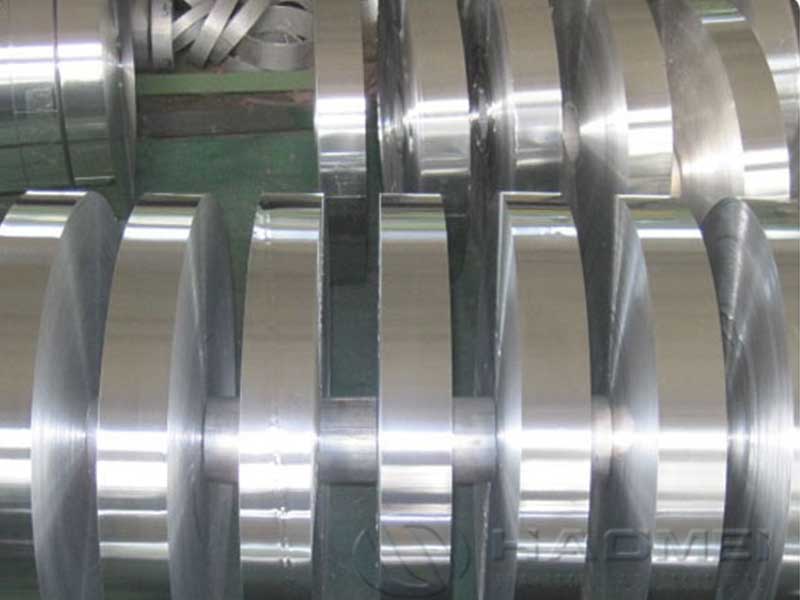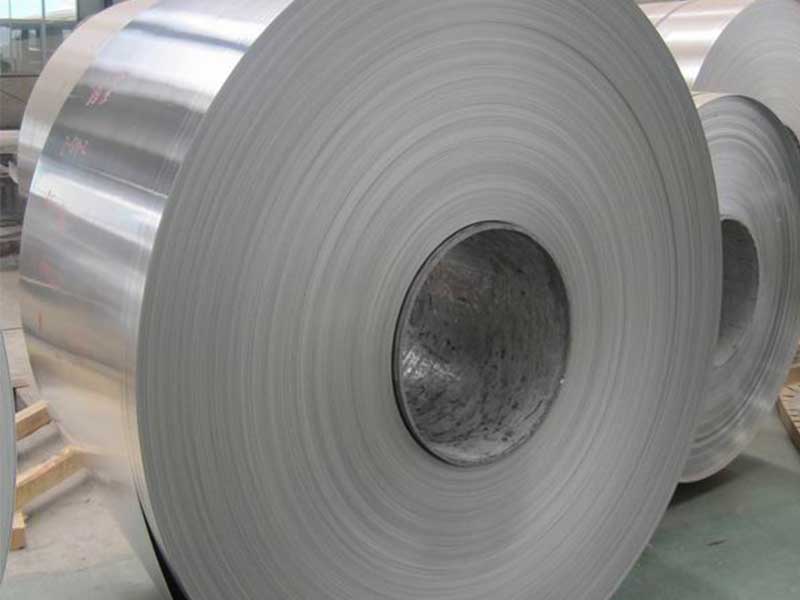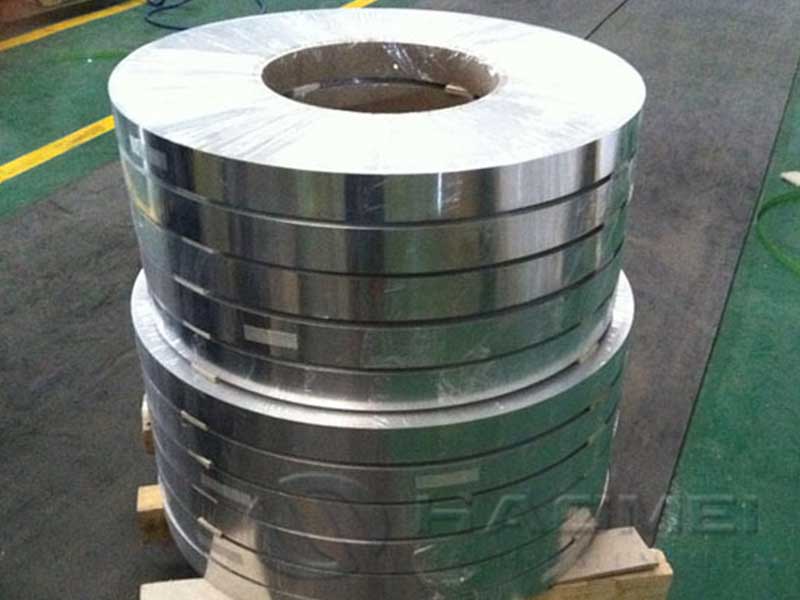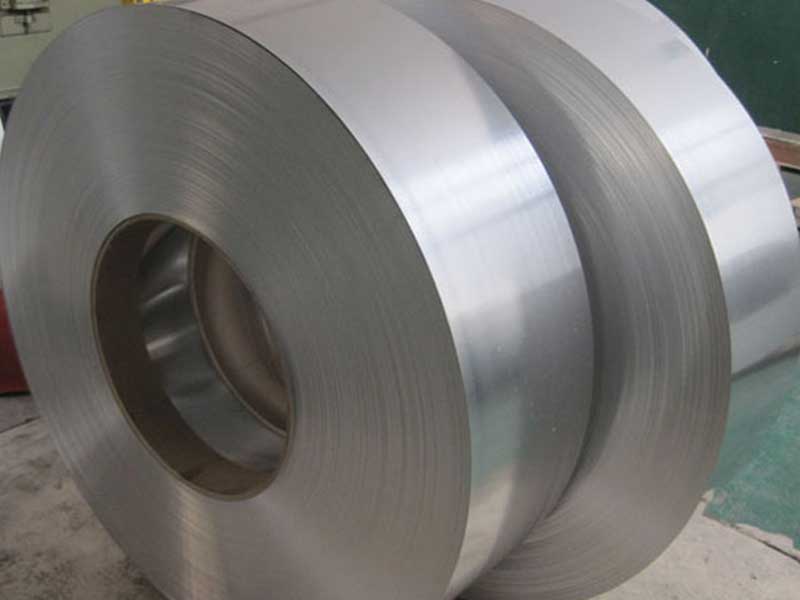

4mm 0.3mm High Gloss Aluminium strip
High gloss aluminium strip in 4 mm width and 0.3 mm thickness is a small product with a surprisingly large impact. Behind that slim, reflective band is a precise combination of alloy design, temper state, surface treatment, and tightly controlled dimensions. For designers and engineers, how these elements work together can turn a simple strip into a highly efficient functional component.
What “4 mm 0.3 mm High Gloss Aluminium Strip” Really Means
The designation describes three attributes:
Width: 4 mm
A very narrow strip, suited for precision edge trims, light guides, decorative lines, and micro-mechanical parts. This dimension calls for accurate slitting to avoid burrs and edge waviness.Thickness: 0.3 mm
Thin enough for flexibility and easy forming, but thick enough to provide stiffness, continuity and stable surface reflection.High gloss surface
A highly reflective, polished or rolled-finish surface that can exceed 80–90% total reflectivity in specific wavelengths, depending on alloy and finishing process. Gloss here is both an optical and functional feature, not just aesthetic.
Functional Role: More Than Just Shine
High gloss aluminium strip serves multiple functions simultaneously.
Reflective function
The mirror-like finish is valuable wherever controlled light management is needed. In LED lighting modules, sensor housings, display backlights and decorative light trims, 4 mm strips act as mini reflectors, channels or borders, optimizing light distribution and reducing energy loss.
Barrier and shielding role
Even at 0.3 mm, aluminium provides excellent barrier properties against moisture, dust, and environmental contaminants when used as a thin cover, liner, or shield. The metal surface can also offer limited electromagnetic shielding in compact electronics and instrument panels.
Structural and guiding function
The strip geometry behaves like a miniature beam. It guides cables, holds LED beads in place, frames panels, or forms rails and tracks in compact assemblies. The high gloss finish in such cases also helps cleaning, reduces friction in sliding components, and prevents dirt retention.
Decorative and branding role
Architectural details, appliance trims, automotive interior strips, and consumer electronics accents often use narrow, bright aluminium lines to communicate precision and quality. Here, the gloss level, color tone, and uniformity directly affect perceived brand value.
Typical Alloy and Temper Choices
For 4 mm × 0.3 mm high gloss strip, alloy and temper define mechanical behavior and surface quality.
Common alloys
1xxx series (e.g., 1050, 1060, 1100)
Very high purity aluminium, excellent for bright finishing and maximum reflectivity. Soft, with low strength but outstanding formability. Often used in reflectors, decorative trims, and light management applications.3xxx series (e.g., 3003, 3105)
Manganese-alloyed aluminium with better strength and still good surface finish. Suitable when moderate strength and corrosion resistance are needed along with a bright appearance.5xxx series (e.g., 5052)
Magnesium-alloyed, with good strength and corrosion resistance, chosen for more demanding appliances, transportation, or marine-related decorative trims.
Typical tempers
O (annealed)
Maximum ductility, very easy bending and deep forming. Used where the strip needs tight-radius bending without cracking, such as wrapped edges and rolled profiles.H14 / H16 / H18
Work-hardened tempers, offering increasing strength and stiffness. H18 is quite hard, ideal for straight, dimensionally stable strips that must remain flat and resistant to deformation during assembly.H24 / H26
Slightly strain-hardened and partially annealed states, balancing formability and strength. These are common for strips that need both bending capability and shape retention.
The balance between alloy and temper is driven by final use. A highly polished reflector for a compact LED module might favor a 1xxx alloy in H16, while an appliance front trim might use 3003 H24 for added robustness and dent resistance.
Dimensional and Surface Parameters
To make the strip truly functional, several parameters are controlled beyond width and thickness:
Width tolerance
For 4 mm strips, typical width tolerances may be within ±0.05–0.10 mm, depending on the specification and manufacturing capability. This level of precision is essential for automated feeding, insertion and assembly lines.
Thickness tolerance
At 0.3 mm, tolerances on the order of ±0.01–0.02 mm are common in quality production. Consistent thickness ensures uniform bending behavior and stable optical properties in reflective systems.
Flatness and edge quality
Flatness is critical for light reflection. Waves, buckles or twists distort light paths. Burr-free, well-slitted edges are also important for safety, assembly quality and coating adhesion, especially in narrow widths like 4 mm.
Surface roughness and gloss
For high gloss strip, surface roughness (Ra) is typically kept very low. A mirror-like finish can come from:
- Bright rolling with specially polished rolls
- Subsequent polishing or buffing
- Chemical brightening or anodizing for enhanced reflectivity and durability
Gloss is often evaluated with a gloss meter at a specified angle (commonly 60°). Reflectance can be measured using standard methods when used in lighting and optical systems.
Implementation Standards and Quality References
4 mm × 0.3 mm aluminium strip often adheres to international standards to ensure compatibility and consistency. While specific standards differ by region and application, common reference frameworks include:
- EN / DIN standards for wrought aluminium alloys and strip
- ASTM standards such as ASTM B209 for aluminium and aluminium-alloy sheet and plate
- ISO standards governing surface quality, dimensional tolerances, and mechanical properties
For high gloss and reflective performance, manufacturers may also follow internal standards or industry-specific lighting and optical guidelines, defining minimum reflectivity values, surface defects acceptance criteria, and color consistency targets.
Compliance is usually validated through:
- Tensile testing for yield strength, tensile strength and elongation
- Hardness testing to confirm temper
- Surface inspection under controlled lighting for scratches, pinholes and roll marks
- Chemical composition analysis via spectrometry
Applications: Where a 4 mm Strip Makes the Difference
Lighting and optics
Narrow reflector trims in LED modules, light guides around lenses or sensors, and fine edge reflectors in display backlights all rely on stable geometry and high gloss to guide light where it’s needed and minimize losses.
Consumer electronics and appliances
Control panel highlights, decorative borders around displays, and touch interface frames often use slim, bright strips. High gloss aluminium provides a metallic feel that plastic cannot replicate, while remaining light and workable.
Automotive and transportation
Interior trims, dashboard highlights, decorative door strips, and small reflective accents benefit from 4 mm strips. When paired with appropriate alloy and temper, they resist abrasion and maintain gloss under frequent handling.
Architectural details
Window beading, cabinet and furniture edge trims, signage details, and small linear elements in interior designs use narrow aluminium strips to give clean, continuous lines and reflections that enhance modern aesthetics.
Precision mechanical and industrial uses
Guides, clips, shims, and light-duty springs can be produced from 0.3 mm strip in harder tempers. The high gloss surface also facilitates visual inspection and dirt detection, useful in cleanroom and laboratory environments.
Chemical Composition: A Typical Example (Alloy 1060)
Below is a representative chemical composition for a commonly used high-purity alloy such as 1060, often chosen for high gloss and high reflectivity. Exact values vary by producer, but typical limits are:
| Element | Typical Content (wt. %) |
|---|---|
| Al | ≥ 99.60 |
| Si | ≤ 0.25 |
| Fe | ≤ 0.35 |
| Cu | ≤ 0.05 |
| Mn | ≤ 0.03 |
| Mg | ≤ 0.03 |
| Zn | ≤ 0.05 |
| Ti | ≤ 0.03 |
| Others (each) | ≤ 0.03 |
| Others (total) | ≤ 0.10 |
High aluminium purity yields excellent electrical and thermal conductivity, outstanding corrosion resistance in most environments, and a natural ability to achieve a very bright, smooth surface after proper rolling and finishing.
Bringing It All Together
4 mm 0.3 mm high gloss aluminium strip is a carefully engineered material rather than a simple commodity. Its narrow width and thin profile demand precise rolling and slitting; its gloss levels require controlled alloy purity and finishing; its performance relies on the correct choice of alloy and temper.
For buyers and designers, the most efficient approach is to define:
- Target application and environment
- Required reflectivity or gloss and color tone
- Forming or bending needs (which guide temper selection)
- Any applicable standards and dimensional tolerances
With these clarified, 4 mm × 0.3 mm high gloss aluminium strip can be tailored as a highly functional, visually striking, and cost-effective solution across lighting, electronics, automotive, and architectural applications.
https://www.al-alloy.com/a/4mm-03mm-high-gloss-aluminium-strip.html