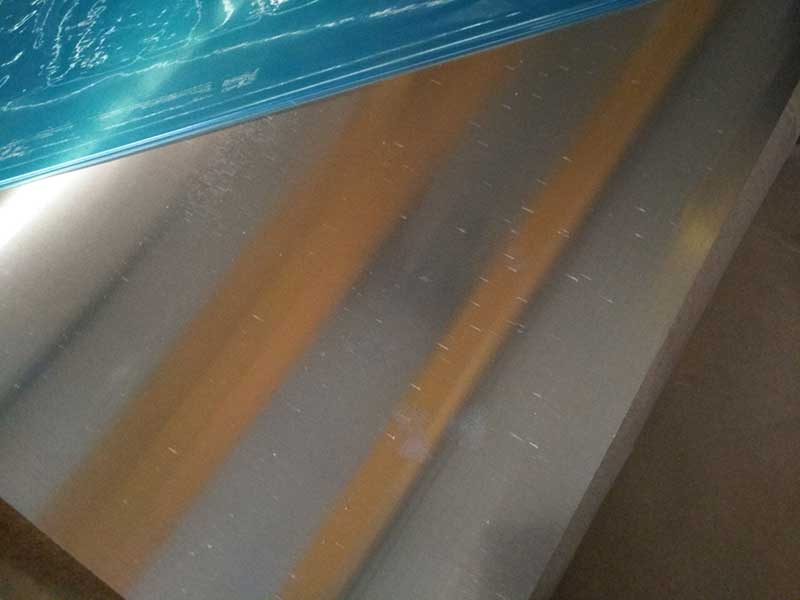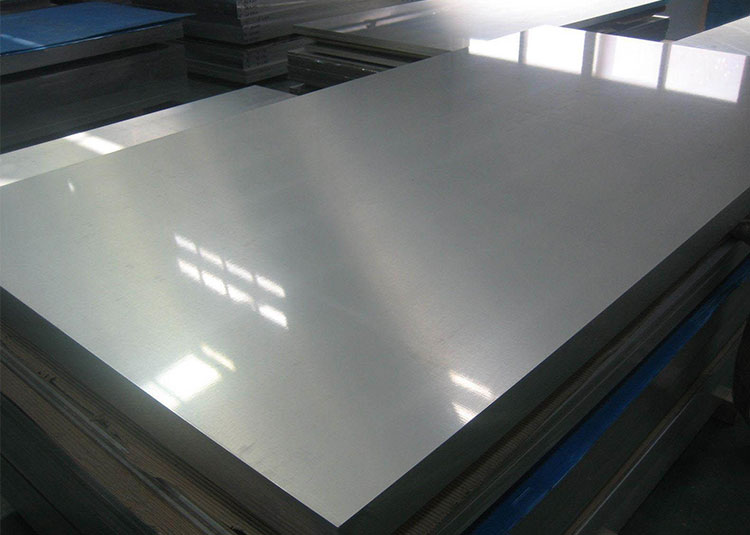

8 x 4 aluminium sheet
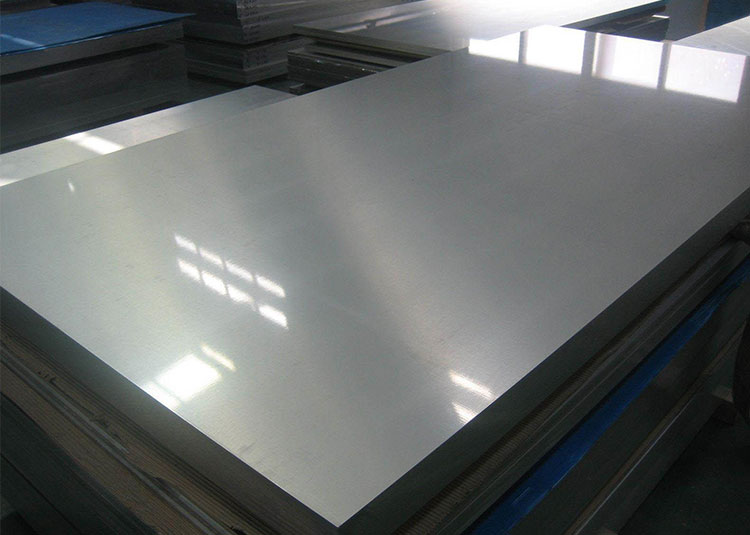
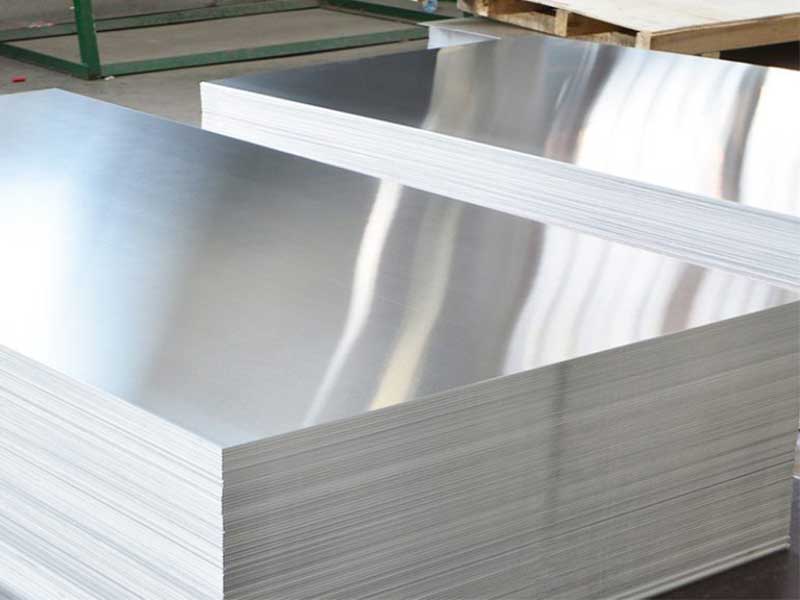
An 8 x 4 aluminium sheet is a flat-rolled aluminum sheet supplied in the widely used 4 ft × 8 ft (1220 × 2440 mm) format. This "standard panel" size fits common fabrication workflows, minimizes trimming waste, and integrates smoothly with CNC routers, laser cutting beds, press brakes, and architectural modular dimensions. Because aluminum combines low weight, corrosion resistance, and excellent workability, 8 × 4 sheets are a go-to choice across construction, transportation, signage, marine, and general industrial fabrication.
What "8 × 4" means in practice
"8 × 4" refers to the sheet's length and width, not its thickness. Thickness is selected separately to match stiffness, dent resistance, forming needs, and weight targets.
Typical supply formats include mill finish, coated, embossed, brushed, tread plate, or anodizing-quality sheet, depending on the alloy and processing route.
features customers value
High strength-to-weight ratio
Aluminum provides useful mechanical strength at roughly one-third the density of steel, supporting lightweight panels, enclosures, and vehicle components.
Corrosion resistance
Naturally forming oxide film protects the surface. Alloys like 5052 excel in marine or chemical exposure; 6061 performs well in structural service; 1100 offers strong atmospheric corrosion resistance for indoor/outdoor non-structural use.
Excellent fabrication performance
8 × 4 sheets can be cut, punched, drilled, formed, and welded with conventional methods. Alloy/temper selection is the difference between a sheet that bends cleanly and one that cracks at the radius.
Surface versatility
From reflective trims to painted signage substrates, aluminum sheets accept painting, powder coating, anodizing (alloy-dependent), brushing, and lamination.
Common alloys for 8 × 4 aluminium sheet
The "best" alloy depends on whether you prioritize formability, corrosion resistance, weldability, or strength. The table below highlights common choices.
| Alloy | Series | Typical tempers | Standout strengths | Typical uses |
|---|---|---|---|---|
| 1100 | 1xxx | O, H14 | Very high formability, excellent corrosion resistance, high conductivity | Decorative panels, flashings, chemical handling (non-structural) |
| 3003 | 3xxx | O, H14 | Good forming, moderate strength, cost-effective | Roofing, cladding, general sheet metal work |
| 5052 | 5xxx | H32, H34 | Excellent marine corrosion resistance, strong, weldable, good forming | Marine panels, fuel tanks, enclosures, brackets |
| 6061 | 6xxx | T6, T651 | High strength, machinable, structural capability | Frames, base plates, industrial panels (limited tight forming in T6) |
| 5083 | 5xxx | H116, H321 | High strength, outstanding seawater resistance | Shipbuilding, heavy-duty marine structures |
Chemical composition (typical ranges)
Actual chemistry depends on the governing standard and mill practice. The table below shows typical composition ranges for frequently ordered 8 × 4 sheet alloys.
| Alloy | Si (%) | Fe (%) | Cu (%) | Mn (%) | Mg (%) | Cr (%) | Zn (%) | Ti (%) | Al (%) |
|---|---|---|---|---|---|---|---|---|---|
| 1100 | ≤1.00 (Si+Fe) | - | 0.05–0.20 | ≤0.05 | ≤0.05 | - | ≤0.10 | - | Balance |
| 3003 | ≤0.60 | ≤0.70 | 0.05–0.20 | 1.0–1.5 | - | - | ≤0.10 | - | Balance |
| 5052 | ≤0.25 | ≤0.40 | ≤0.10 | ≤0.10 | 2.2–2.8 | 0.15–0.35 | ≤0.10 | - | Balance |
| 6061 | 0.4–0.8 | ≤0.70 | 0.15–0.40 | ≤0.15 | 0.8–1.2 | 0.04–0.35 | ≤0.25 | ≤0.15 | Balance |
| 5083 | ≤0.40 | ≤0.40 | ≤0.10 | 0.4–1.0 | 4.0–4.9 | 0.05–0.25 | ≤0.25 | ≤0.15 | Balance |
Technical specifications (size, thickness, flatness, finish)
8 × 4 is typically supplied as 1220 × 2440 mm (or 48" × 96"). Thickness tolerance, flatness, and surface class depend on standard, alloy, and mill route.
| Parameter | Common options | Notes |
|---|---|---|
| Sheet size | 1220 × 2440 mm (48" × 96") | Custom cutting available; allow trimming allowance for critical work |
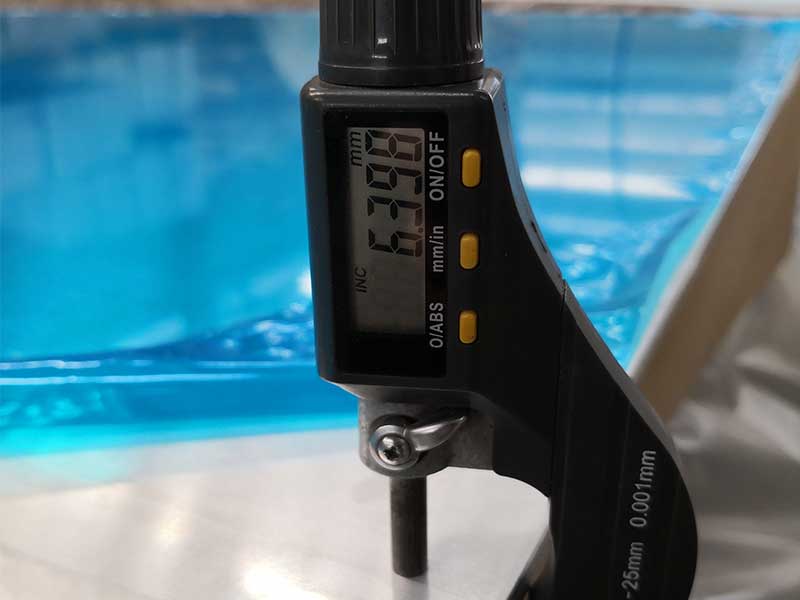
| Thickness range | 0.5–6.0 mm common; thicker plate also available | 1.0–3.0 mm is popular for signage, skins, and fabrication |
| Temper | O, H14, H32, T6, T651 | O/H tempers form better; T6 emphasizes strength |
| Surface finish | Mill finish, brushed, mirror, embossed, tread, coated | Anodizing quality depends strongly on alloy and surface prep |
| Protective film | PE/PVC film optional | Recommended for decorative/painted surfaces during fabrication |
| Standards | ASTM B209 / EN 485 (typical) | Specify standard + alloy + temper + finish to avoid ambiguity |
Weight reference (quick estimating)
For fast material planning, aluminum density is about 2.70 g/cm³. The table provides approximate weights for an 8 × 4 sheet.
| Thickness | Size | Approx. volume | Approx. weight |
|---|---|---|---|
| 1.0 mm | 1220 × 2440 mm | 0.00298 m³ | 8.0 kg |
| 2.0 mm | 1220 × 2440 mm | 0.00595 m³ | 16.1 kg |
| 3.0 mm | 1220 × 2440 mm | 0.00893 m³ | 24.1 kg |
| 4.0 mm | 1220 × 2440 mm | 0.01190 m³ | 32.1 kg |
| 5.0 mm | 1220 × 2440 mm | 0.01488 m³ | 40.2 kg |
| 6.0 mm | 1220 × 2440 mm | 0.01786 m³ | 48.2 kg |
Note: actual weight varies with thickness tolerance and alloy.
Performance notes that affect real-world results
Bending and forming
If your job involves tight radii, hems, or deep draws, prioritize 1100-O, 3003-O/H14, or 5052-H32. Stronger tempers like 6061-T6 can crack on tight bends unless bend radius is increased and grain direction is considered.
Welding
5xxx alloys such as 5052 and 5083 are excellent for MIG/TIG welding with strong corrosion performance afterward. 6061 is weldable but may experience strength reduction in the heat-affected zone unless post-processing is considered.
Corrosion environment
For marine splash zones, salt-laden air, and aggressive service, 5052 and 5083 are preferred. For architectural cladding, 3003 performs well and is cost-effective, especially when painted or coated.
Surface appearance
For anodized appearance-critical panels, consistent surface quality and alloy choice matter. 6xxx series is often used for anodizing uniformity, while 5xxx may show different visual responses depending on finish requirements and batch consistency.
Applications of 8 × 4 aluminium sheet
Building and construction
Used for façade panels, soffits, flashings, roof edgings, interior wall cladding, column covers, and decorative trims. The 8 × 4 format aligns with modular building grids and simplifies panelization.
Transportation and lightweight structures
Ideal for trailer skins, truck body panels, interior linings, toolboxes, and protective guards. Aluminum reduces payload penalty and helps corrosion performance in outdoor service.
Marine and coastal fabrication
5052/5083 sheets are common for boat components, access hatches, dock hardware covers, and equipment housings where salt resistance is critical.
Signage, displays, and CNC-cut panels
8 × 4 sheets are a standard input for CNC routers. They work well for sign blanks, back panels, mounting plates, and painted graphics substrates, especially with protective film.
Industrial enclosures and electrical cabinets
Aluminum provides clean fabrication, reliable corrosion resistance, and manageable weight for doors, cover plates, and instrument panels.
Food, chemical, and cleanability-oriented equipment
Selected alloys support hygienic surfaces, easy cleaning, and corrosion resistance. Material choice should match the process chemicals and cleaning agents used.
How to specify an 8 × 4 aluminium sheet correctly
Clear specification prevents mismatches in fabrication and finish.
| Specification item | What to state | Example |
|---|---|---|
| Alloy | Series and grade | AA5052 |
| Temper | Forming/strength condition | H32 |
| Thickness | Nominal thickness | 2.0 mm |
| Size | Sheet dimensions | 1220 × 2440 mm |
| Finish | Surface requirement | Mill finish + one-side PE film |
| Standard | Governing standard | ASTM B209 |
An 8 × 4 aluminium sheet is a practical, production-friendly panel format that supports fast cutting, forming, and installation. The value comes from choosing the right alloy + temper + finish: 3003 for economical general work, 5052/5083 for corrosion-critical and marine environments, and 6061 when structural strength and machining matter. With predictable weight, broad finish options, and strong corrosion resistance, 8 × 4 aluminum sheets remain one of the most versatile starting materials in modern fabrication.