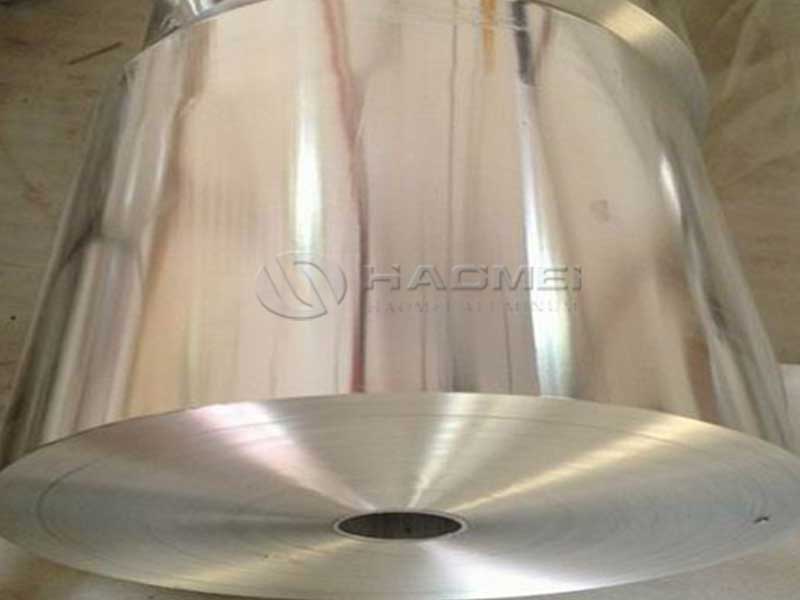

Aluminum Foil 0.005-0.009mm A8079 1235 O Temper
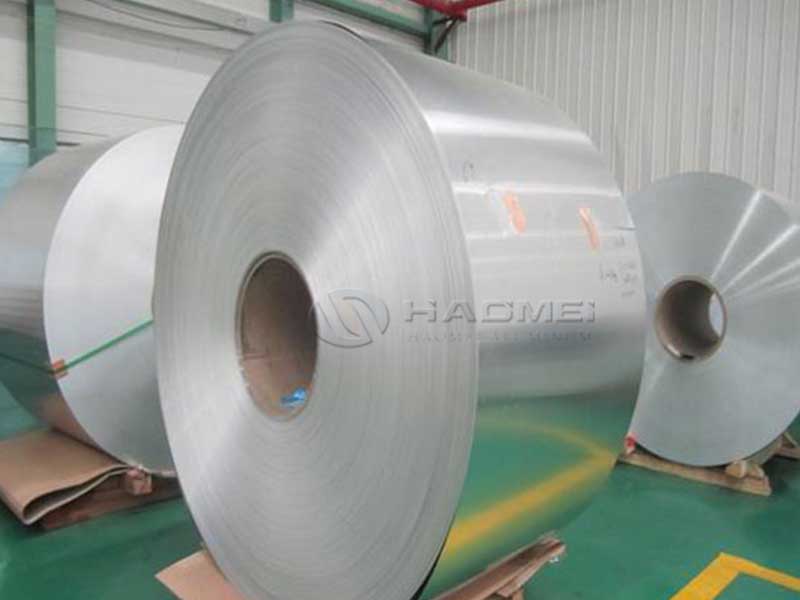
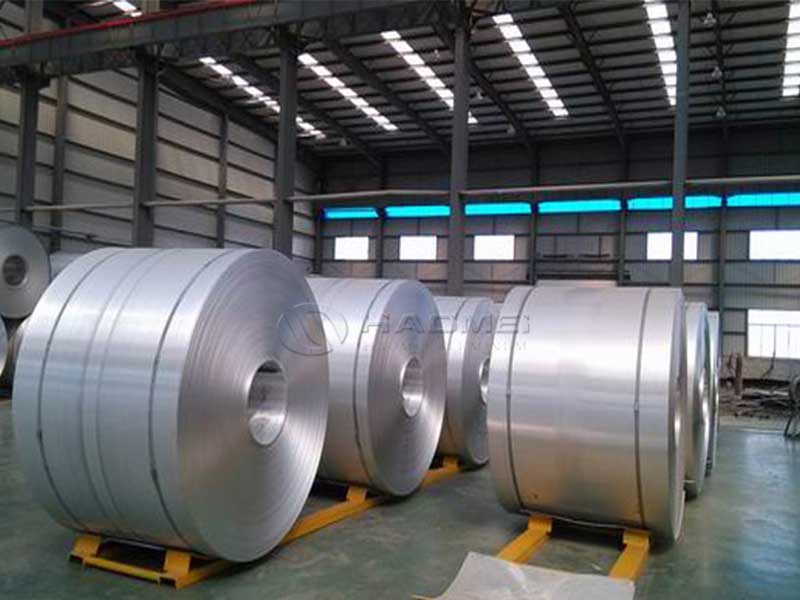
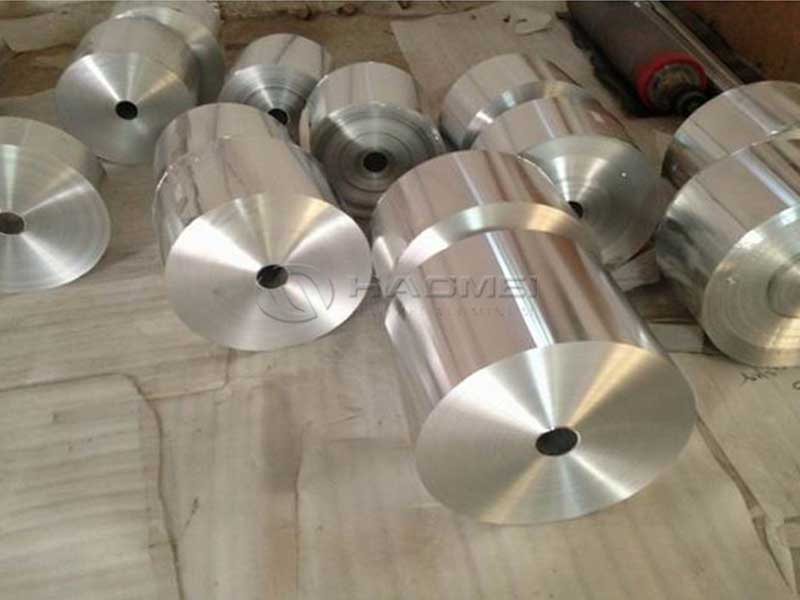
Aluminum Foil 0.005–0.009mm in Alloy A8079 and 1235, O temper is an ultra-thin, fully annealed foil designed for high-formability converting, stable barrier performance, and consistent processing on modern high-speed lines. In this thickness window, foil becomes highly sensitive to pinholes, tension stability, rolling cleanliness, and winding quality. That is why these grades are widely selected for pharmaceutical blister (often as lidding), food and dairy lidding, laminate structures, sachets, cigarette inner liner, insulation facings, and flexible packaging where predictable runnability and sealing behavior matter as much as gauge.
O temper means the foil is soft and dead-fold capable, enabling tight wrapping, reliable embossing, and improved conformability when laminated to paper or polymer films. The two alloys cover different performance priorities: 1235 emphasizes purity, softness, and cost efficiency; 8079 is preferred when higher strength and improved pinhole resistance are required at very low gauges.
Features at a Glance
| Feature | What it means for customers | Typical benefit in use |
|---|---|---|
| Ultra-thin gauge: 0.005–0.009mm | Extremely lightweight barrier layer | Lower material usage, high barrier per gram |
| O temper (fully annealed) | Soft, highly formable foil | Deep embossing, excellent dead-fold, smooth converting |
| High barrier to light/oxygen/aroma | Aluminum layer acts as true barrier | Shelf-life protection for sensitive products |
| Good heat transfer | High thermal conductivity | Fast cooling/heating in packaging and insulation |
| Printable & coatable surface | Compatible with standard coating/ink systems | Strong graphics, brand visibility, functional coatings |
| Lamination-friendly | Bonds well with PE/PET/paper using suitable adhesives | Robust composite structures with tailored performance |
| Alloy choice: 8079 vs 1235 | Strength/pinhole focus vs purity/softness | Optimize cost and performance for the end product |
Alloy Selection: 8079 vs 1235 (Why Two Options)
| Item | A8079 (Al-Fe-Si) | 1235 (High-purity Al) |
|---|---|---|
| Typical positioning | Higher strength, improved pinhole resistance | High purity, excellent softness and conductivity |
| Converting behavior | Good tension stability at low gauge | Very soft, excellent dead-fold |
| Common target markets | Pharma lidding/laminates, premium packaging | Food wrap/laminates, general flexible packaging |
| Cost-performance note | Often selected when defect control is critical | Often selected for value and consistent softness |
Both alloys are routinely supplied in O temper for thin foil applications, and the best choice depends on the laminate design, required barrier risk margin, and converting line speed.
Typical Chemical Composition (Reference Ranges)
Actual limits depend on governing standard and customer specification. The table below reflects common industry targets used for thin foil production.
| Element | 8079 (wt.%) | 1235 (wt.%) |
|---|---|---|
| Al | Balance | ≥ 99.35 |
| Si | 0.05–0.30 | ≤ 0.10 |
| Fe | 0.70–1.30 | ≤ 0.65 |
| Cu | ≤ 0.05 | ≤ 0.05 |
| Mn | ≤ 0.10 | ≤ 0.05 |
| Mg | ≤ 0.05 | ≤ 0.05 |
| Zn | ≤ 0.10 | ≤ 0.10 |
| Ti | ≤ 0.08 | ≤ 0.03 |
| Others (each) | ≤ 0.05 | ≤ 0.03 |
| Others (total) | ≤ 0.15 | ≤ 0.10 |
Temper & Metallurgical Condition (O Temper)
O temper foil is produced by cold rolling to target gauge followed by controlled annealing to recrystallize and soften the structure. In ultra-thin foil, this temper supports reliable downstream converting where the foil must conform, fold, emboss, and laminate without springback.
| Parameter | Typical condition for O temper foil | Customer-facing impact |
|---|---|---|
| Metallurgical state | Fully annealed, recrystallized | Very high ductility and formability |
| Surface cleanliness | High-cleanliness rolling/finishing practice | Reduced odor, better coating/lamination wet-out |
| Coil set / flatness control | Tension leveling and winding discipline | Improved web handling on high-speed lines |
Technical Specifications (Product Data)
Values vary by mill capability, gauge, width, and customer requirements. The ranges below are typical for commercial supply in 0.005–0.009mm.
| Item | Specification / Typical Range |
|---|---|
| Product name | Aluminum Foil 0.005–0.009mm A8079 / 1235 O Temper |
| Thickness range | 0.005–0.009 mm (5–9 µm) |
| Alloy | 8079 or 1235 |
| Temper | O (fully annealed) |
| Surface finish | Bright / matte (single side bright possible by request) |
| Typical width | As per customer slitting requirement (often 100–1600 mm capability depending on line) |
| Core ID | Commonly 3 in / 6 in (custom available) |
| Splice standard | Available per converting needs (tape type and position by agreement) |
| Joint marking | Optional for high-speed converting lines |
| Packaging | Export seaworthy packing, moisture protection, edge protection |
Typical Mechanical Properties (O Temper, Thin Foil)
Mechanical properties at 5–9 µm are highly dependent on gauge, processing route, and test method. For thin foil, many customers focus more on web handling, elongation behavior, and pinhole performance than on absolute tensile numbers.
| Property | Typical O temper behavior | Notes |
|---|---|---|
| Tensile strength | Low to moderate | 8079 generally higher than 1235 |
| Elongation | Relatively high for foil | Supports embossing and forming |
| Dead-fold | Excellent | for wraps, lidding, and laminates |
| Tear behavior | Direction-dependent | Controlled by grain direction and gauge |
Surface, Defect Control, and Barrier Performance
At 0.005–0.009mm, the main performance differentiators are not just alloy and temper, but the discipline of foil making: melt cleanliness, filtration, rolling oil management, foil separation, and inspection.
| Quality parameter | What is controlled | Why it matters |
|---|---|---|
| Pinhole level | Inclusion control, rolling stability, foil handling | Critical for barrier integrity in laminates |
| Thickness tolerance | Gauge control and AGC performance | Stable lamination coat weight and sealing consistency |
| Winding quality | Telescoping, loose edges, wrinkles | Minimizes web breaks and waste |
| Surface energy / wettability | Coating and printing readiness | Improves ink/adhesive anchorage |
Aluminum foil provides an exceptional barrier to light, oxygen, moisture vapor, and aroma when used correctly. In many flexible packaging structures, the foil layer is protected by polymer films and adhesives to maintain barrier integrity through handling and distribution.
Applications
| Application | Why this foil works well | Typical structure examples |
|---|---|---|
| Pharmaceutical packaging (lidding, laminate) | Strong barrier, clean surface, embossable | Foil/primer/heat-seal lacquer; Foil/PET/PE |
| Food & dairy lidding | Dead-fold, heat transfer, printability | Foil + heat-seal lacquer; Foil/Paper/PE |
| Sachets and stick packs (laminates) | Aroma barrier, puncture-resistant composite | PET/Foil/PE, Paper/Foil/PE |
| Cigarette inner liner | Dead-fold and shine, good barrier | Foil/paper laminate |
| Insulation facings | Reflectivity and moisture barrier | Foil/scrim/kraft or foil/PE |
| Household and catering wrap (laminated types) | Softness and foldability | Foil/paper or coated foil |
Processing Notes for Converters
| Process step | Recommendation | Result |
|---|---|---|
| Lamination | Match adhesive system to end-use temperature and migration requirements | Strong bond, stable barrier |
| Printing | Use inks compatible with aluminum surface and primers | Reduced pinholes from aggressive solvents, better adhesion |
| Heat sealing | Select lacquer by substrate and sealing jaw profile | Wide sealing window, fewer leaks |
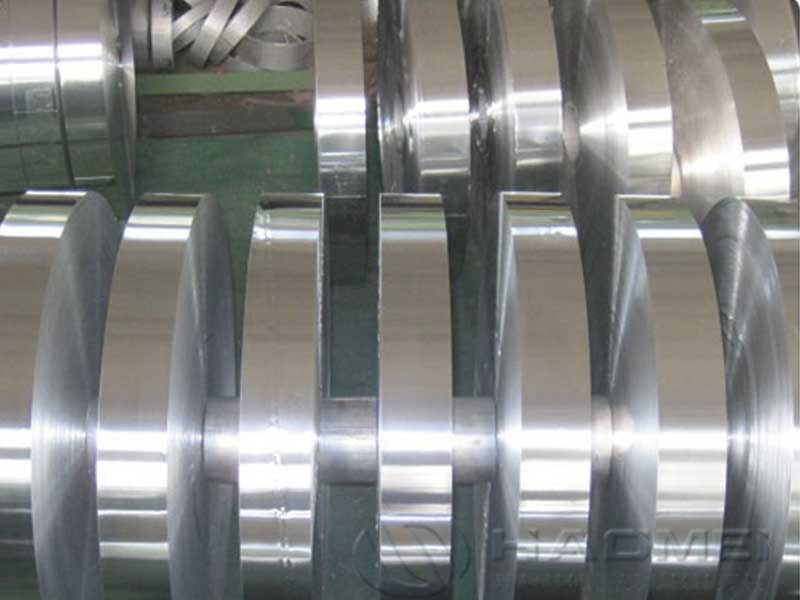
| Slitting & rewinding | Control tension, use clean knives, manage static | Reduced wrinkles, edge damage, and web breaks |
Aluminum Foil 0.005–0.009mm A8079 / 1235 O Temper is a soft, ultra-thin aluminum foil engineered for high-barrier packaging and lamination. With excellent dead-fold, strong converting performance, and reliable compatibility with printing, coating, and heat-seal lacquers, it is widely used for pharmaceutical lidding, food and dairy packaging, flexible laminates, sachets, cigarette inner liner, and insulation facings. Alloy 8079 is typically chosen for enhanced strength and pinhole resistance at very low gauges, while 1235 offers high purity and outstanding softness. This product delivers lightweight protection, stable web handling, and consistent quality for high-speed converting lines.
https://www.al-alloy.com/a/aluminum-foil-0005-0009mm-a8079-1235-o-temper.html