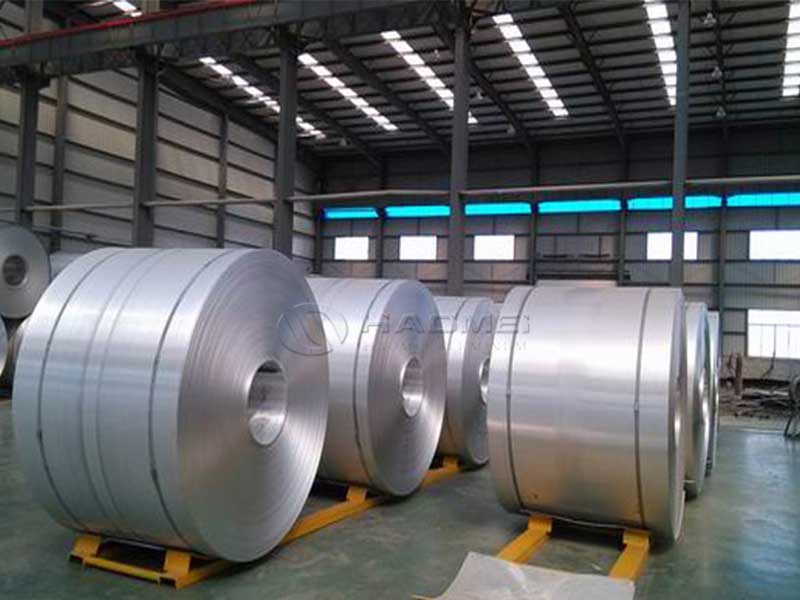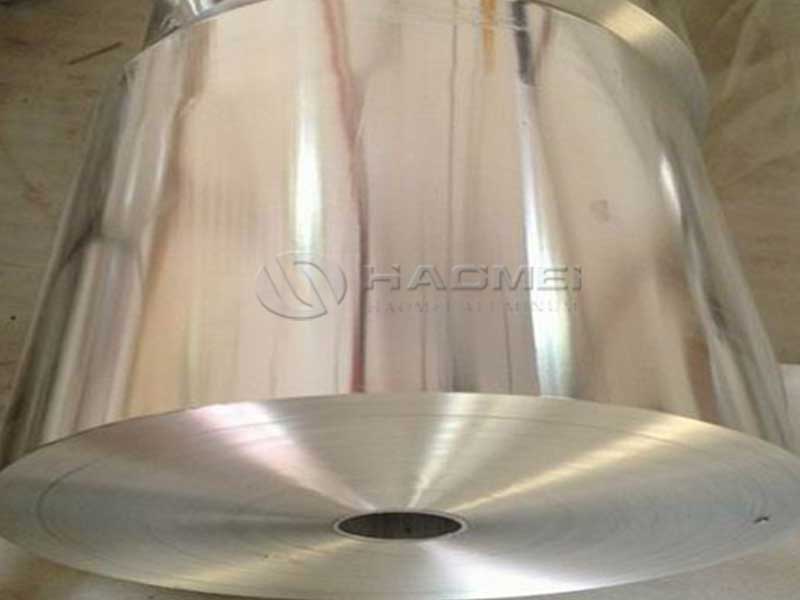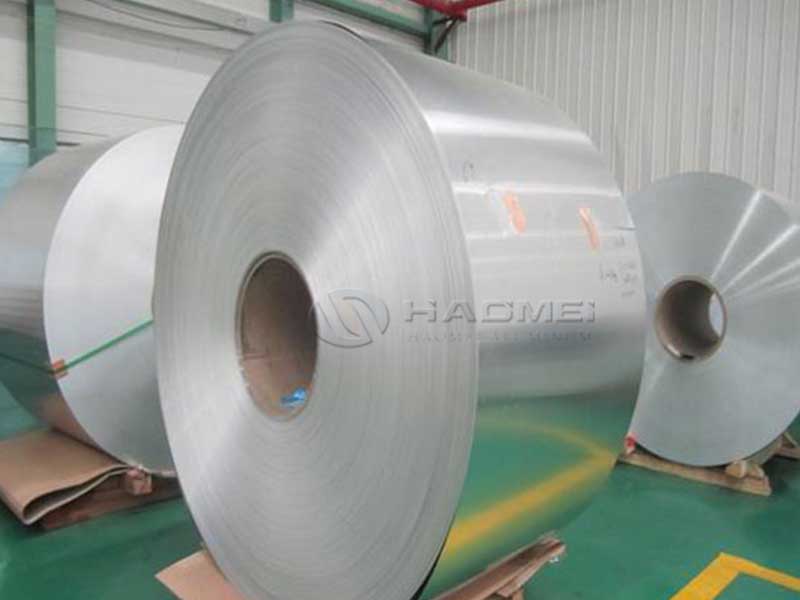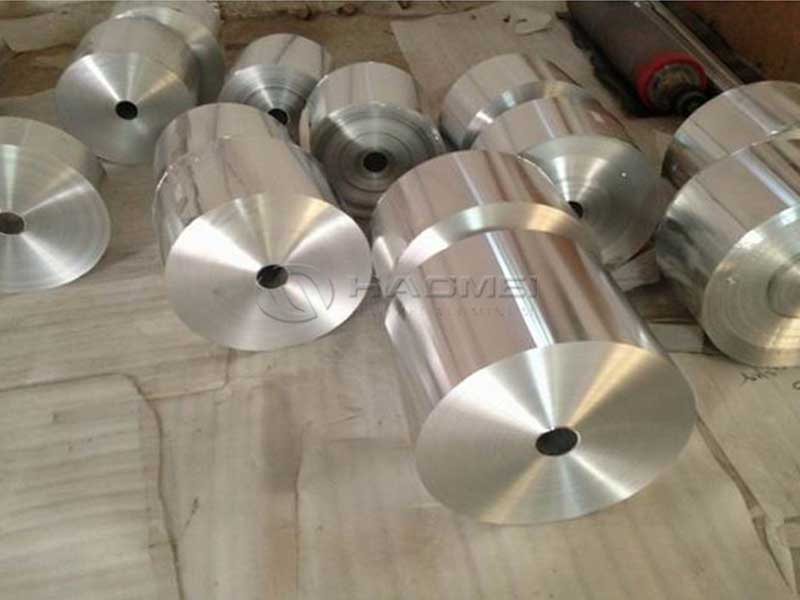

8079 Alloy and 30-38 microns Thickness aluminum foil for dairy lid
Dairy packaging lives in a demanding world: cold-chain logistics, frequent consumer handling, strict hygiene requirements, and high-speed filling/heat-sealing lines. 8079 aluminum alloy foil in the 30–38 μm thickness range is a proven material for yogurt cups, milk-based dessert cups, cream cheese tubs, and other dairy lids because it balances barrier performance, seal reliability, formability, and cleanliness-all while running smoothly on modern converting and lidding equipment.
Why 8079 Alloy for Dairy Lids?
8079 is an aluminum alloy commonly used for packaging foil where high barrier, stable mechanical behavior, and consistent converting performance are required. For dairy lids, it supports:
- Excellent barrier to oxygen, light, moisture, and odor, helping protect flavor and shelf life
- Reliable heat-seal conversion with lacquer/heat-seal coatings (PSA/heat-seal lacquers)
- Good puncture and tear resistance, reducing pinholes and leakage risk
- Stable runnability in printing, lacquering, slitting, and lidding machines
The 30–38 μm thickness is widely used because it is thick enough to improve puncture resistance and lid integrity, while still allowing high-speed stamping/die cutting and clean peel behavior when paired with the right heat-seal layer.
8079 foil is typically supplied as rolled foil for downstream converting: printing → coating/lamination → slitting → lid punching → sealing onto cups (PS/PP/PET/PVC or lacquered paperboard, depending on system).
Product Features
| Feature | What it Means for Dairy Lids | Customer Benefit |
|---|---|---|
| High barrier (light/oxygen/moisture/odor) | Aluminum foil is essentially a full barrier when pinhole-controlled | Better taste preservation and shelf-life stability |
| 30–38 μm thickness window | Increased stiffness and puncture resistance vs thin foil | Reduced transit damage; premium "feel" during opening |
| Good formability | Supports embossing and controlled deformation during sealing | Neat lid appearance, fewer wrinkles |
| Consistent surface quality | Supports high-quality rotogravure/flexo printing and coating adhesion | Strong branding and fewer rejects |
| Compatibility with heat-seal lacquers | Designed for coated lidding structures | Reliable sealing and controlled peel |
Typical Chemical Composition (8079 Alloy)
8079 is an Al-Fe-Si based alloy family used in foil applications. Actual chemistry can vary by standard and supplier control range; the table below provides typical industry ranges for packaging-grade 8079.
| Element | Typical Range (wt.%) | Role in Foil Performance |
|---|---|---|
| Al | Balance | Base metal; provides barrier and corrosion resistance |
| Fe | 0.7–1.3 | Strengthening, improves high-temperature stability, affects recrystallization |
| Si | 0.05–0.30 | Works with Fe to form intermetallics; contributes to strength/structure |
| Cu | ≤ 0.10 | Controlled low to maintain corrosion resistance and formability |
| Mn | ≤ 0.10 | Minor strengthening; controlled to keep foil formability stable |
| Mg | ≤ 0.10 | Typically kept low to avoid oxidation/processing issues in foil |
| Zn | ≤ 0.10 | Controlled impurity level |
| Ti | ≤ 0.05 | Grain refinement control in casting |
Technical Specifications (8079 Dairy Lidding Foil)
Below is a practical specification set commonly used for 30–38 μm lidding foil. Final values depend on temper, coating, and customer line requirements.
| Parameter | Typical Offering | Notes / Options |
|---|---|---|
| Alloy | 8079 | Packaging foil grade |
| Thickness | 30–38 μm (0.030–0.038 mm) | Common points: 30, 33, 35, 38 μm |
| Temper | O (soft) / H18 (hard) / intermediate (e.g., H14–H16) | Chosen based on embossing, lid stiffness, and sealing process |
| Surface finish | One side bright / matte options | Improves print aesthetics; chosen per design |
| Coil ID | 76 mm / 152 mm | Per customer unwinder |
| Coil OD | Custom | Matched to press/slitter capacity |
| Width tolerance | Tight slitting control | Minimizes edge issues during lid punching |
| Pinhole control | Packaging-grade | Critical for shelf-life and leak prevention |
| Cleanliness / low residue | Controlled | Supports coating adhesion and food contact compliance pathways |
Mechanical & Converting Performance (Typical)
Because dairy lids are converted, punched, and sealed at high speed, mechanical consistency and tear behavior matter as much as strength.
| Performance Item | What to Look For | Why It Matters |
|---|---|---|
| Tensile behavior (by temper) | Stable tensile/elongation | Prevents web breaks, improves print/coating consistency |
| Puncture resistance | Improved with 30–38 μm | Reduces micro-leaks and pinholes from handling |
| Tear propagation | Balanced (not too "runny") | Cleaner opening experience; fewer accidental full tears |
| Flatness & gauge consistency | Low camber, uniform thickness | Better register in printing; stable sealing pressure |
| Surface energy / wettability | Suitable for inks/lacquers | Better adhesion; less risk of delamination |
In practice, 30–38 μm is often selected when customers want a sturdier lid (export logistics, tougher handling, premium positioning) or when the cup rim/sealing conditions benefit from a slightly stiffer foil.
Barrier & Food Protection Advantages
For dairy, the biggest enemy is often a combination of oxygen ingress, aroma transfer, light exposure, and moisture migration. Aluminum foil offers:
- Light barrier: protects sensitive dairy fats from photo-oxidation and off-flavor development
- Oxygen barrier: reduces oxidation of fats and preserves aroma
- Moisture barrier: helps keep product texture stable
- Odor barrier: prevents absorption of external odors (cold-chain storage environments can be harsh)
When pinhole quality is well controlled and the sealing lacquer is correctly selected, 8079 foil performs as a robust barrier layer in the lidding structure.
Sealing, Peel, and Consumer Experience
A dairy lid must do three jobs simultaneously:
- Seal securely through distribution and storage
- Open predictably without shredding or leaving sharp fragments
- Maintain clean peel (as designed) for consumer convenience
With 8079 foil, peel performance is primarily engineered through the heat-seal coating (and cup material). Typical customer goals include:
- Peelable seal for spoonable yogurt cups
- Stronger weld seal for higher-risk leakage scenarios
- Controlled peel force tuned to consumer expectations and line settings
The 30–38 μm thickness helps stabilize the lid during sealing and opening, reducing "flimsy" handling and improving perceived quality.
Typical Applications in Dairy Packaging
| Application | Why 8079 + 30–38 μm Works Well | Common Needs |
|---|---|---|
| Yogurt cup lids | Strong barrier, good print, consistent peel behavior | Branding + easy open |
| Milk dessert cups (pudding, custard) | Better puncture resistance for logistics | Seal integrity |
| Cream cheese / spreads | Barrier and aroma protection | Shelf-life and odor control |
| Portion packs (coffee creamers, condiments with dairy) | High-speed punching and sealing | Line efficiency |
| Premium/export dairy | Stiffer, tougher lid feel | Reduced damage risk |
Benefits for Converters and Brand Owners
Operational Benefits
- High-speed runnability in printing/coating and lid punching
- Reduced waste through stable gauge and surface consistency
- Improved seal window (when matched with the right lacquer)
Commercial Benefits
- Premium shelf appearance with strong print definition
- Brand protection from leakage complaints and spoilage risk
- Flexible customization: embossing, matte/gloss, multi-color printing, coded traceability
How to Specify the Right Foil (Quick Checklist)
When requesting 8079 dairy lidding foil, customers typically confirm:
| Item to Confirm | Recommended Detail |
|---|---|
| Thickness target | 30 / 33 / 35 / 38 μm (with tolerance requirement) |
| Temper | Based on lid stiffness, embossing, and machine conditions |
| Surface | Bright/matte side requirement; printing side identification |
| Coating system | Heat-seal lacquer compatible with cup material (PS/PP/PET etc.) |
| Print requirements | Color count, ink system, registration tolerance |
| Slitting format | Coil width, ID/OD, splice rules |
| Compliance needs | Food-contact and regional regulatory expectations |
https://www.al-alloy.com/a/8079-alloy-and-30-38-microns-thickness-aluminum-foil-for-dairy-lid.html