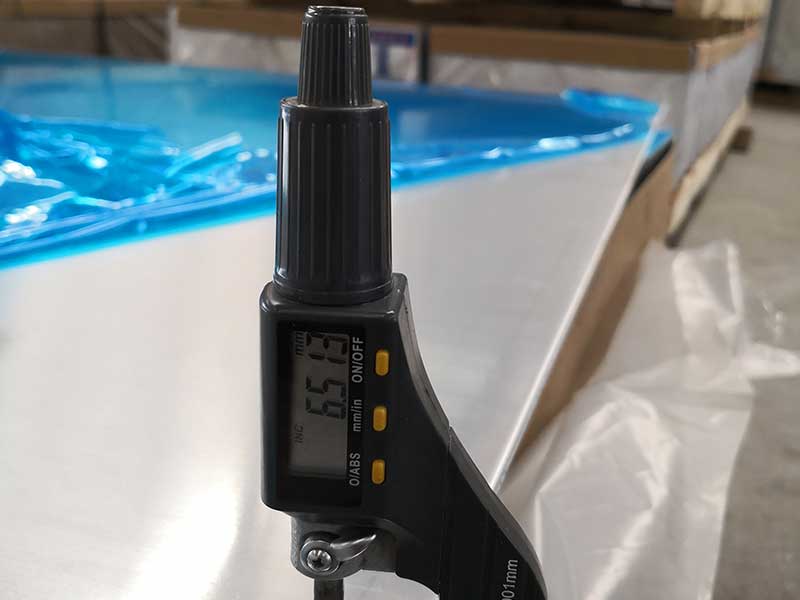
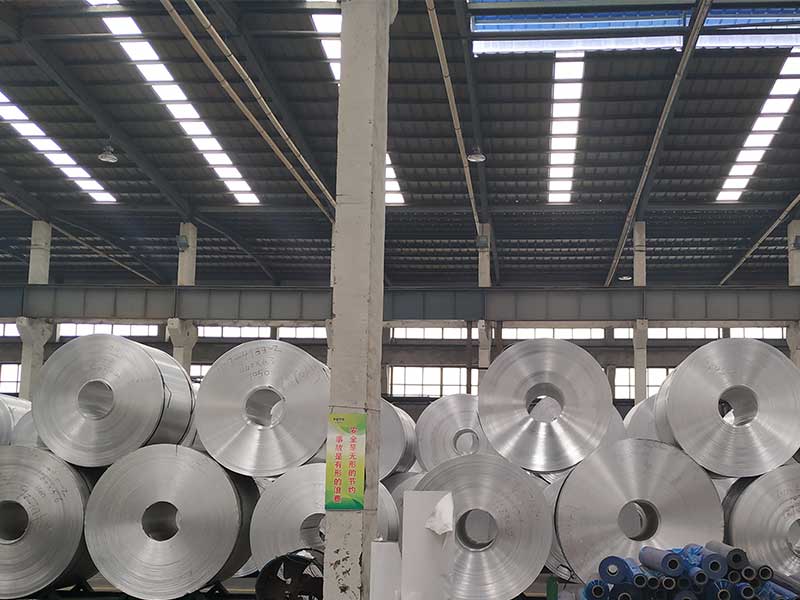
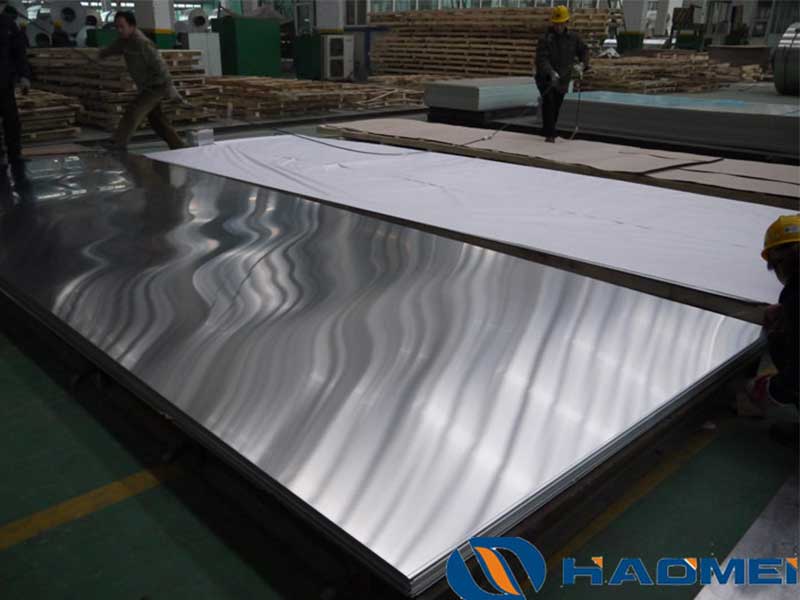
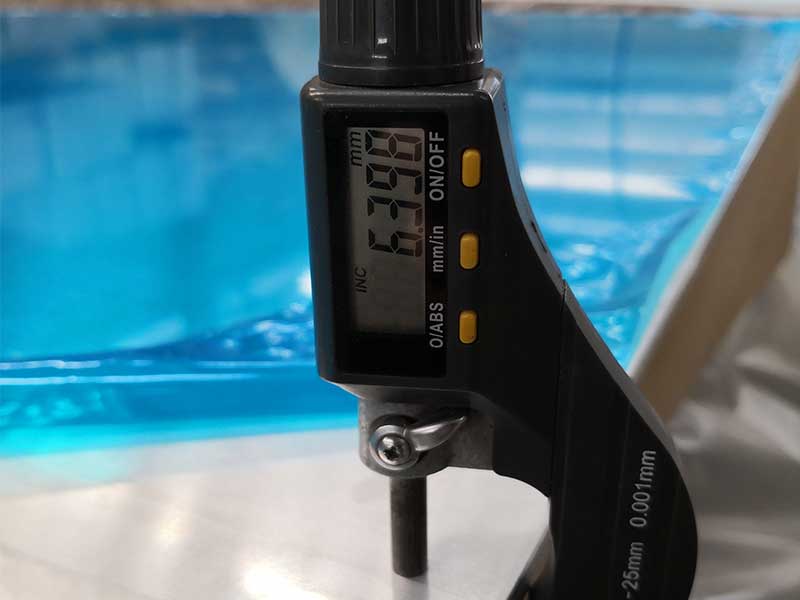
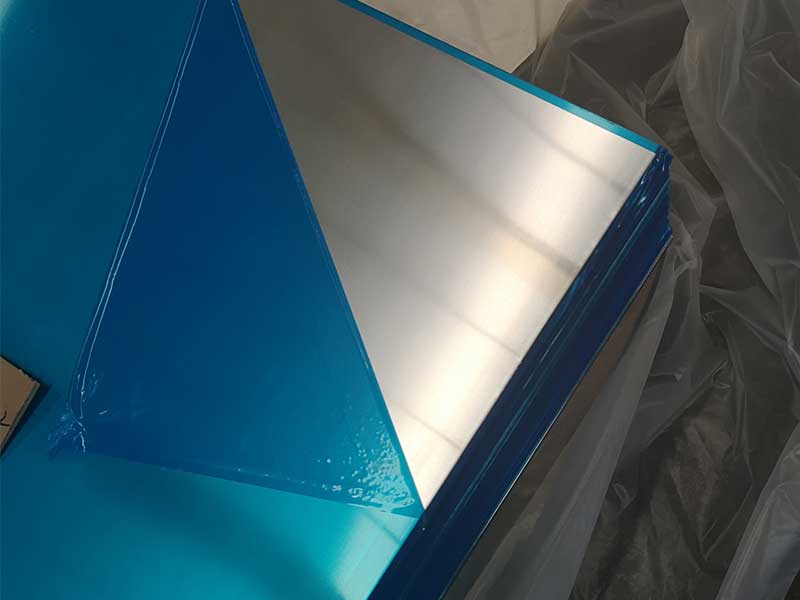
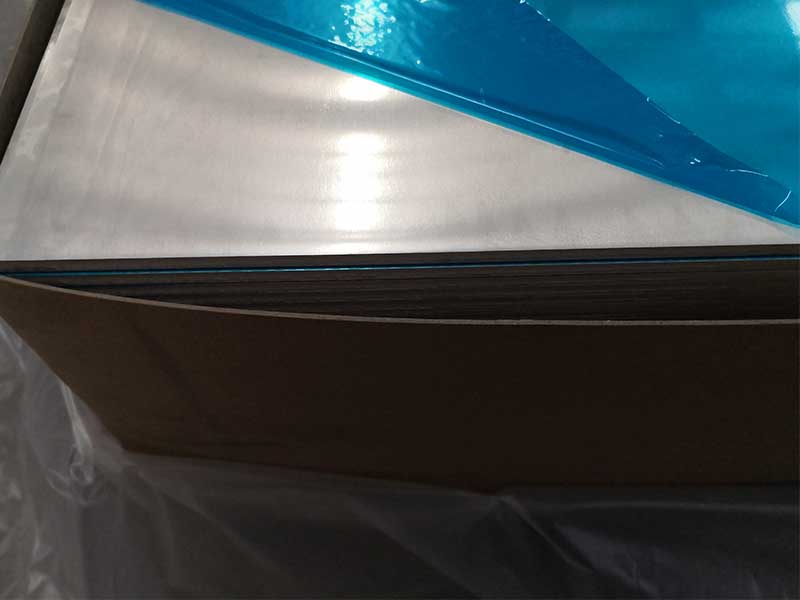
3003 3004 3105 2mm 8mm aluminum sheet
01/14 2026
The 3003, 3004, and 3105 aluminum sheet series are well-known non-heat-treatable alloys built on the Al-Mn (aluminum–manganese) system. In thicknesses like 2 mm and 8 mm, these sheets offer an excellent balance of strength, corrosion resistance, workability, and cost, making them ideal for construction, packaging, household products, and industrial components.
| Item | 3003 Aluminum Sheet | 3004 Aluminum Sheet | 3105 Aluminum Sheet |
|---|
| Alloy Type | Al–Mn (non-heat-treatable) | Al–Mn–Mg (non-heat-treatable) | Al–Mn–Mg (non-heat-treatable) |
| Strength Level | Low to medium | Medium (higher than 3003) | Medium (similar or slightly above 3003) |
| Main Features | Good formability, good corrosion resistance | Higher strength, good deep-drawing | Excellent corrosion resistance, good weldability |
| Typical Tempers | O, H14, H16, H24, H26 | H14, H16, H24, H26 | H14, H16, H24, H26 |
| Common Thicknesses | 0.2–10 mm | 0.2–8 mm | 0.2–8 mm |
| Highlight Thicknesses | 2 mm sheet, medium gauge | 2 mm sheet for formed parts | 2 mm & 8 mm for structural panels |
Chemical Composition
Values below are typical ranges according to common standards (e.g., ASTM/EN). Exact composition may slightly vary by melt and supplier.
Chemical Composition (%) – 3003
| Element | Content (%) |
|---|
| Al | Balance |
| Mn | 1.0 – 1.5 |
| Cu | 0.05 – 0.20 |
| Si | ≤ 0.60 |
| Fe | ≤ 0.70 |
| Zn | ≤ 0.10 |
| Mg | – |
| Others | ≤ 0.15 total |
Chemical Composition (%) – 3004
| Element | Content (%) |
|---|
| Al | Balance |
| Mn | 1.0 – 1.5 |
| Mg | 0.8 – 1.3 |
| Cu | ≤ 0.25 |
| Si | ≤ 0.30 |
| Fe | ≤ 0.70 |
| Zn | ≤ 0.25 |
| Others | ≤ 0.15 total |
Chemical Composition (%) – 3105
| Element | Content (%) |
|---|
| Al | Balance |
| Mn | 0.3 – 0.8 |
| Mg | 0.20 – 0.80 |
| Cu | 0.20 – 0.40 |
| Si | ≤ 0.60 |
| Fe | ≤ 0.70 |
| Zn | 0.25 – 0.80 |
| Others | ≤ 0.15 total |
Mechanical & Physical Properties
The following data are typical values for commonly used H14 / H24 tempers, for reference only.
Mechanical Properties (Representative Values)
| Alloy | Temper | Tensile Strength (MPa) | Yield Strength (MPa) | Elongation (%) | Typical Use Level |
|---|
| 3003 | H14 | 130 – 180 | 60 – 140 | 5 – 12 | General forming, panels |
| 3004 | H14 | 180 – 250 | 120 – 200 | 4 – 10 | Higher-strength parts |
| 3105 | H24 | 150 – 230 | 100 – 190 | 5 – 12 | Painted sheets, facades |
Physical Properties (All Series – Approximate)
| Property | Typical Value |
|---|
| Density | ~2.73 g/cm³ |
| Melting Range | 630 – 655 °C |
| Thermal Conductivity | 150 – 190 W/m·K |
| Electrical Conductivity | ~45–50 % IACS |
| Coefficient of Expansion | ~23–24 × 10⁻⁶ /K |
Thickness Focus: 2 mm & 8 mm Aluminum Sheet
The same alloys behave differently at 2 mm and 8 mm thicknesses, which leads to different best-fit applications.
Comparison by Thickness
| Parameter | 2 mm Sheet | 8 mm Sheet |
|---|
| Rigidity | Medium rigidity, easy to bend | High rigidity, semi-structural |
| Forming Behavior | Excellent bendability and stamping | Limited deep bending, mainly shaping cuts |
| Weight (per m², approx.) | ~5.5 kg/m² | ~22 kg/m² |
| Recommended Use | Enclosures, panels, decorative parts | Base plates, support parts, heavy panels |
| Handling | Easier manual handling | Requires more robust handling equipment |
Features of 3003, 3004, 3105 Aluminum Sheet
| Feature | 3003 | 3004 | 3105 |
|---|
| Corrosion Resistance | Very good | Very good | Excellent, especially for outdoor use |
| Formability | Excellent for deep drawing | Good to excellent, stronger material | Good, suitable for roll forming and bending |
| Weldability | Good with TIG/MIG, spot welding | Good | Very good, widely used for welded products |
| Surface Treatment | Suitable for anodizing/painting | Good for painting, internal coatings | Excellent for color-coated and PVDF paints |
| Strength vs. Cost | Economical, moderate strength | Higher strength, slightly higher cost | Balanced strength and cost for building use |
Surface Finishes and Processing Options
These alloys support a wide combination of surface states and processing steps, making them adaptable for different industries.
Typical Surface & Delivery Conditions
| Option | Description | Typical Use |
|---|
| Mill finish | As-rolled surface, light rolling marks | General fabrication, hidden components |
| Brushed / polished | Mechanically finished for decorative appearance | Interior panels, appliance fronts |
| Embossed (stucco, diamond) | Patterned surface to improve stiffness & aesthetics | Roofing, insulation jacketing, anti-slip |
| Painted / color-coated | Coil-coated with polyester or PVDF systems | Building facades, roofing, signage |
| Anodized | Thin oxide layer with improved corrosion & appearance | Decorative items, architectural trim |
Processability
| Process | Suitability (3003/3004/3105) | Notes |
|---|
| Bending & folding | Very good | 2 mm thickness ideal; 8 mm requires larger bend radius |
| Deep drawing | Excellent for 3003, good for 3004 | Common in cookware, containers, lamp housings |
| Welding (TIG/MIG) | Good–very good | Proper filler selection improves joint strength and color |
| Riveting / mechanical joining | Very good | Lighter than steel fastened structures |
| Cutting (shear, laser, saw) | Very good | Smooth edges at 2 mm, controlled heat for thicker gauges |
Major Applications
Construction & Architecture
| Application Area | Recommended Alloy / Thickness | Advantages |
|---|
| Wall cladding & facade panels | 3105, 3003 – 2 mm, 3 mm | Good flatness, paint adhesion, weather resistance |
| Roofing & gutter systems | 3003, 3105 – 0.7–2 mm | Corrosion resistance, low weight, easy installation |
| Ceiling and interior decorative panels | 3003 – 1–2 mm | Easy forming, good surface treatments |
| Door skins, window trims | 3003, 3105 – 1–2 mm | Smooth appearance, stable under temperature changes |
| Base plates / mounting plates | 3004, 3105 – 6–8 mm | Higher stiffness and load-bearing capability |
Packaging, Cans, and Containers
| Product Type | Typical Alloy & Gauge | Why These Alloys? |
|---|
| Beverage and food can bodies | 3004 – thin gauge | Good strength-to-thickness ratio, deep-drawable |
| Food containers & trays | 3003, 3004 – thin to 2 mm | Hygienic, corrosion resistant, easy forming |
| Bottle caps & closures | 3105, 3004 – 0.2–0.3 mm | Formable and printable |
Household & Consumer Products
| Item | Typical Alloy / Thickness | Benefits |
|---|
| Cookware, pots, pans | 3003 – 1.5–3 mm | Good thermal conductivity, easy shaping |
| Kitchen appliances panels | 3003, 3105 – 0.8–2 mm | Attractive finish, paintable, corrosion resistant |
| Lampshades, lighting housings | 3003 – 0.6–1.5 mm | Good reflectivity when polished or anodized |
| Furniture components, trim | 3105 – 1–2 mm | Durable with high-quality painted finish |
Industrial and Transportation
| Application | Alloy / Thickness (2 mm & 8 mm) | Role of Alloy |
|---|
| Equipment covers & enclosures | 3003, 3105 – 1.5–3 mm | Protects internal components, easy fabrication |
| Trailer and vehicle inner panels | 3003, 3105 – 1–2 mm | Reduces weight while maintaining rigidity |
| Brackets, non-critical structures | 3004, 3105 – up to 8 mm | Added strength with simple machining |
| HVAC casings and duct panels | 3003 – 0.8–2 mm | Lightweight, corrosion-resistant in moist air |
Why Choose 3003 / 3004 / 3105 in 2–8 mm Range?
| Advantage Category | Explanation |
|---|
| Cost Efficiency | More economical than many 5xxx or 6xxx series for non-critical loads |
| Versatility | Suitable for bending, drawing, coating, and welding in one material family |
| Corrosion Resistance | Ideal for outdoor, humid, and mildly corrosive environments |
| Lightweight | Approximately one-third the weight of steel at comparable volume |
| Appearance | Smooth surface with good gloss and color uniformity after coating |
Quick Selection Guide
| Requirement Scenario | Recommended Choice |
|---|
| Need best formability for deep drawing | 3003 at 2 mm or thinner |
| Need higher strength in same thickness | 3004 at 2 mm; consider temper H14/H24 |
| Need painted exterior building panels | 3105 at 2–3 mm with coil coating |
| Need heavy-duty base plate or support | 3105 or 3004 at 6–8 mm |
| Need cost-effective, general-purpose sheet | 3003 for most indoor and light outdoor uses |
In 2 mm and 8 mm thicknesses, 3003, 3004, and 3105 aluminum sheet provide a balanced solution for strength, corrosion resistance, and processability. Whether the application is a facade panel, equipment enclosure, cookware body, or structural base plate, this alloy family offers an efficient and reliable material option that fabricators can cut, bend, coat, and weld with confidence.
3003
3004
3105
https://www.al-alloy.com/a/3003-3004-3105-2mm-8mm-aluminum-sheet.html