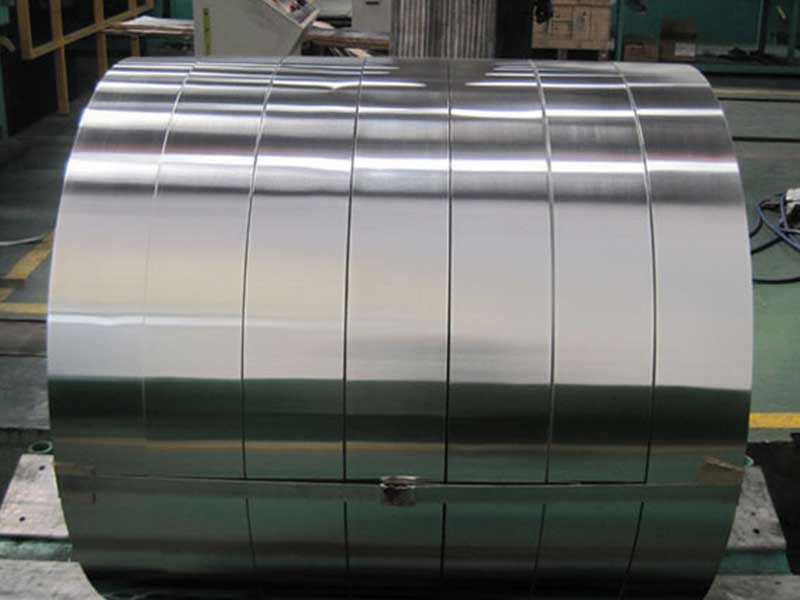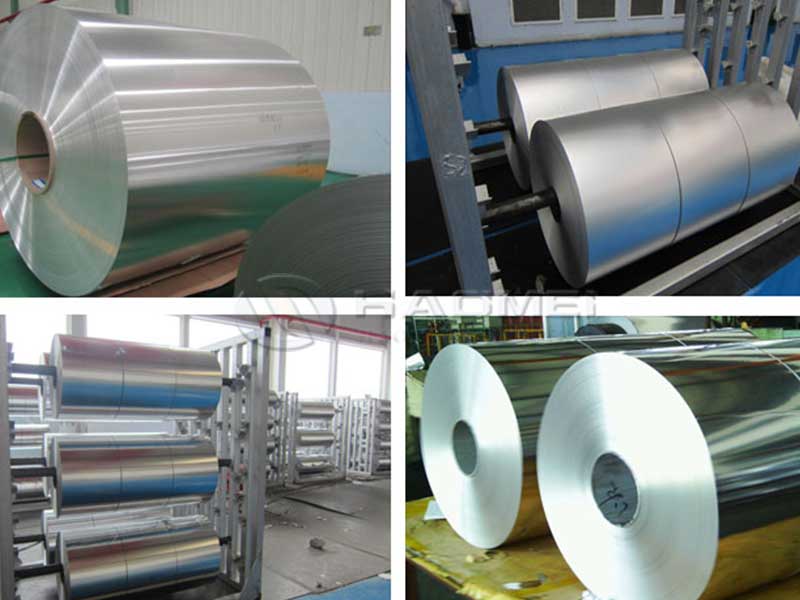

Aluminum foil shading net
When people hear aluminum foil shading net, they often imagine a simple reflective cover used to block sunlight. In practice, it does much more. From greenhouses and nurseries to logistics yards, livestock buildings, and temporary outdoor structures, this material works less like an ordinary shade cloth and more like a microclimate control layer. Its value is not only in reducing solar radiation, but in balancing heat, light, moisture, and durability in demanding environments.
What makes this product unique is its reflective behavior. Traditional black shade nets mainly absorb sunlight and reduce light intensity. Aluminum foil shading net, by contrast, reflects a large portion of radiant energy before that heat builds up below the cover. This distinction matters in places where temperature spikes damage crops, packaging, equipment, or even animal comfort. In this sense, aluminum foil shading net is not simply "shade"; it is an active thermal management surface.
A Distinctive View: Reflection Instead of Resistance
The most useful way to understand aluminum foil shading net is to see it as a radiation manager. Sunlight carries visible light and infrared heat. Many conventional covers resist light by darkening the area beneath them, but they also become hot themselves. Aluminum foil surfaces behave differently because the metallic layer has strong reflectivity, especially toward infrared radiation. This helps reduce the heat load above plant canopies, warehouse roofs, parking areas, and outdoor processing zones.
For agricultural users, this can improve leaf temperature control and reduce heat stress during peak summer conditions. For industrial and commercial users, it can lower interior heat accumulation and help protect temperature-sensitive goods. In livestock applications, it contributes to a cooler overhead zone, reducing thermal strain during hot weather. The result is often a more stable environment rather than simply a darker one.
Main Functions of Aluminum Foil Shading Net
Its first function is solar reflection and heat reduction. The metallic foil layer reflects part of the incoming radiation, reducing heat transfer into the protected area.
Its second function is light moderation. Depending on mesh design, foil width, and weaving density, the net can provide different shading rates while still allowing airflow.
Its third function is energy saving. In greenhouses, semi-open structures, and storage areas, less accumulated heat can reduce cooling demand.
Its fourth function is weather buffering. It can help protect against intense sunlight, mild wind exposure, and in some designs, slight hail or dust impact.
Its fifth function is crop and material protection. Fruits, seedlings, flowers, plastic products, and packaged goods all benefit from reduced direct radiation.
A less discussed but important function is visual brightness optimization. Since reflective surfaces scatter light differently from black fabrics, the covered space may feel less oppressively dark. This can be useful in nurseries, workspaces, and animal housing.
Common Applications Across Industries
In greenhouses, aluminum foil shading net is widely used as an external or internal shading screen. External installation is especially effective because it intercepts solar radiation before it reaches the greenhouse cover. This helps reduce internal temperature more efficiently than internal shading alone.
In nurseries and horticulture, it is used above seedlings, potted plants, flowers, and shade-sensitive crops. The goal is not total sun blockage, but a more controlled light and temperature profile.
In fruit cultivation, such as grape, berry, and specialty orchard systems, it can help reduce sunburn on fruit skins and improve field working conditions.
In livestock houses, the net can be installed over roofs, side openings, or rest areas to reduce radiant heat load.
In construction and logistics, it is used for temporary roofing, outdoor material storage, container yards, and loading areas where reflective shading helps protect workers and inventory.
It is also suitable for parking lots, patios, camp areas, and temporary event spaces where lightweight thermal shade is needed.
Typical Product Structure and Parameters
Aluminum foil shading net is commonly produced by laminating or weaving aluminum foil strips with HDPE, PE, or PP yarns. Some designs use metallized films instead of thick foil, depending on performance targets and cost considerations.
Typical parameters include:
| Item | Typical Range |
|---|---|
| Material structure | Aluminum foil + HDPE/PE/PP woven base |
| Shade rate | 50%–95% |
| Width | 1 m–6 m |
| Length | 25 m, 50 m, 100 m, custom |
| GSM | 60–250 g/m² |
| Reflectivity | 55%–85% |
| UV resistance | 300–1500 KLY or customized |
| Service life | 1–5 years depending on climate and construction |
| Temperature tolerance | Approx. -30°C to 80°C in normal use |
| Color appearance | Silver, silver-black, silver-green, silver-white |
The actual performance depends on foil thickness, mesh density, yarn strength, lamination quality, and UV stabilizer formulation. In agriculture, customers usually choose products by balancing shade percentage with crop light demand. In industrial sites, tensile strength and weather resistance may be prioritized over precise light transmission.
Alloy, Temper, and Foil Conditions
Because the product includes an aluminum component, buyers often ask about alloy and temper. For shading net applications, the foil or strip is typically based on 1xxx or 8xxx series aluminum, selected for formability, corrosion resistance, and economical processing.
Common alloy and temper conditions include:
| Aluminum Alloy | Typical Temper | Features |
|---|---|---|
| 1050 | O, H14, H18 | High purity, excellent reflectivity, good corrosion resistance |
| 1060 | O, H18 | Very good thermal reflectivity, easy processing |
| 1100 | O, H14 | Good ductility, common industrial foil choice |
| 8011 | O, H14, H18 | Widely used for foil products, balanced strength and processability |
In many shading net products, the foil is thin and flexible, so O temper or light work-hardened tempers such as H14 are common. The exact condition depends on whether the foil is slit, laminated, woven, or bonded into a composite structure. For highly flexible nets, excessive hardness is usually avoided because repeated folding can lead to cracking.
Chemical Properties of Typical Aluminum Alloys
Below is a reference table for common aluminum alloys used in foil-related products.
| Alloy | Si % | Fe % | Cu % | Mn % | Mg % | Zn % | Ti % | Al % |
|---|---|---|---|---|---|---|---|---|
| 1050 | ≤0.25 | ≤0.40 | ≤0.05 | ≤0.05 | ≤0.05 | ≤0.05 | ≤0.03 | ≥99.50 |
| 1060 | ≤0.25 | ≤0.35 | ≤0.05 | ≤0.03 | ≤0.03 | ≤0.05 | ≤0.03 | ≥99.60 |
| 1100 | Si+Fe ≤0.95 | - | 0.05–0.20 | ≤0.05 | - | ≤0.10 | - | ≥99.00 |
| 8011 | 0.50–0.90 | 0.60–1.00 | ≤0.10 | ≤0.20 | ≤0.05 | ≤0.10 | ≤0.08 | Balance |
These values may vary slightly according to production standard and supply specification.
Implementation Standards and Technical References
Although aluminum foil shading net is usually a composite product rather than plain aluminum foil alone, its aluminum material and finished net can be manufactured with reference to several common standards. Aluminum foil base material may follow ASTM B479, EN 546, or GB/T 3198 depending on the market. Mechanical and chemical composition of aluminum alloys may be referenced to ASTM B209, EN 573, or equivalent Chinese and international standards.
For the polymer and UV-stabilized woven structure, manufacturers may also refer to agricultural netting and plastic product test methods covering tensile strength, tear resistance, UV aging, shading ratio, and weather durability. In practical procurement, buyers should confirm not only the alloy standard, but also UV warranty, lamination adhesion, mesh uniformity, and edge reinforcement.
The best aluminum foil shading net is not necessarily the one with the highest shade rate. For crops, too much shading can suppress growth. For storage yards, too little reflectivity may fail to control heat effectively. A better purchasing approach is to ask what kind of microclimate needs to be created: cooler, brighter, drier, less glaring, or more ventilated.
If the application is greenhouse cooling, reflective efficiency and UV life are key. If the application is outdoor storage, tear strength and fastening reliability matter more. If the net will be opened and closed often, foil flexibility and composite bonding become especially important.
Final Thought
Aluminum foil shading net stands out because it changes the usual logic of shade. Instead of merely blocking sunlight, it manages solar energy through reflection, helping users create a cooler and more stable environment. That is why it has become valuable across agriculture, construction, logistics, and outdoor infrastructure. For customers who want a lightweight covering with real thermal performance, this product offers a practical blend of aluminum science, polymer engineering, and field-ready design.