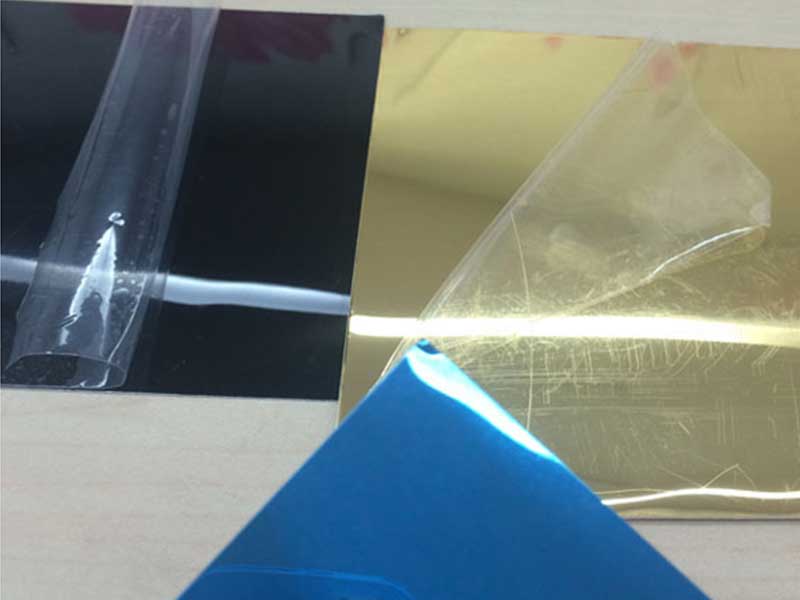

1050 1070 1060 mirror polished aluminum coil
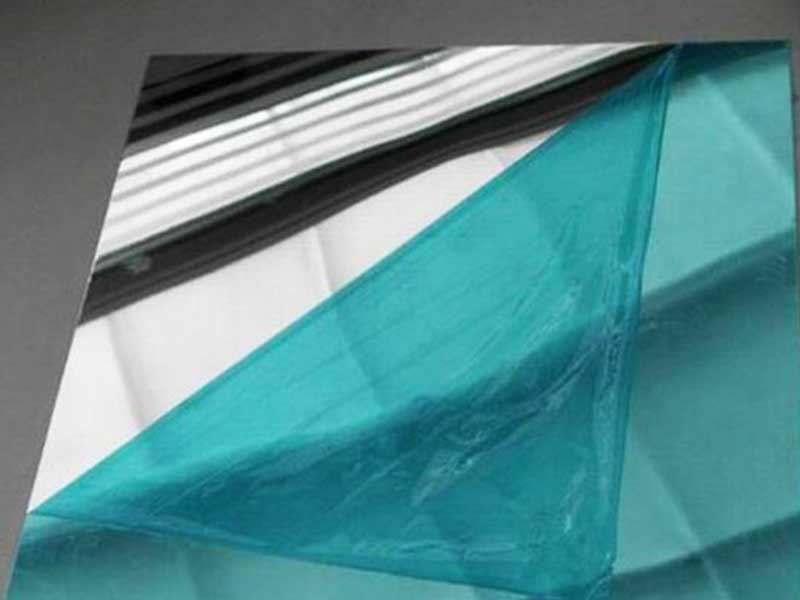
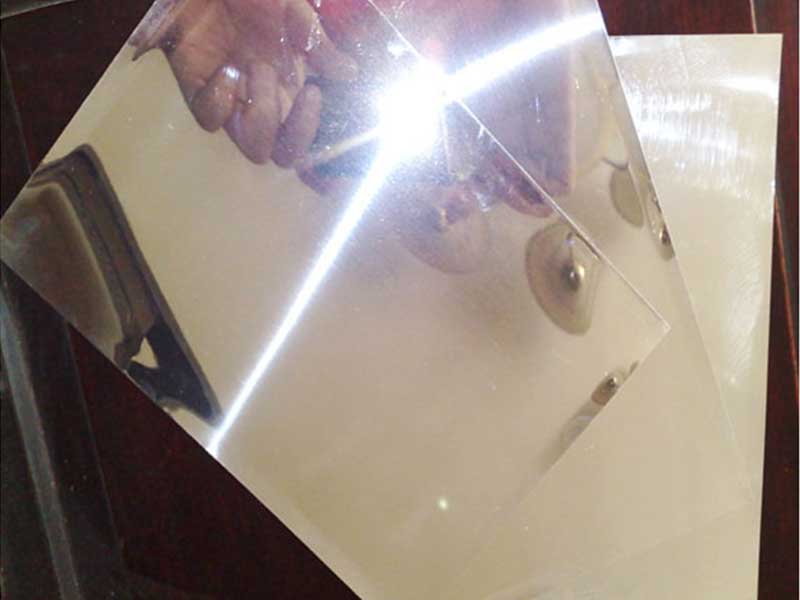
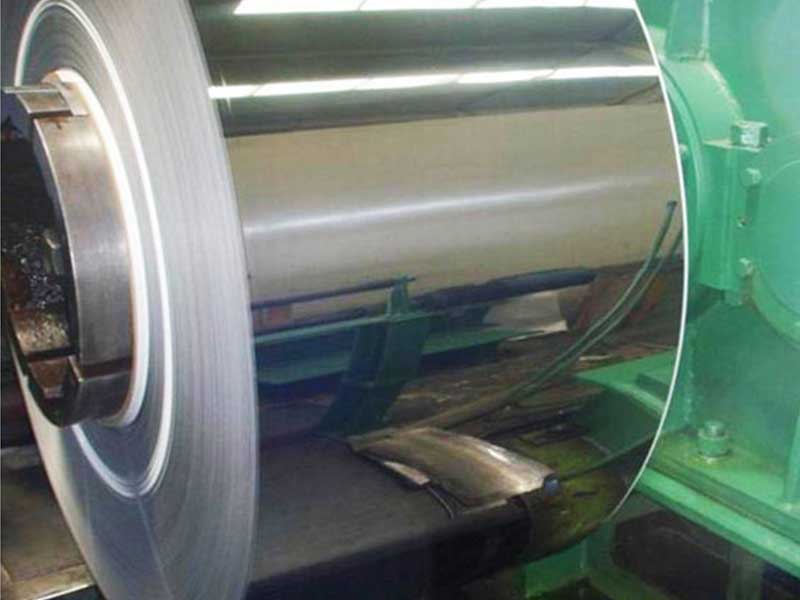
Mirror polished aluminum coil in 1050 / 1060 / 1070 grades is a premium, high-reflectivity rolled product designed for applications where surface appearance, light reflection, and corrosion resistance matter as much as formability and consistency. Produced from commercially pure aluminum (≥99.5–99.7% Al depending on grade), these coils combine excellent anodizing response, stable polishing quality, and easy fabrication for decorative and functional components.
Unlike standard mill-finish coils, mirror polished coils are engineered around surface discipline: controlled rolling cleanliness, optimized annealing, precision polishing, and protective packaging to preserve the reflective finish through downstream processing.
A mirror polished coil is aluminum strip supplied in coil form with a surface processed to achieve high gloss and high specular reflectance. Depending on polishing method and customer requirement, the surface can range from "bright" to "true mirror" with tight control of:
- Surface roughness (Ra)
- Gloss (GU)
- Reflectivity
- Defect limits (pits, roll marks, scratches, chatter)
These grades-1050, 1060, 1070-are preferred because high-purity aluminum provides:
- A uniform, bright appearance
- Excellent electrochemical stability (helpful in anodizing)
- Superior cold workability for deep drawing and bending
2) Features & Benefits (Customer-Facing Value)
High reflectivity and premium aesthetics
- Ideal for decorative trim, lighting reflectors, display panels, and consumer products
- Mirror finish creates a clean, modern look while remaining lightweight
Excellent formability
- Pure aluminum alloys exhibit low yield strength, enabling tight radii, rolling, stamping, and drawing
- Suitable for complex shapes with reduced cracking risk (with correct temper selection)
Corrosion resistance and durability
- Naturally forming oxide layer provides strong corrosion resistance
- Compatible with anodizing, clear coating, and lamination for extended service life
Process stability for mass production
- Coil supply supports high-throughput blanking and forming lines
- Consistent polish + flatness helps reduce scrap rates in appearance-critical parts
3) Alloy Selection: 1050 vs 1060 vs 1070 (How to Choose)
| Alloy | Typical Al Purity | Advantage | Typical Recommendation |
|---|---|---|---|
| 1050 | ≥99.5% | Cost-effective, excellent forming | General decorative mirror, signage, trim |
| 1060 | ≥99.6% | Better conductivity & polish uniformity | Lighting, electronics housings, premium trim |
| 1070 | ≥99.7% | Highest purity, best reflectivity potential | High-end reflectors, optical-like surfaces |
Rule of thumb: if the application is extremely appearance-sensitive or requires maximum reflectivity, 1070 is often preferred; for balanced performance and cost, 1060 is the "sweet spot"; for broad decorative use, 1050 is highly economical.
4) Chemical Composition (Typical, wt.%)
Note: Limits can vary slightly by standard (EN/ASTM/GB). Confirm final chemistry on the Mill Test Certificate (MTC).
| Alloy | Al (min) | Si (max) | Fe (max) | Cu (max) | Mn (max) | Mg (max) | Zn (max) | Ti (max) |
|---|---|---|---|---|---|---|---|---|
| 1050 | 99.50 | 0.25 | 0.40 | 0.05 | 0.05 | 0.05 | 0.05 | 0.03 |
| 1060 | 99.60 | 0.25 | 0.35 | 0.05 | 0.03 | 0.03 | 0.05 | 0.03 |
| 1070 | 99.70 | 0.20 | 0.25 | 0.04 | 0.03 | 0.03 | 0.04 | 0.03 |
Practical impact: lower Fe/Si generally improves brightness, anodizing consistency, and can reduce visual "pepper spots" after finishing.
5) Typical Tempers & Mechanical Properties
Mirror polished coil is commonly supplied in O (annealed) for maximum formability, or H14 / H16 / H18 for higher stiffness and dent resistance.
| Temper | Condition | Typical Tensile Strength (MPa) | Typical Yield Strength (MPa) | Typical Elongation A50 (%) | Use Notes |
|---|---|---|---|---|---|
| O | Fully annealed | 60–90 | 20–35 | 25–40 | Best for deep drawing / complex forming |
| H14 | Half-hard | 85–115 | 65–95 | 6–15 | Balanced stiffness & formability |
| H16 | 3/4 hard | 100–130 | 80–110 | 4–10 | Better dent resistance, tighter flatness demand |
| H18 | Full-hard | 115–150 | 95–130 | 2–6 | For flat parts; forming is limited |
Values depend on thickness, processing route, and standard. For cosmetic parts, selecting temper is often a trade-off between formability and surface dent resistance.
6) Technical Specifications (Common Supply Range)
| Parameter | Typical Range / Options | Notes |
|---|---|---|
| Thickness | 0.20–3.00 mm | Decorative: often 0.3–1.5 mm |
| Width | 20–1600 mm | Slit coils available |
| Coil ID | 150 / 300 / 505 mm | To match customer decoilers |
| Coil OD | Up to ~1800 mm (equipment dependent) | Defined by handling constraints |
| Surface finish | Mirror polished (single or double side) | Confirm A/B side requirement |
| Surface roughness Ra | ~0.02–0.10 μm (target-dependent) | Lower Ra → sharper reflection |
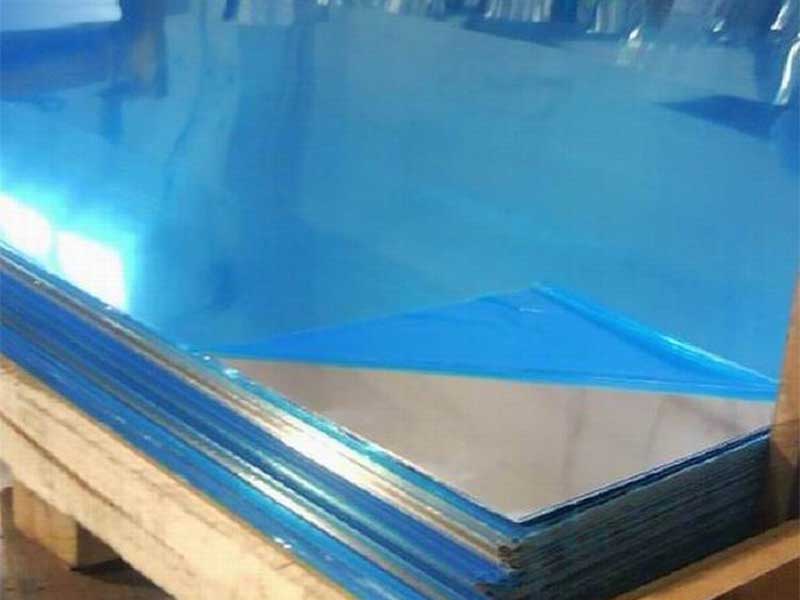
| Protective film | PE/PVC, laser film options | Prevent scratches during fabrication |
| Flatness | Commercial to tight tolerance | Critical for lamination & printing |
| Edge | Mill edge / slit edge | Slit edge for precise width assemblies |
7) Surface Performance Metrics (What Customers Actually See)
| Metric | Typical Target | Why It Matters |
|---|---|---|
| Gloss (60°) | 800–1000 GU (mirror-grade) | Visual brilliance and perceived quality |
| Specular reflectance | 85–95% (application-dependent) | Lighting efficiency, aesthetic reflection |
| Defect control | Low pit/scratch density | Reduces rework and customer complaints |
| Anodizing response | Uniform, low streaking | Premium decorative finishing |
Important: Mirror surfaces amplify defects. Downstream processes (rollers, dies, belts, dust) must be controlled as carefully as the coil manufacturing.
8) Applications & Use Cases
Lighting and reflectors
- LED luminaire reflectors, decorative lamp cups, architectural lighting panels
Benefit: improved optical efficiency and uniform light distribution.
Decorative and architectural finishing
- Ceiling trims, wall panels, elevator interiors, signage backplates
Benefit: high-end appearance at low weight; easy cleaning and corrosion resistance.
Consumer products and appliance trim
- Cosmetic panels, nameplates, beauty covers, kitchen hardware
Benefit: bright look with excellent formability for complex stamped profiles.
Packaging and specialty insulation facings
- High reflectivity insulation jacketing, decorative wraps
Benefit: reflectance + corrosion resistance; can be laminated and printed.
Electronics and heat/light management
- Reflective liners, shielding and aesthetic housings
Benefit: high conductivity (especially 1060/1070) plus premium surface.
9) Processing Guidance (To Preserve the Mirror Finish)
| Process | Recommendation | Risk if Ignored |
|---|---|---|
| Handling | Use clean gloves, non-marking pads, dedicated racks | Fingerprints, scratches, embedded debris |
| Slitting/blanking | Sharp tooling, clean rollers, controlled tension | Edge burrs, chatter marks, surface scoring |
| Forming | Larger radii, polished dies, lubrication compatibility test | Orange peel, die lines, whitening |
| Film protection | Keep film on through fabrication; remove late | Early film removal increases damage risk |
| Cleaning | Non-abrasive, neutral pH | Haze, micro-scratches, chemical staining |
| Anodizing/coating | Verify pre-treatment to avoid streaks | Uneven tone, visible lines on mirror surface |
10) Why This Product Delivers Strong ROI
- Higher perceived product value: mirror finish immediately upgrades appearance.
- Lightweight substitution: replaces stainless trim in many decorative uses at lower mass.
- Manufacturing efficiency: coil form supports automation, consistent throughput, and lower unit cost at scale.
- Finishing versatility: excellent compatibility with anodizing, coating, lamination, and printing.
https://www.al-alloy.com/a/1050-1070-1060-mirror-polished-aluminum-coil.html