
1235 0.006mm Thickness Aluminum Foil
1235 0.006mm Thickness Aluminum Foil: Ultra‑Thin Shielding at the Limits of Metal
In the world of aluminum foil, 0.006 mm is not just “thin.” It is the threshold where metal behaves almost like a functional coating: nearly weightless, extremely conformable, yet still retaining the electrical and barrier integrity of solid aluminum. When this ultra‑thin gauge is combined with the 1235 alloy, a near‑pure aluminum grade, the result is a material that quietly underpins modern packaging, electronics, and insulation technologies.
Most descriptions of 1235 foil focus on “high purity” and “good ductility.” That is accurate, but incomplete. To really understand what 1235 0.006 mm foil can do, it helps to view it as a deliberately engineered compromise between physics and manufacturability: as thin as we can reliably roll metal while preserving continuity, shielding and predictable performance across massive production volumes.
1235 Alloy at Ultra‑Thin Gauges
From a metallurgical standpoint, 1235 sits at the “soft” end of the alloy spectrum. Its intentionally low additions of Fe and Si help maintain a simple, largely single‑phase aluminum matrix that can endure enormous plastic deformation without catastrophic fracture. This is why it is favored for light‑gauge foil over stronger, more complex alloys: purity here is not a luxury, but a prerequisite for achieving 0.006 mm thickness with continuous, pinhole‑controlled quality.
A typical chemical composition range for 1235 alloy is:
| Element | Typical Range (wt%) |
|---|---|
| Aluminum (Al) | ≥ 99.35 |
| Silicon (Si) | ≤ 0.10 |
| Iron (Fe) | 0.20 – 0.40 |
| Copper (Cu) | ≤ 0.05 |
| Manganese (Mn) | ≤ 0.05 |
| Magnesium (Mg) | ≤ 0.05 |
| Zinc (Zn) | ≤ 0.10 |
| Others (each) | ≤ 0.03 |
| Others (total) | ≤ 0.10 |
These apparently modest impurity limits are in fact performance controls. Iron and silicon levels affect foil “pinholing,” strength, and rolling behavior; too low and the foil may tear more easily during processing, too high and brittle intermetallics jeopardize continuity at this near‑film thickness.
Temper, Microstructure and Functional Performance
At 0.006 mm, temper selection is about more than just hardness. It fundamentally determines how the foil behaves in the user’s process: how it runs on a high‑speed packaging line, how it bonds to polymers, how it folds into corners without breaking.
Common tempers for 1235 0.006 mm foil include:
- O (fully annealed, “soft”): maximizes elongation, formability and foldability, widely used for flexible packaging and lamination.
- H18 (full hard, maximum work‑hardened): higher tensile strength and stiffness, used where improved web handling and resistance to tearing during converting is needed.
- Intermediate tempers (H14, H24, etc.) are occasionally specified when a precise balance of stiffness and formability is required.
Typical mechanical properties for 1235 at light‑gauge, representative values:
| Property | 1235‑O | 1235‑H18 |
|---|---|---|
| Tensile strength (MPa) | ~60–90 | ~90–120 |
| Yield strength (MPa) | ~20–40 | ~80–110 |
| Elongation (%) | ~10–20 | ~2–5 |
| Density (g/cm³) | ~2.70 | ~2.70 |
The annealed temper at this gauge behaves almost like a metalized fabric: extraordinarily flexible, able to fold on very small radii without visible cracking. The harder temper, by contrast, is chosen when the processing environment is more demanding than the final application—think high‑speed packaging lines that subject the foil web to high tension, cyclic loads, and sharp changes in direction.
Why 0.006 mm Thickness Matters
A move from 0.007 to 0.006 mm sounds trivial, but in continuous foil production, that 14% thickness reduction translates directly into:
- Material savings and lower packaging weight
- Higher square‑meter yield per ton of aluminum
- Lower environmental footprint per unit of barrier surface
Yet the engineering challenge increases dramatically. At 0.006 mm, the thickness is on the same order as the scale of surface roughness from rolling and the depth of oxide layers. Maintaining a uniform metal layer without pinholes and tears requires tight control over:
- Rolling schedule and reduction per pass
- Roll surface finish and flatness
- Lubrication and coolant composition
- Coil tension and alignment
The ultimate test of such control is in application performance: does the user see micro‑leaks, oxidation, or mechanical failure in their real‑world process?
Barrier Properties: When Pure Aluminum Becomes a Wall
Even in this ultra‑thin form, 1235 aluminum foil remains a formidable barrier material. Its purity supports a continuous, defect‑controlled metal matrix that:
- Blocks light and UV completely
- Provides near‑zero transmission to oxygen and water vapor when free from pinholes and perforations
- Offers full shielding for electrostatic and electromagnetic interference at typical consumer and industrial frequencies
In flexible packaging, 1235 0.006 mm foil is rarely used alone. It is almost always embedded as the “invisible wall” in multilayer structures: PET/AL/PE, paper/AL/PE, or similar laminates. The surrounding polymers supply sealability, abrasion resistance, and mechanical robustness, while the 1235 foil supplies barrier performance that would be unattainable with plastics alone, especially against oxygen and aroma compounds.
Here, thickness is a game of diminishing returns. Increasing foil from 0.006 to 0.009 mm does not triple barrier performance if pinholes are already controlled; instead, it mainly increases cost and weight. For many high‑volume food and pharmaceutical applications, 0.006 mm in a well‑laminated structure represents an optimal barrier‑to‑mass ratio.
Distinctive Applications: Where 0.006 mm 1235 Foil Excels
The combination of purity, ductility, and ultra‑thin gauge gives this foil some specialized roles that thicker or more alloyed materials cannot fill as efficiently.
Flexible Food and Beverage Packaging
Ultra‑thin 1235 foil is the metallic core in laminates for:
- Snack and confectionery wrappers that demand long shelf life, aroma retention, and brilliant print appearance.
- Aseptic beverage cartons, where a very thin foil layer protects against light and oxygen without over‑stiffening the carton structure.
- Coffee and tea packaging, where preservation of volatile aromatics is decisive, and the foil’s low pinhole frequency ensures oxygen ingress stays near zero.
In all these, 1235’s softness reduces the risk of crack formation during folding, heat‑sealing, or consumer handling. This translates directly into more reliable shelf‑life performance.
Pharmaceutical Blister and Strip Packs
For blisters, 1235 0.006 mm foil is often coated or laminated, then cold‑formed or used as the lidding material. Its advantages:
- Chemically inert oxide surface, compatible with standard heat‑seal lacquers and polymer layers.
- High barrier against moisture and reactive gases, critical to drug stability.
- Fine creaseability without brittle fracture, supporting complex pocket geometries and easy push‑through behavior.
Even when slightly thicker gauges are used in cold‑forming blisters, 0.006 mm 1235 foil frequently appears as lidding material where a balance of barrier, peelability, and formability is required.
Cable Wrap and EMI Shielding
In the cable industry, very thin 1235 foil is laminated to polyester or other films to produce lightweight shielding tapes. Here, the alloy’s high electrical conductivity and continuous surface allow:
- Effective EMI/RFI shielding around signal and data cables.
- Enhanced grounding pathways when combined with drain wires.
- Flexibility that supports repeated bending without metal fracture, especially in tight‑bend or portable cable designs.
The 0.006 mm thickness keeps cable diameter and stiffness low while still forming an effective circumferential shield.
Thermal and Acoustic Insulation Layers
In building and automotive applications, such thin foil layers function as reflective surfaces rather than structural components. Laminated into bubble films, foam boards, or fibrous mats, 1235 0.006 mm foil:
- Reflects radiant heat, improving insulation performance without significant mass.
- Acts as a vapor barrier, preventing moisture ingress in building envelopes.
- Contributes to acoustic damping when properly combined with porous cores.
The ultra‑thin gauge allows multi‑layer reflective structures without making the system bulky or hard to handle.
Processing Considerations: From Mill Roll to End Use
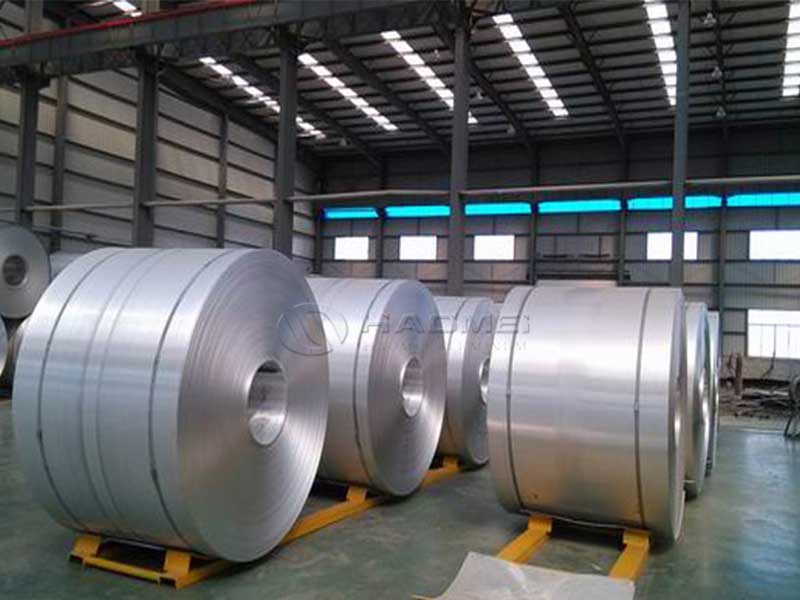
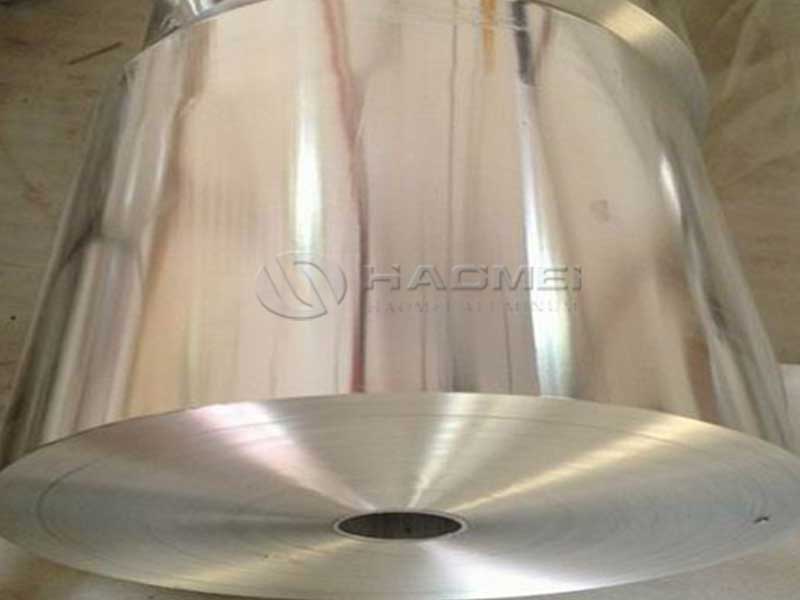
Behind every smooth roll of 0.006 mm 1235 foil is a sequence of carefully managed operations:
- Continuous casting or DC casting to achieve a clean, low‑inclusion starting ingot.
- Hot rolling and intermediate cold rolling, with annealing steps to restore ductility.
- Final cold rolling to target gauge, often in double‑rolled configuration, then separation.
- Final annealing (for O temper) to homogenize properties and remove work hardening.
Surface cleanliness is crucial. Residual rolling oils must be controlled to enable reliable adhesion during downstream lamination or coating. Surface roughness is tuned to balance good winding behavior and adequate mechanical bond with polymers, without sacrificing barrier performance.
Users integrating 0.006 mm 1235 foil into their processes pay attention to:
- Web tension: excessive tension on such a thin gauge can cause necking or breaks.
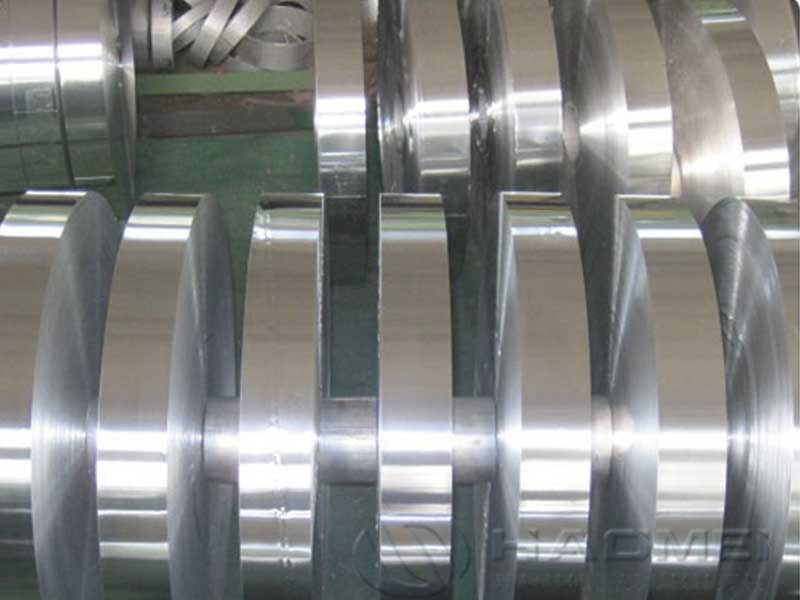
- Edge quality: trimmed, burr‑free edges minimize tear initiation.
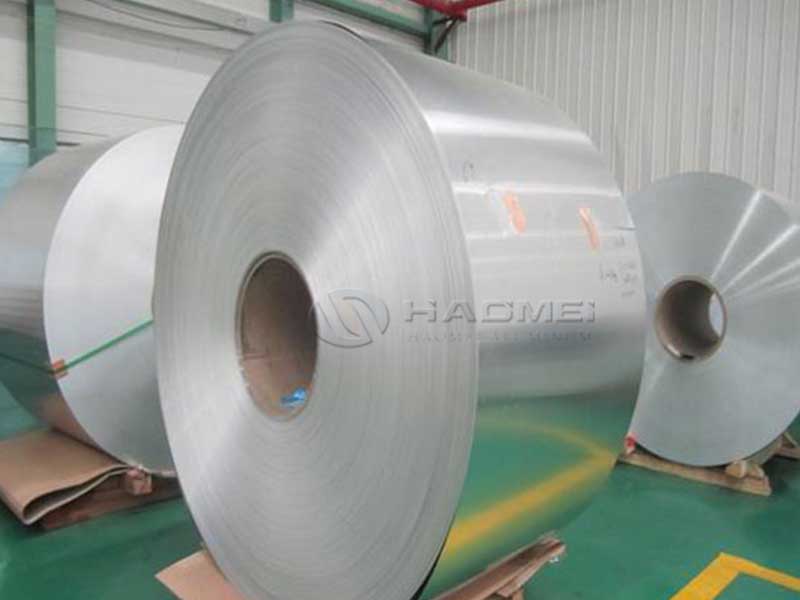
- Coil geometry: flatness and tight winding avoid telescoping and wrinkling at high speeds.
A Material at the Edge of What Metal Can Do
1235 0.006 mm thickness aluminum foil is not just a commodity; it is a manifestation of how far metallic materials can be pushed into the realm once reserved for films and coatings. Its true value emerges in systems, not as a standalone foil: as the metallic heart of packaging laminates, the reflective skin of insulative structures, and the conductive shell of shielded cables.
Seen from this perspective, its defining feature is not simply “thinness,” but engineered continuity at an almost paradoxical scale: a metal layer so slender it is barely tangible, yet so functionally complete it can exclude gases, light, and fields with remarkable reliability.
https://www.al-alloy.com/a/1235-0006mm-thickness-aluminum-foil.html