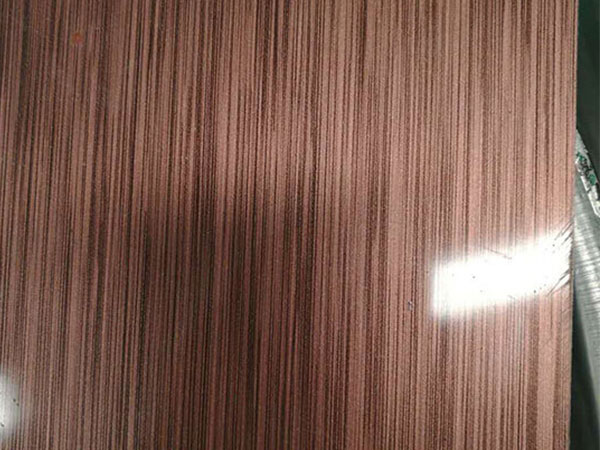

1100 3003 3004 Alloy Color Coated Aluminum Coil
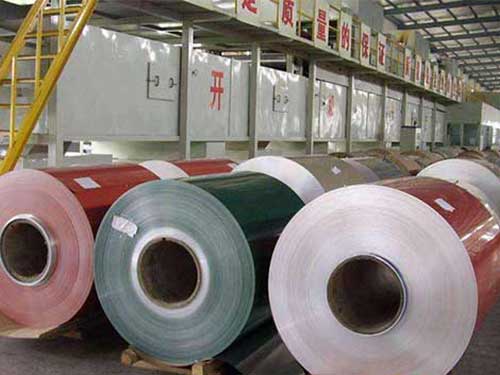
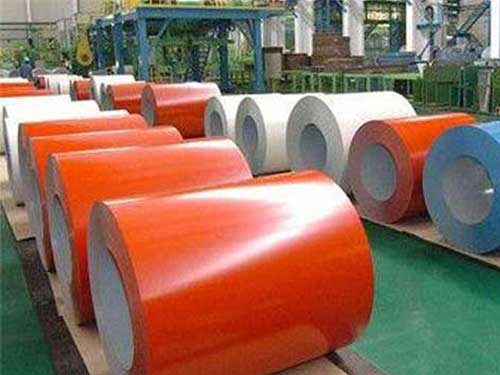
Color coated aluminum coil has emerged as a highly versatile product used in various applications, notably in construction and manufacturing. This comprehensive guide specifically focuses on the 1100, 3003, and 3004 alloys, commonly used in conjunction with color coating processes to enhance durability, aesthetics, and functionality.
1100 Alloy
The 1100 alloy is commercially pure aluminum and comprises a minimum of 99.0% aluminum content. Its excellent corrosion resistance and formability make it suitable for various industrial applications.
3003 Alloy
The 3003 alloy is part of the 3000 series and comprises around 20% more strength than 1100 alloy fat due to the addition of manganese. It is highly malleable and offers good workability under various temperatures.
3004 Alloy
The 3004 alloy includes manganese and magnesium, which enhances paint adhesion and improves strength for high-stress applications. It is engineered for superior formability and moderate corrosion resistance.
Functions and Characteristics
The primary functions of color coated aluminum coil, particularly those made from 1100, 3003, and 3004 alloys, include:
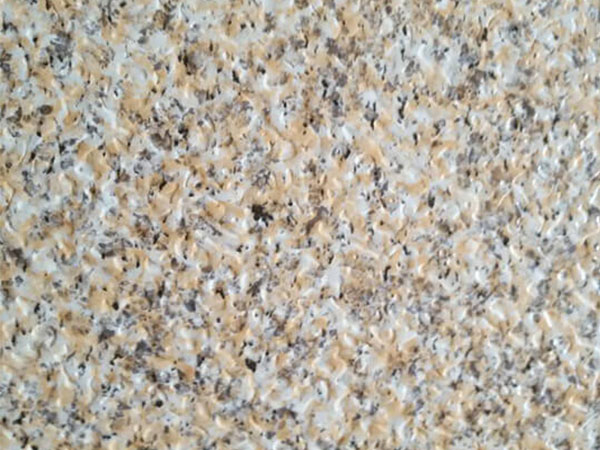
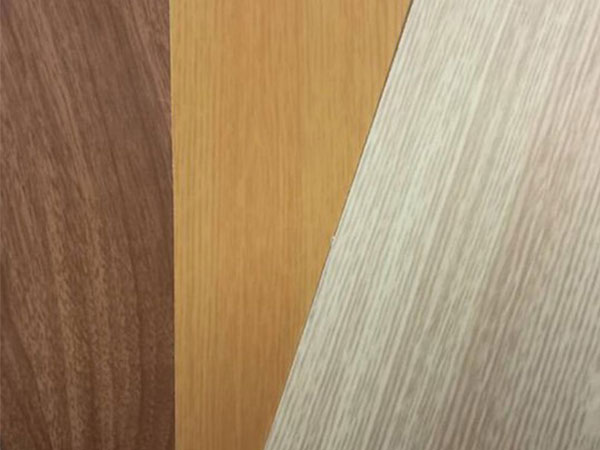
- Aesthetic Appeal: These coils can be produced in various colors and finishes, catering to different aesthetic preferences and design needs.
- Corrosion Resistance: The nature of aluminum reduces susceptibility to corrosion, especially when coated with protective layers.
- Ease of Fabrication: These alloys have excellent workability, making them suitable for multiple fabrication processes, including bending and forming.
- Weight Savings: Aluminum's lightweight properties make these coils ideal for applications where weight reduction is crucial.
Applications
The 1100, 3003, and 3004 color coated aluminum coils are prevalent in applications such as:
- Building & Construction: Curtain walls, roofing materials, gutters, and architectural elements.
- HVAC: Ductwork and cladding materials that require thermal insulation.
- Automotive: Components like interior trim and exterior elements that require both durability and appealing aesthetics.
- Cooking Equipment: Food processing and cooking appliances due to high corrosion resistance.
- Signage: Used in light boxes, banners, and general signage solutions woodworking.
Technical Specifications
| Parameter | 1100 Alloy | 3003 Alloy | 3004 Alloy |
|---|---|---|---|
| Chemical Composition | Al 99.0% min | Al 96.4% min | Al 90.7% min |
| Tensile Strength (MPa) | 70-103 | 125-165 | 200-310 |
| Yield Strength (MPa) | 39-70 | 110-140 | 150-240 |
| Elongation (%) | ≥20-40 | ≥15-25 | ≥12 |
| Hardness (HB)** | 40-65 | 40-60 | 50-100 |
| Thermal Conductivity (W/m·K) | 230 | 210 | 160 |
| Melting Point (°C) | 660 | 660-705 | 600-630 |
Alloy Tempering Conditions
These alloys may undergo specific tempering processes to enhance features:
| Temper Designation | Condition |
|---|---|
| H14 | Strain hardened to approximately 1/2 hard |
| H24 | Strain hardened and re-crystallized |
Chemical Properties
The technical chemical composition adds further value to the aluminum coils, offering unique performance under various circumstances.
| Chemical Element | 1100 Alloy (%) | 3003 Alloy (%) | 3004 Alloy (%) |
|---|---|---|---|
| Copper (Cu) | ≤0.05 | ≤0.10 | ≤0.15 |
| Iron (Fe) | ≤0.95 | ≤0.70 | ≤0.80 |
| Magnesium (Mn) | - | 1.0-1.5 | 1.0-1.5 |
| Silicon (Si) | ≤0.25 | ≤0.60 | ≤0.60 |
| Zinc (Zn) | ≤0.10 | - | ≤0.25 |
| Manganese (Mn) | - | 0.05-0.20 | 0.80-1.20 |
*Analyzing chemical properties helps in deciding the right alloy for the intended applications.
Implementation Standards
The following standards will be considered during manufacturing and processing:
- ASTM B481 for aluminum-alloy systems laid plan samples and evaluation.
- ASTM D2651 for identifying the properties of aluminum coatings.
- ISO 9001 guidelines serve as controlar quality check emissions during production.
https://www.al-alloy.com/a/1100-3003-3004-alloy-color-coated-aluminum-coil.html