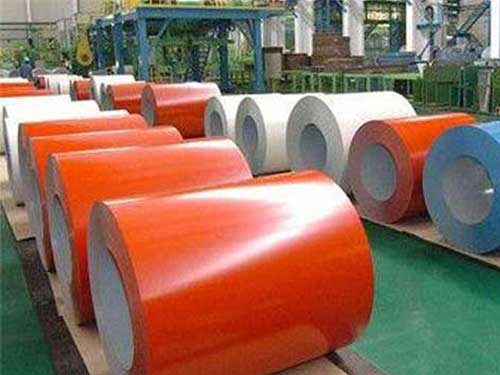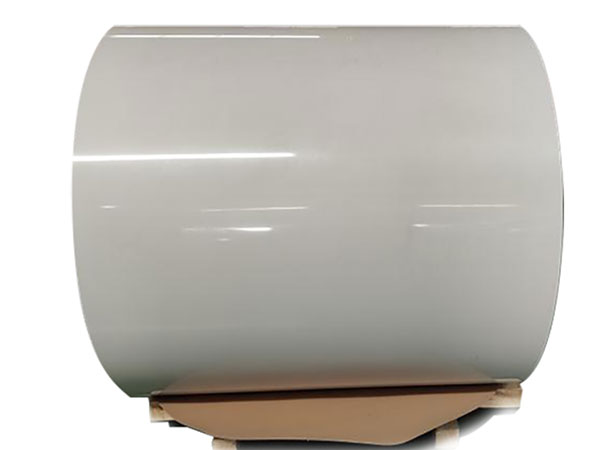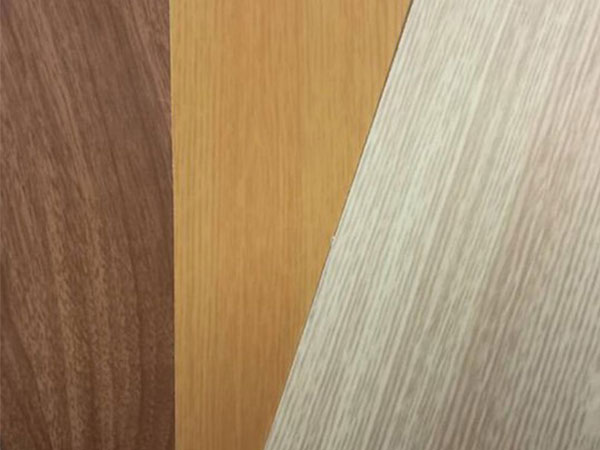

Color coated aluminium coil 1100 1070 1050
Color coated aluminium coil in the 1xxx family-especially 1100, 1070, and 1050-often gets introduced as "basic" aluminum. That label is misleading. In real projects, these alloys behave like a reliable canvas: extremely formable, corrosion-resistant, highly reflective, and electrically/thermally conductive. Once you add a high-performance coating system, the coil becomes more than a metal sheet; it becomes a finished surface engineered to survive weather, processing, and daily use while keeping its color, gloss, and cleanliness.
Why 1100, 1070, and 1050 are "coating-friendly" alloys
All three are high-purity aluminum grades in the AA 1xxx series. Their standout feature is purity, which translates into predictable forming and stable performance in coated products.
1100 is commonly chosen when you want excellent forming plus good strength for a pure aluminum grade. It is widely used for general-purpose coated panels, trims, and formed housings.
1050 balances purity and economy and is a frequent choice for building materials, sign substrates, and general coated coil.
1070 provides higher purity than 1050/1100, which can improve electrical conductivity and surface behavior in certain industrial uses. It is often selected for applications where conductivity and cleanliness matter, while still benefiting from coil coating.
From a coating perspective, these alloys are forgiving. They stamp, bend, roll-form, and draw with lower risk of cracking compared with harder alloy families. That means fewer coating failures at corners and radii, fewer edge defects, and more consistent appearance on complex profiles.
What "color coated" really adds: function, not just appearance
A coil coating system is a engineered stack, typically including chemical pretreatment, primer, and a topcoat. This stack turns the coil into a surface with specific job functions:
Weather barrier function: The coating blocks moisture, salts, and pollutants from directly attacking the aluminum surface, delaying oxidation and helping preserve brightness.
Color and gloss control: Architects and product designers can match brand colors, control gloss level, and maintain consistency across large production runs.
Processing protection: A robust topcoat resists scratches, abrasion, and forming damage. Many orders also include a protective film to reduce handling marks.
Cleanability and stain resistance: For cladding, appliance skins, and signage, a coating that resists fingerprints and dirt improves long-term visual quality.
The is matching the coating chemistry to the environment. Polyester (PE) is widely used for indoor and general outdoor applications. PVDF is preferred for long-life architectural exteriors where UV resistance and color retention are critical. SMP can be a middle path for exterior durability with good hardness. Epoxy-based primers are often used to support adhesion and corrosion resistance.
Applications that benefit most from 1xxx color coated coil
Where 1100/1070/1050 color coated coil shines is in products that need a premium surface and easy forming rather than high structural strength.
Architectural cladding and trims: Fascia, soffit, interior ceiling systems, column covers, and decorative profiles benefit from high formability and stable appearance. In coastal or high-UV areas, pairing 1xxx coil with PVDF topcoats is common.
Signage and display panels: Flatness, paint uniformity, and color consistency are essential for signs, lightboxes, and shopfitting. 1050 and 1100 are popular for this reason.
Appliance and consumer product skins: Panels for housings, covers, and liners can be produced efficiently when the base metal forms easily and the paint resists handling.
Insulation jacketing and HVAC facing: The coil's corrosion resistance and reflectivity are useful, while the coating provides additional protection and identification color coding.
Electrical and thermal products with coated surfaces: 1070's conductivity makes it relevant in certain engineered products where coating is used for protection, insulation layering, or marking, while the base metal still needs high conductivity in uncoated zones.
Technical parameters customers typically specify
In coil-coated supply, "good" is not a feeling; it is a set of measurable parameters. Typical ordering and inspection items include:
Base alloy and temper: AA1100, AA1050, AA1070; temper such as O, H14, H16, H18, H24 or other agreed tempers depending on forming and stiffness needs.
Thickness: commonly 0.2–3.0 mm for most coated coil uses, with many architectural and signage products in the 0.3–1.2 mm range.
Width: commonly 20–1600 mm depending on coil coating line and end-use slitting needs.
Coating system: PE, SMP, PVDF, PU; specify primer and topcoat brand/type if required.
Coating thickness: a typical guideline is 5–10 μm primer with 15–25 μm topcoat for PE systems, while PVDF topcoats are often specified around 25 μm with primer beneath. Exact values vary by standard and project requirement.
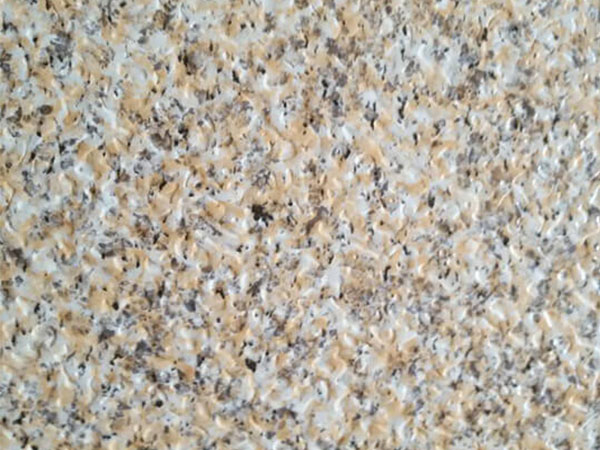
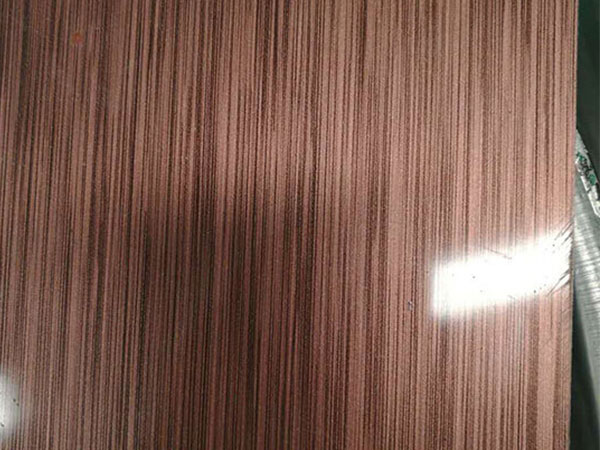
Coating surface: single side coated or double side coated; front/back colors; gloss level; texture such as matte, wrinkle, or embossed.
Color reference: RAL, Pantone, or customer sample; define allowable color difference and gloss tolerance.
Finish and protection: mill finish or pre-treated finish; protective film type and thickness.
Mechanical and adhesion performance: T-bend requirement, impact resistance, pencil hardness, cross-hatch adhesion, solvent resistance, and corrosion tests such as salt spray depending on target environment.
Implementation standards and common references
Color coated aluminum coil can be manufactured and tested under several international frameworks. Commonly referenced standards include ASTM B209 for aluminum sheet/coil dimensional and mechanical requirements, EN 485 for mechanical properties and tolerances, and EN 1396 for coil coated aluminum. For coating performance and test methods, EN 13523 is often referenced for coil coating tests (gloss, color, adhesion, T-bend, impact, etc.). Many suppliers also align with AAMA performance concepts for architectural coatings when PVDF systems are required, even if the final system is specified by project documents rather than a single standard.
Because standards selection depends on region and project type, the most practical approach is to confirm the base metal standard plus the coil coating test suite and acceptance criteria in the purchase specification.
Alloy tempering and what it means for forming
1xxx alloys are non-heat-treatable; temper is achieved by annealing and cold work. That's important because it makes mechanical behavior more predictable through the coating line and subsequent forming.
O temper is fully annealed, offering maximum ductility for deep drawing or tight bends.
H14/H24 are common "half-hard" style tempers providing higher stiffness and dent resistance while still allowing roll forming and moderate bending.
H16/H18 increase hardness and flatness control but reduce bendability; they are chosen when shape stability matters more than tight-radius forming.
A distinctive way to think about temper selection is "who does the work": if your press brake or forming tooling must do complex shaping, choose softer tempers. If the installed product must resist oil canning, dents, or handling deformation, choose harder tempers, then adjust bend radius and design allowances accordingly.
Chemical composition table (typical limits)
Below is a concise chemical composition reference. Actual mill certificates govern; values can vary slightly by standard edition.
| Alloy | Al (min) | Si (max) | Fe (max) | Cu (max) | Mn (max) | Mg (max) | Zn (max) | Ti (max) |
|---|---|---|---|---|---|---|---|---|
| 1050 | 99.50% | 0.25% | 0.40% | 0.05% | 0.05% | 0.05% | 0.05% | 0.03% |
| 1070 | 99.70% | 0.20% | 0.25% | 0.04% | 0.03% | 0.03% | 0.04% | 0.03% |
| 1100 | 99.00% | 0.95% (Si+Fe) | included in Si+Fe | 0.05–0.20% | 0.05% | - | 0.10% | - |
The practical takeaway for fast, accurate selection
Choose 1050 when you want a cost-effective, widely available substrate for general coating and forming. Choose 1100 when you want a dependable step up in formability and broad industry familiarity for coated products. Choose 1070 when purity-related performance, conductivity, or surface consistency is a priority. Then match the temper to how aggressively you will form the part, and match the coating chemistry to the exposure environment.
When specified this way, color coated aluminium coil 1100/1070/1050 stops being "simple aluminum" and becomes a controlled, repeatable material platform-built to look right, form cleanly, and last longer in real applications.
https://www.al-alloy.com/a/color-coated-aluminium-coil-1100-1070-1050.html