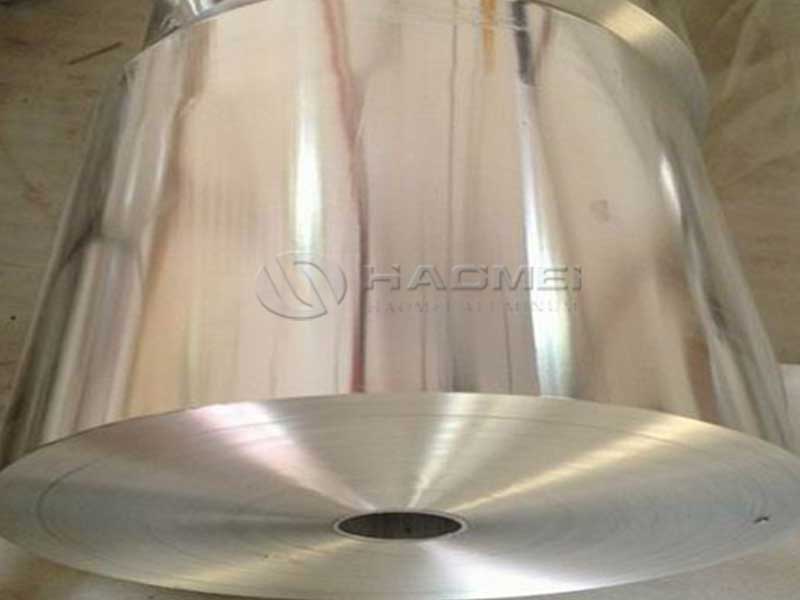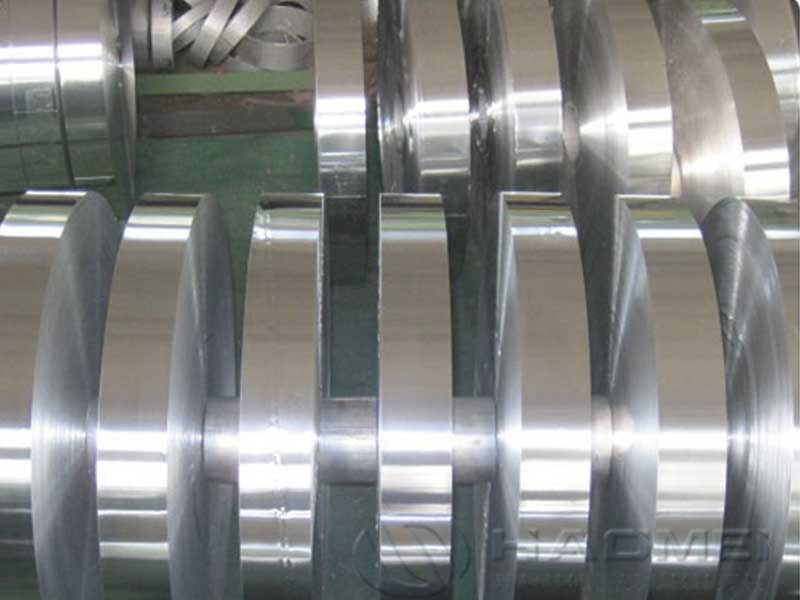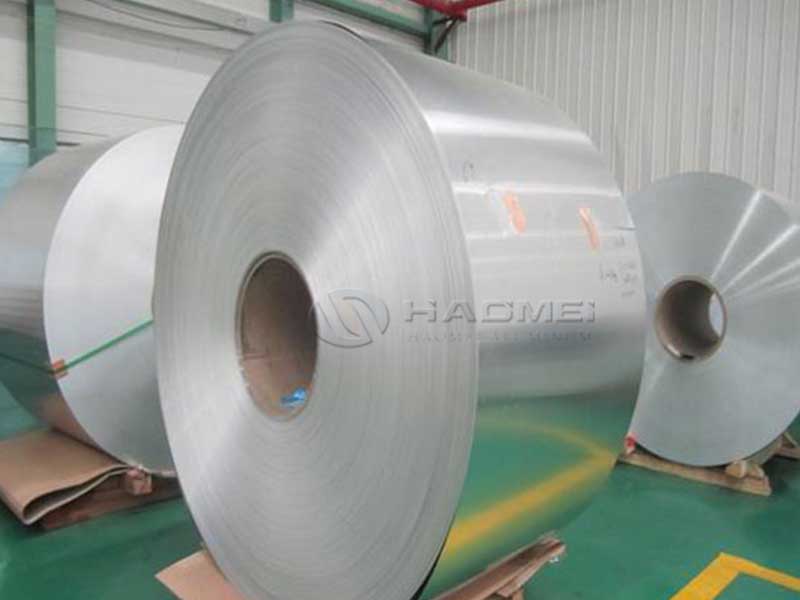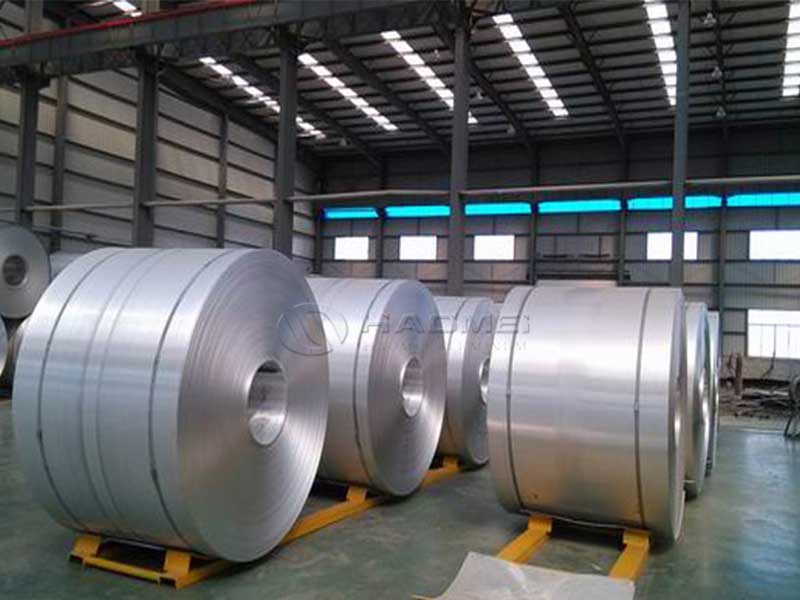

0.009mm 1235 H18 Aluminium Foil for Electronics
0.009mm 1235 H18 Aluminium Foil for Electronics: Ultra‑Thin Shield with Big Performance
When electronic devices get smaller and smarter, every micron of material has to work harder. That is exactly where 0.009mm 1235 H18 aluminium foil stands out: an ultra‑thin, high‑purity foil that quietly solves multiple problems in electronic design at once—shielding, insulation, packaging, heat management and space optimization.
Rather than thinking of it as “just foil,” it helps to view 0.009mm 1235 H18 as a functional layer in the electronic ecosystem: a precision‑engineered skin that protects, conducts, and stabilizes.
What “0.009mm 1235 H18” Really Means
Each part of this designation tells you something critical about performance:
0.009mm thickness
This is 9 microns—about one‑tenth the thickness of a human hair. At this scale, foil behaves less like a bulk metal and more like a technical film. It can wrap tightly around components, fit inside multilayer laminates and composite structures, and still deliver metal‑level barrier and conductive properties.Alloy 1235
1235 is a high‑purity aluminium alloy, with Al content typically ≥ 99.35%. It belongs to the 1xxx series, known for:• Excellent electrical conductivity
• High chemical stability
• Superior barrier properties against moisture and gas
• Easy rolling to ultra‑thin gauges without crackingWhile stronger alloys exist, 1235 is selected in electronics when purity, conductivity, and barrier performance are more important than structural strength.
Temper H18
H18 indicates full hard temper by cold working. In practice, this means:• High tensile strength for such a thin material
• Good dimensional stability during slitting, laminating and winding
• Reduced risk of wrinkling and tearing in high‑speed processingFor ultra‑thin foils, temper is not just a mechanical property; it directly affects how reliably the foil performs in production lines and in final assemblies.
Functional Roles in Electronics
From a functional standpoint, 0.009mm 1235 H18 aluminium foil behaves like a multi‑tool in electronic materials engineering.
Electromagnetic Shielding Layer
Aluminium’s electrical conductivity and reflective surface make this foil an effective barrier against EMI/RFI. In cables, flexible circuits, power modules, and signal lines, the foil is used to:
- Wrap around twisted pairs or bundles as a shield layer
- Form part of laminated shielding tapes or copper–aluminium composite shields
- Line casings or modules to reduce interference and crosstalk
The 9‑micron thickness is thin enough to be flexible and light, but continuous and conductive enough to form a stable Faraday cage effect when properly grounded.
Barrier and Protective Layer
In electronic packaging, the foil works as a barrier film that protects sensitive components and materials from:
- Moisture and humidity
- Oxygen and corrosive gases
- Light and static
Laminated with PET, PI, paper or PE, 0.009mm 1235 H18 foil forms multi‑layer structures used in capacitor wrapping, lithium battery pouches (as part of the outer structure), and component packaging films. Its high purity improves corrosion resistance, reducing the risk of pinholes and electrochemical reactions.
Lightweight Current Carrier and Contact Surface
While copper is typically the star conductor, high‑purity 1235 foil can serve as:
- Auxiliary conductive layers in shielding and grounding structures
- Contact or connection interfaces where ultra‑low thickness and weight are critical
- Part of multilayer laminates where aluminium provides a wide, low‑resistance path for grounding and charge dissipation
The balance of conductivity, formability and cost makes 1235 foil attractive where massive current is not required, but reliable conduction and lightweight design are.
Thermal Management Support
Though not as conductive as copper, aluminium still offers good thermal conductivity. In some electronic assemblies, 0.009mm foil contributes to:
- Spreading localized heat across a slightly larger area
- Acting as a reflective layer to reduce radiant heat load
- Forming part of laminated thermal shields inside devices
It is not a primary heatsink, but as a layered foil in housings and components, it helps balance thermal gradients and protect temperature‑sensitive parts.
Typical Applications in the Electronics Field
When you follow the product into the factory, these are the kinds of usage scenarios where 0.009mm 1235 H18 aluminium foil is most commonly found:
- Data and communication cables: as a shielding wrap or longitudinal tape around twisted pairs, enabling stable signal transmission and lower interference.
- Audio, automotive and industrial cables: in combination with drain wires and outer jackets, forming durable EMI shields that withstand bending and vibration.
- Capacitors and electronic components: as part of laminate structures in film capacitors, labels, protective wraps and moisture barriers.
- Battery‑related applications: as a barrier layer in soft packaging structures, or as part of insulation and protection films around cells, wiring and busbars.
- Flexible electronics and FPC/FFC support: as a shielding, grounding or barrier layer integrated into flexible cable constructions.
Because of its ultra‑thin nature, the foil is almost always used in combination with other materials—films, papers, adhesives—forming engineered multilayer composites tailored to each device.
Technical Parameters at a Glance
While exact values depend on producer and specification, 0.009mm 1235 H18 aluminium foil for electronics typically follows these ranges:
- Thickness: 0.009 mm (9 μm), with tight tolerance, often ±0.5–1.0 μm
- Width: customized, often from 200 mm to 1500 mm depending on slitting capabilities
- Temper: H18 (full hard)
- Tensile strength: approximately 80–120 MPa for H18 at ultra‑thin gauges
- Elongation: generally low, around 2–5%, reflecting the hard temper
- Surface: one‑side bright / one‑side matte or double bright, depending on rolling method
- Pinholes: controlled to low counts per square meter; critical for barrier and insulation reliability
- Surface treatment: available with degreasing, chemical roughening, or primer coatings as required by laminators and cable makers
Implementation Standards and Quality Framework
Producers tailor this foil to meet both international aluminium standards and application‑specific requirements. Commonly referenced frameworks include:
- EN and ASTM standards for aluminium foil in terms of chemical composition, mechanical properties, and dimensional tolerances
- IEC and related cable standards for shielding performance when used in communication and power cables
- Internal enterprise standards for pinhole counts, oil residue, wettability, and surface cleanliness
For electronics, two points are especially important:
consistency across the coil and batch, and compatibility with downstream processes such as laminating, slitting, rewinding and high‑speed cable wrapping. H18 temper and strict thickness control are essential to avoid breaks and wrinkles during high‑tension, high‑speed production.
Chemical Composition: Alloy 1235
Typical chemical composition limits for 1235 aluminium foil are as follows (values in weight percent):
| Element | Typical Range (wt%) |
|---|---|
| Al | ≥ 99.35 |
| Si | ≤ 0.10 |
| Fe | 0.35 – 0.60 (max often 0.50 or 0.60) |
| Cu | ≤ 0.05 |
| Mn | ≤ 0.05 |
| Mg | ≤ 0.05 |
| Zn | ≤ 0.10 |
| Ti | ≤ 0.03 |
| Others (each) | ≤ 0.03 |
| Others (total) | ≤ 0.10 |
This high aluminium content is what gives 1235 foil its excellent conductivity and barrier performance, as well as strong resistance to most atmospheric and many chemical environments encountered in electronics packaging.
Why 1235 H18 at 0.009mm Works So Well in Electronics
From a design engineer’s viewpoint, this foil sits at the intersection of three demands: performance, processability, and cost.
Performance: It delivers stable EMI shielding, good conductivity, and reliable barrier properties even at microscopic thickness. High purity reduces the risk of corrosion, outgassing, and long‑term instability.
Processability: H18 temper gives the mechanical strength needed for ultra‑thin gauges to be slit, wound and wrapped at industrial speeds with minimal breaks. Surface quality and low oil levels support direct lamination and bonding.
Cost and weight: Aluminium is significantly lighter and more economical than copper. For large‑scale cable, battery and packaging applications, this combination of low density and acceptable conductivity provides a compelling balance.
Choosing the Right Foil for Your Application
When selecting 0.009mm 1235 H18 aluminium foil for an electronics project, practical considerations include:
- Shielding effectiveness required and grounding design
- Compatibility with adhesive systems and plastic films
- Required coil widths, inner diameters and winding directions for your equipment
- Surface cleanliness level for laminating or coating processes
- Special treatments such as degreasing, corona treatment, or primer coatings
Viewed from a system level, this foil is not just a raw material; it is a design parameter. By adjusting thickness, temper, width, and surface treatment, you can fine‑tune shielding, flexibility, and line efficiency to match the specific needs of each cable, module or device.
In short, 0.009mm 1235 H18 aluminium foil is the quiet, ultra‑thin layer that keeps modern electronics stable, protected, and efficient—doing complex functional work in a space the human eye barely notices.
https://www.al-alloy.com/a/0009mm-1235-h18-aluminium-foil-for-electronics.html