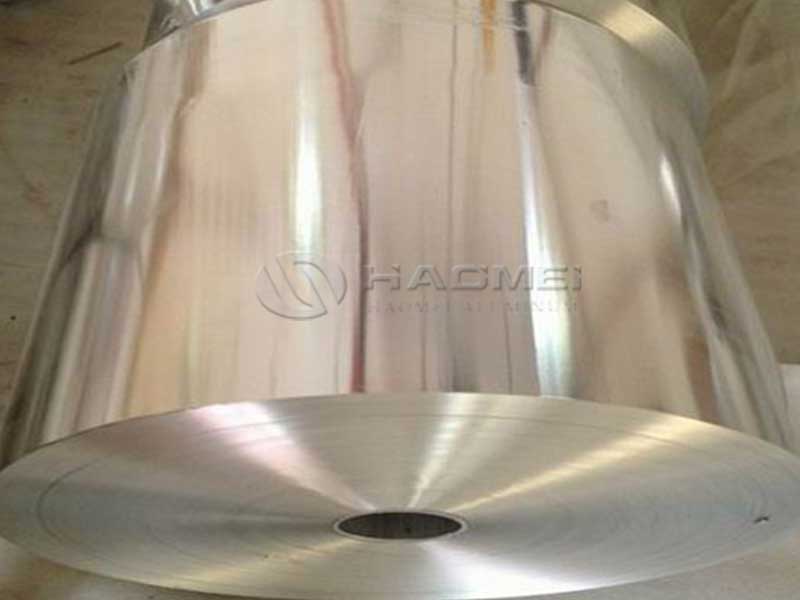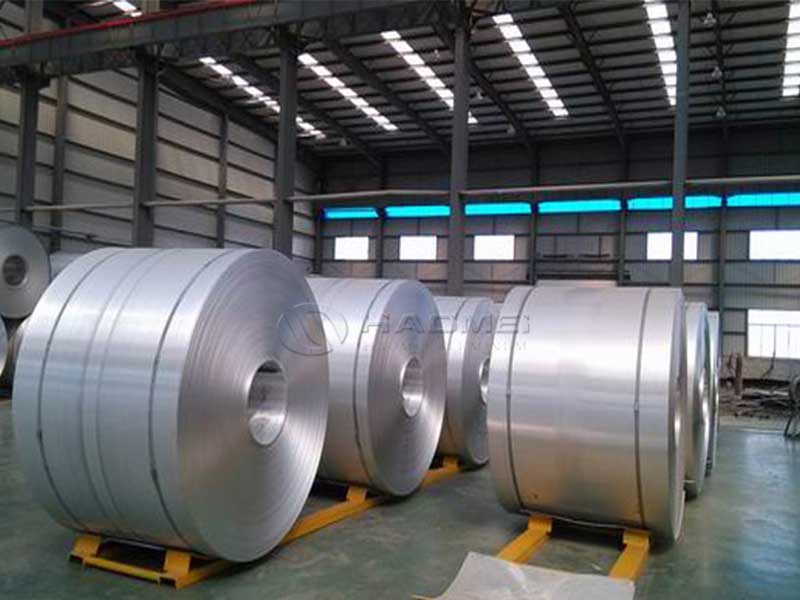

Kitchen Packaging Aluminum Foil
Aluminum foil has become an indispensable material in modern kitchens worldwide. Known for its versatility, durability, and high-performance characteristics, kitchen packaging aluminum foil fulfills multiple roles that contribute to food safety, hygiene, and convenience.
What is Kitchen Packaging Aluminum Foil?
Kitchen packaging aluminum foil is a thin, flexible sheet of aluminum metal, specifically engineered for household use in food wrapping, cooking, and storage. Its ability to resist heat, moisture, odors, and light enables it to maintain food quality and is widely consistent with international food safety norms.
This foil is manufactured under precise controlled conditions and specialized alloys to ensure food grade safety along with mechanical strength, formability, and corrosion resistance. Usually produced in gauges between 6µm to 20µm thickness, kitchen foil balances flexibility and tear resistance for practical usability.
Core Functions of Kitchen Aluminum Foil
- Efficient Thermal Conduction: Facilitates even heat distribution during cooking, grilling, or baking.
- Moisture and Oxygen Barrier: Blocks penetration to protect food from dehydration and oxidation.
- Odor and Flavor Preservation: Prevents mixing or loss of flavor during storage.
- Food Hygiene & Safety: Acts as a safeguard against contamination.
- Light Weight & Easy Handling: Lightweight sheets can be molded to food shape dimensions effectively.
- Recyclability & Eco-Friendly: Aluminum is 100% recyclable without quality loss.
Typical Applications of Kitchen Packaging Aluminum Foil
Due to its outstanding barrier properties and thermal conductance, kitchen packaging aluminum foil finds immense usage across various activities including:
- Wrapping leftovers & prepared meals
- Baking & roasting food thanks to oven-safe characteristics
- Barbecue foil wraps to retain juices and flavors
- Lining pans and trays for easy cleaning
- Covering containers to preserve freshness in refrigerators
- Forming caps or seals for instant food containers
- Protecting fresh produce and dairy products in packaging
- Insulating food during transport to maintain temperature stability
Technical Specifications and Implementation Standards
Aluminum foil for kitchen packaging typically conforms to recognized industry and national standards ensuring safety, quality, and performance characteristics optimized for food use.
| Parameter | Typical Value / Standard | Unit / Notes |
|---|---|---|
| Alloy | 1100, 8011 | Common food-grade aluminum alloys |
| Temper Conditions | O (soft), H14 (partial hard) | Indicates mechanical strength and flexibility |
| Foil Thickness Range | 6 – 20 | Micrometers (µm) |
| Width Options | Up to 1250 | Millimeters (mm) |
| Density | 2.7 | g/cm³ |
| Tensile Strength | 70 – 120 (depending on temper) | MPa |
| Hardness (Brinell) | Approximately 20 (O temper) | HB |
| Color/Finish | Dull/Matt and Glossy versions | Based on rolling side finish |
| Food Contact Compliance | FDA 21 CFR 175.300 / LFGB (EU) | Certification for direct food contact |
| Coating or Treatment | Often bare, sometimes coated for non-stick/corrosion resistance | Surface modification varies by requirement |
Alloy Chemical Composition (1100 Series Typical)
Chemical purity and elements influence corrosion resistance, ductility, and foil safety. A typical 1100 alloy for kitchen use contains:
| Element | Typical Content (wt%) | Remarks |
|---|---|---|
| Aluminum (Al) | 99.0 min | Base Metal |
| Copper (Cu) | 0.05 max | Low copper content to maintain softness |
| Iron (Fe) | 0.95 max | Impurity limit |
| Manganese (Mn) | 0.05 max | Minor alloying element |
| Silicon (Si) | 0.95 max | Prevents brittleness |
| Zinc (Zn) | 0.10 max | Trace amounts permissible |
| Titanium (Ti) | 0.03 max | Improves strength but minimized for foil |
Alloy Tempering Conditions Explained
- O Temper (Annealed): Full soft condition providing excellent formability and ductility; easy to fold and wrap.
- H14 Temper (Half Hard): Slightly higher strength and reduced ductility for foil that requires more mechanical durability and tear resistance.
Usage and Handling Recommendations
- Use unwrinkled foil sheets for maximum protection.
- Avoid puncturing and tearing megapack rolls.
- When cooking, combine foil with parchment paper in acidic food applications to prevent metal migration.
- Prevent disproportionate bending or compressing while sealing containers.
Environmental and Health Considerations
Food-grade kitchen aluminum foil is manufactured under strict hygiene control satisfying global food safety standards. Its full recyclability aligns with modern sustainable packaging trends, and definitive environmental care should incorporate proper recycling post-use.
| Feature | Benefit |
|---|---|
| Superior Thermal Conductivity | Enables efficient cooking & heating |
| Excellent Barrier Against Moisture/Oxygen | Preserves freshness, aroma, texture |
| Recyclable & Eco-friendly | Supports sustainability initiatives |
| Compliant with Food Certification Standards | Assured food safety and hygiene standards |
| Flexible Temper Options | Meets variety of mechanical usage and strength needs |
| Lightweight & Pack-friendly | Easy extended kitchen and packaging applications |
https://www.al-alloy.com/a/kitchen-packaging-aluminum-foil.html