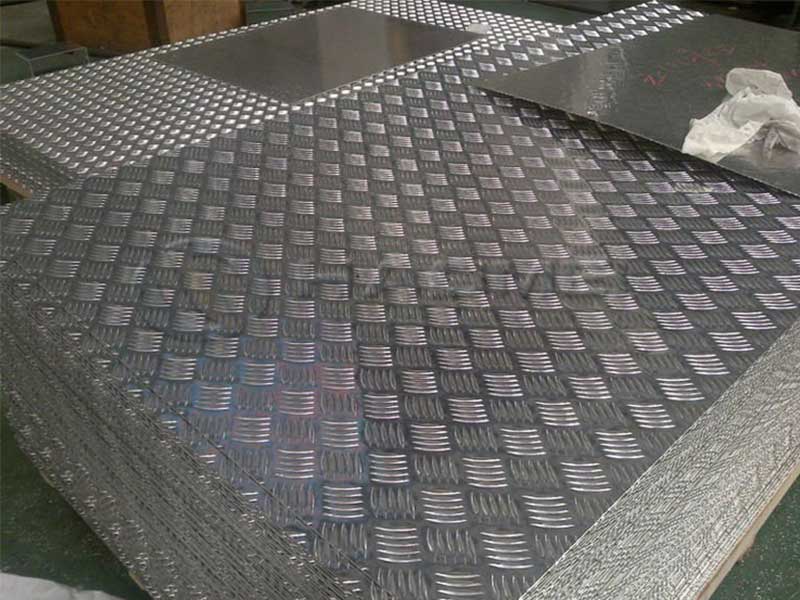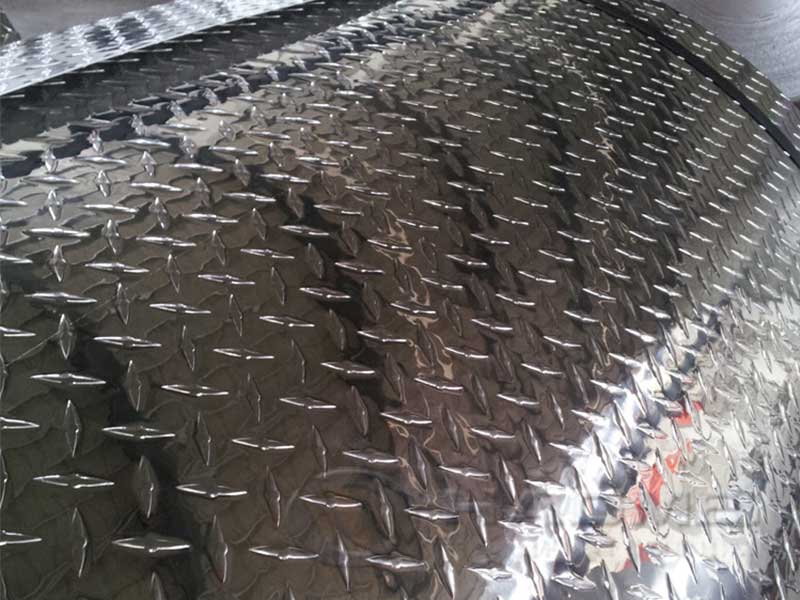

Embossed aluminum heat shield
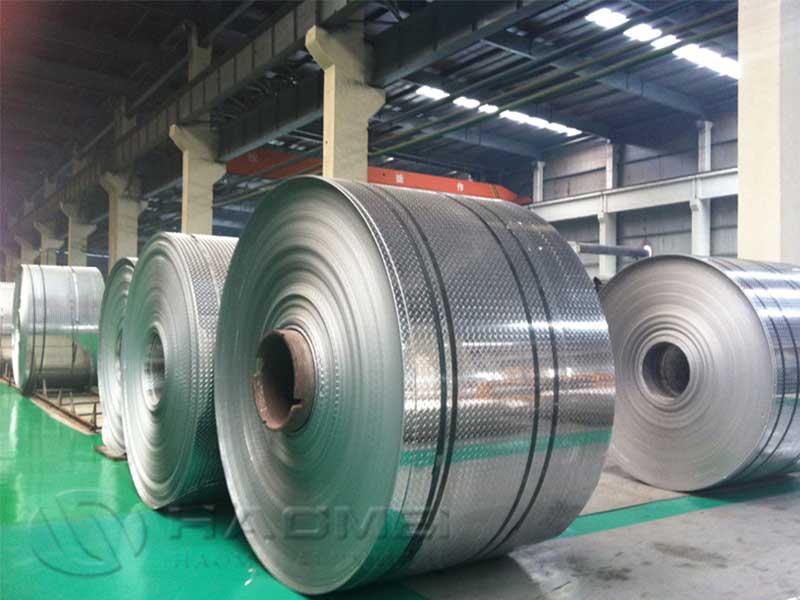
An embossed aluminum heat shield is a lightweight, corrosion-resistant thermal barrier made from stucco embossed aluminum sheet. The embossed pattern is not just visual texture-it improves rigidity, helps maintain a controlled air gap, and reduces contact area, which can lower heat transfer in many real-world installations. These heat shields are widely used in automotive, HVAC, industrial insulation, and appliance applications where dependable heat reflection, durability, and easy forming matter.
Unlike flat sheet, embossed aluminum better resists oil-canning and vibration fatigue, making it a practical choice for heat management around engines, exhaust systems, furnaces, ducts, and high-temperature piping.
What Makes an Embossed Aluminum Heat Shield Different
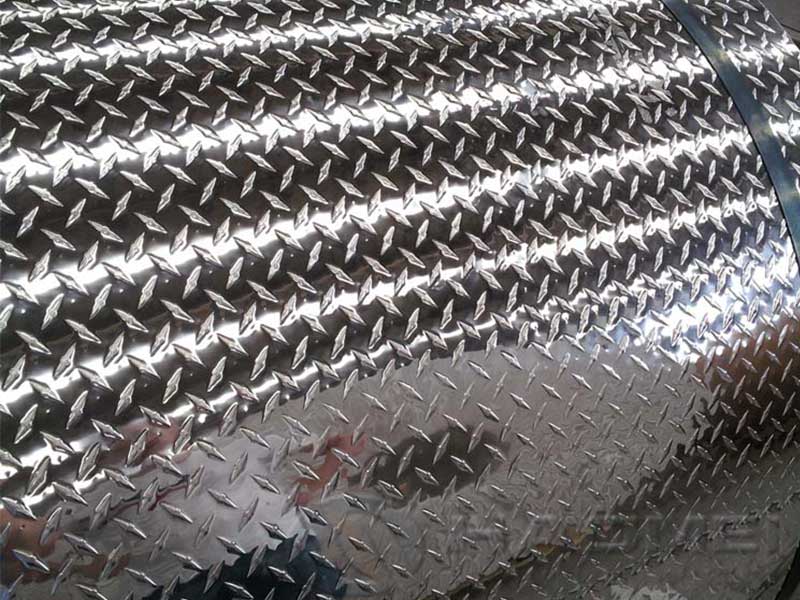
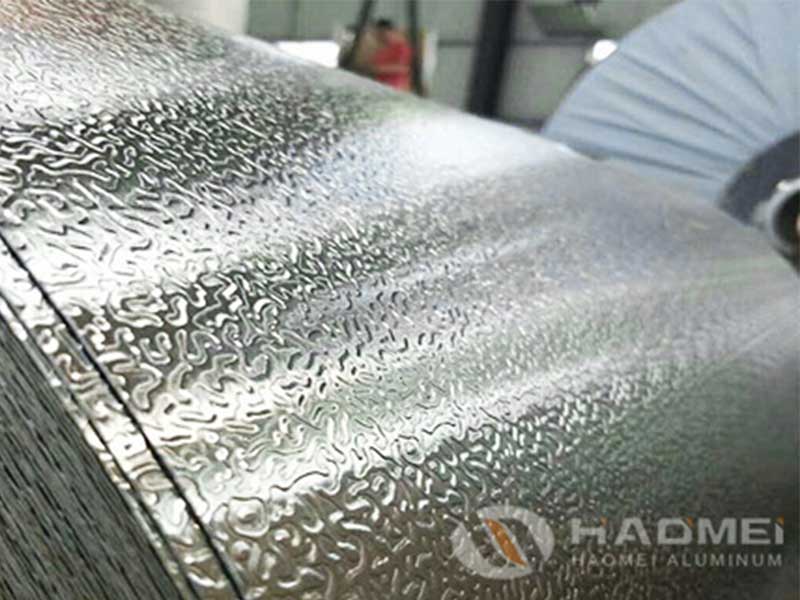
Embossing forms a repeating pattern (commonly stucco or similar textures) into the sheet surface. This adds structural stiffness without increasing thickness, which helps the shield hold its shape while staying light. The raised pattern also reduces large-area contact with adjacent components and improves handling safety by reducing sharp reflections and minor surface scuffs.
Features at a Glance
| Feature | Customer Benefit | Typical Result in Use |
|---|---|---|
| Stucco embossed surface | Higher stiffness, better dent resistance | Less vibration noise, less deformation during assembly |
| High reflectivity aluminum surface | Strong radiant heat reflection | Lower heat soak into nearby components |
| Low density | Lightweight protection | Improved fuel efficiency in vehicles, easier installation |
| Corrosion resistance | Longer service life | Suitable for humid, coastal, and industrial atmospheres |
| Formability (selected alloys/ tempers) | Easy bending, stamping, riveting | Fits complex housings and tight spaces |
| Recyclable metal | Sustainability advantage | High scrap value, circular material flow |
Common Applications
| Industry | Application Examples | Why Embossed Aluminum Fits |
|---|---|---|
| Automotive | Exhaust tunnel shields, catalytic converter shields, turbo heat barriers, battery thermal protection covers | Light weight, vibration resistance, corrosion protection |
| HVAC / Refrigeration | Duct wrap jacketing, insulation cladding, condensation barriers | Clean appearance, stiffness, outdoor durability |
| Industrial Insulation | Pipe and vessel jacketing, furnace casing shields, equipment covers | Weather resistance, easy fabrication, impact resistance |
| Appliances | Oven liners, burner area shields, dryer heat deflectors | Heat reflection, cleanability, cost-effective forming |
| Construction / Energy | Reflective barriers, enclosure shielding, generator housings | Durable and easy to cut/fasten |
Material Options and Temper Selection
Embossed aluminum heat shields are typically produced from 1xxx, 3xxx, and 5xxx series aluminum. The best choice depends on forming needs, corrosion environment, and required strength.
| Alloy Series | Common Alloys | Strength Level | Corrosion Resistance | Forming Notes | Typical Heat Shield Use |
|---|---|---|---|---|---|
| 1xxx (commercially pure) | 1050, 1060, 1100 | Low | Excellent | Very easy to form; high reflectivity | Reflective layers, light-duty shields, jacketing |
| 3xxx (Al-Mn) | 3003, 3005, 3105 | Medium | Very good | Excellent general forming; good rigidity | HVAC jacketing, general-purpose shields |
| 5xxx (Al-Mg) | 5052, 5083 (less common for emboss) | Medium–high | Excellent | Stronger; bends well with proper radius | Harsh environments, higher mechanical demand |
Typical Temper Conditions
| Temper | Description | Why It's Used |
|---|---|---|
| O (Annealed) | Softest, maximum ductility | Deep forming, tight bends, complex shapes |
| H14 / H24 | Strain-hardened (½ hard variants) | Better dent resistance while maintaining formability |
| H16 / H18 | Harder tempers | Higher stiffness where forming is minimal |
Chemical Composition (Typical Ranges)
Actual composition depends on the standard and supplier practice. The table below reflects commonly referenced ranges for widely used alloys in heat shields.
| Alloy | Si (%) | Fe (%) | Cu (%) | Mn (%) | Mg (%) | Zn (%) | Al (%) |
|---|---|---|---|---|---|---|---|
| 1100 | ≤1.0 (Si+Fe) | - | 0.05–0.20 | ≤0.05 | - | ≤0.10 | ≥99.0 |
| 3003 | ≤0.60 | ≤0.70 | 0.05–0.20 | 1.0–1.5 | - | ≤0.10 | Bal. |
| 3105 | ≤0.60 | ≤0.70 | ≤0.30 | 0.30–0.80 | 0.20–0.80 | ≤0.40 | Bal. |
| 5052 | ≤0.25 | ≤0.40 | ≤0.10 | ≤0.10 | 2.2–2.8 | ≤0.10 | Bal. |
Note: "Bal." indicates the remainder is aluminum after alloying elements and trace limits.
Technical Specifications (Typical Supply Range)
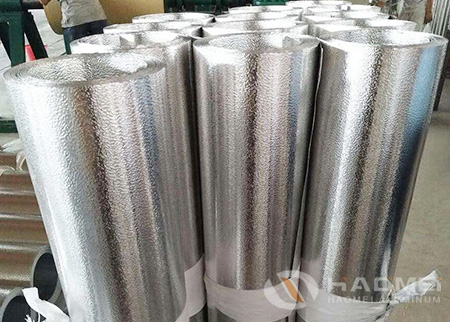
Embossed aluminum heat shield stock is usually coil-based and can be slit, leveled, or cut-to-length. Embossing depth and pattern pitch vary by tooling.
| Parameter | Typical Range / Option |
|---|---|
| Base material | Stucco embossed aluminum sheet/coil |
| Thickness | 0.20–2.00 mm (common: 0.30–1.20 mm) |
| Width | 50–1600 mm (coil); custom cut sheets available |
| Length | Coil or cut-to-length (e.g., 500–3000 mm) |
| Emboss pattern | Stucco / orange peel / custom patterns |
| Surface finish | Mill finish; optional coated/laminated |
| Coating options | PE/PVDF color coating; heat-resistant paints (application-dependent) |
| Protective film | Optional (single/both sides) |
| Standards reference | ASTM B209 / EN 485 (or equivalent) |
| Edge condition | Slit edge; deburred/cassette edge (as agreed) |
Performance Parameters (Heat, Weight, Practical Design)
Heat shielding performance is system-dependent: air gaps, mounting distance, airflow, and nearby materials often matter as much as the sheet itself. Still, aluminum offers a strong baseline due to its reflectivity and low mass.
| Property | Typical Value / Description | Customer Impact |
|---|---|---|
| Density | ~2.7 g/cm³ | Lightweight shielding, easier brackets |
| Thermal conductivity | High (alloy-dependent) | Spreads local hot spots; design with air gap to reduce transfer |
| Reflectivity | High for clean aluminum surfaces | Strong radiant heat reduction |
| Corrosion behavior | Natural oxide layer + alloy resistance | Good outdoor and underbody durability |
| Stiffness improvement from embossing | Increased panel rigidity vs. flat sheet | Less flutter and drumming noise |
Fabrication and Installation Notes (Customer-Friendly)
| Process | Compatibility | Notes |
|---|---|---|
| Cutting | Shear, laser, waterjet | Embossing reduces slip; use stable fixturing |
| Forming | Bending, roll forming, stamping | Choose O or H24 for tight radii; align bend to reduce cracking risk |
| Joining | Rivets, screws, clinching, spot welding (limited), adhesives | Mechanical fastening is most common for heat shields |
| Spacing | Use stand-offs / brackets | Air gap dramatically improves shielding effectiveness |
| Edge safety | Hemming or edge trim | Recommended for installers and service access |
How to Specify the Right Embossed Aluminum Heat Shield
| Specification Item | Recommended to State on PO / Drawing |
|---|---|
| Alloy + temper | Example: 3003-H24 |
| Thickness | Example: 0.6 mm |
| Emboss pattern | Stucco embossed + direction requirement if any |
| Surface | Mill finish or coated color code |
| Dimensions | Coil width or sheet size + tolerances |
| Application environment | Underbody salt spray, indoor HVAC, furnace proximity |
| Packaging | Interleaf paper, film protection, pallet type |
Embossed aluminum heat shields made from stucco embossed aluminum sheet deliver a smart balance of heat reflection, rigidity, corrosion resistance, and low weight. The embossed texture increases stiffness and durability while supporting real-world installation advantages like reduced vibration noise and improved handling. With common alloy choices such as 1100, 3003, 3105, and 5052, and tempers ranging from O to H24, these heat shields suit applications from automotive exhaust protection to HVAC insulation jacketing and industrial thermal barriers. For fast, reliable performance, specify the right alloy/temper, thickness, and surface finish-and design with proper spacing to maximize thermal shielding effectiveness.
https://www.al-alloy.com/a/embossed-aluminum-heat-shield.html