
Perforated aluminum sheet lowes
Perforated aluminum sheet (as commonly found through retail channels such as Lowes) is one of the most versatile "ready-to-fabricate" materials for projects that need airflow, visibility, drainage, weight reduction, and modern aesthetics-without sacrificing corrosion resistance. Whether you're building a workshop vent panel, a radiator screen, a speaker grille, a cabinet insert, or an architectural feature, perforated aluminum combines workability with long service life.
What It Is (and Why It Works)
A perforated aluminum sheet is an aluminum plate or thin sheet that has been punched or laser-perforated in a consistent pattern (round, square, slotted, decorative). The perforations provide functional advantages:
- Ventilation / airflow for enclosures, soffits, HVAC covers, equipment guards
- Drainage for shelving, splash guards, wet environments
- Acoustic transparency for speaker grilles and sound panels
- Weight reduction while retaining panel stiffness (pattern-dependent)
- Aesthetic texture for modern architectural and interior applications
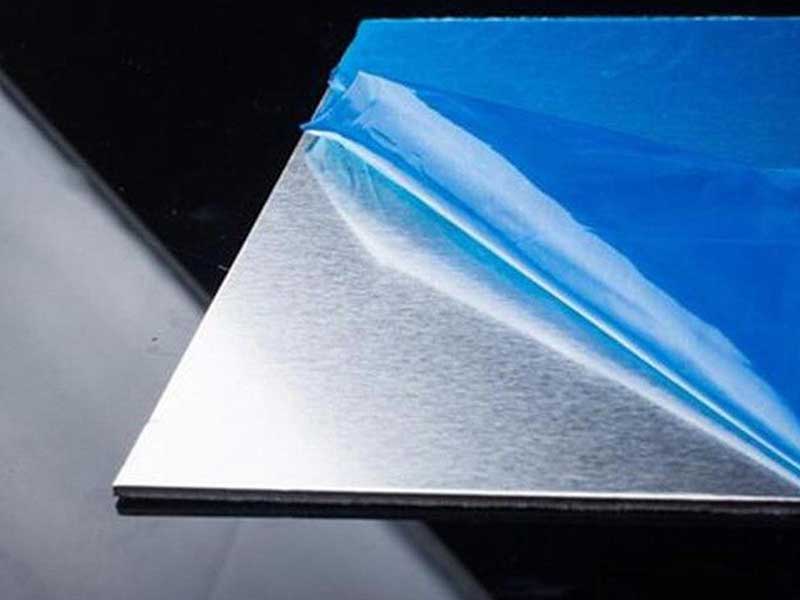
Retail perforated sheets are typically sold in convenient sizes and gauges, often in common aluminum families such as 3xxx (3003) or 5xxx (5052), sometimes with a mill finish or a light protective film.
Features Customers Notice Immediately
1) Corrosion Resistance for Indoor and Outdoor Use
Aluminum forms a stable oxide layer that resists rust. For outdoor projects, 5052 generally outperforms 3003 in salt/industrial environments.
2) Easy to Cut, Drill, and Fasten
Perforated sheet is DIY-friendly:
- Cuts with snips (thin gauge), jigsaw, circular saw with non-ferrous blade, or shear
- Fastens with rivets, screws, bolts, or adhesive bonding (with proper surface prep)
3) Functional Open Area (Airflow + Screening)
The open area (%) is a critical performance metric: it affects airflow, pressure drop, visibility, and screening. Higher open area = more airflow, but less stiffness and less screening.
4) Clean Aesthetics and Consistent Patterns
Perforated aluminum looks intentional-ideal for modern builds, cabinets, displays, and architectural screens.
Typical Alloy Options (Retail-Common) and How to Choose
In many retail offerings, the exact alloy may vary by supplier. The two most common for perforated sheet applications are AA3003 and AA5052.
Alloy Selection Guidance
- Choose 3003 for: general indoor use, easy forming, cost-sensitive projects
- Choose 5052 for: outdoor exposure, higher strength needs, marine/road salt environments
Chemical Composition (Typical Ranges)
Note: Compositions vary by standard and producer. Values below reflect common ranges for wrought aluminum alloys.
| Alloy (AA) | Al (Balance) | Mg (%) | Mn (%) | Fe (%) | Si (%) | Cu (%) | Cr (%) | Zn (%) |
|---|---|---|---|---|---|---|---|---|
| 3003 | Remainder | - | 1.0–1.5 | ≤0.70 | ≤0.60 | 0.05–0.20 | - | ≤0.10 |
| 5052 | Remainder | 2.2–2.8 | ≤0.10 | ≤0.40 | ≤0.25 | ≤0.10 | 0.15–0.35 | ≤0.10 |
Mechanical Properties (Typical, by Alloy & Temper)
Retail perforated sheets are often in H14/H24/H32 tempers (strain-hardened). Actual properties depend on thickness and supplier.
| Alloy / Temper | Tensile Strength (MPa) | Yield Strength (MPa) | Elongation (%) | Notes |
|---|---|---|---|---|
| 3003-H14 | ~130–160 | ~110–140 | ~3–10 | Very workable, good general purpose |
| 5052-H32 | ~210–260 | ~160–200 | ~7–12 | Higher strength, better corrosion resistance |
Practical takeaway: If the panel must resist denting, vibration, or handling abuse, 5052-H32 is usually the better choice.
Technical Specifications to Compare Before You Buy
Because perforated sheet performance is as much about the pattern as the metal, always evaluate these parameters:
Typical Perforation & Sheet Parameters
| Parameter | Common Options | Why It Matters |
|---|---|---|
| Sheet thickness (gauge) | ~0.020"–0.125" (varies widely) | Drives stiffness, dent resistance, and cut difficulty |
| Hole shape | Round / square / slot | Controls airflow, screening, and aesthetics |
| Hole diameter | e.g., 1/16", 1/8", 3/16", 1/4" | Smaller holes = better screening, lower airflow |
| Pitch / centers | e.g., 3/32"–3/8" | Impacts open area and strength |
| Open area (%) | ~20–60% typical | Higher = lighter, more airflow; lower = stronger, more shielding |
| Sheet size | 12"x24", 24"x36", etc. | Determines seam count and framing needs |
| Finish | Mill / anodized / powder coat (sometimes) | Impacts appearance and long-term durability |
Open Area (Rule-of-Thumb Examples)
| Pattern Example (Round holes) | Approx. Open Area | Best For |
|---|---|---|
| Small holes + tight pitch | ~20–35% | Guards, screens, pet barriers, cleaner look |
| Medium holes | ~35–50% | General venting, cabinet panels, soffit-like uses |
| Large holes + wide open area | ~50–60%+ | Maximum airflow, lightweight panels, visual transparency |
Performance in Real Use: What to Expect
Corrosion & Weathering
- Indoor: Both 3003 and 5052 perform well.
- Outdoor: 5052 is preferred, especially near coastal areas or de-icing salts.
- Finishing: Anodizing or powder coating significantly improves appearance retention and stain resistance, especially for decorative panels.
Strength and Panel Stiffness
Perforation reduces net section and can reduce stiffness. If your application spans a frame opening:
- Increase thickness (or choose a stronger alloy like 5052)
- Add edge returns/flanges, or frame it with angle/channel
- Reduce open area if rigidity is critical
Fabrication & Edge Quality
Perforated sheet can snag or deform at edges. Best practices:
- Deburr cut edges (file, flap wheel, or deburring tool)
- Use washers with fasteners to prevent pull-through
- Avoid placing screws too close to perforations at edges
Best Applications and Use Cases
| Use Case | Recommended Pattern Focus | Recommended Alloy |
|---|---|---|
| Cabinet door inserts / pantry ventilation | Medium open area, smaller holes for clean look | 3003 (indoor), 5052 (humid areas) |
| HVAC returns, vent panels, radiator covers | Higher open area for airflow | 5052 preferred for durability |
| Speaker grilles / AV furniture | Even pattern, moderate open area | 3003 or 5052 depending on handling |
| Workshop guards / machine shielding | Smaller holes, stronger gauge | 5052 for strength |
| Outdoor screens / architectural accents | Decorative pattern, finish-ready | 5052 + coating/anodizing |
| Shelving / drainage panels | Slots or medium holes, corrosion resistance | 5052 for wet exposure |
Customer Benefits (The Real Value)
Long service life with minimal maintenance
Aluminum won't rust like steel in typical conditions, making it ideal for garages, basements, utility rooms, and outdoor projects.Fast project completion
Perforated sheets are "build-ready"-no need for custom punching, and they're easy to trim to fit.Better airflow without sacrificing structure
A well-chosen open area delivers ventilation while still acting as a protective barrier.Professional appearance
The consistent perforation pattern elevates DIY builds into clean, architectural-quality finishes.
Buying Checklist (Quick Selection Guide)
| Question | What to Choose |
|---|---|
| Is it outdoors or near salt/chemicals? | Prefer 5052; consider coating |
| Need maximum airflow? | Higher open area (often larger holes / wider pitch) |
| Need better screening (insects/debris)? | Smaller holes; moderate open area |
| Worried about flexing or denting? | Thicker gauge and/or 5052; frame the panel |
| Prioritizing appearance? | Uniform pattern + coated/anodized finish |
Bottom Line
A perforated aluminum sheet (Lowes-style retail panel) is a high-value material when your design needs ventilation, visibility, and a clean modern look in a lightweight, corrosion-resistant format. The best outcomes come from matching three variables to your job: alloy (3003 vs 5052), thickness, and open area. Choose wisely, and you'll get a panel that installs quickly, performs reliably, and looks purpose-built for years.
https://www.al-alloy.com/a/perforated-aluminum-sheet-lowes.html