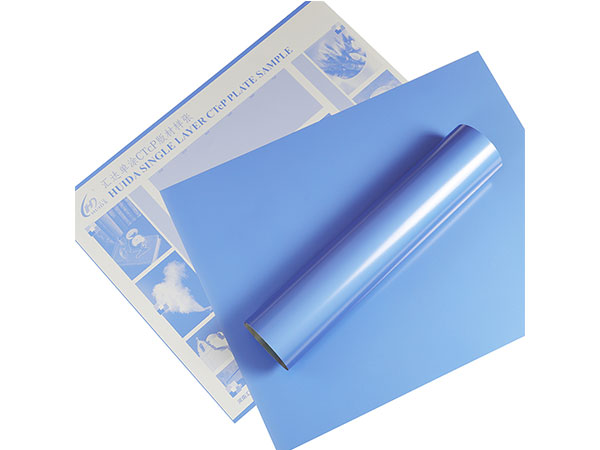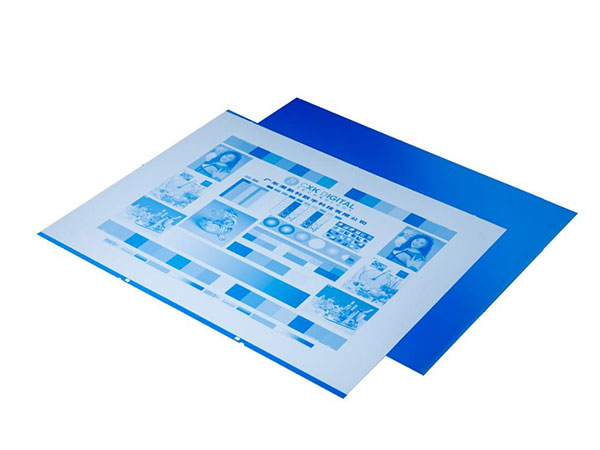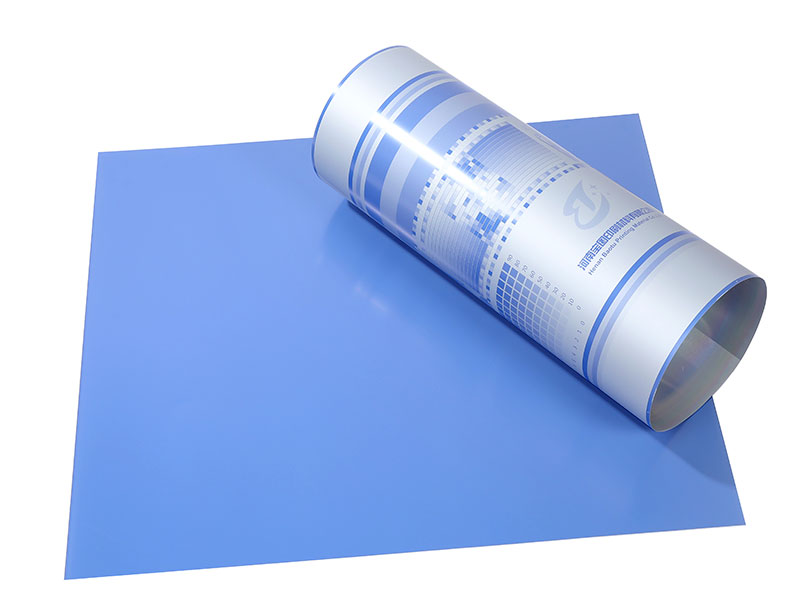

UV 405nm laser diode head module for Plate Printing CTP CTCP
In modern plate-making workflows, stability is productivity. A UV 405nm laser diode head module is the heart of imaging systems used in CTP (Computer-to-Plate) and CTCP (Computer-to-Conventional Plate) equipment, where it converts digital data into precise optical exposure on printing plates. Designed for high repeatability and clean spot formation, this module supports consistent plate quality across long production runs while keeping maintenance and downtime low.
What the 405nm Laser Diode Head Module Does in CTP/CTCP
A 405nm diode head module integrates the core elements required for imaging:
- A high-brightness 405nm laser diode that provides violet/near-UV energy suitable for common photopolymer and violet-sensitive plate coatings
- Beam shaping and collimation optics to produce a controlled spot profile
- Thermal management hardware to stabilize wavelength and output power
- Electrical drive interface for modulation and safety interlocks
- Mechanical references for accurate alignment inside the imaging head
In CTP and CTCP, the laser module is modulated at high speed to "write" dots on the plate as the optics and drum/bed motion scan the surface. The result is predictable dot geometry, sharp edges, and stable exposure latitude.
Core Features That Matter in Plate Imaging
Precise wavelength targeting at 405nm
Violet/near-UV exposure at 405nm is widely adopted for plate materials optimized for this spectral range. Tight wavelength control improves plate response consistency, particularly when ambient temperature shifts or duty cycles change during production.
Clean beam quality for sharper dots
A well-designed diode head emphasizes spot uniformity and beam stability, helping minimize dot gain variability, maintain line sharpness, and reduce imaging noise that can appear as graininess in highlights.
High-speed modulation capability
CTP/CTCP imaging relies on fast switching. The head module is designed to support rapid on/off modulation so the system can hold resolution at production speeds without sacrificing edge definition.
Thermal stability and long-life operation
Heat is the enemy of wavelength stability and diode lifetime. Industrial-grade modules include heat sinking and optional feedback elements (depending on configuration) to keep optical output predictable over long shifts.
Integration-friendly mechanical and electrical interfaces
Plate setters value modules that install, align, and service quickly. Standardized mounting references, robust connectors, and interlock-ready wiring simplify integration into both new builds and retrofit projects.
Typical Technical Specifications (Industry Reference)
The following table provides common specification ranges for 405nm laser diode head modules used in plate printing systems. Final values depend on the exact configuration (power class, optics set, and cooling method).
| Parameter | Typical Range / Option | Notes for CTP/CTCP Use |
|---|---|---|
| Center wavelength | 405 nm | Violet/near-UV for sensitive plate coatings |
| Wavelength tolerance | ±5 nm to ±10 nm | Tighter tolerance improves exposure repeatability |
| Optical output power | 50 mW to 1000 mW | Selected based on plate type, speed, and spot size |
| Operating mode | CW / Analog modulation / Digital modulation | Imaging typically uses high-speed modulation |
| Modulation bandwidth | Up to tens of MHz (system-dependent) | Impacts maximum writing speed and resolution |
| Beam profile | Elliptical (diode-native) with shaping optics | Optics convert to usable imaging spot |
| Polarization | Linear (typical) | Can affect some optical paths and coatings |
| Spot size at plate | System-defined (often 10–30 µm class) | Depends on optics and plate-setter design |
| Power stability | Typically <±2% to ±5% | Helps stabilize density and dot formation |
| Cooling | Passive heat sink / TEC-assisted (optional) | TEC improves wavelength stability in demanding environments |
| Operating temperature | Typically 10–40 °C (module) | Controlled head temperature improves consistency |
| Expected lifetime | Thousands to tens of thousands of hours | Depends on derating, cooling, and duty cycle |
| Safety class | Laser class depends on output and enclosure | Must comply with system safety design |
Optical and Electrical Interface Considerations
A diode head module is more than a light source; it is a controlled subsystem. These interface points are commonly required in plate printing equipment:
| Interface Area | Typical Implementation | Why It Matters |
|---|---|---|
| Drive current control | Constant current laser driver | Prevents overdrive, stabilizes output |
| Modulation input | TTL/CMOS or analog | Enables grayscale strategies and fast dot writing |
| Monitoring photodiode (optional) | APC-ready feedback | Helps regulate optical power over time |
| Thermal interface | Flat base + heat sink, optional TEC | Maintains wavelength and reliability |
| Mechanical datum | Precision mounting surfaces | Speeds alignment during service |
| Safety interlock | Enable pin / interlock loop | Supports compliance and safe maintenance |
Compatibility with Plate Technologies
405nm imaging is commonly used with violet-sensitive plate materials, including many photopolymer formulations engineered for violet exposure. In CTCP workflows, the "conventional plate" term refers to plate processing methods; the critical factor for the laser module is whether the plate coating is sensitive at 405nm.
| Plate Type / Workflow | 405nm Suitability | Typical Benefit |
|---|---|---|
| Violet-sensitive CTP plates | High | Efficient exposure, stable dot formation |
| CTCP with violet-compatible plates | High | Digital workflow with conventional-like handling |
| Mixed plate environments | Moderate to high | Requires matching exposure curves and calibration |
| Non-violet plate chemistries | Limited | Verify spectral sensitivity before selection |
Applications in Printing and Prepress
Commercial offset plate setters
In high-throughput shops, a stable 405nm diode head supports repeatable exposure across multiple plate batches. This reduces recalibration frequency and keeps color and registration consistent across jobs.
Newspaper and publication printing
Fast plate turnover benefits from modules that can handle sustained modulation without thermal drift. Stable output helps maintain text sharpness and halftone consistency, particularly in midtones.
Packaging and label prepress
Fine linework, small text, and dense barcodes demand clean spot geometry. A well-engineered diode head module helps preserve edge definition, improving scan reliability and print clarity.
Retrofit and service replacement
For aging plate setters, replacing the laser head module is a practical way to restore imaging quality without replacing the whole system. Integration-friendly form factors and consistent optical performance reduce downtime.
Performance Benefits Customers Notice
| Customer Goal | What the 405nm Module Contributes |
|---|---|
| Higher plate consistency | Stable wavelength and power reduce exposure variation |
| Better sharpness | Controlled spot profile improves edge definition |
| Faster throughput | High modulation capability supports higher writing speed |
| Reduced scrap | Fewer under/over-exposed plates during long runs |
| Easier maintenance | Robust mounting and interfaces simplify replacement and alignment |
Selection Notes for Fast Purchasing Decisions
When specifying a UV 405nm laser diode head module for CTP/CTCP, the most important match points are the required optical power at the plate, the target spot size, and whether the system expects digital/analog modulation or APC feedback. Thermal design is the next deciding factor; a module that runs cool and stable generally yields longer life and more consistent plate results.
A UV 405nm laser diode head module for Plate Printing CTP CTCP is built to deliver stable violet exposure, sharp imaging dots, and reliable performance in continuous production environments. With the right power class and modulation interface, it supports commercial printing, newspaper plate rooms, packaging prepress, and service replacements-helping plate setters maintain quality while pushing throughput.
https://www.al-alloy.com/a/uv-405nm-laser-diode-head-module-for-plate-printing-ctp-ctcp.html