
1.0mm 1100 Aluminum Sheet H14 H24 1100
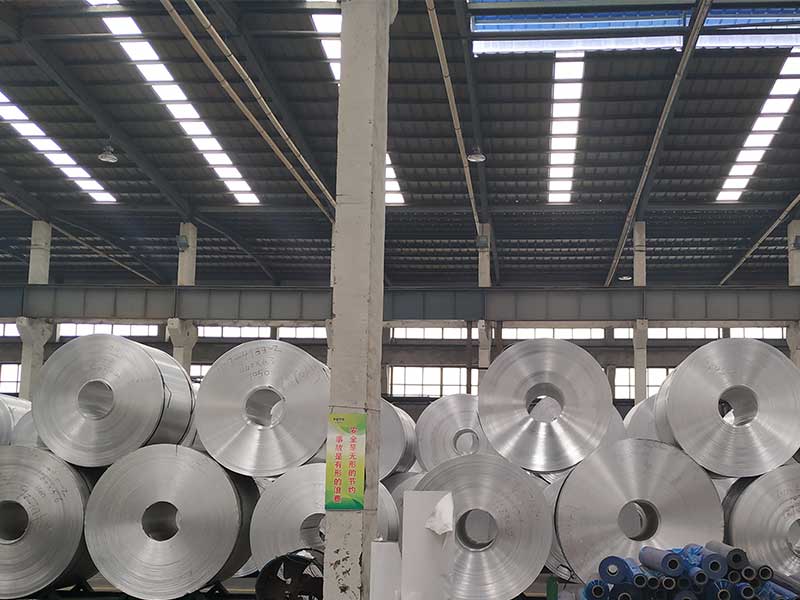
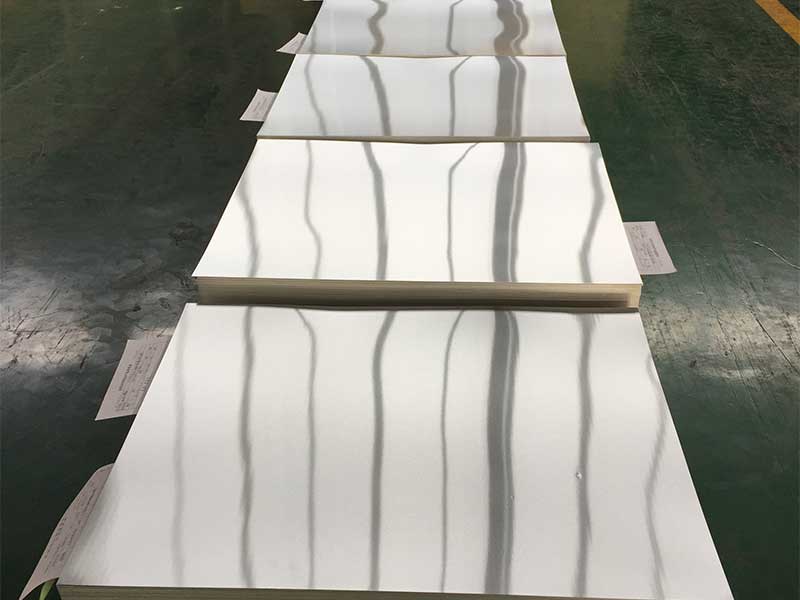
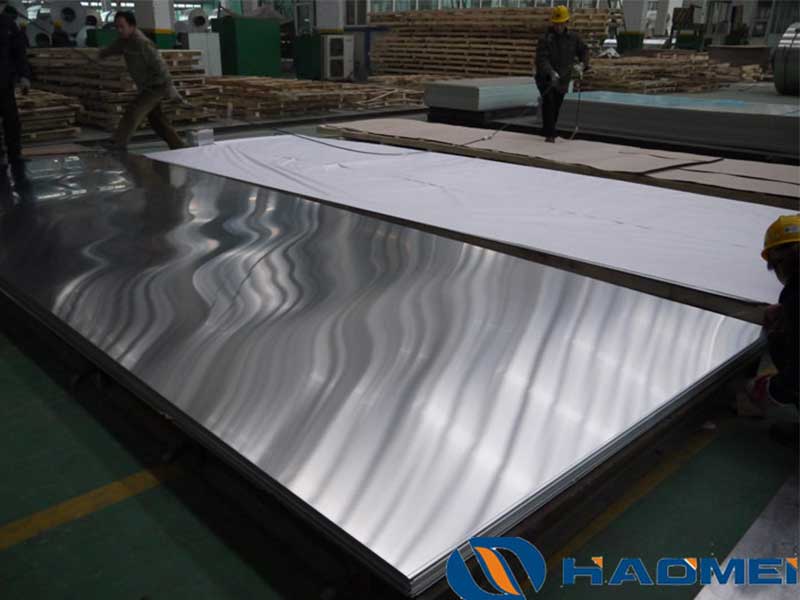
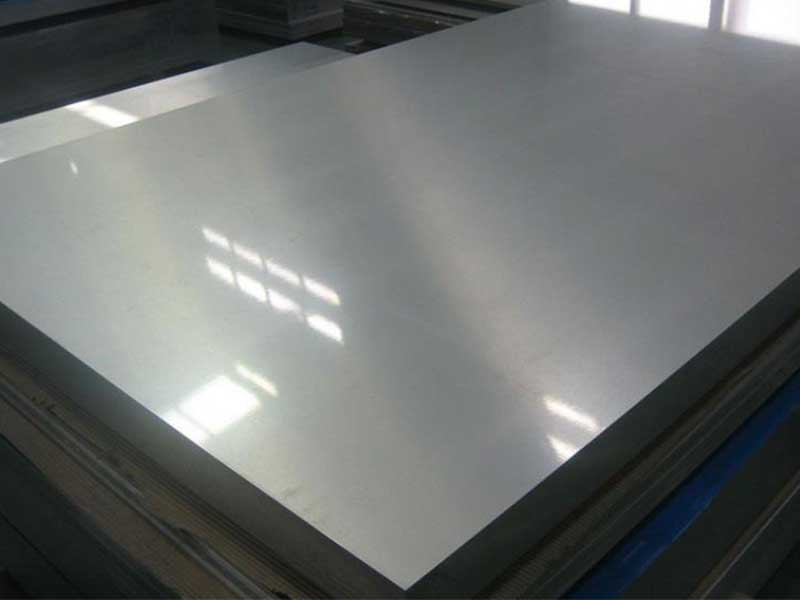
1.0mm 1100 Aluminum Sheet (Tempers: H14 / H24) is a high-purity, commercially pure aluminum product designed for applications that prioritize excellent corrosion resistance, high formability, reliable thermal/electrical conductivity, and clean surface appearance. Alloy 1100 (Al ≥ 99.00%) is a go-to choice when strength is not the primary driver, but consistent processing, finishing flexibility, and long-term durability are critical.
At 1.0mm thickness, the sheet sits in a sweet spot for stamping, bending, roll forming, insulation jacketing, signage, lighting reflectors, and general fabrication, offering a strong balance between rigidity and easy forming. The two most common work-hardened/stabilized options-H14 and H24-allow customers to choose between slightly higher hardness (H14) or improved forming stability after partial anneal (H24).
What Makes 1100 (H14/H24) Valuable
Features (Customer-Facing Highlights)
- Excellent corrosion resistance in atmospheric environments and many mild chemical exposures
- Superior formability for deep drawing, hemming, bending, and light stamping
- High thermal conductivity ideal for heat transfer, shielding, and jacketing
- High electrical conductivity compared with many alloyed aluminums
- Clean surface quality suitable for anodizing (decorative), painting, laminating, and reflective finishing
- Consistent performance at thin gauge (1.0mm) with predictable bend behavior
Choosing Between H14 and H24 (Practical Difference)
| Temper | Process Meaning (Simplified) | Typical Effect | Best When You Need |
|---|---|---|---|
| H14 | Strain hardened to ~½-hard | Higher hardness/strength than soft temper | Better dent resistance, flatter handling, light structural stiffness |
| H24 | Strain hardened then partially annealed (stabilized) | Improved formability and reduced residual stress vs H14 | More forgiving forming, reduced risk of "springy" bends or distortion |
Chemical Composition (Typical per ASTM for AA1100)
Alloy 1100 is defined as commercially pure aluminum. Minor elements are tightly controlled to preserve corrosion resistance and conductivity.
| Element | Typical Limit / Range (wt. %) |
|---|---|
| Aluminum (Al) | ≥ 99.00 |
| Silicon (Si) | ≤ 0.95 |
| Iron (Fe) | ≤ 0.95 |
| Copper (Cu) | 0.05–0.20 |
| Manganese (Mn) | ≤ 0.05 |
| Zinc (Zn) | ≤ 0.10 |
| Titanium (Ti) | ≤ 0.05 |
| Others (each) | ≤ 0.05 |
| Others (total) | ≤ 0.15 |
Mechanical Properties (Typical Values at Room Temperature)
Values vary with mill practice, coil direction, and finish; use for reference and selection.
| Property | 1100-H14 (Typical) | 1100-H24 (Typical) |
|---|---|---|
| Ultimate Tensile Strength (MPa) | 110–130 | 105–125 |
| Yield Strength (MPa) | 95–115 | 85–110 |
| Elongation (%, 50mm) | 2–6 | 4–10 |
| Brinell Hardness (HBW) | ~35–45 | ~30–40 |
Interpretation:
- H14 generally offers slightly higher strength and dent resistance.
- H24 typically provides more ductility, helping in tighter bends and complex formed parts.
Physical & Performance Characteristics (Why 1100 Behaves the Way It Does)
| Metric | Typical Value | Why It Matters at 1.0mm |
|---|---|---|
| Density | ~2.71 g/cm³ | Lightweight panels and formed parts |
| Thermal Conductivity | ~220 W/m·K | Effective heat spreading/jacketing |
| Electrical Conductivity | ~59–62% IACS | Busbar cladding, shielding, grounding components (non-high-strength) |
| Melting Range | ~643–657°C | Stable during typical fabrication; not intended for high-temp structural use |
| Corrosion Resistance | Excellent (atmospheric) | Long service life, low maintenance |
| Weldability | Good (GTAW/MIG) | Fabrication and assembly flexibility |
| Brazability | Good | Heat exchanger fins and light assemblies |
| Machinability | Fair | Prefer forming rather than heavy cutting |
Technical Specifications (1.0mm Sheet Supply Details)
| Parameter | Typical Offering |
|---|---|
| Product | Aluminum Sheet / Coil (slit-to-width available) |
| Alloy | AA 1100 |
| Temper | H14 / H24 |
| Thickness | 1.0 mm |
| Width | Common: 1000 / 1220 / 1250 mm (custom available) |
| Length | Sheet: 2000 / 2440 / 3000 mm (or cut-to-length) |
| Surface Finish | Mill finish; optional brushed; coated/laminated upon request |
| Standards (Common) | ASTM B209 / EN 485 (equivalent supply possible) |
| Flatness Control | Suitable for general fabrication; tighter flatness by request |
| Protective Film | Optional PE/PVC film for cosmetic protection |
Forming, Fabrication, and Finishing Notes
Forming Behavior (Bending/Stamping)
- 1100 at 1.0mm is widely favored for tight-radius bends and general press work.
- H24 is often selected for more complex forming because stabilization reduces internal stress and can improve shape consistency.
- For best results, consider bend direction relative to rolling direction and validate with a small trial bend when tight radii are required.
Joining Options
| Method | Suitability | Notes |
|---|---|---|
| TIG / MIG welding | Good | Use appropriate filler (often 1100/4043 depending on requirements) |
| Resistance spot welding | Good | Common in thin-gauge assemblies |
| Riveting / Clinching | Excellent | Ideal for lightweight housings and panels |
| Adhesive bonding | Excellent | Clean surface aids bonding consistency |
Surface Finishing
- Anodizing: good decorative results; not intended for high-hardness anodic wear applications.
- Painting / powder coating: excellent when pretreated properly.
- Reflective applications: 1100 is frequently used for lighting and reflectors due to bright finish potential.
Common Applications (Where 1.0mm 1100 H14/H24 Excels)
| Industry | Typical Parts | Why This Material Fits |
|---|---|---|
| HVAC & insulation | Jacketing, cladding, vapor barriers | Corrosion resistance + easy forming |
| Building & construction | Flashing, trim, decorative panels | Lightweight, finish-friendly |
| Electrical | Shields, enclosures, grounding plates | Conductivity + corrosion resistance |
| Signage & display | Sign blanks, nameplates, frames | Clean appearance, easy fabrication |
| Lighting | Reflectors, housings | Bright finish options, formability |
| General fabrication | Covers, pans, liners | Predictable bending and stamping |
| Food/consumer (non-structural) | Containers, protective panels | Cleanability and corrosion resistance |
Lower total fabrication cost
1100 is forgiving in forming and joining, often reducing scrap rates and tooling sensitivity-especially important at 1.0mm, where material stability matters.Long-term corrosion resistance
For outdoor or humid environments, 1100's purity gives it a dependable edge, minimizing maintenance and cosmetic degradation.Finish flexibility
Whether you need paint, lamination, anodizing, or a reflective surface, 1100 adapts well-supporting both functional and aesthetic product goals.Temper options aligned with real-world needs
- Choose H14 for slightly better handling stiffness and dent resistance.
- Choose H24 when forming performance and stability are the priority.
Selection Guidance (Quick Decision)
| If Your Priority Is… | Recommended Temper |
|---|---|
| Better dent resistance / slightly higher strength | H14 |
| Tighter bends / improved forming consistency | H24 |
| Cosmetic surface with protective film | H14 or H24 (film recommended) |
| General-purpose sheet metal work | H24 (often more forgiving) |
https://www.al-alloy.com/a/10mm-1100-aluminum-sheet-h14-h24-1100.html