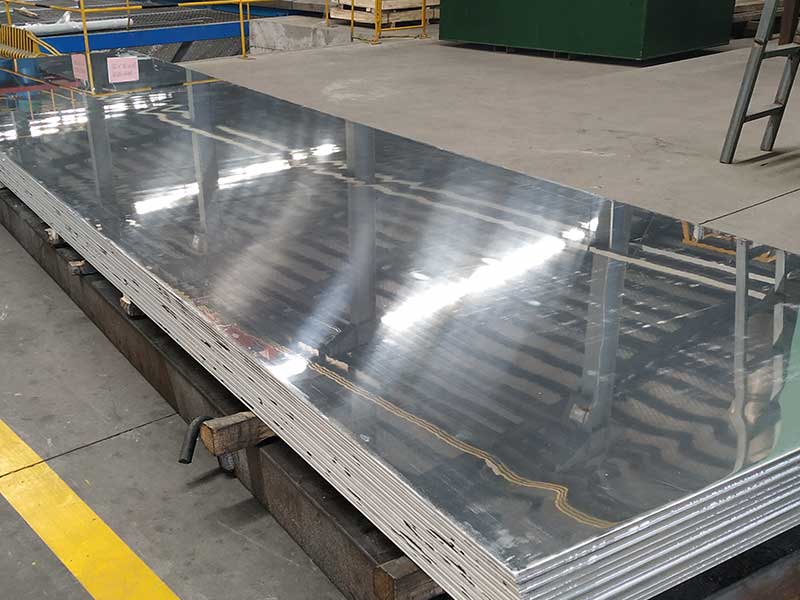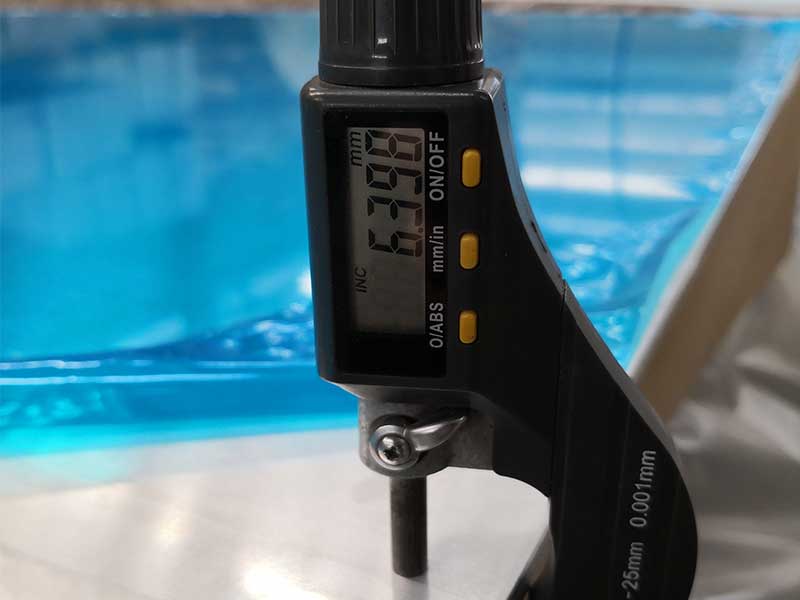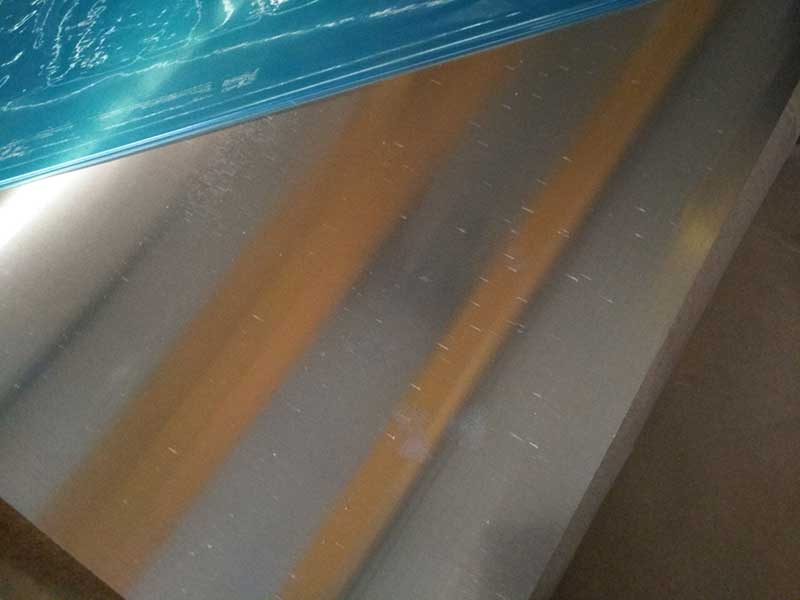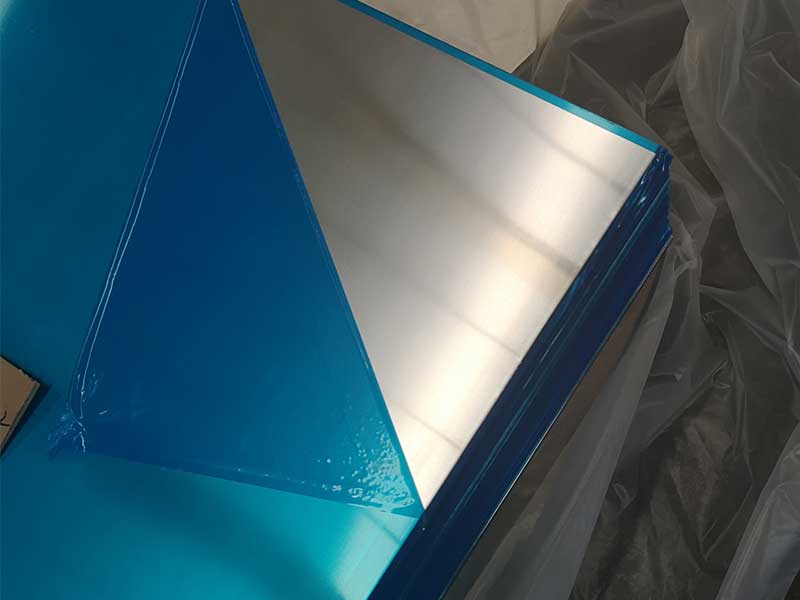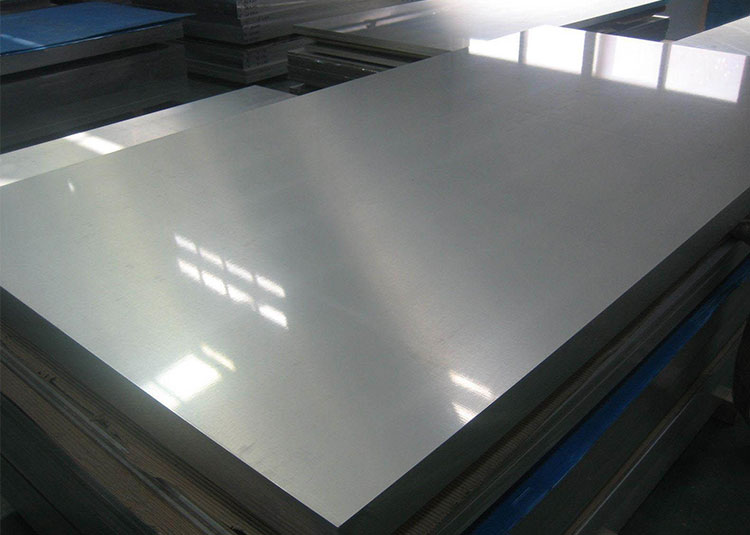

2mm thick alloy 3105 5052 5754 h111 aluminum sheet
For customers who need lightweight, durable, and formable material for demanding projects, 2mm thick alloy 3105, 5052, and 5754 H111 aluminum sheets offer a versatile solution.
Each alloy targets slightly different needs:
- 3105 – Non‑heat‑treatable, moderate strength, very good formability, excellent for painted and architectural use.
- 5052 – Medium‑high strength, excellent corrosion resistance, especially in marine environments.
- 5754 – Higher strength than 5052 in many conditions, outstanding corrosion resistance, ideal for automotive and structural applications.
All three in H111 temper are slightly strain‑hardened and then annealed to provide a good balance of strength and formability, especially suitable for bending, drawing, and forming at 2mm thickness.
Typical Chemical Composition
Values below are typical ranges (in weight %) for flat‑rolled sheet products. Exact limits may vary slightly by standard (EN, ASTM, GB) and supplier.
Alloy 3105
| Element | Si | Fe | Cu | Mn | Mg | Cr | Zn | Ti | Others (each) | Al |
|---|---|---|---|---|---|---|---|---|---|---|
| % | ≤0.6 | ≤0.7 | 0.2–0.4 | 0.3–0.8 | ≤0.3 | – | 0.2–0.8 | – | ≤0.05 | Balance |
Alloy 5052
| Element | Si | Fe | Cu | Mn | Mg | Cr | Zn | Ti | Others (each) | Al |
|---|---|---|---|---|---|---|---|---|---|---|
| % | ≤0.25 | ≤0.40 | ≤0.10 | ≤0.10 | 2.2–2.8 | 0.15–0.35 | ≤0.10 | – | ≤0.05 | Balance |
Alloy 5754
| Element | Si | Fe | Cu | Mn | Mg | Cr | Zn | Ti | Others (each) | Al |
|---|---|---|---|---|---|---|---|---|---|---|
| % | ≤0.40 | ≤0.40 | ≤0.10 | ≤0.50 | 2.6–3.6 | ≤0.30 | ≤0.20 | ≤0.15 | ≤0.05 | Balance |
Technical Specifications (2mm, H111)
The following table summarizes the most relevant technical parameters for quick comparison. Values are typical reference data for 2mm H111 sheet.
| Property | Unit | 3105 H111 | 5052 H111 | 5754 H111 |
|---|---|---|---|---|
| Thickness | mm | 2.0 | 2.0 | 2.0 |
| Temper | – | H111 | H111 | H111 |
| Density | g/cm³ | ~2.73 | ~2.68 | ~2.67 |
| Tensile strength, Rm | MPa | 130–180 | 190–240 | 200–260 |
| Yield strength, Rp0.2 | MPa | 70–120 | 90–160 | 80–160 |
| Elongation (A50) | % | 12–20 | 14–22 | 14–22 |
| Brinell hardness (HBW) | – | ~35–45 | ~55–65 | ~60–70 |
| Modulus of elasticity | GPa | ~69 | ~70 | ~70 |
| Thermal conductivity | W/m·K | ~160 | ~138 | ~130 |
| Electrical conductivity | % IACS | ~45 | ~35 | ~32 |
| Coefficient of thermal expansion | 10⁻⁶ /K | ~23 | ~24 | ~24 |
| Weldability (MIG/TIG) | – | Good | Excellent | Excellent |
| Corrosion resistance (general) | – | Good | Very good | Excellent |
| Paint / coating adhesion | – | Excellent | Very good | Very good |
| Formability (bending, drawing) | – | Excellent | Very good | Very good |
Mechanical Performance at 2mm
2mm sheets in H111 temper are optimized for shaping and bending rather than maximum strength. This makes them particularly suitable where:
- Complex profiles are required
- Edge cracking must be minimized
- Subsequent surface finishing (painting, anodizing) is planned
Typical Bending Behavior (2mm, recommended minimum bend radius)
| Alloy | Temper | Bend direction vs. rolling | Inside radius (approx.) | Note |
|---|---|---|---|---|
| 3105 | H111 | Parallel / transverse | ≥ 1.0 × thickness | Very easy bending |
| 5052 | H111 | Parallel / transverse | ≥ 1.0–1.5 × thickness | Good for tight radii |
| 5754 | H111 | Parallel / transverse | ≥ 1.0–1.5 × thickness | Good for structural shaping |
Actual bend capability depends on tooling, grain direction, and fabrication method, but H111 provides a generous forming window for 2mm thickness.
Surface Quality and Finish Options
2mm alloy 3105 / 5052 / 5754 H111 sheets can be supplied:
- Mill‑finish
- Brushed / satin finish
- Anodized (mainly 5052 / 5754)
- Painted / coil‑coated (especially 3105 for architectural use)
Surface & Coating Compatibility
| Alloy | Anodizing quality | Painting / powder coating | Typical visual result |
|---|---|---|---|
| 3105 | Fair–Good | Excellent | Smooth, stable color; ideal for facades |
| 5052 | Very good | Very good | Uniform anodized layer, matte–satin |
| 5754 | Very good | Very good | Stable color in outdoor exposure |
Features by Alloy
Alloy 3105 – For Architectural and General Sheet Work
| Feature | Description |
|---|---|
| Strength level | Low–medium; adequate for cladding and non‑structural panels |
| Formability | Very high; ideal for roll forming, stamping, and bending |
| Corrosion resistance | Good in normal atmospheric conditions |
| Surface treatment | Excels in painting and coil coating |
| Typical thickness here | 2mm; rigid enough for panel flatness, still easy to form |
Typical advantages at 2mm:
- Stable panel geometry with low weight
- Smooth surface for decorative coatings
- Low risk of cracking during tight bends
Alloy 5052 – Marine‑Grade, Medium Strength
| Feature | Description |
|---|---|
| Strength level | Medium; higher than 3105 |
| Corrosion resistance | Very good in marine and industrial atmospheres |
| Weldability | Excellent; widely used for tanks, boats, and welded structures |
| Fatigue resistance | Better than many other non‑heat‑treatable alloys |
| Typical use of 2mm | Hull plating, enclosures, protective covers, light structural components |
Advantages of 2mm 5052 H111:
- Light but robust for marine panels and fairings
- Easy TIG/MIG welding without serious loss of corrosion resistance
- Good bending for flanges, stiffeners, and curved profiles
Alloy 5754 – Automotive and Structural Choice
| Feature | Description |
|---|---|
| Strength level | Medium–high among non‑heat‑treatable alloys |
| Corrosion resistance | Excellent, especially vs. seawater and chlorides |
| Dimensional stability | Good for structural and load‑carrying panels |
| Crash / energy absorption | Suitable for automotive body and chassis components |
| Typical use of 2mm | Floor plates, body panels, truck / bus side walls, protective structures |
Advantages of 2mm 5754 H111:
- Higher stiffness than 3105 at same thickness
- Excellent for dynamic loads and vibration‑exposed parts
- Well suited for painted or anodized exterior panels
Typical Applications of 2mm Alloy 3105 / 5052 / 5754 H111 Sheets
Construction & Architecture
| Alloy | Typical 2mm Uses |
|---|---|
| 3105 | Curtain walls, soffits, roofing panels, interior wall linings |
| 5052 | Exterior door skins, balcony cladding, stair stringers |
| 5754 | Facade elements requiring higher stiffness, external cladding |
Reasons to choose 2mm:
- Enough thickness to limit oil‑canning in visible panels
- Easy handling and cutting on site
- Compatible with standard fasteners and adhesives
Transportation & Automotive
| Alloy | Typical 2mm Uses |
|---|---|
| 3105 | Interior panels, decorative trims, non‑structural housings |
| 5052 | Boat hulls and decks, trailer side panels, caravan furniture and skins |
| 5754 | Car body panels, floor plates, bus and truck side walls, wheelhouse liners |
Benefits:
- Lightweight construction for fuel and energy savings
- Good impact and fatigue behavior in dynamic use
- Simple fabrication for small and large series production
Industrial, HVAC, and General Fabrication
| Alloy | Typical 2mm Uses |
|---|---|
| 3105 | Air‑conditioning covers, signage back plates, appliance body panels |
| 5052 | Tanks, cabinets, machine guards, marine equipment housings |
| 5754 | Frames, protective covers, structural trays, platforms, chemical‑resistant panels |
Why 2mm is popular:
- Readily laser‑cut, punched, or sheared
- Stiff enough for flat covers and doors without heavy reinforcement
- Good compromise between weight and mechanical performance
Processing & Fabrication Notes
Cutting & Forming
| Process | Suitability for 2mm 3105 | Suitability for 2mm 5052 | Suitability for 2mm 5754 | Notes |
|---|---|---|---|---|
| Shearing | Excellent | Excellent | Excellent | Clean sheared edges when tools are sharp |
| Laser cutting | Excellent | Excellent | Excellent | Minimal distortion at 2mm thickness |
| Punching | Excellent | Very good | Very good | Use proper clearance to avoid burrs |
| Deep drawing | Excellent | Very good | Very good | 3105 preferred for complex, deep forms |
| Bending | Excellent | Very good | Very good | H111 supports tight radii with low crack risk |
Welding
| Alloy | Weldability (MIG/TIG) | Typical Filler Alloys | Remarks |
|---|---|---|---|
| 3105 | Good | 4043, 4047 | Color match may differ after anodizing |
| 5052 | Excellent | 5356, 5183, 5556 | Prefer 5xxx fillers in marine use |
| 5754 | Excellent | 5356, 5183, 5556 | Maintains good strength in weld zone |
2mm thickness allows easy full‑penetration welds with moderate heat input and reduced distortion.
| Requirement / Priority | Recommended Alloy | Reason |
|---|---|---|
| Best paintability & decorative panels | 3105 H111 | Excellent coating adhesion and easy forming |
| Marine and chemical resistance | 5052 H111 or 5754 H111 | Mg‑rich alloys with superior corrosion resistance |
| Higher strength, structural panels | 5754 H111 | Better stiffness and load‑carrying capability |
| Deep drawing & complex shapes | 3105 H111 | Softer, more forgiving in severe forming |
| Welded tanks, boat structures | 5052 H111 / 5754 H111 | Excellent weldability and fatigue resistance |
For many projects, combining these alloys at the same 2mm thickness across different components delivers the best technical and economic balance:
- 3105 for visible, coated, non‑structural panels
- 5052 for welded and marine‑exposed parts
- 5754 for more heavily loaded, structural elements
This flexible approach lets you optimize weight, cost, and durability while maintaining a consistent 2mm sheet thickness throughout your design.
https://www.al-alloy.com/a/2mm-thick-alloy-3105-5052-5754-h111-aluminum-sheet.html