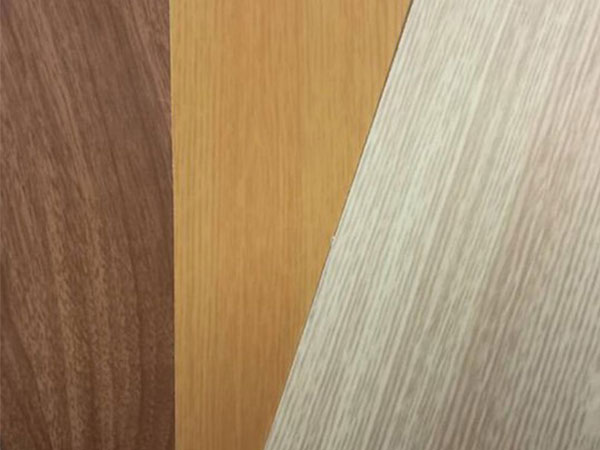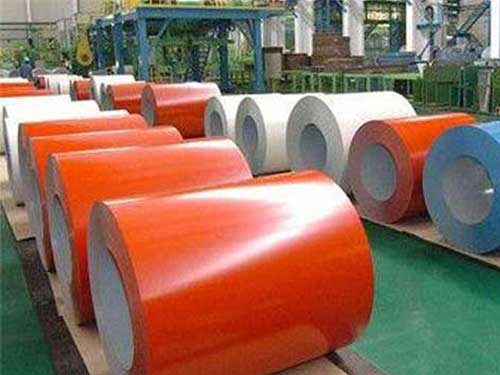

Prepainted 1050 1060 0.72mm color coated aluminum coil
Prepainted 1050 1060 0.72mm Color Coated Aluminum Coil: Where Purity Meets Precision
In the world of architectural skins, appliance shells and lightweight engineering panels, prepainted aluminum is often discussed as a generic category. Yet when you narrow the focus to prepainted 1050 and 1060 alloys at a precise gauge of 0.72 mm, a very specific material character emerges: ultra‑clean, highly formable, electrically conductive and surprisingly robust once married to the right paint system. This is not just “another color coated coil”; it is a finely tuned laminate of pure metal and engineered coating, designed to bridge aesthetics, manufacturability and performance.
Why 1050 / 1060 for Color Coating?
Alloys 1050 and 1060 sit at the high‑purity end of the aluminum family. Both are non‑heat‑treatable, essentially work‑hardened alloys with aluminum contents exceeding 99.5%. That alone gives them a personality quite different from the common 3003 or 3004 architectural alloys.
From a metallurgical standpoint, these alloys are defined mainly by their minimal alloying additions. Typical composition ranges:
| Element | 1050 (wt. %) | 1060 (wt. %) |
|---|---|---|
| Al (min.) | 99.50 | 99.60 |
| Si | ≤ 0.25 | ≤ 0.25 |
| Fe | ≤ 0.40 | ≤ 0.35 |
| Cu | ≤ 0.05 | ≤ 0.05 |
| Mn | ≤ 0.05 | ≤ 0.03 |
| Mg | ≤ 0.05 | ≤ 0.03 |
| Zn | ≤ 0.07 | ≤ 0.05 |
| Ti | ≤ 0.05 | ≤ 0.03 |
| Others (each) | ≤ 0.03 | ≤ 0.03 |
| Others (total) | ≤ 0.10 | ≤ 0.10 |
In practice, users choose 1050 or 1060 prepainted coils for three core reasons.
First, outstanding formability. With limited alloying, these grades exhibit low yield strength and excellent elongation, particularly in soft tempers such as O, H14 or H24. That means the 0.72 mm coil can be deep drawn, bent at tight radii, roll‑formed or profiled without unpredictable cracking or orange peel.
Second, superior conductivity. Electrical conductivity typically exceeds 55% IACS, and thermal conductivity is correspondingly high. When combined with a carefully designed organic coating, you get panels that look decorative yet quietly function as thermal cladding, EMI shielding covers or heat‑spreading skins.
Third, intrinsic corrosion resistance. High‑purity aluminum forms a stable oxide layer and, when professionally pretreated, accepts and locks in coil coatings very effectively, especially in benign or mildly industrial atmospheres.
The 0.72 mm Gauge: Not an Accident, a Design Choice
At first glance, specifying 0.72 mm seems oddly precise. In production reality, though, such a gauge is often the sweet spot between three competing forces: stiffness, weight and processability.
At 0.72 mm, a color coated 1050 / 1060 strip has enough section modulus to span small distances without oil canning, yet remains light enough for hand handling on site. It also passes easily through common roll‑forming lines without requiring heavy‑duty adjustment, and it resists edge waviness better than thinner gauges when coated at typical paint thicknesses of 20–30 μm per side.
Mechanically, the sheet can be tailored through temper selection. Typical mechanical properties range:
| Alloy / Temper | Tensile Strength (MPa) | Yield Strength (MPa) | Elongation A50 (%) |
|---|---|---|---|
| 1050-O | 60–100 | 20–30 | 25–35 |
| 1050-H24 | 100–145 | 65–100 | 5–15 |
| 1060-O | 60–100 | 18–28 | 25–35 |
| 1060-H24 | 100–140 | 60–95 | 5–15 |
Soft tempers are preferred for deep drawing, spinning and complex stamping. Half‑hard tempers provide more stiffness for façade panels, soffit cladding and tray profiles. At 0.72 mm thickness, both behaviors are available simply by temper selection, while leaving alloy and color system unchanged.
Beyond “Just Paint”: The Coil Coating Stack
Color coating is not merely pouring paint onto aluminum. For high‑purity alloys such as 1050 and 1060, the interface chemistry between metal and coating is critical. A typical prepainted stack includes:
Pretreatment layer. After alkaline degreasing and brushing, the strip receives a chemical conversion layer. Depending on regulations and customer requirements, this can be a chromium‑free zirconium, titanium or silane‑based system. On pure aluminum, this layer dramatically improves wet adhesion and filiform corrosion resistance, giving the thin 0.72 mm substrate durability that belies its gauge.
Primer coat. Applied by roller, the primer is usually an epoxy‑ or polyester‑modified system, around 5–10 μm thick. It balances adhesion, flexibility and corrosion protection. For tight post‑forming (for example, U‑bends at small radii), primers are tuned for high elongation to avoid microcracking on the tension side.
Topcoat. Here the application dictates the chemistry. For interior ceilings, HVAC casings or appliance liners, polyester or modified polyester is sufficient, offering good gloss retention and color range at reasonable cost. For exterior architectural cladding, PVDF (polyvinylidene fluoride) systems at 70% resin content are favored for their exceptional chalk resistance and UV stability. Polyurethane hybrids fill the gap where abrasion resistance and flexibility must be balanced against budget.
Back coat. Often a thin polyester or epoxy backer, 5–8 μm, primarily for corrosion protection and line lubrication, sometimes tinted for easy identification in fabrication shops.
When these coatings are cured in a continuous oven, they crosslink into a durable film that protects the comparatively soft 0.72 mm 1050 / 1060 core without sacrificing the alloy’s native advantages.
A Distinctive View: The Coil as a Functional Laminate
From a design engineer’s viewpoint, it is useful to think of prepainted 1050 / 1060 coil not as “metal with paint,” but as a functional laminate with distinct roles assigned to each layer.
The aluminum core is the structural and thermal backbone. It carries loads, spreads heat and provides electrical continuity for grounding and shielding.
The conversion and primer layers act as chemical translators, reconciling the inorganic oxide surface with the organic topcoat molecule by molecule.
The topcoat is the environmental interface. It negotiates with UV, moisture, abrasion and cleaning chemicals, while also serving as the visual identity of the product or building.
Consider an HVAC duct panel made from 0.72 mm prepainted 1060‑H24. The coil’s high thermal conductivity quietly reduces hotspots along the duct surface, aiding more stable air delivery. The coating reflects or absorbs radiation depending on its color and gloss, influencing overall system energy efficiency. At the same time, the smooth prepainted surface resists dust adhesion and simplifies cleaning, delaying biofilm formation in sensitive environments like hospitals.
This systems‑thinking approach explains why 1050 / 1060 prepainted coils are increasingly specified in applications that once defaulted to bare mill finish.
Feature Set in Real Use
Several performance characteristics is know once the material leaves the coil and enters production.
Forming behavior. At 0.72 mm, panels can be lock‑formed, snap‑joined or crimped without excessive springback, especially in H24 temper. Coating formulations are selected to maintain adhesion after 180° T‑bend tests, often down to T0–T1 for interior applications and T2–T3 for more demanding exterior systems.
Surface stability. The coil coating line delivers consistent gloss, color and thickness along kilometers of strip. This continuity reduces patchwork effect on façades and ensures appliance OEMs can maintain color continuity across model years by referencing standardized RAL or custom shades.
Corrosion performance. With proper pretreatment and topcoat, 1050 and 1060 coils regularly exceed 500 hours in neutral salt spray and 1000 hours in humidity tests, depending on coating system. In rural and light urban atmospheres, service life can extend beyond two decades for PVDF‑coated cladding, even with the relatively soft core alloy.
Eco‑compatibility. The high aluminum content makes recycling straightforward. Coil coating lines operate with high transfer efficiency and controlled VOC abatement, so the lifecycle footprint is relatively low compared to post‑painted fabrication routes.
Applications: Where the Material Shines
The balance of purity, gauge and coating technology positions prepainted 1050 / 1060 0.72 mm coil in several niches.
In building envelopes, it appears as exterior soffit panels, curtain wall infill sheets, interior ceiling systems, column wraps and signage fascias. The lightweight 0.72 mm sheet eases installation on suspended grids or secondary steel, while PVDF coatings provide enduring color stability for corporate identities and public buildings.
In HVAC and ventilation systems, the alloy’s conductivity and cleanability make it ideal for ducts, plenums, fan casings and rooftop unit panels. Light reflective white or metallic coatings optimize luminance and visibility during maintenance inside plenums and plant rooms.
In appliance and equipment casings, prepainted 0.72 mm coil becomes the skins of air purifiers, dehumidifiers, water heaters, cleanroom panels and electrical enclosures. The soft core cushions vibration, the coating resists household chemicals, and the consistent thickness ensures reliable fit with plastic frames and internal brackets.
In transport, although not a structural grade, 1050 / 1060 prepainted coils serve as interior wall liners, luggage compartment panels and ceiling lamellas in buses, trains and modular cabins. The thin gauge minimizes weight while the coating offers graffiti resistance and easy cleaning.
Implementation Standards and Quality Control
To realize the performance potential described above, production typically aligns with standards such as EN 485 and EN 573 for chemical composition and mechanical properties, EN 1396 for coil coated aluminum strip and ISO/ASTM standards for paint testing, including cross‑hatch adhesion, impact resistance and accelerated weathering.
Color consistency is monitored via spectrophotometers, with ΔE tolerances agreed per project. Film thickness is measured continuously by non‑contact gauges to ensure that the nominal 0.72 mm metal plus coating stack remains within tolerance bands that downstream tooling expects.
Edge quality, flatness and residual oil levels are also controlled. With soft, pure alloys, even small deviations can translate into wrinkling or feeding issues in high‑speed presses and roll formers. Well‑tuned coil lines counter this with tension leveling and careful winding tension control.
Viewed from this distinctive, multi‑layered perspective, prepainted 1050 / 1060 0.72 mm color coated aluminum coil is not a commodity, but a highly engineered interface material. It connects architectural vision with manufacturing reality and marries the quiet virtues of pure aluminum—conductivity, formability, recyclability—with the expressive possibilities of modern coil coatings.
https://www.al-alloy.com/a/prepainted-1050-1060-072mm-color-coated-aluminum-coil.html