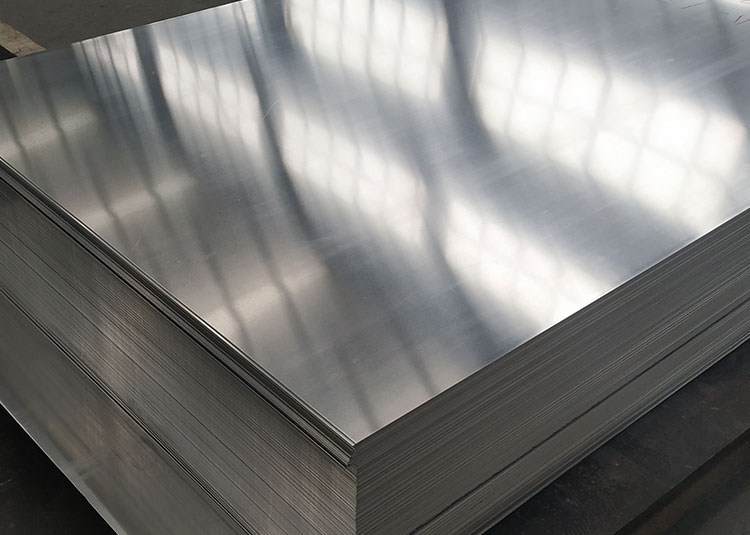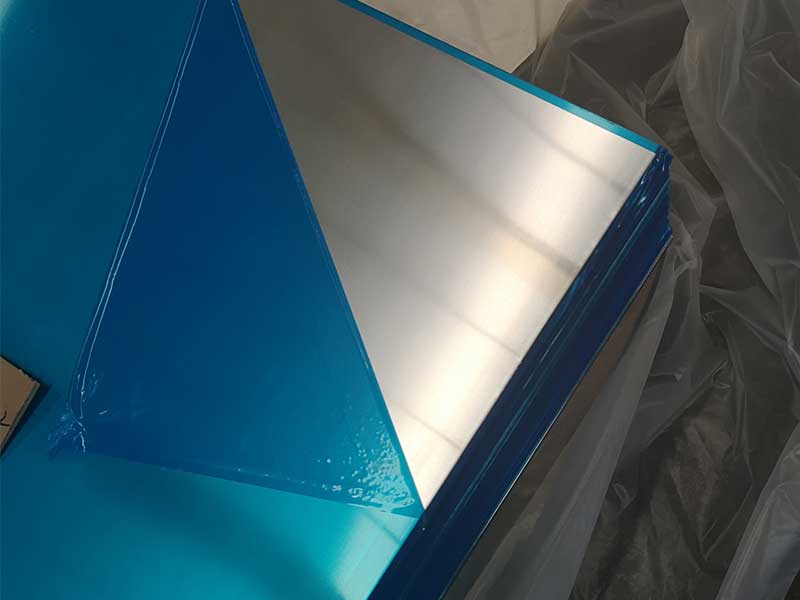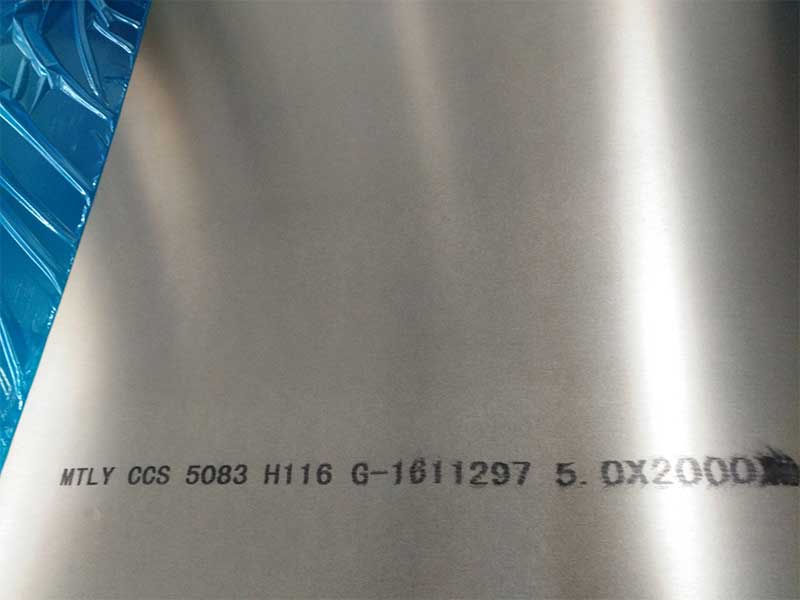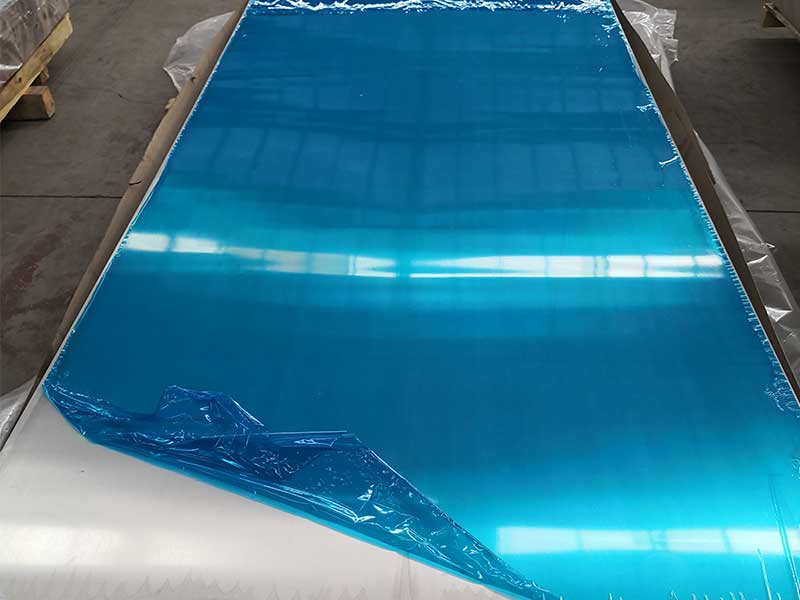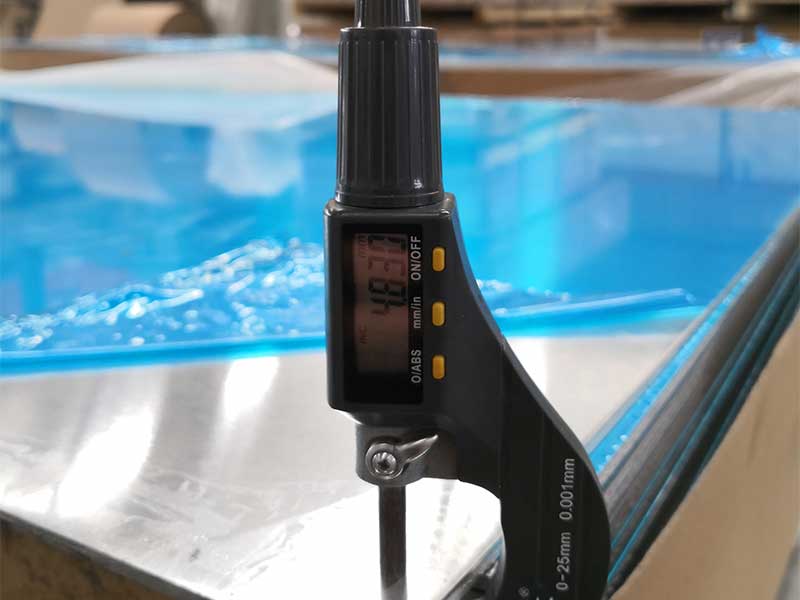

0.5mm Thickness Aluminum Plate
The 0.5mm thickness aluminum plate stands out as a versatile and efficient material used in numerous industrial and commercial applications. Known for its exceptional strength-to-weight ratio, corrosion resistance, and easy machinability, this thin aluminum plate packs numerous benefits into a lightweight yet durable form.
A 0.5mm aluminum plate refers to an aluminum sheet or panel with a precise thickness of half a millimeter. This thin aluminum plate balances durability with flexibility, making it ideal for applications where lightweight material offers an added advantage without compromising mechanical performance.
Aluminum, being inherently corrosion-resistant, forms a protective oxide coating naturally when exposed to air, significantly reducing maintenance costs. Additionally, this 0.5mm plate has excellent thermal and electrical conductivity, reflective surfaces, and ease of surface finishing, which boost its value across different industries.
The main functions and benefits of the 0.5mm aluminum plate include:
- High strength and durability while maintaining a very low weight.
- Superior corrosion and weather resistance, ideal for outdoor applications.
- Excellent formability and machinability due to its thinness and material properties.
- Good electrical and thermal conductivity, allowing use in electronics and heat exchangers.
- Easy to weld, cut, or anodize, broadening manufacturing possibilities.
- Recyclability and environmental sustainability when compared to heavier metal options.
Technical Specifications and Parameters
Where precise technical specifications are required, the 0.5mm aluminum plate conforms to industry standards for chemical composition, mechanical properties, and temper designations. Below is an overview summarizing these details for commonly used 0.5mm aluminum alloys.
| Parameter | Details |
|---|---|
| Thickness | 0.5 mm (±0.03 mm variance possible) |
| Standard Dimensions | Width up to 2000 mm, Length as per client requirement |
| Density | Approximately 2.70 g/cm³ |
| Surface Finish | Mill finish, brushed, anodized |
| Standard Compliances | ASTM B209, EN 485, JIS H4100 |
Alloy Options & Temper Conditions
Common alloys for 0.5mm aluminum plates are selected based on the balance of strength, corrosion resistance, and processing properties.
| Alloy | Temper | Description | Tensile Strength (MPa) | Elongation (%) |
|---|---|---|---|---|
| 1050 | O (Annealed) | Commercially pure aluminum | 40–55 | 35–45 |
| 3003 | H14 | Excellent corrosion resistance, good workability | 110–130 | ~20 |
| 5052 | H32 | High strength and better corrosion resistance | 210–240 | 10–12 |
| 6061 | T4/T6 | High mechanical strength with good corrosion | 290–310 | 10–12 |
Chemical Properties and Alloy Composition
The chemical composition varies slightly based on alloy type but primarily includes aluminum and trace elements like silicon, magnesium, iron, manganese, copper, and zinc. These elements influence the properties of each specific alloy.
| Element | 1050 (%) | 3003 (%) | 5052 (%) | 6061 (%) |
|---|---|---|---|---|
| Aluminum (Al) | ≥ 99.5 | ≥ 96.8 | ≥ 97.25 | 97.9 – 99.0 |
| Silicon (Si) | ≤ 0.25 | ≤ 0.6 | ≤ 0.4 | 0.4 – 0.8 |
| Iron (Fe) | ≤ 0.4 | ≤ 0.7 | ≤ 0.4 | ≤ 0.7 |
| Copper (Cu) | ≤ 0.05 | ≤ 0.05 | ≤ 0.1 | 0.15 – 0.4 |
| Magnesium (Mg) | ≤ 0.03 | ≤ 1.0 | 2.2 – 2.8 | 0.8 – 1.2 |
| Manganese (Mn) | ≤ 0.05 | 1.0 – 1.5 | ≤ 0.1 | ≤ 0.15 |
| Zinc (Zn) | ≤ 0.05 | ≤ 0.1 | ≤ 0.25 | 0.25 – 0.4 |
Applications
Electronics and Electrical Industry
Thanks to its excellent electrical conductivity and thin form factor, 0.5mm aluminum plates are widely used in the manufacture of components such as circuit boards, electromagnetic shielding materials, and housings for electrical enclosures.
Aerospace and Automotive
The combination of lightweight weight and good mechanical strength enables use in aircraft panels and car body parts where reducing overall weight is crucial to improving fuel efficiency without compromising structural integrity.
Packaging
Thin aluminum sheets make excellent packaging materials for food, pharmaceuticals, and consumer goods due to excellent barrier properties against moisture, oxygen, and contamination.
Construction and Architecture
Corrosion-resistance and appealing surface finishing allow its use in facade cladding, roofing, interior decorations, ceiling panels, signage, and sunshades-areas where weather durability and aesthetics are key.
Heat Exchangers and Cooling Systems
Aluminum's high thermal conductivity makes these thin plates promising materials for heat transfer surfaces, radiators, and cooling fins in both industrial and consumer-grade products.
Manufacturing and Quality Control
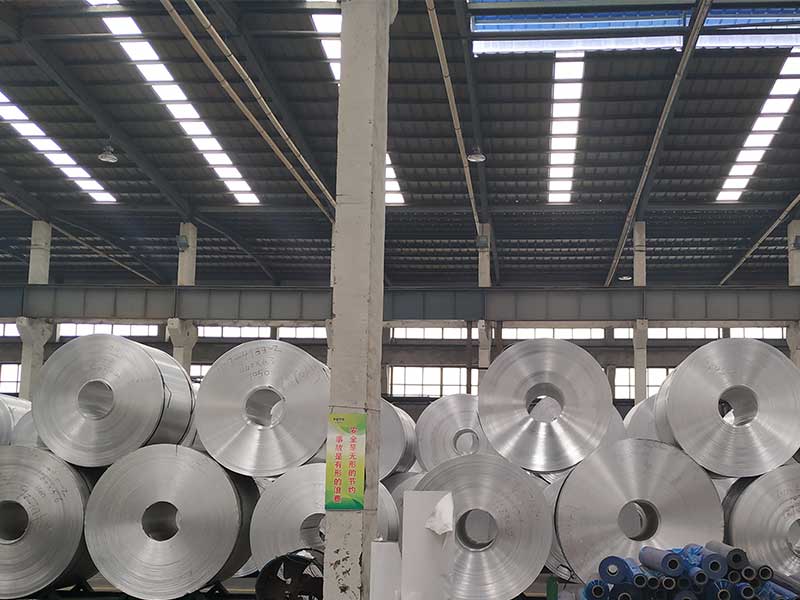
High precision manufacturing processes including cold rolling, annealing, and finishing are employed to deliver smooth, consistent 0.5mm plates that meet or exceed industry standards. Surface defects and thickness uniformity undergo rigorous quality checks to ensure conformity.
Common evaluation standards followed include ASTM B209 (Standard Specification for Aluminum and Aluminum-Alloy Sheet and Plate), which guarantees proper material performance characteristics.
https://www.al-alloy.com/a/05mm-thickness-aluminum-plate.html