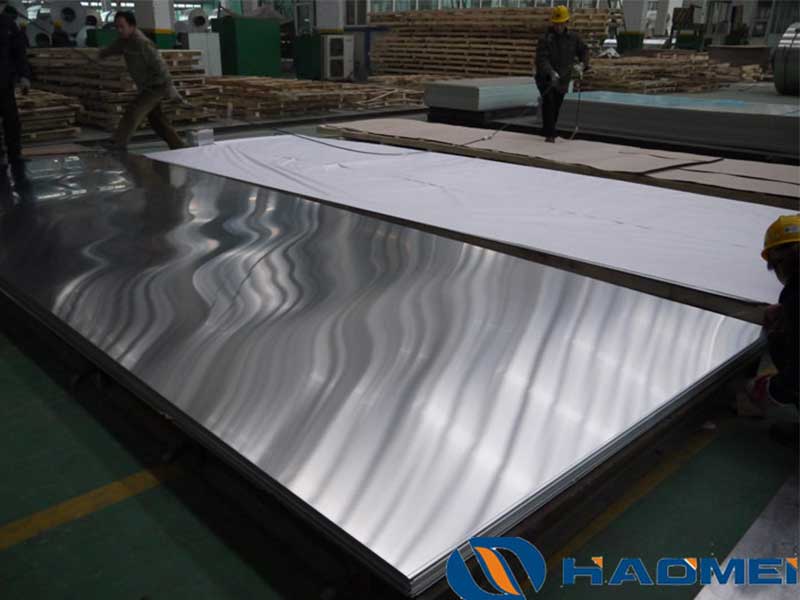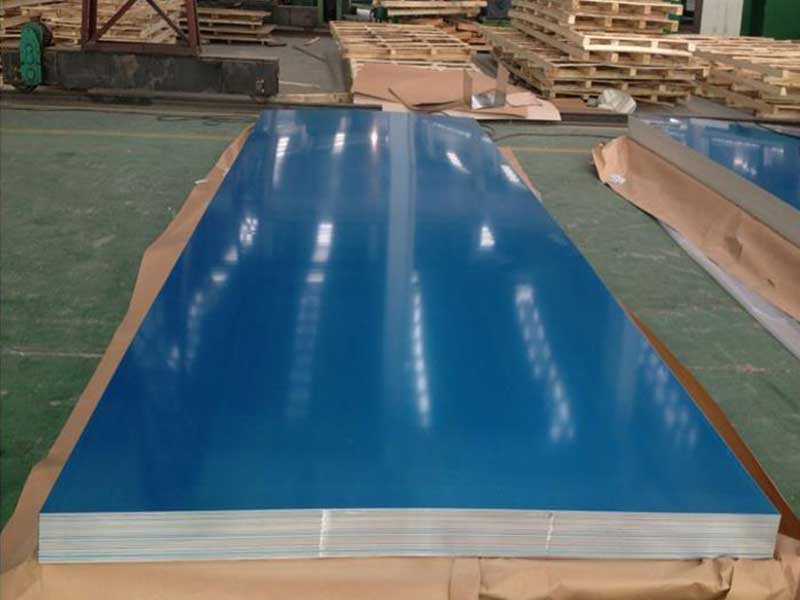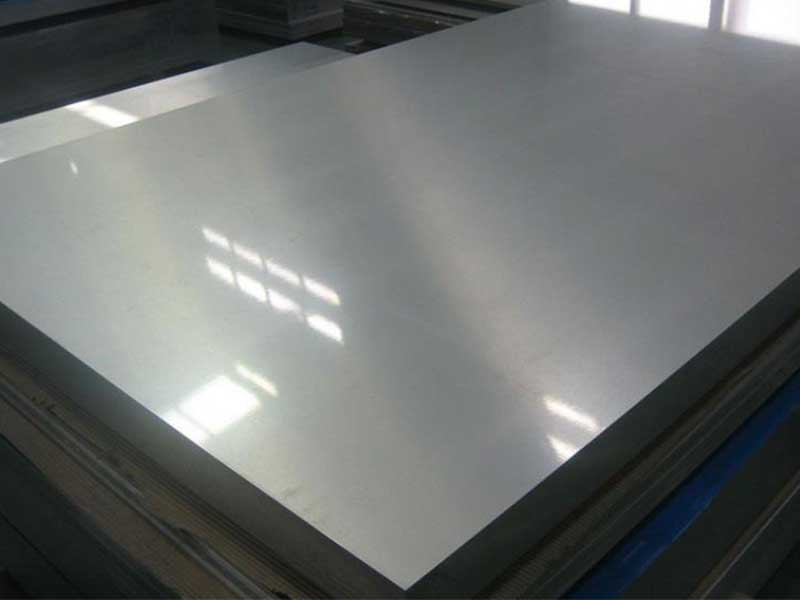

3mm 4mm 1050 anodized aluminum plate for ceiling
3mm / 4mm 1050 Anodized Aluminum Plate for Ceiling
A practical, engineering-level overview for quick decision‑making
Using 3mm and 4mm 1050 anodized aluminum plate for ceilings isn’t just a design choice—it’s a strategic way to control weight, safety, cleanliness, and durability in a building. Below is a clear, technical yet readable guide to help you decide if this is the right ceiling material for your project.
1. What Makes 1050 Aluminum Special for Ceilings?
Alloy 1050 is a high‑purity aluminum (≥99.5% Al) from the 1xxx series. Its ceiling advantage:
- Very light
- Excellent corrosion resistance
- High reflectivity
- Easy to form and install
- Best price range compared with more alloyed grades
When anodized, the surface forms a controlled aluminum oxide layer that is:
- Harder than raw aluminum
- More scratch‑resistant
- More color‑stable
- Easier to clean
For ceiling systems (especially in public or commercial buildings), this means:
- Reduced maintenance
- Clean appearance over time
- Lower structural load on suspension systems and sub‑frame
2. Why 3mm and 4mm Thickness Are Common
From a ceiling-engineering standpoint, 3mm and 4mm 1050 anodized plates sit at the balance point of:
Rigidity vs. Weight
- 3mm:
- Good flatness for small–medium panels
- Lower weight for large-area, suspended ceilings
- Preferred for interior decorative ceilings and cassette panels
- 4mm:
- Higher bending stiffness for larger modules or open‑edge designs
- Better resistance to deformation from air pressure (HVAC, negative/positive pressure)
- Often used in high-traffic public spaces or where strong access panels are required
- 3mm:
Installation & Cost
- 3mm saves on metal cost and frame load
- 4mm can reduce need for dense suspension points or stiffeners
In many ceiling design specs:
- Small tile ceilings: 3mm
- Long-span or wide-panel ceilings: 4mm
3. Typical Functions in Ceiling Applications
3.1 Architectural & Visual Functions
- Smooth, stable surface: Easy to achieve flat ceilings with clear lines
- High reflectance: Improves ambient lighting, reduces need for artificial lighting
- Consistent color & gloss: Anodizing gives uniform tone across large areas
3.2 Functional & Technical Roles
Lightweight cladding
- Minimizes load on hangers, carriers and base structure
- Ideal for renovations where existing building structure is limited
Durability
- Anodic layer is abrasion‑resistant and non‑peeling
- No paint flaking, which is critical over working spaces, machinery, food zones
Corrosion Resistance
- Excellent performance in normal interiors
- Very good in humid environments (changing rooms, pools, underground passages)
- Compared with steel, avoids rust transfer and staining
Ease of cleaning
- Static-free smooth anodic film retains less dust
- Resistant to most mild cleaning chemicals (check compatibility with strong alkali)
Non‑combustible Metal Base
- Aluminum itself is non-combustible; anodized layer is inorganic
- Final ceiling system fire rating depends on full system (insulation, backing, etc.)
4. Main Application Scenarios
4.1 Commercial & Public Buildings
- Airports, stations, subways
- Shopping centers, exhibition halls
- Office buildings, lobbies
Benefits: light weight, access for M&E/C services above the ceiling, easy maintenance.
4.2 Clean & Controlled Environments
- Food processing and packaging plants
- Pharmaceutical and cosmetics production areas
- Electronic assembly and data center ceilings
Why 1050? Non‑toxic, no paint off‑gassing; smooth anodized finish helps hygiene and dust control.
4.3 Infrastructure & Public Corridors
- Underground passageways
- Corridor coverings
- Bus terminals and platforms
Strong, visually consistent ceilings over long runs; 4mm perform better on wider spans.
4.4 Decorative & Design‑Driven Spaces
- Feature ceilings in hotels and galleries
- Acoustic ceilings as visible face over acoustic material
Can be perforated (3mm/4mm thickness maintains rigidity) to integrate acoustic fleece and lighting.
5. Technical Parameters (Typical Ranges)
Actual specs will vary by manufacturer and project standard, but for 3mm / 4mm 1050 anodized ceiling plates:
1) Dimensions
- Thickness: 3.0 mm, 4.0 mm (core focus)
- Width: commonly 300–1500 mm (wider by agreement)
- Length: typically 600–6000 mm, or per drawing
- Flatness: normally ≤ 2 mm per 2000 mm length (after leveling)
2) Anodizing Specifications
- Type: Anodic oxidation, mostly AC sulfuric acid anodizing
- Typical film thickness:
- Interior ceilings: 8–15 μm
- More demanding or humid conditions: 15–20 μm
- Finish:
- Matte, satin, brushed, or bright
- Natural silver, champagne; coloring options via electrolytic or organic sealing
- Sealing:
- Hot water or nickel salt sealing to improve corrosion and stain resistance
3) Alloy & Temper (State)
- Alloy: 1050 / 1050A
- Temper (hardness/malleability sets):
- H14: half‑hard – good balance of strength and formability
- H24: similar strength as H14 plus controlled partial annealing – stable for forming
- H18: full‑hard – high strength but less formable; used for flat panels, not deep-formed
For most ceiling panels that require rolling, bending and maybe light pressing or perforating, 1050 H14/H24 is common.
4) Mechanical Properties (Typical for Ceilings – Indicative)
- Tensile strength Rm: 60–105 MPa (depending on temper)
- Yield strength Rp0.2: ~30–95 MPa
- Elongation (A50): ~5–30% (higher in softer temper)
- Modulus of elasticity: ~70 GPa
(These guide panel-sag, fixing spacing, and span calculations.)
6. Chemical Composition of 1050 Aluminum (Typical Limits)
| Element | Symbol | Content (wt.%) |
|---|---|---|
| Aluminum (min.) | Al | ≥ 99.50 |
| Silicon + Iron | Si + Fe | ≤ 0.40 |
| Copper | Cu | ≤ 0.05 |
| Manganese | Mn | ≤ 0.05 |
| Magnesium | Mg | ≤ 0.05 |
| Zinc | Zn | ≤ 0.07 |
| Titanium | Ti | ≤ 0.05 |
| Others (each) | – | ≤ 0.03 |
| Others (total) | – | ≤ 0.10 |
High aluminum purity directly supports:
- Stable anodizing layer (clearer, more uniform)
- High reflectivity
- Reliable corrosion behavior in indoor atmospheres
7. Implementation Standards & Quality References
Most manufacturers align production and testing with combinations of:
Aluminum Alloy Plate/Base Material
- ASTM B209 (USA standard)
- EN 485 / EN 573 (European aluminum and mechanical properties standards)
- GB/T 3190, GB/T 3880 (China)
Anodizing Quality
- ISO 7599 (General anodizing of aluminum)
- Qualanod (where applicable) for architectural anodizing requirements
- Internal enterprise standards for film thickness, color tolerance and seal quality
Typical inspections for ceiling plates:
- Thickness and dimension tolerance
- Surface quality (no severe scratches, color differences within tolerance)
- Anodic film thickness and sealing test (spot test/boiling water)
- Adhesion/abration if specified
Always request:
- Material certificate with alloy & temper
- Chemical composition report (or at least compliance with 1050 grade)
- Anodizing thickness and sealing report if needed for high-spec installations
8. Choosing Between 3mm and 4mm for Your Project
From a ceiling system design viewpoint:
Choose 3mm 1050 anodized aluminum plate if:
- Standard room sizes and smaller cassette modules
- Priority is weight and cost savings
- No large free‑spans; enough sub‑framing
- Mainly indoor, non‑aggressive environment
Choose 4mm 1050 anodized aluminum plate if:
- Long spans or oversized panels are required
- Heavier mechanical systems, ducts, and access requirements above ceilings
- High‑traffic public zones needing extra rigidity
- You want more “solid feel” and reduced risk of visible sag
9. Takeaways for Specifiers & Buyers
- 1050 anodized aluminum offers an excellent balance of corrosion resistance, aesthetics, formability and cost for ceilings.
- 3mm and 4mm thicknesses are tuned to real ceiling behavior: stiffness, span, weight, and visual flatness.
- Anodizing quality (film thickness, sealing, color consistency) is at least as important as base aluminum quality.
- Confirm alloy, temper, standards and surface specs on the quote and material certificates—this ensures long‑term performance and fewer surprises on site.
https://www.al-alloy.com/a/3mm-4mm-1050-anodized-aluminum-plate-for-ceiling.html