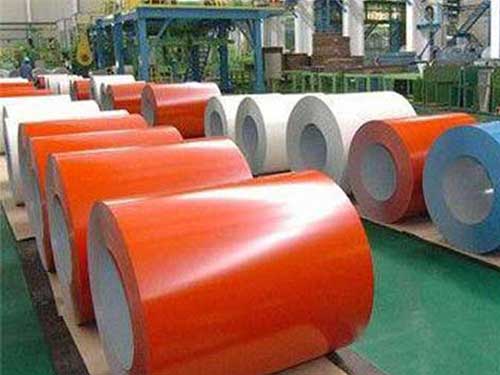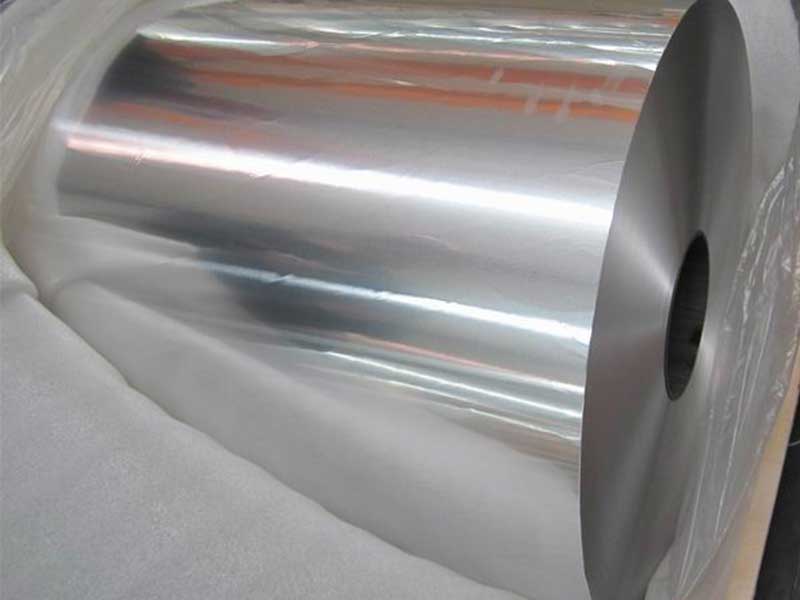

H22 H32 aluminium coil
H22 and H32 aluminium coils are strain-hardened and partially annealed tempers widely selected when you need repeatable formability, stable strength, and corrosion resistance in thin-gauge sheet and coil processing. They sit in a practical "sweet spot" between fully annealed material (maximum ductility) and hard tempers (maximum strength), making them highly valuable for roll forming, deep drawing, stamping, roofing/cladding, insulation jacketing, and general fabrication where shape retention and surface durability matter.
In production environments, the decision between H22 and H32 is often less about "good vs. better" and more about matching the forming severity and service loads to the correct temper-so you reduce cracking risk, control springback, and achieve consistent downstream yields.
1) What Do H22 and H32 Mean?
Both are H-temper designations, meaning the coil is strengthened primarily by strain hardening (cold work). The second digit defines the stabilization method:
- H22: strain-hardened and partially annealed to a 1/4-hard strength level
- H32: strain-hardened and stabilized (low-temperature thermal treatment) to a 1/4-hard strength level
Practical implication: H32 is commonly chosen when you want more stable mechanical properties over time and improved resistance to property drift after forming or mild thermal exposure (typical in building envelope and outdoor applications).
2) Typical Alloy Choices (Where H22/H32 Are Most Used)
H22/H32 are tempers; they are applied to specific alloy families. The most common coil alloys paired with these tempers are:
- AA 3003 (Al-Mn): excellent formability, very good corrosion resistance, widely used for general purpose and heat exchanger fins
- AA 3105 (Al-Mn-Mg): stronger than 3003, common for painted building products and closures
- AA 5052 (Al-Mg): higher strength and superior marine/industrial corrosion resistance (availability of H22/H32 may vary by mill practice)
3) Features and Benefits (Customer-Relevant)
Balanced formability and strength
H22/H32 provide enough strength to resist denting and oil-canning while keeping forming risks manageable in production.
Excellent corrosion resistance
In atmospheric exposure, these coils perform reliably, especially when paired with suitable coatings (PVDF/PE) or anodizing where applicable.
Good surface quality for finishing
They are compatible with common finishing routes such as:
- coil coating (pre-painted aluminium)
- anodizing (depends on alloy; 5xxx/6xxx typically preferred for architectural anodizing)
- lamination and protective films
Consistent processing behavior
Stable yield strength and controlled temper reduce variation in:
- springback after roll forming
- draw performance in stamping
- waviness and residual stress effects
4) Chemical Composition (Typical Reference Values)
Below are typical composition limits for common alloys used in H22/H32 coils (always verify against the governing standard and mill test certificate).
Chemical Composition (wt.%)
| Alloy | Si | Fe | Cu | Mn | Mg | Cr | Zn | Ti | Al |
|---|---|---|---|---|---|---|---|---|---|
| AA3003 | ≤0.6 | ≤0.7 | 0.05–0.20 | 1.0–1.5 | ≤0.05 | - | ≤0.10 | - | Balance |
| AA3105 | ≤0.6 | ≤0.7 | ≤0.30 | 0.3–0.8 | 0.2–0.8 | ≤0.20 | ≤0.40 | ≤0.10 | Balance |
| AA5052 | ≤0.25 | ≤0.40 | ≤0.10 | ≤0.10 | 2.2–2.8 | 0.15–0.35 | ≤0.10 | - | Balance |
5) Mechanical Performance (Typical Ranges)
Mechanical properties depend on alloy, thickness, processing route, and coil line control. The values below are typical for thin-gauge coil products in H22/H32 (¼-hard) condition.
Typical Mechanical Properties
| Alloy + Temper | Tensile Strength (MPa) | Yield Strength (MPa) | Elongation A50 (%) | Forming Notes |
|---|---|---|---|---|
| 3003-H22 | 130–170 | 80–130 | 6–16 | Very good general forming, good drawability |
| 3003-H32 | 140–180 | 90–140 | 6–14 | More stable properties, good for exterior sheets |
| 3105-H22 | 150–200 | 100–160 | 4–12 | Good for painted trim, cladding, and roll forming |
| 3105-H32 | 160–210 | 110–170 | 4–10 | Better stability vs. H22 for long-run building products |
| 5052-H22 | 190–240 | 140–200 | 6–14 | Stronger; great for marine/industrial environments |
| 5052-H32 | 200–260 | 150–215 | 5–12 | Good balance of strength & formability; stable in service |
6) Technical Specifications (Coil Supply Range)
Actual supply range depends on mill capability and finishing line limits, but the following covers common commercial bands.
Typical Coil Specifications
| Parameter | Common Options |
|---|---|
| Temper | H22, H32 |
| Alloy | 3003 / 3105 / 5052 (others on request) |
| Thickness | 0.20–3.00 mm (thin gauge most common) |
| Width | 100–2000 mm |
| Inner Diameter (ID) | 150 / 300 / 505 mm (custom available) |
| Outer Diameter (OD) | Up to ~1200–1800 mm (depends on weight & logistics) |
| Coil Weight | ~1–8 tons typical (custom packing possible) |
| Surface Finish | Mill finish, brushed, stucco embossed, pre-painted, film-protected |
| Edge | Slit edge / mill edge |
| Standards (typical) | ASTM B209 / EN 485 (confirm by order) |
7) Performance in Real Use: What Customers Notice
Forming performance
- H22 is often preferred for deeper draws or tighter radii where added ductility improves safety margin.
- H32 is favored where you want repeatable springback control in roll-formed profiles and building trims.
Corrosion and outdoor durability
For roofing, cladding, gutters, and insulation jacketing, H32 is frequently specified because stabilized temper helps maintain consistent properties and reduces "surprises" after storage and exposure.
Surface and coating compatibility
Both tempers perform well under coil coating. For painted building products, 3105-H32 is a common "workhorse" due to its strength-to-formability balance and stable temper behavior.
8) Typical Applications (By Industry)
| Industry | Common Products | Why H22/H32 Works |
|---|---|---|
| Building & Construction | Roofing sheet, cladding, fascia, gutters, ceiling panels | Good corrosion resistance + controlled stiffness and formability |
| HVAC & Thermal | Insulation jacketing, duct components, heat shields | Lightweight, easy to form, durable in indoor/outdoor cycles |
| Packaging & Closures | Caps, lids, general closures (alloy dependent) | Controlled strength for shape retention and sealing performance |
| Transportation | Interior trims, panels, protective covers | Good strength/weight ratio; efficient coil processing |
| General Fabrication | Stamped parts, enclosures, channels | Predictable forming behavior and surface finish options |
9) Selection Guide: H22 vs. H32 (Quick Decision)
| If you care most about… | Choose | Reason |
|---|---|---|
| Maximum forming safety margin (tighter radii, deeper draws) | H22 | Slightly more forgiving during severe forming |
| Property stability and consistency in long production runs | H32 | Stabilized temper reduces drift and variability |
| Exterior building products with coating lines | H32 | Common spec for cladding/trim due to stability |
| General-purpose indoor fabricated parts | H22 or H32 | Choose based on forming severity and stiffness need |
10) Buying Notes (What to Specify Clearly)
To ensure the coil you receive matches your process and end-use, specify:
- Alloy + temper (e.g., 3105-H32)
- Thickness / width / tolerances (and camber/flatness if critical)
- Surface requirements (one-side paint, both-side paint, film, embossing)
- Edge condition (slit/mill) and ID/OD limits
- End-use forming method (roll forming, stamping, drawing) so the supplier can recommend the best temper window